Hemp THC Regulation: Federal Law, State Rules & Industry Impact
Hemp-derived THC products exist in a complex legal gray area created by the 2018 Farm Bill, which legalized hemp containing less than 0.3% delta-9 THC by dry weight. This loophole enabled manufacturers to produce intoxicating cannabinoids like delta-8 THC, delta-10 THC, and THC-O from legal hemp. Federal agencies including the DEA and FDA have issued conflicting guidance, while states have adopted wildly different approaches—some banning all hemp THC products, others regulating them like cannabis, and many leaving the market unregulated. This hub tracks ongoing federal legislative efforts, state-by-state regulatory frameworks, compliance requirements, and the economic implications for both hemp and traditional cannabis industries.
Executive Summary
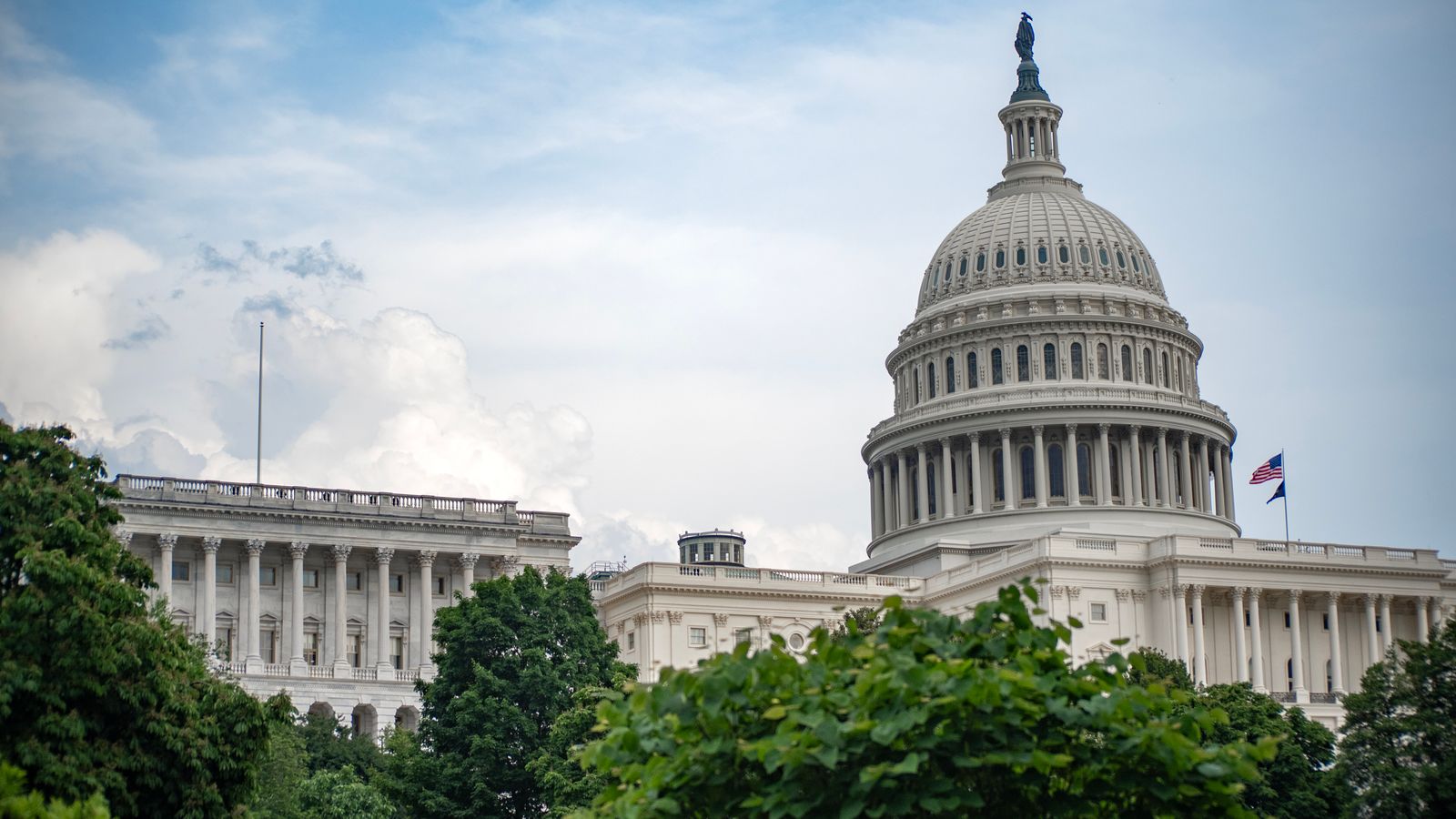
A bipartisan congressional proposal introduced in July 2026 aims to establish federal regulation and taxation of hemp-derived THC products, potentially rescuing a multi-billion dollar industry from an imminent ban. The legislation arrives as the Drug Enforcement Administration's final rule reclassifying hemp-derived intoxicating cannabinoids approaches implementation, threatening to eliminate legal sales of delta-8 THC, delta-10 THC, THC-O, and similar products that have flourished in a regulatory gray zone since the 2018 Farm Bill legalized hemp. The proposal would create a federal framework distinguishing regulated hemp THC products from marijuana, impose excise taxes comparable to alcohol, and establish potency limits and testing requirements. With the hemp THC market estimated at $28 billion annually across gas stations, convenience stores, and online retailers, the stakes involve thousands of small businesses, state tax revenues, and consumer access in states without legal marijuana programs. The legislation faces uncertain prospects in a divided Congress, while the DEA ban remains scheduled absent congressional intervention.Why This Matters
The regulatory fate of hemp THC products will determine whether a $28 billion industry continues operating or faces immediate shutdown, affecting retailers in all 50 states and millions of consumers. The hemp THC market emerged rapidly after the 2018 Farm Bill defined hemp as cannabis containing no more than 0.3 percent delta-9 THC on a dry weight basis. Manufacturers discovered they could synthesize intoxicating cannabinoids from CBD through chemical processes, creating products that technically complied with the hemp definition while producing psychoactive effects similar to marijuana. Delta-8 THC products alone generated an estimated $2 billion in sales in 2023, according to market research firm Brightfield Group. For consumers in states without legal marijuana programs, hemp THC products represent the only legal access to intoxicating cannabis. Approximately 60 million Americans live in states where marijuana remains fully prohibited, including Idaho, Kansas, Nebraska, and South Carolina. Veterans, elderly patients, and others seeking cannabis effects without participating in illicit markets have relied on hemp-derived products available at mainstream retailers. State governments have collected substantial tax revenues from hemp THC sales where state-level regulations exist. North Carolina imposed a 10 percent excise tax on hemp-derived consumable products in 2023, generating $14.7 million in the first year according to the state Department of Revenue. Minnesota's hemp THC regulations, which took effect in 2023, created a framework that other states have studied as a model. The business community affected extends beyond specialized hemp companies to include major convenience store chains, gas station operators, and e-commerce platforms. Circle K, 7-Eleven, and thousands of independent retailers added hemp THC products to their inventory between 2020 and 2025. The National Association of Convenience Stores estimated that 68 percent of convenience stores carried hemp-derived cannabinoid products as of early 2025. Opposition to unregulated hemp THC has united strange bedfellows: state-licensed marijuana operators who view hemp products as untaxed competition, public health advocates concerned about lack of testing and age verification, and law enforcement agencies reporting difficulties distinguishing legal hemp from illegal marijuana. The Cannabis Trade Federation, representing licensed marijuana businesses, has advocated for hemp THC regulation rather than prohibition, arguing that consumer demand will persist regardless of legal status.Background and History
The hemp THC industry emerged from a legal loophole in the 2018 Farm Bill that defined hemp by delta-9 THC concentration alone, enabling synthesis of alternative intoxicating cannabinoids.The 2018 Farm Bill and Hemp Legalization
The Agriculture Improvement Act of 2018, signed into law on December 20, 2018, removed hemp from Schedule I of the Controlled Substances Act. Section 10113 of the Farm Bill amended the definition of marijuana in 21 U.S.C. § 802(16) to exclude "hemp," defined as cannabis containing not more than 0.3 percent delta-9 tetrahydrocannabinol on a dry weight basis. The legislation, championed by Senate Majority Leader Mitch McConnell of Kentucky, aimed to support American farmers by legalizing industrial hemp cultivation for fiber, grain, and CBD extraction. The 0.3 percent threshold originated from a 1976 taxonomic paper by Canadian researchers Ernest Small and Arthur Cronquist, who proposed the arbitrary distinction to differentiate fiber cultivars from drug cultivars. Congress adopted this botanical classification without anticipating that manufacturers would exploit the specific reference to delta-9 THC while creating products containing other THC isomers. The Farm Bill explicitly preserved FDA authority over hemp-derived products intended for human consumption under 21 U.S.C. § 321. The legislation also maintained state authority to regulate hemp more restrictively than federal law, with Section 10114 allowing states to prohibit hemp cultivation and commerce within their borders.Emergence of Delta-8 THC Products (2019-2021)
By late 2019, chemists discovered they could convert CBD isolate into delta-8 THC through chemical synthesis using acids and heat. Delta-8 THC, a naturally occurring cannabinoid present in cannabis at concentrations below 1 percent, produces intoxicating effects approximately 50-70 percent as potent as delta-9 THC according to anecdotal reports. The synthesized delta-8 technically qualified as hemp-derived since it originated from legal CBD extracted from compliant hemp plants. The first delta-8 THC products appeared in smoke shops and online retailers in early 2020. By summer 2021, delta-8 vape cartridges, gummies, and tinctures had become widely available. The COVID-19 pandemic accelerated online sales, with consumers ordering hemp THC products for delivery in states where marijuana remained illegal. 3Chi, founded by biochemist Gabriel Sciara, became one of the largest delta-8 brands, defending the products as legal hemp derivatives. The DEA issued an interim final rule on August 21, 2020, implementing the Farm Bill's hemp provisions. The rule stated that "all synthetically derived tetrahydrocannabinols remain schedule I controlled substances," creating immediate controversy about whether delta-8 THC qualified as synthetic. Industry advocates argued that conversion from naturally occurring CBD did not constitute synthesis, while the DEA maintained that chemical transformation created a synthetic controlled substance.State Responses and Patchwork Regulation (2021-2024)
States responded inconsistently to hemp THC products. Alaska, Arizona, Arkansas, Colorado, Delaware, Idaho, Iowa, Montana, Nevada, New York, Rhode Island, Utah, Vermont, and Washington enacted prohibitions or restrictions on delta-8 THC and similar products between 2021 and 2023. These states typically amended their controlled substances laws to include "synthetically derived cannabinoids" or specified delta-8 THC by name. Other states moved toward regulation rather than prohibition. Louisiana enacted Act 164 in 2022, establishing a regulatory framework for hemp-derived consumable products with THC content limits and testing requirements. Minnesota passed legislation in 2022 creating a regulated market for hemp-derived edibles containing up to 5 milligrams of THC per serving and 50 milligrams per package. North Carolina followed in 2023 with House Bill 563, imposing a 10 percent excise tax and requiring lab testing. California presented a unique case. Despite having a mature legal marijuana market, California did not explicitly prohibit hemp THC products until Assembly Bill 1894 took effect on January 1, 2024. The legislation required hemp products containing detectable THC to be sold only through licensed cannabis retailers, effectively ending gas station and convenience store sales. The California Department of Cannabis Control estimated that unlicensed hemp THC sales had reached $1.5 billion annually in the state, representing significant tax revenue loss from the regulated marijuana market.Proliferation of Novel Cannabinoids (2022-2024)
As states restricted delta-8 THC, manufacturers introduced additional hemp-derived intoxicating cannabinoids. Delta-10 THC, THC-O acetate, THC-P, and HHC (hexahydrocannabinol) appeared in products marketed as legal alternatives. Each compound claimed hemp origin through chemical conversion processes, maintaining the argument that products derived from compliant hemp remained legal under the Farm Bill. THC-O acetate, a synthetic analog created by acetylating THC, gained popularity in 2022 despite being clearly synthetic under any reasonable interpretation. The DEA issued a letter in February 2023 clarifying that THC-O did not occur naturally in cannabis and therefore constituted a controlled substance analog under 21 U.S.C. § 813. Most manufacturers discontinued THC-O products following the DEA statement, but the incident highlighted the industry's pattern of introducing novel compounds to circumvent restrictions. Public health concerns intensified as emergency room visits related to hemp THC products increased. The American Association of Poison Control Centers reported 2,362 exposure cases involving delta-8 THC in 2021, rising to 3,358 cases in 2022. Pediatric exposures, often involving children consuming gummies resembling candy, represented approximately 40 percent of cases. The lack of federal testing standards meant product potency and purity varied dramatically, with some products containing significantly higher THC levels than labeled.The DEA's Reclassification Effort (2024-2026)
In May 2024, the DEA published a Notice of Proposed Rulemaking to reclassify marijuana from Schedule I to Schedule III of the Controlled Substances Act. The proposal, responding to a recommendation from the Department of Health and Human Services, would recognize marijuana's accepted medical use while maintaining federal prohibition for non-medical purposes. The NPRM included language clarifying that hemp-derived cannabinoids produced through chemical synthesis constitute controlled substances. The proposed rule stated that "tetrahydrocannabinols produced through chemical synthesis from non-cannabis materials, or through chemical modification of cannabinoids extracted from cannabis, do not meet the statutory definition of hemp and remain controlled substances." This language directly targeted the hemp THC industry's core legal argument. The DEA received over 43,000 public comments during the comment period, with hemp industry stakeholders submitting detailed objections. An administrative law judge conducted hearings on the proposed rule in late 2024 and early 2025. Hemp industry representatives argued that the Farm Bill's plain language legalized all hemp derivatives and that the DEA lacked authority to redefine hemp through rulemaking. The Cannabis Trade Federation, representing licensed marijuana businesses, supported the DEA's position that chemically converted cannabinoids should face the same regulatory requirements as marijuana. The DEA published its final rule on April 15, 2026, maintaining the language restricting chemically synthesized hemp-derived cannabinoids. The rule established a 180-day implementation period, meaning the ban would take effect on October 12, 2026, absent congressional intervention. The hemp industry immediately announced intentions to challenge the rule in federal court, with cases filed in the U.S. Court of Appeals for the Eighth Circuit and the D.C. Circuit.Key Players
Drug Enforcement Administration
The DEA has maintained that chemically synthesized cannabinoids derived from hemp remain Schedule I controlled substances despite the 2018 Farm Bill. Administrator Anne Milgram, appointed in 2021, oversaw the agency's efforts to close the hemp THC loophole while simultaneously pursuing marijuana rescheduling. The DEA's Diversion Control Division, responsible for implementing the Controlled Substances Act, drafted the regulatory language addressing synthetic hemp cannabinoids. The agency has argued that allowing unregulated intoxicating products to proliferate contradicts congressional intent in legalizing industrial hemp for fiber and CBD production.Food and Drug Administration
The FDA has maintained authority over hemp-derived products intended for human consumption but has declined to establish a comprehensive regulatory framework. The agency issued warning letters to specific companies making therapeutic claims about CBD products but has not systematically enforced against hemp THC products. FDA Commissioner Robert Califf testified before Congress in March 2025 that the agency lacked resources to regulate the hemp market without additional statutory authority and appropriations. The FDA's inaction created a regulatory vacuum that enabled the hemp THC market's explosive growth.U.S. Hemp Roundtable
The U.S. Hemp Roundtable, a coalition of hemp businesses and advocates, has lobbied extensively to preserve hemp THC products' legal status. The organization argues that the 2018 Farm Bill legalized all hemp derivatives and that the DEA's interpretation exceeds statutory authority. Jonathan Miller, the Roundtable's general counsel and former Kentucky agriculture commissioner, has coordinated the industry's congressional outreach and legal strategy. The organization represents cultivators, processors, and retailers with combined annual revenues exceeding $10 billion.Cannabis Trade Federation
The Cannabis Trade Federation, representing state-licensed marijuana operators, has advocated for regulating hemp THC products under frameworks similar to legal marijuana. The organization argues that unregulated hemp products undermine state marijuana programs by offering untaxed, untested alternatives. CEO Diane Czarkowski has testified that hemp THC regulation should include potency limits, testing requirements, and age restrictions comparable to alcohol. The Federation supported the DEA's reclassification rule while advocating for congressional action to establish clear regulatory authority.National Association of Convenience Stores
NACS represents 150,000 convenience stores that became major hemp THC retailers between 2020 and 2025. The association has advocated for federal regulation rather than prohibition, arguing that eliminating hemp products would cost retailers $2.8 billion in annual sales. NACS has emphasized that convenience stores implement age verification procedures and support testing standards, positioning the industry as responsible stakeholders willing to comply with reasonable regulations.State Regulators
State departments of agriculture and health have struggled with inconsistent federal guidance on hemp THC. The National Association of State Departments of Agriculture has called for clear federal standards to replace the current patchwork of state laws. North Carolina Agriculture Commissioner Steve Troxler, who implemented his state's hemp THC regulations, has advocated for a federal framework that preserves state flexibility while establishing baseline safety standards. California's Department of Cannabis Control has taken the opposite approach, requiring all THC products to flow through the licensed marijuana supply chain.Legal and Regulatory Framework
The legal status of hemp THC products depends on interpreting the 2018 Farm Bill's hemp definition in conjunction with the Controlled Substances Act's provisions on synthetic substances. The Agriculture Improvement Act of 2018 amended 21 U.S.C. § 802(16) to exclude from the definition of marijuana "the plant Cannabis sativa L. and any part of that plant, including the seeds thereof and all derivatives, extracts, cannabinoids, isomers, acids, salts, and salts of isomers, whether growing or not, with a delta-9 tetrahydrocannabinol concentration of not more than 0.3 percent on a dry weight basis." This language explicitly legalized hemp derivatives and cannabinoid isomers, which hemp industry advocates cite as authorizing delta-8 THC and similar compounds. However, 21 U.S.C. § 802(6) defines controlled substance analogs, and 21 U.S.C. § 813 grants the Attorney General authority to schedule substances substantially similar to controlled substances. The DEA has invoked these provisions to argue that chemically synthesized cannabinoids, even if derived from legal hemp, constitute controlled substance analogs when intended for human consumption. The Controlled Substances Act's definition of "synthetic" at 21 CFR § 1308.01 includes substances produced through chemical synthesis or chemical modification. The DEA's April 2026 final rule applied this definition to hemp-derived cannabinoids produced through isomerization, arguing that converting CBD to delta-8 THC through acid catalysis constitutes chemical modification creating a synthetic controlled substance. The Farm Bill preserved FDA authority under 21 U.S.C. § 321 to regulate hemp-derived products as food, dietary supplements, or drugs. Section 301(ll) of the Federal Food, Drug, and Cosmetic Act prohibits introducing into interstate commerce any food containing a drug ingredient, which the FDA has applied to CBD. However, the FDA has not invoked this authority systematically against hemp THC products, creating uncertainty about whether such products qualify as lawful food ingredients. State authority to regulate hemp more restrictively than federal law derives from the Farm Bill's Section 10114 and the Tenth Amendment's reservation of police powers to states. States that have prohibited hemp THC products typically amended their controlled substances schedules to include "synthetically derived tetrahydrocannabinols" or specified compounds like delta-8 THC. These state laws face legal challenges arguing that the Supremacy Clause preempts state restrictions on substances Congress legalized. The pending litigation challenging the DEA's final rule raises fundamental questions of administrative law and statutory interpretation. Hemp industry plaintiffs argue that the DEA exceeded its statutory authority by redefining hemp through rulemaking, violating the Administrative Procedure Act's prohibition on agency actions that are arbitrary, capricious, or contrary to law under 5 U.S.C. § 706. The cases will likely determine whether Chevron deference applies to the DEA's interpretation of the Farm Bill, or whether the major questions doctrine requires clear congressional authorization for regulatory actions with significant economic and political consequences.The Congressional Proposal
The bipartisan legislation introduced on July 22, 2026, would establish federal regulation and taxation of hemp THC products while creating distinctions from marijuana based on potency and production methods. The Hemp Regulation and Taxation Act, introduced by Representative Earl Blumenauer of Oregon and Representative Nancy Mace of South Carolina, would amend the Internal Revenue Code to impose a federal excise tax on hemp-derived intoxicating products. The bill proposes a tax rate of $1.00 per milligram of total THC content, comparable to the taxation structure for alcohol on a per-dose basis. A 10-milligram edible would face a $10 federal excise tax, in addition to state and local taxes. The legislation would establish potency limits distinguishing regulated hemp products from marijuana. Products containing no more than 10 milligrams of total THC per serving and 100 milligrams per package would qualify for the hemp regulatory pathway. Products exceeding these limits would require licensing under state marijuana programs where legal, or would remain prohibited in states without legal marijuana frameworks. Testing and labeling requirements in the proposal mirror standards in mature marijuana markets. All hemp THC products would require third-party laboratory testing for potency, pesticides, heavy metals, and microbial contaminants. Labels would disclose total THC content, serving size, and health warnings. The bill would prohibit marketing to minors and require child-resistant packaging. The proposal would create a federal permitting system administered by the Alcohol and Tobacco Tax and Trade Bureau, which would transition to regulating hemp THC products alongside its existing alcohol and tobacco responsibilities. Manufacturers, distributors, and retailers would require federal permits, with application fees scaled to business size. The TTB would conduct inspections and enforce compliance with testing and labeling requirements. Critically, the legislation would supersede the DEA's final rule by explicitly authorizing hemp-derived cannabinoids produced through chemical conversion from CBD, provided the source material originated from compliant hemp plants. The bill would amend 21 U.S.C. § 802(16) to clarify that "derivatives" includes cannabinoids produced through isomerization and other chemical processes, resolving the statutory ambiguity the DEA exploited. The proposal includes revenue-sharing provisions directing 50 percent of federal excise tax collections to states based on where products are sold. States would receive quarterly payments to support regulation, enforcement, and substance abuse prevention programs. The Congressional Budget Office has not yet scored the legislation, but sponsors estimate it could generate $2.8 billion in annual federal revenue based on current market size.State-by-State Breakdown
States have adopted dramatically different approaches to hemp THC products, creating a complex patchwork of prohibition, regulation, and unregulated markets.Alabama
Alabama has not enacted specific restrictions on hemp-derived THC products. The Alabama Department of Agriculture and Industries regulates hemp cultivation under the 2018 Farm Bill but has not addressed intoxicating hemp products. Delta-8 THC and similar products remain widely available in convenience stores and smoke shops. The state's medical marijuana program, authorized in 2021, has not yet begun operations, leaving hemp products as the only legal cannabis option.Alaska
Alaska prohibited delta-8 THC and other hemp-derived intoxicating cannabinoids in 2021 by adding them to the state's Schedule VIA controlled substances. The Alaska Marijuana Control Board determined that intoxicating hemp products competed unfairly with the state's licensed marijuana market, which has operated since 2016. Possession limits and regulations for marijuana apply, with adults 21 and older permitted to possess up to one ounce.Arizona
Arizona amended its controlled substances law in 2021 to prohibit delta-8 THC and "any artificially derived cannabinoid." The Arizona Department of Health Services determined that chemically converted hemp cannabinoids did not qualify as naturally occurring hemp derivatives. The state's adult-use marijuana program, which launched in 2021, allows adults 21 and older to possess up to one ounce and cultivate up to six plants for personal use.Arkansas
Arkansas banned delta-8 THC and similar products in 2021 through an emergency rule by the Alcoholic Beverage Control Division. The state subsequently codified the prohibition in Act 629 of 2021, which added "synthetically derived tetrahydrocannabinols" to Schedule VI. Arkansas operates a medical marijuana program established by constitutional amendment in 2016, serving approximately 80,000 registered patients.California
California enacted Assembly Bill 1894 in 2023, requiring all hemp products containing detectable THC to be sold exclusively through licensed cannabis retailers. The law took effect January 1, 2024, eliminating the previously unregulated hemp THC market in convenience stores and online. The California Department of Cannabis Control estimated the law would redirect $1.5 billion in annual sales into the regulated market, generating approximately $225 million in additional tax revenue. Adults 21 and older may purchase up to one ounce of cannabis from licensed retailers.Colorado
Colorado restricted hemp-derived THC products through regulations adopted by the Colorado Department of Public Health and Environment in 2022. The state requires hemp products containing more than 0.3 percent total THC to be sold through licensed marijuana retailers. Products containing 0.3 percent or less total THC may be sold in general retail but face serving size limits of 2 milligrams per serving. Colorado's marijuana program, the first in the nation, has operated since 2014.Florida
Florida has not enacted statewide restrictions on hemp THC products, creating one of the largest unregulated markets. Delta-8 THC and similar products are widely available in gas stations, convenience stores, and dedicated hemp shops. The Florida Department of Agriculture and Consumer Services regulates hemp cultivation but has not addressed intoxicating products. Several local jurisdictions, including Sarasota County, have enacted local bans. Florida operates a medical marijuana program serving over 800,000 registered patients, but adult-use marijuana remains illegal.Georgia
Georgia permits hemp THC products without specific state-level regulations beyond general hemp cultivation rules. The Georgia Department of Agriculture oversees hemp farming but has not established testing or labeling requirements for hemp-derived intoxicating products. The state's limited medical marijuana program, established in 2019, allows low-THC cannabis oil for specific medical conditions but has faced implementation challenges.Idaho
Idaho maintains one of the strictest cannabis policies in the nation, prohibiting all THC products including hemp-derived cannabinoids. Idaho Code § 37-2701 defines marijuana to include all tetrahydrocannabinols regardless of source. The state has not established a hemp program under the 2018 Farm Bill, instead maintaining a prohibition on all cannabis cultivation and products. CBD products must contain zero THC to be legal in Idaho.Illinois
Illinois has not restricted hemp-derived THC products at the state level, despite operating a mature adult-use marijuana market since 2020. The Illinois Department of Agriculture regulates hemp cultivation but has not addressed intoxicating hemp products. Industry observers note that hemp THC products compete with licensed marijuana sales, which generated $1.9 billion in revenue in 2023. Adults 21 and older may purchase up to 30 grams of cannabis flower from licensed dispensaries.Kansas
Kansas permits hemp cultivation and CBD products but has not specifically addressed delta-8 THC and similar intoxicating hemp cannabinoids. The Kansas Department of Agriculture regulates hemp under the 2018 Farm Bill. Hemp THC products are available in convenience stores and smoke shops, representing the only legal intoxicating cannabis option in a state where marijuana remains fully prohibited.Louisiana
Louisiana enacted Act 164 in 2022, creating a regulatory framework for hemp-derived consumable products. The law limits hemp edibles to 8 milligrams of total THC per serving and requires third-party lab testing. The Louisiana Department of Agriculture and Forestry oversees compliance. The state also operates a medical marijuana program, creating parallel regulated markets for hemp and marijuana products.Massachusetts
Massachusetts requires hemp products containing intoxicating levels of THC to be sold through licensed cannabis retailers under regulations adopted by the Cannabis Control Commission in 2023. The state's adult-use marijuana program, operational since 2018, generated $1.6 billion in sales in 2023. Adults 21 and older may purchase up to one ounce from licensed retailers or cultivate up to six plants at home.Michigan
Michigan has not enacted specific restrictions on hemp-derived THC products, despite operating adult-use marijuana sales since 2019. The Michigan Department of Agriculture and Rural Development regulates hemp cultivation. Hemp THC products compete with the licensed marijuana market, which generated $3.0 billion in sales in 2023, the third-largest state market nationally. Adults 21 and older may possess up to 2.5 ounces and cultivate up to 12 plants.Minnesota
Minnesota established a regulated hemp THC market through legislation enacted in 2022. The law permits hemp-derived edibles containing up to 5 milligrams of THC per serving and 50 milligrams per package. Products must be manufactured in licensed facilities and undergo testing. The Minnesota Department of Agriculture oversees the program. The state subsequently legalized adult-use marijuana in 2023, creating parallel regulatory pathways.Mississippi
Mississippi permits hemp cultivation and has not specifically restricted delta-8 THC or similar products. The Mississippi Department of Agriculture and Commerce regulates hemp farming under the 2018 Farm Bill. The state operates a medical marijuana program established by voter initiative in 2020 and implemented through legislation in 2022, but adult-use marijuana remains prohibited.Montana
Montana banned delta-8 THC and synthetically derived cannabinoids in 2021 through amendments to the state's controlled substances schedule. The Montana Department of Public Health and Human Services determined that chemically converted hemp products did not qualify as natural hemp derivatives. The state's adult-use marijuana program, approved by voters in 2020, began sales in 2022. Adults 21 and older may possess up to one ounce.Nevada
Nevada prohibited hemp-derived intoxicating products in 2021, requiring all THC products to be sold through licensed cannabis dispensaries. The Nevada Cannabis Compliance Board determined that delta-8 THC and similar products competed with the regulated marijuana market. Nevada's adult-use program, operational since 2017, generated $1.2 billion in sales in 2023. Adults 21 and older may purchase up to one ounce from licensed retailers.New York
New York initially allowed hemp THC products but reversed course with regulations adopted by the Office of Cannabis Management in 2023. The state now requires all intoxicating cannabis products, including hemp-derived items, to be sold through licensed cannabis retailers. The policy aims to protect the state's developing adult-use marijuana market, which began licensed sales in 2022. Adults 21 and older may possess up to three ounces.North Carolina
North Carolina enacted House Bill 563 in 2023, establishing comprehensive hemp THC regulations. The law imposes a 10 percent excise tax on hemp-derived consumable products and requires lab testing for potency and contaminants. Products are limited to 10 milligrams of total THC per serving. The North Carolina Department of Agriculture and Consumer Services administers the program, which generated $14.7 million in tax revenue in its first year. Marijuana remains illegal in North Carolina.Ohio
Ohio has not restricted hemp-derived THC products at the state level. The Ohio Department of Agriculture regulates hemp cultivation but has not addressed intoxicating products. Hemp THC items are widely available in convenience stores and smoke shops. Ohio voters approved adult-use marijuana legalization in November 2023, with licensed sales beginning in 2024. The hemp market provided legal intoxicating cannabis access during the implementation period.Oklahoma
Oklahoma permits hemp THC products without specific state regulations beyond hemp cultivation rules. The Oklahoma Department of Agriculture, Food and Forestry oversees hemp farming. The state operates one of the nation's largest medical marijuana programs, with over 400,000 registered patients and more than 2,000 dispensaries, but has not extended regulations to hemp-derived products.Oregon
Oregon requires hemp products containing intoxicating levels of cannabinoids to be sold through licensed cannabis retailers under rules adopted by the Oregon Liquor and Cannabis Commission. The state's adult-use marijuana program, operational since 2015, faces significant competition from illicit markets. Adults 21 and older may purchase up to one ounce from licensed retailers or cultivate up to four plants at home.Rhode Island
Rhode Island banned delta-8 THC and synthetically derived cannabinoids in 2021 through amendments to the state's controlled substances law. The Rhode Island Department of Health determined that chemically converted hemp products should be regulated as marijuana. The state's adult-use marijuana program began licensed sales in 2022. Adults 21 and older may possess up to one ounce.South Carolina
South Carolina permits hemp cultivation and CBD products but has not specifically addressed delta-8 THC and similar intoxicating cannabinoids. The South Carolina Department of Agriculture regulates hemp farming. Hemp THC products are available in convenience stores and smoke shops, representing the only legal intoxicating cannabis option in a state where marijuana remains fully prohibited.Tennessee
Tennessee initially allowed hemp THC products but enacted restrictions in 2023 through amendments to the state's food and drug laws. Products containing more than 0.3 percent total THC are prohibited from general retail sale. The Tennessee Department of Agriculture oversees hemp cultivation. Medical marijuana remains illegal in Tennessee, making the hemp market particularly significant for consumers seeking cannabis products.Texas
Texas permits hemp cultivation and has not enacted statewide restrictions on delta-8 THC or similar products, creating one of the nation's largest hemp THC markets. The Texas Department of State Health Services regulates hemp under the 2018 Farm Bill. Several local jurisdictions have attempted bans, but state law preempts local hemp regulations. The state operates a limited medical marijuana program for specific conditions, but adult-use marijuana remains illegal.Utah
Utah banned delta-8 THC and synthetically derived cannabinoids in 2021 through amendments to the state's controlled substances schedule. The Utah Department of Agriculture and Food determined that chemically converted hemp products did not qualify as legal hemp derivatives. Utah operates a medical marijuana program established in 2018, serving approximately 35,000 registered patients.Vermont
Vermont restricted hemp-derived intoxicating products in 2022, requiring products containing more than 0.3 percent total THC to be sold through licensed cannabis retailers. The Vermont Agency of Agriculture, Food and Markets oversees hemp cultivation, while the Cannabis Control Board regulates marijuana. The state's adult-use program began licensed sales in 2022. Adults 21 and older may possess up to one ounce or cultivate up to two mature plants.Virginia
Virginia permits hemp THC products without specific state-level restrictions beyond general hemp regulations. The Virginia Department of Agriculture and Consumer Services oversees hemp cultivation. The state legalized adult-use marijuana possession in 2021 but has not yet established a licensed retail market, leaving hemp products as the primary legal purchase option. Adults 21 and older may possess up to one ounce and cultivate up to four plants at home.Washington
Washington prohibited delta-8 THC and synthetically derived cannabinoids in 2022 through regulations adopted by the Washington State Liquor and Cannabis Board. The state determined that chemically converted hemp products competed unfairly with the licensed marijuana market. Washington's adult-use program, operational since 2014, generated $1.4 billion in sales in 2023. Adults 21 and older may purchase up to one ounce from licensed retailers.Market and Business Implications
The hemp THC industry's regulatory fate will determine whether $28 billion in annual commerce continues or shifts to licensed marijuana markets and illicit channels. Multi-state operators in the licensed marijuana industry view hemp THC regulation as essential to competitive fairness. Curaleaf, Trulieve, Green Thumb Industries, and other MSOs have invested billions in state-licensed infrastructure subject to strict testing, taxation, and compliance requirements. Unregulated hemp products sold at convenience stores undercut licensed marijuana pricing while avoiding the regulatory costs that burden MSOs. Curaleaf CEO Matt Darin stated in a February 2025 earnings call that hemp competition had reduced the company's revenue by an estimated 8-12 percent inUpdate — September 3, 2026: Congressional Focus Shifts to Hemp-Derived THC Products
Federal lawmakers increased attention on regulating hemp-derived THC products in early September 2026, according to industry newsletters tracking congressional activity. The focus centered on intoxicating cannabinoids produced from hemp under the 2018 Farm Bill's 0.3% delta-9 THC threshold, which created a legal pathway for products like delta-8 THC and THC-O that emerged through chemical conversion processes. Congressional committees began examining whether the Farm Bill's hemp definition required amendment to address synthetically derived intoxicating compounds not contemplated in the original legislation.
The regulatory discussion emerged as state-level hemp THC restrictions proliferated across multiple jurisdictions, creating a patchwork of conflicting standards for manufacturers and retailers. Some states moved to ban specific isomers while others imposed potency limits or age restrictions on hemp-derived intoxicants. Industry stakeholders reported that inconsistent state frameworks increased compliance costs and market uncertainty for companies operating across multiple territories.
The timing coincided with California Governor Gavin Newsom highlighting marijuana tax revenue figures, underscoring the competitive pressure regulated cannabis markets face from unregulated hemp THC products sold in gas stations and convenience stores without state cannabis licensing requirements. Licensed operators argued that hemp-derived intoxicants bypass the testing, taxation, and retail restrictions imposed on state-legal marijuana programs.
For hemp processors and CBD companies, potential federal restrictions posed significant business model risks for operations built on Farm Bill compliance. The regulatory uncertainty affected investor confidence in hemp-derived cannabinoid ventures and prompted some companies to diversify product lines beyond intoxicating compounds. Patient advocates raised concerns that federal hemp THC restrictions could eliminate access points in states without medical marijuana programs, particularly for consumers unable to qualify under narrow state medical cannabis criteria.
Update — September 3, 2026: Industry Faces Critical Regulatory Window
The hemp-derived THC industry entered a pivotal period in September 2026, with stakeholders warning that federal and state regulatory decisions over the following months would determine whether intoxicating hemp products face structured oversight or outright prohibition. Industry observers noted that the regulatory vacuum created by the 2018 Farm Bill's silence on intoxicating cannabinoids had reached a breaking point, forcing policymakers to choose between frameworks that accommodate delta-8 THC, delta-10 THC, and THCa products or blanket bans.
According to industry advocates, at least 18 states had enacted or proposed restrictions on hemp-derived intoxicating products by early September 2026, creating a patchwork of conflicting rules that complicated interstate commerce. Some states implemented age restrictions and testing requirements similar to adult-use cannabis programs, while others moved to prohibit all synthetically derived cannabinoids or products exceeding 0.3% total THC. The divergent approaches left manufacturers uncertain about production standards and market access.
Federal agencies remained largely silent on enforcement priorities, though the FDA had issued warning letters to 22 hemp THC product manufacturers in 2026 for unapproved health claims and mislabeling. The DEA had not clarified whether delta-8 THC and similar isomers qualified as controlled substances under the Controlled Substances Act, despite ongoing litigation in multiple circuits. Congressional efforts to amend the Farm Bill stalled without agreement on THC potency limits or product categories.
The regulatory uncertainty affected investment and operational planning across the sector. Hemp-derived cannabinoid product sales reached an estimated $2.8 billion in 2025, according to market research firms, but growth projections for 2026-2027 varied widely based on regulatory scenarios. Manufacturers faced decisions about whether to invest in compliance infrastructure for potential federal standards or pivot to CBD and non-intoxicating products. The coming months would determine whether the industry consolidated under clear rules or fragmented under state-by-state prohibition.
Update — September 4, 2026: Trump Signs Bill Delaying Hemp THC Ban, Lawmakers Split on Next Steps
President Trump signed legislation postponing a scheduled federal ban on hemp-derived THC products, according to Marijuana Moment. The delay extends the compliance deadline that had been set under previous regulatory guidance, giving Congress additional time to craft a permanent framework. The bill does not establish new regulations—it only pushes back enforcement of existing restrictions while lawmakers debate whether to impose potency caps, age verification mandates, or an outright prohibition on intoxicating hemp cannabinoids.
Congressional debate has fractured along two lines: some members favor strict THC limits per serving and per package, mirroring state models in Minnesota and Colorado, while others argue the hemp industry should remain largely unregulated to preserve the 2018 Farm Bill's original intent. No consensus has emerged on testing protocols, labeling standards, or interstate commerce rules, leaving manufacturers uncertain about long-term compliance costs. The delay provides breathing room for operators currently selling delta-8 THC, delta-10 THC, and THC-O products through retail and online channels.
Industry groups said the extension prevents immediate supply chain disruption but does not resolve the core legal ambiguity surrounding synthetically derived cannabinoids. The Drug Enforcement Administration has not withdrawn its interim final rule classifying certain hemp extracts as controlled substances, and state attorneys general in at least six states have filed enforcement actions against hemp THC retailers in the past year. Investors in vertically integrated hemp companies face continued regulatory risk until Congress enacts a final rule or the DEA issues clarifying guidance.
The delay matters operationally because retailers can continue stocking hemp THC products without immediate federal penalty, but banks and payment processors remain hesitant to service accounts tied to intoxicating hemp sales. Financial institutions cite the unresolved DEA classification and the absence of explicit safe harbor language in the delay bill. Until a permanent regulatory structure takes effect, hemp THC operators will operate in a legal gray zone with state-by-state enforcement variability and limited access to traditional banking services.
Frequently asked questions
What is the legal difference between hemp THC and marijuana THC?
Under the 2018 Farm Bill, hemp is defined as cannabis containing 0.3% or less delta-9 THC by dry weight, while marijuana exceeds this threshold. However, the law did not address intoxicating cannabinoids like delta-8 THC that are chemically converted from legal CBD. The DEA has stated that synthetically derived THC remains Schedule I controlled substances, but enforcement has been inconsistent. This creates a legal gray area where products derived from legal hemp may contain intoxicating compounds not explicitly regulated by federal law.
Which states have banned hemp-derived THC products?
As of 2026, at least 18 states have enacted restrictions or outright bans on hemp-derived intoxicating cannabinoids. States with comprehensive bans include Alaska, Colorado, Delaware, Idaho, Montana, New York, North Dakota, Oregon, Rhode Island, Vermont, and Washington. Other states like Arkansas, Kentucky, and Louisiana have implemented regulatory frameworks requiring testing, labeling, and age restrictions rather than complete prohibition. State approaches continue to evolve rapidly as legislators respond to public health concerns and industry lobbying.
How do manufacturers produce delta-8 THC from hemp?
Delta-8 THC is typically produced through chemical conversion of CBD extracted from legal hemp. The process involves dissolving CBD in a solvent, adding an acid catalyst, and applying heat to rearrange the molecular structure into delta-8 THC through isomerization. This semi-synthetic process can also create delta-10 THC, THC-O, and other cannabinoids. The DEA has argued these converted cannabinoids qualify as synthetic controlled substances, but the 2018 Farm Bill's definition of hemp does not explicitly address chemically modified derivatives, creating ongoing legal uncertainty.
What federal legislation is pending for hemp THC regulation?
Multiple bills have been introduced in Congress to address hemp THC regulation. Bipartisan proposals include establishing federal taxation frameworks similar to alcohol excise taxes, setting potency limits, requiring third-party testing, and implementing age restrictions. The FDA has been tasked with developing a regulatory pathway but has not issued comprehensive rules. Some legislation would explicitly ban synthetically derived cannabinoids, while other proposals would create a regulated market with quality standards. The hemp and cannabis industries remain divided on preferred approaches.
Are hemp THC products subject to FDA regulation?
The FDA maintains authority over hemp-derived products but has not established a comprehensive regulatory framework for intoxicating cannabinoids. The agency has issued warning letters to companies making unsubstantiated health claims and has stated that adding THC to food products violates the Federal Food, Drug, and Cosmetic Act. However, the FDA has not systematically enforced these positions against the thousands of hemp THC products on the market. The agency has called on Congress to provide clear statutory authority to regulate these products effectively.
How do hemp THC regulations affect the traditional cannabis industry?
Hemp-derived THC products compete directly with state-licensed cannabis markets while avoiding the taxes, testing requirements, and regulatory costs that marijuana businesses face. Cannabis industry groups have lobbied for stricter hemp THC regulation, arguing that unregulated products undermine consumer safety and tax revenue. Some states have responded by requiring hemp THC products to be sold only through licensed cannabis retailers. The economic tension between hemp and cannabis sectors has become a major factor in state-level policy debates.
What testing and labeling requirements apply to hemp THC products?
Federal requirements are minimal—hemp products must contain less than 0.3% delta-9 THC to remain legal under the Farm Bill. However, many states have implemented their own testing mandates for contaminants, heavy metals, pesticides, and cannabinoid potency. Labeling requirements vary widely; some states require child-resistant packaging, warning labels, and batch-specific test results, while others have no specific rules. The lack of federal standards has resulted in inconsistent product quality and consumer confusion about potency and safety across state lines.
Can hemp THC products be shipped across state lines legally?
Federally, hemp and hemp-derived products can be transported across state lines under the 2018 Farm Bill, but state laws create significant complications. Shipping hemp THC products into states that have banned them may violate state law even if the products are federally compliant. Major carriers including UPS and FedEx have policies restricting shipment of hemp-derived intoxicating products. Online retailers face enforcement risk from both state attorneys general and federal agencies. The legal landscape for interstate commerce remains uncertain pending federal regulatory clarity.
What is the DEA's position on hemp-derived cannabinoids?
The DEA issued an Interim Final Rule in 2020 stating that synthetically derived THC remains a Schedule I controlled substance regardless of source material. The agency has argued that chemically converting CBD into delta-8 THC or other cannabinoids constitutes synthetic production, making these products illegal. However, the DEA has not actively enforced this interpretation against hemp THC manufacturers, creating regulatory uncertainty. Industry groups have challenged the DEA's authority to regulate products derived from legal hemp without explicit congressional direction.
How are hemp THC products taxed compared to marijuana?
Hemp-derived products are generally not subject to the excise taxes that states impose on marijuana sales, which can range from 10% to 37%. This tax advantage allows hemp THC retailers to undercut licensed cannabis dispensaries on price. Pending federal legislation would impose excise taxes on hemp THC products similar to alcohol taxation models. Some states have begun implementing their own hemp THC taxes to level the playing field with cannabis markets and capture revenue from the growing sector.
What consumer safety concerns exist with unregulated hemp THC?
Without mandatory testing and quality standards, hemp THC products may contain harmful contaminants including heavy metals, pesticides, residual solvents from extraction, and inaccurate cannabinoid levels. Some products have tested significantly higher or lower in THC content than labeled. The chemical conversion process can create unknown byproducts if not properly controlled. Poison control centers have reported increased calls related to hemp THC consumption, particularly involving children accessing products with candy-like packaging. Public health advocates have called for comprehensive federal regulation to address these safety gaps.
What is the future outlook for hemp THC regulation?
The regulatory landscape is rapidly evolving with pressure from multiple directions. Federal legislation to tax and regulate hemp THC appears increasingly likely as both cannabis and hemp industries seek clarity. More states are expected to implement restrictions or regulatory frameworks in response to constituent concerns. The FDA may eventually issue comprehensive rules if given clear congressional authority. Industry consolidation is likely as compliance costs increase. The distinction between hemp and marijuana markets may blur as regulatory frameworks converge, potentially reshaping both industries significantly over the next several years.
The cannabis newsletter you forward to your team.
Federal policy, market data, grower alerts, and the one story that matters today. Sent every weekday at 7am. Free.
No spam. Unsubscribe with one click. 21+ only.