Hemp as Food: Nutrition, Safety, and Regulatory Status in the United States
Hemp has emerged as a nutrient-dense food source containing complete protein, essential fatty acids, fiber, and minerals. While hemp seeds have been legally sold as food in the U.S. since 2004, regulatory gaps persist regarding whole-plant hemp biomass. The 2018 Farm Bill legalized hemp cultivation but left food safety standards largely undefined. This hub examines hemp's nutritional profile, federal regulatory framework, safety considerations, market development, and the research gap that nonprofits and industry groups are working to fill as hemp food products gain mainstream acceptance.
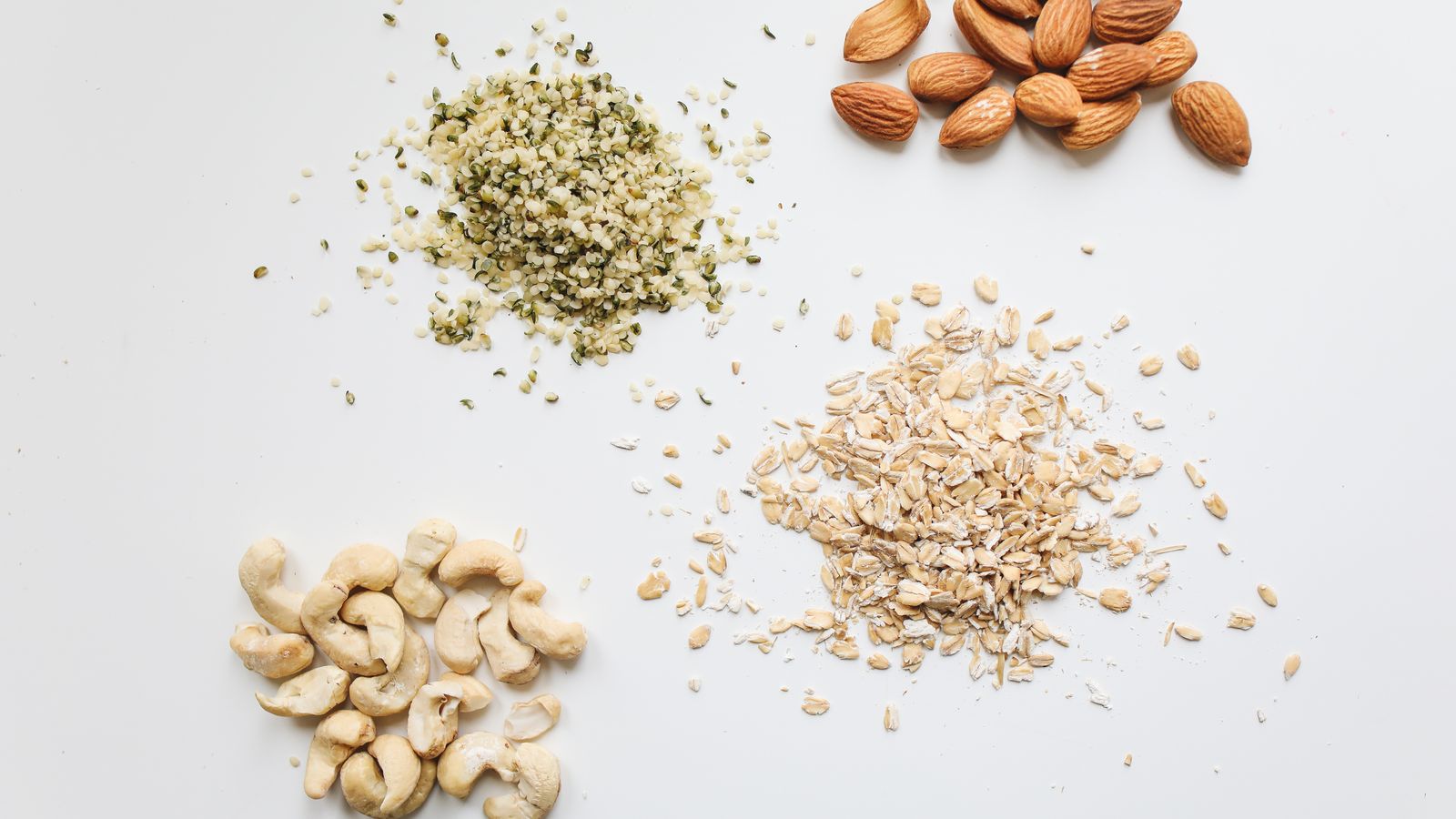
Executive Summary
A nonprofit organization spent $9,379 to commission the first comprehensive nutritional analysis of whole hemp plant biomass as food, filling a gap federal agencies have left empty for decades. The Food First Initiative, a 501(c)(3) organization, contracted with AGQ USA and Eurofins laboratories in May 2026 to test federally compliant hemp biomass for its nutritional profile. The results showed measurable protein, dietary fiber, calcium, potassium, and seven essential amino acids in whole plant material—data that does not exist in USDA's FoodData Central database. While USDA published a nutritional profile for hulled hemp seeds in 2018, no federal agency has studied or published nutritional data for whole hemp plant material despite the crop's legalization under the 2018 Farm Bill. This grassroots effort highlights a regulatory vacuum where hemp remains legal to grow but largely unstudied as a direct food source, creating uncertainty for food manufacturers, farmers seeking new markets, and consumers interested in plant-based nutrition.Why This Matters
The absence of federal nutritional data for whole hemp biomass creates a regulatory blind spot affecting farmers, food manufacturers, investors, and millions of health-conscious consumers. The hemp food market reached $1.2 billion in U.S. retail sales in 2025, according to the Hemp Industries Association, but nearly all products derive from hemp seeds or seed oil. Whole plant hemp—leaves, flowers, and stalks—remains an untapped food resource despite containing cannabinoids, terpenes, and nutrients not present in seeds alone. Without USDA nutritional data, food manufacturers cannot make FDA-compliant nutrition facts labels for whole hemp products. This regulatory gap prevents the development of hemp-based protein powders, flours, and supplements that could compete with soy, pea, and whey protein products in the $7.8 billion U.S. plant-based protein market. For farmers, the stakes are economic survival. Hemp cultivation expanded rapidly after the 2018 Farm Bill, but commodity prices collapsed from $40 per pound in 2019 to under $1 per pound by 2024 as CBD markets saturated. Food applications represent a potential lifeline, but without federal nutritional standards, most biomass ends up as animal bedding or compost. The Food First Initiative's $9,379 study cost less than one-tenth of typical USDA Agricultural Research Service studies, raising questions about why federal agencies have not prioritized this research despite hemp's legal status for eight years. Consumer interest in hemp nutrition is substantial. Google Trends data shows searches for "hemp protein" increased 340% between 2018 and 2026, while "hemp nutrition" queries grew 280% in the same period. Yet consumers face a confusing marketplace where hemp seed products carry USDA-verified nutrition labels while whole plant products exist in regulatory limbo.Background and History
Hemp's journey from prohibited crop to legal-but-unstudied food source spans nearly a century of federal policy reversals.Pre-Prohibition Era (Pre-1937)
Hemp cultivation in North America dates to the 1600s, when colonial governments in Virginia and Massachusetts required farmers to grow it for rope and textile fiber. George Washington and Thomas Jefferson both cultivated hemp at Mount Vernon and Monticello. While industrial fiber dominated production, hemp seeds appeared in regional diets, particularly among German and Eastern European immigrant communities who used them in porridges and baked goods. No formal nutritional studies existed, but hemp seeds were recognized as a protein and oil source in agricultural extension publications from the 1920s.Federal Prohibition (1937-2014)
The Marihuana Tax Act of 1937 effectively ended commercial hemp production by imposing prohibitive taxes and registration requirements on all Cannabis cultivation, making no distinction between psychoactive and non-psychoactive varieties. The Controlled Substances Act of 1970, codified at 21 U.S.C. § 812, classified all Cannabis as a Schedule I substance, cementing hemp's illegal status for 44 years. During this period, U.S. nutritional research on hemp ceased entirely. Canadian researchers published hemp seed nutritional profiles in the 1990s after Canada legalized industrial hemp in 1998, but U.S. federal agencies conducted no comparable studies. The DEA maintained that all Cannabis plant parts remained Schedule I controlled substances, including sterilized seeds. This position created a legal paradox: hemp seed oil and hulled seeds entered U.S. commerce as imports from Canada and China, but domestic cultivation remained federally prohibited. In 2004, the Ninth Circuit Court ruled in Hemp Industries Association v. DEA that non-psychoactive hemp products containing no THC fell outside DEA jurisdiction, allowing hemp seed food imports to continue.The 2014 Farm Bill Pilot Era
The Agricultural Act of 2014, Section 7606, authorized state departments of agriculture and higher education institutions to conduct hemp research pilot programs. This provision, championed by Senate Majority Leader Mitch McConnell of Kentucky, allowed limited cultivation for research purposes in states that legalized hemp. Between 2014 and 2018, 41 states established pilot programs, and U.S. hemp acreage grew from zero to approximately 78,000 acres. However, the pilot program language restricted hemp to "research purposes," creating legal ambiguity about commercial food applications. USDA's Agricultural Research Service did not initiate nutritional studies of hemp during this period, focusing instead on agronomy and fiber applications.The 2018 Farm Bill and Legalization
The Agriculture Improvement Act of 2018, signed December 20, 2018, removed hemp from the Controlled Substances Act definition of marijuana. Section 10113 defined hemp as Cannabis sativa L. containing no more than 0.3% delta-9 THC on a dry weight basis. The law explicitly legalized hemp cultivation, processing, and sale, and removed restrictions on hemp's use in food, cosmetics, and dietary supplements. USDA received authority to regulate hemp production through licensed state and tribal programs or a federal plan. The 2018 Farm Bill directed USDA to establish hemp production regulations but included no mandate for nutritional research. FDA retained authority over hemp in food and dietary supplements under the Federal Food, Drug, and Cosmetic Act. In a statement issued December 20, 2018, FDA Commissioner Scott Gottlieb said the agency would treat hemp-derived CBD in food and supplements as requiring premarket approval, but made no mention of whole hemp plant material as food.Post-Legalization Regulatory Vacuum (2019-2026)
USDA published its Interim Final Rule for hemp production on October 31, 2019, establishing testing protocols, licensing requirements, and disposal procedures for non-compliant plants. The rule focused entirely on production and THC compliance, with no provisions for food safety or nutritional standards. USDA's Final Rule, effective March 22, 2021, maintained this production-only focus. FDA held public hearings on hemp-derived CBD in food and dietary supplements on May 31, 2019, but issued no regulations or guidance documents. As of May 2026, FDA's position remains that CBD is an excluded substance under 21 U.S.C. § 321(ff)(3)(B) because it was investigated as a drug (Epidiolex) before being marketed as a dietary supplement. This position does not address whole hemp plant material containing naturally occurring cannabinoid levels, creating legal uncertainty. USDA's FoodData Central database, the federal government's primary nutritional reference, added an entry for "Seeds, hemp seed, hulled" in April 2018 (FDC ID 169593). This entry lists protein (31.56g per 100g), fat (48.75g), and micronutrient content based on industry-submitted data. No entry exists for hemp leaves, flowers, or whole plant material. Agricultural Research Service researchers published studies on hemp agronomy, pest management, and fiber quality between 2019 and 2026, but no peer-reviewed nutritional analyses of whole hemp biomass appear in federal research databases.The Food First Initiative Study (May 2026)
The Food First Initiative, a nonprofit organization founded in 2024 and based in Oregon, commissioned nutritional testing of whole hemp plant biomass in May 2026. The organization contracted with AGQ USA, a laboratory in Oxnard, California, and Eurofins Scientific, a global testing network, to analyze federally compliant hemp samples (below 0.3% delta-9 THC) for macronutrients, minerals, amino acids, and vitamins. Total project cost was $9,379, covering sample preparation, laboratory analysis, and third-party verification. Results showed protein content of 18.2g per 100g dry weight, dietary fiber of 32.7g per 100g, calcium (1,450mg per 100g), potassium (1,380mg per 100g), and detectable levels of seven essential amino acids including leucine, lysine, and valine. The study represents the first publicly available comprehensive nutritional profile of whole hemp plant material conducted to U.S. laboratory standards.Key Players
Food First Initiative
The Food First Initiative operates as a 501(c)(3) nonprofit organization focused on expanding food applications for agricultural crops in regulatory limbo. The organization's May 2026 hemp study was funded through private donations and foundation grants. By commissioning independent laboratory analysis, Food First Initiative created a nutritional dataset that food manufacturers can reference in product development, though the data lacks USDA's official imprimatur for nutrition facts labeling purposes.USDA Agricultural Research Service
The Agricultural Research Service (ARS) is USDA's chief scientific research agency, operating with a fiscal year 2026 budget of $1.84 billion. ARS maintains the FoodData Central database and conducts nutritional research on crops ranging from quinoa to kale. Despite hemp's legalization in 2018, ARS has not published nutritional studies of whole hemp plant material. ARS researchers have published agronomic studies on hemp cultivation in Kentucky, North Carolina, and Colorado, focusing on yield optimization and pest resistance.FDA Center for Food Safety and Applied Nutrition
FDA's Center for Food Safety and Applied Nutrition (CFSAN) regulates food additives, dietary supplements, and nutrition labeling under 21 U.S.C. § 301 et seq. CFSAN has issued no guidance documents on whole hemp plant material in food, though the agency has sent warning letters to companies marketing CBD-infused foods. FDA's position that CBD requires premarket approval as a food ingredient does not explicitly address whole hemp biomass containing naturally occurring cannabinoid levels, but the agency has not clarified whether such products fall under existing food safety regulations or require novel food approvals.Hemp Industries Association
The Hemp Industries Association, a trade organization founded in 1994, represents hemp food manufacturers, farmers, and processors. The association advocated for hemp legalization throughout the 2000s and 2010s, and currently lobbies for FDA guidance on hemp food products. The association's members primarily produce hemp seed oil, hulled seeds, and protein powder derived from seeds, with limited whole plant food products due to regulatory uncertainty.AGQ USA and Eurofins Scientific
AGQ USA and Eurofins Scientific are ISO 17025-accredited laboratories that conduct nutritional analysis, contaminant testing, and cannabinoid profiling for the food and cannabis industries. Both laboratories participated in the Food First Initiative study, providing independent verification of hemp biomass nutritional content using standard AOAC International methods for protein (combustion method 990.03), fiber (enzymatic-gravimetric method 991.43), and mineral analysis (ICP-MS method 2011.14).Legal and Regulatory Framework
Hemp as food exists in a complex regulatory space where cultivation is legal under agricultural law but food applications remain largely unaddressed by federal food safety agencies. The Agriculture Improvement Act of 2018, 7 U.S.C. § 1639o et seq., defines hemp as Cannabis sativa L. with delta-9 THC concentration of not more than 0.3% on a dry weight basis. This definition applies to "the plant Cannabis sativa L. and any part of that plant, including the seeds thereof and all derivatives, extracts, cannabinoids, isomers, acids, salts, and salts of isomers." The statute explicitly states that hemp is not a controlled substance under 21 U.S.C. § 802(16), removing it from Schedule I of the Controlled Substances Act. Section 10113 of the 2018 Farm Bill amended the Federal Food, Drug, and Cosmetic Act to clarify that hemp and hemp-derived products are not excluded from food or dietary supplement definitions solely because they are Cannabis. However, this provision does not override FDA's authority to regulate food ingredients under 21 U.S.C. § 348 (food additives) or 21 U.S.C. § 321(ff) (dietary supplements). FDA's position, articulated in a May 31, 2019 statement by Principal Deputy Commissioner Amy Abernethy, is that CBD is excluded from the dietary supplement definition under 21 U.S.C. § 321(ff)(3)(B)(ii) because it was the subject of substantial clinical investigations (for Epidiolex, approved June 25, 2018) before being marketed as a supplement. This exclusion applies specifically to CBD, not to whole hemp plant material. FDA has not issued guidance on whether whole hemp biomass containing naturally occurring cannabinoids at levels below 0.3% THC requires premarket approval as a novel food ingredient. The Federal Food, Drug, and Cosmetic Act, 21 U.S.C. § 343, requires nutrition facts labeling for most packaged foods. These labels must reflect values from USDA's FoodData Central database or from manufacturer-conducted nutritional analysis using AOAC International methods. Without a USDA reference entry for whole hemp plant material, manufacturers must conduct their own testing and maintain documentation to support label claims—a costly barrier for small producers. The Nutrition Labeling and Education Act of 1990, which mandated nutrition facts panels, established a framework where USDA Agricultural Research Service conducts nutritional studies of common foods and publishes reference values. Foods without USDA reference data can still be labeled based on manufacturer testing, but the absence of federal data creates liability concerns and complicates FDA compliance. State laws add another layer of complexity. California's Proposition 65 (Safe Drinking Water and Toxic Enforcement Act) requires warnings for products containing chemicals known to cause cancer or reproductive harm, including THC. Even though hemp contains less than 0.3% THC, some legal interpretations suggest Proposition 65 warnings may be required for whole plant hemp foods sold in California. Massachusetts regulations at 330 CMR 27.00 prohibit adding hemp-derived cannabinoids to food products, though the regulations do not explicitly address whole plant hemp as an ingredient. New York's Department of Agriculture and Markets issued guidance in October 2022 allowing hemp extracts in food but requiring manufacturers to demonstrate cannabinoid content remains below specified thresholds.State-by-State Breakdown
Hemp food regulations vary dramatically across states, with some embracing whole plant applications and others maintaining restrictive interpretations.California
California legalized hemp cultivation under the California Industrial Hemp Farming Act in 2016, predating federal legalization. The California Department of Food and Agriculture regulates hemp production through a USDA-approved state plan effective January 1, 2022. California's Proposition 65 creates unique labeling challenges for hemp foods containing any detectable THC, potentially requiring cancer and reproductive harm warnings even for federally compliant hemp. The California Department of Public Health has not issued specific guidance on whole hemp plant material in food, but enforces FDA's position on CBD as a food ingredient. Hemp seed products are widely available in California retail, but whole plant hemp foods remain rare due to regulatory uncertainty.Colorado
Colorado established one of the earliest hemp pilot programs in 2014 and transitioned to a USDA-approved state plan in March 2020. The Colorado Department of Agriculture regulates hemp cultivation, while the Colorado Department of Public Health and Environment oversees food safety. Colorado allows hemp-derived CBD in food products under regulations adopted in June 2020, with serving size limits of 10mg CBD per serving. These regulations do not explicitly address whole hemp plant material, but Colorado's relatively permissive stance on hemp-derived ingredients suggests whole plant foods would be allowed if manufacturers can demonstrate safety and accurate labeling. Colorado State University researchers have published studies on hemp agronomy but not nutritional analysis of whole plant material.Kentucky
Kentucky, home state of Senate Majority Leader Mitch McConnell who championed hemp legalization, operates a USDA-approved state plan through the Kentucky Department of Agriculture. Kentucky has focused hemp policy on fiber and grain production rather than food applications. The state's hemp industry peaked at 6,700 licensed acres in 2019 but declined to approximately 2,100 acres by 2025 as CBD prices collapsed. Kentucky has not issued specific regulations on whole hemp plant material in food, defaulting to FDA's federal framework. The University of Kentucky College of Agriculture, Food and Environment conducts hemp research but has not published nutritional studies of whole plant biomass.Oregon
Oregon legalized hemp cultivation in 2009 under its industrial hemp research program and transitioned to a USDA-approved state plan in March 2022. The Oregon Department of Agriculture regulates hemp production, while the Oregon Health Authority oversees food safety. Oregon allows hemp-derived ingredients in food products without specific CBD limits, taking a more permissive approach than most states. The Food First Initiative, which commissioned the May 2026 nutritional study, is based in Oregon. Oregon's hemp acreage declined from 13,000 acres in 2019 to approximately 3,500 acres in 2025, with farmers seeking alternative markets beyond CBD extraction.New York
New York operates a USDA-approved hemp plan through the New York State Department of Agriculture and Markets, effective October 2021. New York regulations at 1 NYCRR Part 1000 allow hemp cultivation but restrict hemp-derived cannabinoids in food products. The Department of Agriculture and Markets issued guidance in October 2022 permitting hemp seed oil and hulled seeds in food but requiring manufacturers to demonstrate that hemp extracts contain no more than trace cannabinoid levels. This interpretation effectively prohibits whole plant hemp foods containing naturally occurring cannabinoids, even if total THC remains below 0.3%. New York's restrictive approach reflects concerns about cannabis edibles in a state where adult-use marijuana is legal but regulated separately from hemp.North Carolina
North Carolina established a hemp pilot program in 2017 and transitioned to a USDA-approved state plan in February 2022. The North Carolina Department of Agriculture and Consumer Services regulates hemp production, with approximately 1,500 licensed acres in 2025. North Carolina State University researchers have published studies on hemp cultivar selection and pest management but not nutritional analysis. North Carolina has not issued specific guidance on whole hemp plant material in food, following FDA's federal framework by default.Texas
Texas legalized hemp cultivation under HB 1325 in 2019 and operates under a USDA-approved state plan administered by the Texas Department of Agriculture. Texas regulations focus on THC compliance in cultivation, with no specific provisions for hemp food products. The Texas Department of State Health Services has not issued guidance on whole hemp plant material in food. Texas's large agricultural sector and food manufacturing industry represent a significant potential market for hemp foods, but regulatory uncertainty has limited product development.Market and Business Implications
The absence of federal nutritional data for whole hemp biomass constrains a potential multi-billion dollar market while farmers struggle with commodity oversupply. The U.S. hemp cultivation industry expanded rapidly after 2018 Farm Bill legalization, with licensed acreage peaking at approximately 146,000 acres in 2019 according to USDA National Agricultural Statistics Service data. By 2025, licensed acreage declined to roughly 54,000 acres as CBD commodity prices collapsed from $40 per pound of biomass in 2019 to under $1 per pound by 2024. This price collapse left farmers with few viable markets: fiber applications require specialized processing infrastructure largely absent in the U.S., and grain (seed) production faces competition from Canadian imports. Food applications for whole hemp plant material could absorb significant biomass supply, but regulatory barriers prevent market development. A 2025 analysis by New Frontier Data estimated that whole plant hemp foods could represent a $2.8 billion market by 2030 if FDA provides regulatory clarity and USDA publishes nutritional reference data. Without this framework, most hemp biomass ends up as animal bedding, compost, or unharvested in fields. For food manufacturers, the lack of USDA nutritional data creates a catch-22. Companies can conduct their own nutritional testing using AOAC International methods and create nutrition facts labels based on those results, but without federal reference data, they face higher liability risk if label values are challenged. The Food First Initiative's $9,379 study provides a reference point, but manufacturers typically require multiple rounds of testing across different cultivars and growing conditions to establish reliable average values—costs that small and mid-size companies struggle to justify without regulatory certainty. The plant-based protein market provides context for hemp's potential. U.S. retail sales of plant-based protein products reached $7.8 billion in 2025, according to the Plant Based Foods Association, with pea protein, soy protein, and rice protein dominating the category. Hemp protein powder derived from seeds captured approximately 3% of this market, or roughly $234 million in sales. Whole plant hemp, with its protein content of 18.2g per 100g according to the Food First Initiative study, could compete in this space if regulatory barriers were removed. Hemp's amino acid profile includes all nine essential amino acids, making it a complete protein source comparable to soy. Investment in hemp food companies has been constrained by regulatory uncertainty. Venture capital funding for hemp and CBD companies peaked at $1.2 billion in 2019, according to PitchBook data, but declined to approximately $180 million in 2025 as investors grew wary of the regulatory vacuum. Food-focused hemp companies received less than 10% of total hemp investment, with most capital flowing to CBD extraction and pharmaceutical applications. The absence of federal nutritional standards makes it difficult for hemp food companies to attract institutional investment or secure retail distribution with major grocery chains. Multi-state operators (MSOs) in the cannabis industry have largely avoided hemp food products despite vertical integration opportunities. Companies like Curaleaf, Trulieve, and Green Thumb Industries focus on THC-containing cannabis products in state-legal markets, where regulatory frameworks are clearer and profit margins higher. Hemp's regulatory ambiguity and low commodity prices make it unattractive compared to adult-use cannabis, even though hemp's federal legal status theoretically allows interstate commerce and national distribution. The international market provides a contrast. Canada's Food and Drug Regulations were amended in 2018 to allow hemp seeds, hemp seed oil, and hemp seed protein as food ingredients, with Health Canada publishing nutritional reference data. European Union regulations under Novel Food Regulation (EU) 2015/2283 require premarket approval for whole hemp plant material in food, but several companies have obtained authorization for specific hemp flower extracts and preparations. These international frameworks demonstrate regulatory pathways that the U.S. has not pursued.What Experts Say
Researchers, industry advocates, and policy analysts describe the federal government's failure to study hemp nutrition as a missed opportunity with significant economic and public health implications. Hemp nutrition researchers at Canadian universities have published extensively on hemp seed protein quality and digestibility since the 1990s. According to research published in the Journal of Agricultural and Food Chemistry, hemp seed protein has a protein digestibility-corrected amino acid score (PDCAAS) of 0.46 to 0.51, lower than soy (0.91) but comparable to many grain proteins. However, no comparable peer-reviewed research exists on whole hemp plant protein because U.S. federal research agencies have not funded such studies and Canadian regulations focus on seeds rather than whole plant material. Agricultural economists note that hemp's economic viability depends on developing diverse revenue streams beyond CBD extraction. A 2024 report by the University of Kentucky College of Agriculture, Food and Environment found that hemp farmers need at least three market outlets—such as fiber, grain, and food ingredients—to achieve profitability at current commodity prices. The report emphasized that food applications for whole plant material could provide this third revenue stream, but regulatory uncertainty prevents market development. Food safety experts emphasize that whole hemp plant material would need to meet the same safety standards as any food ingredient. According to food safety protocols under 21 CFR Part 117 (Current Good Manufacturing Practice, Hazard Analysis, and Risk-Based Preventive Controls for Human Food), manufacturers would need to test for heavy metals, pesticide residues, microbial contamination, and mycotoxins. Hemp's phytoremediation properties—its ability to absorb heavy metals from soil—create particular concerns about cadmium and lead accumulation. The Food First Initiative study included heavy metals testing, finding cadmium levels of 0.08 mg/kg and lead levels of 0.12 mg/kg, both below FDA action levels for leafy greens. Nutrition scientists point to hemp's potential micronutrient contributions. The Food First Initiative study found calcium content of 1,450 mg per 100g in whole hemp plant material, comparable to collard greens (1,400 mg per 100g) and significantly higher than kale (254 mg per 100g). Potassium content of 1,380 mg per 100g exceeds spinach (558 mg per 100g). These values suggest whole hemp could contribute meaningfully to mineral intake if incorporated into foods, but without USDA reference data, manufacturers cannot make nutrient content claims like "excellent source of calcium" on labels. Industry advocates argue that USDA's failure to study hemp nutrition reflects institutional inertia rather than scientific barriers. The Hemp Industries Association has noted that USDA Agricultural Research Service conducts nutritional studies of crops with far smaller acreage and economic impact than hemp. For example, USDA published nutritional data for teff (an Ethiopian grain) in 2015 when U.S. teff acreage was approximately 50,000 acres—comparable to current hemp acreage. The association has called for Congressional appropriations language directing USDA to conduct hemp nutrition research, but no such language has been included in agriculture appropriations bills through fiscal year 2026. Policy analysts describe the situation as a regulatory gap where hemp's legal status changed faster than agency capacity to study and regulate it. A 2025 report by the Congressional Research Service noted that FDA received no additional appropriations to address hemp oversight after the 2018 Farm Bill, while USDA's hemp program focused entirely on production regulation rather than food applications. The report suggested that absent Congressional direction or appropriations, federal agencies are unlikely to prioritize hemp nutrition research.What's Next
The path forward for hemp as food depends on whether federal agencies act, Congress intervenes, or industry develops workarounds through state-level regulation and private research. The Food First Initiative's May 2026 study creates a precedent for privately funded hemp nutrition research. If other nonprofits, universities, or industry groups conduct similar studies and publish results, a body of peer-reviewed literature could emerge that effectively substitutes for federal research. This bottom-up approach would allow food manufacturers to cite multiple independent studies when developing nutrition facts labels, reducing liability concerns even without USDA reference data. However, this approach requires coordination and funding that may be difficult to sustain without industry consolidation or philanthropic support. Congressional action remains possible. The 2028 Farm Bill, expected to be debated in 2027, could include language directing USDA Agricultural Research Service to conduct nutritional studies of hemp plant material and publish results in FoodData Central. Hemp-state legislators, particularly from Kentucky, Oregon, and North Carolina, have incentives to push for such provisions. However, farm bill negotiations typically prioritize commodity programs, crop insurance, and nutrition assistance, with specialty crop research receiving limited attention. FDA could issue guidance documents clarifying its position on whole hemp plant material in food. The agency has issued guidance on numerous food ingredients and novel foods through its Generally Recognized as Safe (GRAS) notification program and food additive petition process. A guidance document stating that whole hemp plant material containing naturally occurring cannabinoids below 0.3% THC does not require premarket approval would remove significant regulatory uncertainty. However, FDA has shown limited interest in proactive hemp regulation, focusing enforcement resources on CBD-infused products making therapeutic claims rather than whole plant foods. State-level innovation may drive federal action. If states like Oregon, Colorado, or California develop robust regulatory frameworks for whole hemp plant foods and demonstrate safety through state-level monitoring, FDA may adopt similar approaches at the federal level. This pattern occurred with hemp seed foods, which were sold in states for years before FDA effectively recognized them as safe through non-objection to their presence in commerce. The 2026-2027 calendar includes several potential decision points. USDA's National Agricultural Statistics Service will release 2026 hemp acreage data in February 2027, providing updated information on industry size. FDA's fiscal year 2027 budget request, submitted to Congress in March 2027, may include hemp oversight funding requests. The National Hemp Association's annual conference in September 2027 will likely feature discussions of food applications and regulatory strategy. Market forces may also drive change. If a major food manufacturer—such as a plant-based protein company or a national grocery chain's private label division—decides to launch whole hemp plant products, the company's regulatory and legal resources could push FDA and USDA toward clarification. Large companies have successfully obtained FDA GRAS determinations for novel ingredients in the past, creating regulatory pathways that smaller companies then follow. International developments could influence U.S. policy. If European Union member states approve additional whole hemp plant food applications under Novel Food regulations, or if Canada expands its hemp food regulations beyond seeds, U.S. agencies may face pressure to harmonize regulations to facilitate trade. The U.S.-Mexico-Canada Agreement (USMCA), which replaced NAFTA in 2020, includes provisions for regulatory cooperation on agricultural products that could apply to hemp foods.Further Reading
- Agriculture Improvement Act of 2018, Public Law 115-334, Section 10113 (Hemp Production) - https://www.congress.gov/bill/115th-congress/house-bill/2/text
- USDA Agricultural Marketing Service, U.S. Domestic Hemp Production Program - https://www.ams.usda.gov/rules-regulations/hemp
- USDA FoodData Central, Seeds, hemp seed, hulled (FDC ID 169593) - https://fdc.nal.usda.gov/fdc-app.html#/food-details/169593/nutrients
- FDA Statement on Regulation of Cannabis and Cannabis-Derived Products, May 31, 2019 - https://www.fda.gov/news-events/public-health-focus/fda-regulation-cannabis-and-cannabis-derived-products-including-cannabidiol-cbd
- 21 U.S.C. § 812, Controlled Substances Act, Schedules of Controlled Substances - https://www.deadiversion.usdoj.gov/21cfr/21usc/812.htm
- 7 U.S.C. § 1639o et seq., Hemp Production statutory authority - https://uscode.house.gov/view.xhtml?req=granuleid:USC-prelim-title7-section1639o
- Hemp Industries Association v. DEA, 357 F.3d 1012 (9th Cir. 2004) - https://caselaw.findlaw.com/court/us-9th-circuit/1192430.html
- AOAC International Official Methods of Analysis, Method 990.03 (Protein by Combustion) - https://www.aoac.org/official-methods-of-analysis/
- Congressional Research Service, Hemp as an Agricultural Commodity (R44742), updated February 2025 - https://crsreports.congress.gov/product/pdf/R/R44742
- National Agricultural Statistics Service, Hemp Acreage and Production Reports - https://www.nass.usda.gov/Statistics_by_Subject/index.php?sector=CROPS
- Journal of Agricultural and Food Chemistry, Hemp Seed Protein Quality and Digestibility Studies - https://pubs.acs.org/journal/jafcau
- 21 CFR Part 117, Current Good Manufacturing Practice, Hazard Analysis, and Risk-Based Preventive Controls for Human Food - https://www.ecfr.gov/current/title-21/chapter-I/subchapter-B/part-117
Frequently asked questions
What nutritional benefits does hemp provide as a food source?
Hemp seeds contain approximately 25-30% protein by weight with all nine essential amino acids, making them a complete protein source. They provide omega-3 and omega-6 fatty acids in a beneficial 3:1 ratio, approximately 20% of the seed by weight. Hemp seeds also contain significant dietary fiber, vitamin E, magnesium, phosphorus, potassium, iron, zinc, and B vitamins. Recent nonprofit testing of whole hemp biomass has confirmed measurable protein, dietary fiber, calcium, potassium, and seven essential amino acids in federally compliant plant material.
Is hemp food legal in the United States?
Hemp seeds and hemp seed-derived products like hemp oil, hemp protein powder, and hulled hemp seeds have been legal to sell as food in the U.S. since 2004. The 2018 Farm Bill federally legalized hemp cultivation (cannabis with less than 0.3% THC) and removed hemp from the Controlled Substances Act. However, the FDA has not established comprehensive food safety regulations for whole hemp plant biomass or hemp extracts as food ingredients, creating regulatory ambiguity for some hemp food products beyond traditional seed-based items.
Why hasn't the USDA created a nutritional profile for whole hemp plant biomass?
The USDA's FoodData Central database includes hulled hemp seeds from a 2018 entry but lacks nutritional profiles for whole hemp plant material. Federal research on hemp as food has been limited due to historical cannabis prohibition and regulatory complexity. The 2018 Farm Bill legalized hemp cultivation but did not mandate nutritional research. In 2026, the nonprofit Food First Initiative commissioned independent laboratory testing from AGQ USA and Eurofins for approximately $9,379 to fill this research gap, demonstrating that comprehensive nutritional analysis can be conducted affordably without federal funding.
What is the difference between hemp seeds and whole hemp biomass as food?
Hemp seeds are the small, nutty-flavored seeds harvested from hemp plants, typically sold hulled or with shells intact. They contain concentrated protein, healthy fats, and minerals. Whole hemp biomass refers to the entire plant material including leaves, flowers, and stalks, which contains additional fiber, cannabinoids like CBD, and different nutrient ratios. Hemp seeds have established regulatory status and nutritional data, while whole plant biomass lacks comprehensive federal nutritional profiles and clear food safety guidelines despite containing measurable nutrients according to recent independent testing.
Can you get high from eating hemp food products?
No, legal hemp food products cannot produce intoxication. Federal law defines hemp as cannabis containing 0.3% or less delta-9 THC by dry weight, far below psychoactive thresholds. Hemp seeds naturally contain only trace amounts of cannabinoids since they develop inside protective shells. While whole hemp plant material may contain CBD and trace THC, federally compliant hemp foods remain non-intoxicating. However, consumers should verify products meet federal THC limits and purchase from reputable sources with third-party testing to ensure compliance.
What hemp food products are currently available on the market?
Common hemp food products include hulled hemp seeds (hemp hearts), hemp seed oil, hemp protein powder, hemp milk, hemp flour, and hemp-based snack bars. Hemp seeds are added to smoothies, salads, yogurt, and baked goods. Hemp protein powder serves as a plant-based protein supplement. Hemp oil is used in salad dressings and as a finishing oil. Emerging products include hemp-based meat alternatives, hemp pasta, hemp butter, and beverages containing hemp extracts. The market continues expanding as consumer awareness of hemp's nutritional benefits grows.
Are there any safety concerns with consuming hemp as food?
Hemp seeds and established hemp food products are generally recognized as safe with minimal adverse effects reported. Potential concerns include allergic reactions in sensitive individuals, though hemp allergies are relatively rare. Hemp seeds are high in fat and calories, requiring portion awareness. Products should be stored properly to prevent rancidity of omega fatty acids. The primary safety concern involves regulatory gaps for whole plant hemp biomass, which lacks comprehensive federal safety standards. Consumers should purchase tested products from reputable manufacturers and verify THC compliance to avoid unintended cannabinoid consumption.
How does hemp protein compare to other plant-based protein sources?
Hemp protein is a complete protein containing all nine essential amino acids, unlike many plant proteins that lack one or more. Hemp provides approximately 10 grams of protein per 3-tablespoon serving of seeds, comparable to chia or flax seeds. Hemp protein is more digestible than soy for some individuals and contains beneficial fiber. Unlike pea or rice protein, hemp provides omega-3 fatty acids. Hemp protein powder typically contains 50-70% protein by weight, lower than isolated soy or pea protein (80-90%) but with more fiber and minerals, making it nutritionally dense rather than just protein-concentrated.
What role are nonprofits and industry groups playing in hemp food research?
With limited federal research funding, nonprofits like Food First Initiative are commissioning independent laboratory testing to establish nutritional profiles for hemp biomass. Their 2026 study cost approximately $9,379 and confirmed measurable protein, fiber, minerals, and essential amino acids in whole hemp plant material through AGQ USA and Eurofins laboratories. Industry associations are funding safety studies, advocating for clear FDA regulations, and developing quality standards. These private-sector efforts are filling research gaps, generating data for regulatory submissions, and building the scientific foundation needed for broader hemp food acceptance and standardized safety protocols.
What is the environmental impact of hemp as a food crop?
Hemp is considered an environmentally sustainable food crop requiring minimal pesticides due to natural pest resistance. It grows rapidly, reaching maturity in 90-120 days, and produces high yields per acre. Hemp cultivation improves soil health through deep root systems that prevent erosion and phytoremediation properties that can remove soil contaminants. Hemp requires less water than many conventional crops. The entire plant is usable, minimizing agricultural waste. However, environmental benefits depend on farming practices, and hemp's phytoremediation ability means crops grown on contaminated soil require testing to ensure food safety.
How is the FDA regulating hemp-derived food ingredients?
The FDA maintains authority over food safety for hemp products despite the 2018 Farm Bill's hemp legalization. The agency has approved hemp seed ingredients (hulled seeds, hemp seed protein, and hemp seed oil) as Generally Recognized As Safe (GRAS) for specific uses. However, the FDA has not established comprehensive regulations for CBD or other cannabinoids in food, creating regulatory uncertainty. The agency has issued warning letters to companies making unapproved health claims about hemp foods. The FDA continues evaluating safety data and has not created a regulatory pathway for whole hemp biomass as a food ingredient.
What does the future hold for hemp as a mainstream food source?
Hemp food market growth is projected to continue as consumer demand for plant-based proteins and sustainable foods increases. Regulatory clarity from the FDA regarding whole plant hemp and cannabinoid-containing foods would accelerate market expansion. Ongoing research by nonprofits and industry groups is building the scientific foundation for broader acceptance. Technological advances in hemp processing may improve taste, texture, and applications. International markets, particularly in Canada and Europe where hemp food regulations are more established, provide models for U.S. development. Mainstream adoption depends on resolving regulatory gaps, continued safety research, and consumer education about hemp's nutritional benefits.
The cannabis newsletter you forward to your team.
Federal policy, market data, grower alerts, and the one story that matters today. Sent every weekday at 7am. Free.
No spam. Unsubscribe with one click. 21+ only.