Florida CBD and Hemp Regulation: Laws, Licensing, and Market Access
Florida's CBD and hemp industry operates under a complex regulatory framework shaped by the 2018 Farm Bill, state legislation, and ongoing enforcement debates. This hub covers Florida's hemp cultivation licensing through the Department of Agriculture, THC concentration limits for legal CBD products, retail compliance requirements, and recent legislative proposals that could restrict hemp-derived intoxicating cannabinoids. Understanding Florida's evolving rules is essential for cultivators, manufacturers, retailers, and consumers navigating the state's legal CBD market amid potential regulatory changes.
Executive Summary
Florida's hemp-derived CBD industry faces an existential regulatory crisis in 2026 as state lawmakers and regulators move to restrict or eliminate products containing cannabidiol and other hemp cannabinoids from retail shelves. The triggering event centers on proposed legislation and regulatory action that would ban or severely limit CBD drinks, gummies, oils, and other consumer products currently sold in gas stations, health food stores, and specialty retailers across the Sunshine State. This regulatory shift threatens a market estimated at over $500 million annually in Florida alone, affecting thousands of small businesses, farmers, and consumers who rely on hemp-derived products for wellness purposes. The crackdown stems from concerns about intoxicating hemp products containing delta-8 THC and other psychoactive cannabinoids that emerged following the 2018 Farm Bill, but the proposed restrictions would sweep up traditional CBD products in their scope. Florida's approach reflects a broader national tension between federal hemp legalization under the Agriculture Improvement Act of 2018 and state-level efforts to regulate or prohibit hemp-derived intoxicants that blur the line between legal hemp and controlled marijuana.The regulatory uncertainty has created chaos for Florida's hemp industry, with retailers unsure whether to continue stocking products, processors halting production runs, and farmers questioning future planting decisions. Consumer advocacy groups argue that eliminating access to CBD products would harm Floridians who use cannabidiol for anxiety, pain management, and sleep disorders, forcing them toward pharmaceutical alternatives or unregulated black markets. Industry stakeholders estimate that more than 3,000 Florida businesses derive significant revenue from hemp-derived CBD sales, employing approximately 15,000 workers statewide. The regulatory battle also intersects with Florida's ongoing debate over adult-use marijuana legalization, with medical marijuana operators supporting hemp restrictions to protect their licensed market position while hemp advocates argue for a regulated framework that preserves consumer access to non-intoxicating CBD products.
The outcome of Florida's hemp regulation debate will establish precedent for how states navigate the complex intersection of federal hemp law, state cannabis policy, and consumer protection. With implementation timelines potentially measured in months rather than years, the Florida hemp industry faces an urgent need for clarity on product formulations, potency limits, testing requirements, and retail restrictions that will determine whether CBD products remain available to the state's 22 million residents.
Why This Matters
Florida's hemp regulation decisions will impact consumer access, business viability, and regulatory precedent across the nation's third-largest state economy. The stakes extend far beyond the hemp industry itself, touching public health policy, agricultural economics, small business survival, and the broader question of how states should regulate cannabis-adjacent products in the post-2018 Farm Bill era.For consumers, the proposed restrictions threaten to eliminate legal access to CBD products that millions of Americans use daily. Approximately 1.2 million Florida residents report regular use of CBD products according to industry surveys, with the majority consuming cannabidiol for wellness purposes rather than intoxication. These consumers include elderly Floridians managing chronic pain, veterans addressing PTSD symptoms, and working professionals using CBD for stress management. Eliminating retail access would force these consumers toward prescription pharmaceuticals, the state's medical marijuana program requiring doctor certification and registry fees, or unregulated online sources with unknown product quality.
The economic impact centers on Florida's hemp farming sector, which expanded rapidly following federal legalization. The state's warm climate and long growing season make Florida ideal for hemp cultivation, with over 8,000 acres licensed for hemp production as of 2025. Hemp farmers invested millions in land preparation, genetics, irrigation systems, and processing infrastructure based on the legal framework established by the 2018 Farm Bill and Florida's implementing statutes. A sudden regulatory reversal would strand these investments and potentially force farm foreclosures, particularly among smaller operators who lack diversified crop portfolios.
Retailers face immediate inventory and revenue crises. Gas stations and convenience stores across Florida added CBD products to their shelves as a high-margin category that drives foot traffic and basket size. Health food stores and wellness boutiques built entire business models around hemp-derived products. Industry estimates suggest Florida retailers hold $75-100 million in CBD inventory at any given time, representing products that could become unsaleable overnight if regulations change without transition periods or grandfather clauses. Small business owners who signed leases, hired employees, and secured financing based on hemp revenue projections face potential bankruptcy if their primary product category disappears.
The regulatory precedent matters nationally because Florida's approach will influence other states wrestling with similar questions. As the third-most-populous state with a conservative political culture and a substantial tourism economy, Florida's decisions carry weight in state capitals from Texas to Georgia. If Florida successfully restricts hemp-derived intoxicants while preserving access to traditional CBD products, other states may adopt similar frameworks. Conversely, if Florida implements a blanket ban that eliminates the entire hemp-derived cannabinoid market, prohibitionist lawmakers elsewhere will cite Florida as justification for their own crackdowns.
Background and History
Florida's hemp regulation story begins with federal prohibition, evolves through limited pilot programs, and explodes into a multimillion-dollar industry following the 2018 Farm Bill. Understanding the current crisis requires tracing the legal and market developments that created Florida's hemp sector and the regulatory gaps that led to today's crackdown proposals.Federal Prohibition Era (1937-2014)
The Marihuana Tax Act of 1937 effectively prohibited cannabis cultivation in the United States, making no distinction between marijuana and hemp despite their different chemical profiles and uses. This prohibition continued under the Controlled Substances Act of 1970, which classified marijuana as a Schedule I controlled substance under 21 U.S.C. § 812. The CSA's definition of marijuana included all parts of the Cannabis sativa plant, regardless of THC content, creating a legal framework that treated industrial hemp identically to intoxicating marijuana. For decades, American farmers could not legally cultivate hemp while foreign producers, particularly in Canada and China, supplied the U.S. market with hemp fiber, seed, and seed oil for industrial applications.
Florida maintained its own cannabis prohibition under Florida Statutes Chapter 893, which mirrored federal scheduling and defined cannabis broadly to include all varieties of the Cannabis plant. The state's agricultural sector, despite ideal growing conditions for hemp, remained locked out of cultivation due to overlapping federal and state prohibitions. Hemp advocacy groups spent decades arguing that the plant's industrial and nutritional applications justified removing it from controlled substance schedules, but legislative efforts gained little traction until the early 2010s.
Pilot Program Era (2014-2018)
The Agricultural Act of 2014, commonly called the 2014 Farm Bill, created the first legal pathway for hemp cultivation in decades. Section 7606 of that legislation authorized state departments of agriculture and higher education institutions to establish industrial hemp research pilot programs in states that legalized hemp cultivation. The provision defined hemp as Cannabis sativa containing no more than 0.3% delta-9 THC on a dry weight basis, establishing the threshold that remains central to hemp regulation today.
Florida moved cautiously during this period. The state legislature passed CS/SB 1726 in 2017, establishing the Florida Hemp Program under the Department of Agriculture and Consumer Services. However, Florida's pilot program remained limited in scope compared to states like Kentucky and Colorado, which aggressively expanded hemp acreage. Only 21 Florida entities received hemp cultivation permits in 2017, primarily university research programs and a handful of commercial operators testing market viability. The limited scale reflected uncertainty about federal enforcement priorities and questions about whether Florida's climate and soil conditions suited hemp production.
The 2018 Farm Bill Revolution
The Agriculture Improvement Act of 2018, signed into law on December 20, 2018, fundamentally transformed hemp's legal status. Section 10113 of the legislation removed hemp from the Controlled Substances Act's definition of marijuana, explicitly legalizing hemp cultivation, processing, and sales at the federal level. The law maintained the 0.3% delta-9 THC threshold and required states to submit regulatory plans to the U.S. Department of Agriculture for approval, but it clearly established that hemp and hemp-derived products were legal agricultural commodities rather than controlled substances.
The 2018 Farm Bill's passage triggered explosive growth in Florida's hemp sector. The state's Department of Agriculture and Consumer Services expanded the Florida Hemp Program, accepting applications from commercial cultivators, processors, and retailers. Hemp cultivation permits jumped from 21 in 2017 to over 3,000 by 2020, with licensed acreage expanding from a few hundred acres to more than 8,000 acres. Florida farmers, many facing economic pressure from citrus greening disease and development encroachment, viewed hemp as a high-value alternative crop that could generate $30,000-50,000 per acre compared to $3,000-5,000 for traditional row crops.
The CBD Boom (2019-2021)
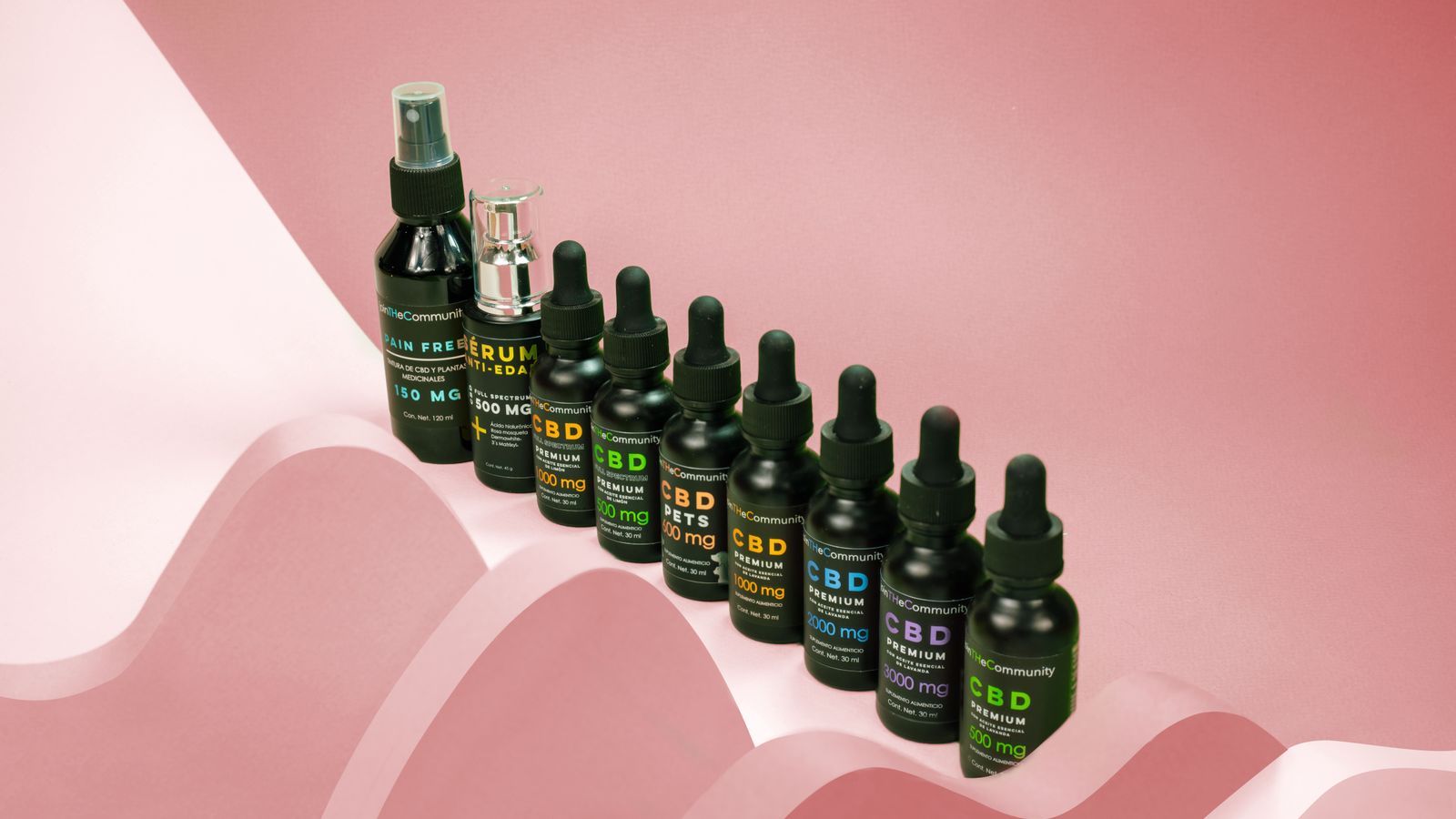
Following federal legalization, CBD products flooded Florida's retail market. Gas stations, convenience stores, health food shops, vape stores, and dedicated CBD boutiques began stocking an array of products: tinctures, gummies, capsules, topical creams, vape cartridges, pet treats, and beverages. The market operated in a regulatory gray zone—hemp-derived CBD was federally legal under the 2018 Farm Bill, but the Food and Drug Administration had not established regulatory frameworks for CBD as a food additive or dietary supplement, having only approved one CBD pharmaceutical product (Epidiolex) for rare forms of epilepsy.
Florida's Department of Agriculture and Consumer Services focused its regulatory efforts on cultivation and processing rather than retail sales, creating a permissive environment for CBD product proliferation. The department required hemp processors to register and submit product samples for testing to verify THC content remained below 0.3%, but enforcement resources were limited and testing requirements focused on delta-9 THC rather than total cannabinoid profiles. This regulatory approach allowed the market to expand rapidly, with industry estimates suggesting Florida's hemp-derived CBD market reached $400-500 million annually by 2021.
The Delta-8 THC Problem (2021-2023)
The regulatory landscape shifted dramatically with the emergence of delta-8 THC products. Delta-8 tetrahydrocannabinol, a psychoactive cannabinoid that occurs naturally in cannabis in trace amounts, can be synthesized from CBD through chemical processes. Manufacturers discovered they could extract CBD from legal hemp, convert it to delta-8 THC through isomerization, and market the resulting products as "legal hemp" because the delta-9 THC content remained below 0.3%. The products produced intoxicating effects similar to marijuana, creating a legal loophole that allowed psychoactive cannabis products to be sold without the regulatory oversight applied to state-licensed marijuana programs.
Delta-8 products proliferated across Florida starting in 2021, joined by delta-10 THC, THC-O acetate, and other semi-synthetic cannabinoids. These products appeared in gas stations and smoke shops with minimal age verification, packaging that appealed to minors, and no regulatory oversight of potency, purity, or safety. Reports of adverse events increased, including emergency room visits by consumers who experienced anxiety, paranoia, and other negative effects from high-potency delta-8 products. Parents and law enforcement officials expressed alarm that intoxicating cannabis products were available to teenagers at corner stores, undermining Florida's controlled marijuana framework.
The Florida Department of Agriculture and Consumer Services issued guidance in 2021 stating that delta-8 THC products violated state law, but enforcement proved difficult. The department lacked clear statutory authority to regulate hemp-derived cannabinoids beyond delta-9 THC testing, and the industry argued that delta-8 products met the federal definition of legal hemp. Court challenges to state enforcement actions created additional uncertainty, with judges reaching different conclusions about whether Florida law prohibited hemp-derived intoxicants.
Legislative Response (2024-2026)
Florida lawmakers introduced multiple bills during the 2024 and 2025 legislative sessions attempting to address hemp-derived intoxicants. These proposals ranged from targeted restrictions on delta-8 and similar compounds to comprehensive bans on all ingestible hemp products containing any cannabinoids. The legislative debates revealed deep divisions: medical marijuana operators supported strict hemp restrictions to protect their licensed market position, hemp industry advocates argued for regulated frameworks that preserved legal products while addressing intoxicants, and consumer groups opposed measures that would eliminate access to CBD products used for wellness purposes.
The 2024 legislative session ended without passing major hemp legislation, but regulatory pressure intensified. The Department of Agriculture and Consumer Services increased enforcement actions against retailers selling delta-8 products, while some local governments enacted their own restrictions. By 2025, over 40 Florida municipalities had passed ordinances restricting or banning hemp-derived intoxicants, creating a patchwork of local regulations that complicated compliance for multi-location retailers.
The current crisis emerged in mid-2026 when Florida lawmakers introduced comprehensive hemp restriction legislation that would ban all ingestible hemp products containing cannabinoids above trace levels. The proposed law would prohibit CBD drinks, gummies, and oils regardless of whether they produce intoxicating effects, sweeping traditional wellness products into the same category as delta-8 intoxicants. Industry advocates argue the legislation is overbroad and would eliminate products that millions of Floridians use safely, while supporters contend that comprehensive restrictions are necessary to close loopholes and protect public health.
Key Players
Florida's hemp regulation debate involves state agencies, industry associations, medical marijuana operators, consumer advocates, and federal regulators, each with distinct interests and positions.Florida Department of Agriculture and Consumer Services
The Department of Agriculture and Consumer Services administers Florida's Hemp Program under the authority granted by state statute and the department's USDA-approved hemp plan. Commissioner Wilton Simpson, who took office in 2023, has expressed concern about intoxicating hemp products while acknowledging the economic importance of Florida's hemp farming sector. The department faces the challenge of enforcing hemp regulations with limited resources while navigating conflicting pressures from industry stakeholders, law enforcement, and consumer advocates. Department officials have testified before legislative committees that current statutory authority is insufficient to effectively regulate the full range of hemp-derived products now available in the market.
Florida Hemp Council
The Florida Hemp Council represents hemp farmers, processors, and retailers across the state. The trade association has advocated for regulatory frameworks that distinguish between intoxicating and non-intoxicating hemp products, proposing potency limits, age restrictions, and testing requirements for products containing psychoactive cannabinoids while preserving access to traditional CBD products. The Council argues that comprehensive bans would destroy legitimate businesses and eliminate consumer access to beneficial products, proposing instead a tiered regulatory system similar to alcohol regulation that allows legal sales with appropriate controls.
Medical Marijuana Treatment Centers
Florida's licensed medical marijuana operators, operating under the state's Amendment 2 framework and Chapter 381 of Florida Statutes, have generally supported restrictions on hemp-derived intoxicants. These vertically integrated companies invested hundreds of millions of dollars in cultivation facilities, processing operations, and dispensaries while operating under strict regulatory oversight including security requirements, testing mandates, and inventory tracking through seed-to-sale systems. Medical marijuana operators argue that allowing intoxicating hemp products to be sold in gas stations without similar oversight creates an uneven playing field and undermines the regulated cannabis framework. Trade associations representing medical marijuana licensees have lobbied for hemp restrictions that would channel intoxicating cannabinoid sales through licensed dispensaries.
Consumer Advocacy Organizations
Groups representing CBD consumers and patients have opposed broad hemp restrictions that would eliminate access to non-intoxicating products. Organizations including the Florida Cannabis Action Network and local chapters of national advocacy groups argue that CBD products provide therapeutic benefits for conditions including chronic pain, anxiety, and sleep disorders. These advocates distinguish between psychoactive hemp products marketed for intoxication and traditional CBD wellness products, supporting targeted restrictions on the former while preserving access to the latter. Consumer groups have organized petition drives and lobbying campaigns urging lawmakers to adopt nuanced regulations rather than blanket bans.
U.S. Food and Drug Administration
The FDA maintains regulatory authority over hemp-derived products marketed with therapeutic claims or sold as food additives and dietary supplements. The agency has issued warning letters to companies making unsubstantiated health claims about CBD products and has stated that CBD cannot be legally added to food or marketed as a dietary supplement under current regulations. However, the FDA has not actively enforced these positions against the thousands of retailers selling CBD products, creating a de facto tolerance policy that allowed the market to flourish. The agency's limited enforcement has contributed to state-level regulatory uncertainty, with states unsure whether to defer to federal authority or establish their own frameworks.
U.S. Drug Enforcement Administration
The DEA's position on hemp-derived cannabinoids has evolved following the 2018 Farm Bill. The agency initially maintained that all tetrahydrocannabinols remained Schedule I controlled substances regardless of source, but later clarified that hemp-derived cannabinoids meeting the statutory definition of hemp (containing no more than 0.3% delta-9 THC) are not controlled substances. However, the DEA has expressed concern about synthetic cannabinoids derived from hemp CBD, suggesting that chemically modified cannabinoids may fall outside the Farm Bill's protections. This ambiguity has complicated state enforcement efforts and contributed to legal challenges against hemp restrictions.
Legal and Regulatory Framework
Florida's hemp regulation operates at the intersection of federal law, state statutes, agency rules, and evolving case law that creates a complex and sometimes contradictory legal landscape.The foundational federal statute is the Agriculture Improvement Act of 2018, codified at 7 U.S.C. § 1639o et seq. Section 297A defines hemp as "the plant Cannabis sativa L. and any part of that plant, including the seeds thereof and all derivatives, extracts, cannabinoids, isomers, acids, salts, and salts of isomers, whether growing or not, with a delta-9 tetrahydrocannabinol concentration of not more than 0.3 percent on a dry weight basis." This definition is critical because it determines whether a cannabis product is legal hemp or controlled marijuana under federal law. The statute explicitly removes hemp from the Controlled Substances Act and prohibits states from restricting interstate commerce in hemp products, though it preserves state authority to regulate hemp production within their borders.
Florida's primary hemp statute is Florida Statutes § 581.217, which establishes the state's Hemp Program and authorizes the Department of Agriculture and Consumer Services to regulate hemp cultivation and processing. The statute adopts the federal definition of hemp and requires cultivators and processors to obtain permits from the department. However, the statute does not comprehensively address retail sales, product formulations, or the full range of hemp-derived cannabinoids now available in the market, creating regulatory gaps that have allowed delta-8 and similar products to proliferate.
Florida's controlled substance law, Chapter 893 of Florida Statutes, defines marijuana and establishes criminal penalties for possession, sale, and trafficking. Section 893.02(3) defines marijuana as "all parts of any plant of the genus Cannabis, whether growing or not; the seeds thereof; the resin extracted from any part of the plant; and every compound, manufacture, salt, derivative, mixture, or preparation of the plant or its seeds or resin." However, the statute includes an exception for hemp as defined by federal law, creating the legal distinction between marijuana (illegal) and hemp (legal) based solely on delta-9 THC concentration.
The regulatory framework includes Florida Administrative Code Rule 5B-57, which implements the state's Hemp Program and establishes requirements for permit applications, testing protocols, and compliance monitoring. The rule requires hemp products to be tested by approved laboratories and specifies that products exceeding 0.3% delta-9 THC must be destroyed. However, the rule does not address total THC content, other cannabinoids, or synthetic derivatives, focusing narrowly on delta-9 THC as specified in the federal definition.
Case law interpreting Florida's hemp regulations remains limited but is developing rapidly. In 2023, a Florida circuit court ruled in Department of Agriculture v. Green Leaf Distributors that the department had authority to seize delta-8 THC products as controlled substances, reasoning that synthetically derived cannabinoids fell outside the 2018 Farm Bill's protections. However, other courts have reached opposite conclusions, finding that delta-8 products meeting the 0.3% delta-9 THC threshold qualify as legal hemp regardless of their psychoactive effects or method of production. These conflicting rulings have created uncertainty for retailers and enforcement agencies alike.
The proposed 2026 legislation would amend Florida Statutes § 581.217 to prohibit the sale of any ingestible hemp product containing cannabinoids above a minimal threshold, potentially defined as 2-5 mg of total cannabinoids per serving. The legislation would also establish civil penalties for violations, authorize the Department of Agriculture and Consumer Services to conduct retail inspections, and potentially create a new regulatory category for hemp-derived products requiring licensure similar to alcohol sales. The specific language remains under negotiation, with industry advocates pushing for exemptions for traditional CBD products and opponents arguing that any loopholes would be exploited to continue sales of intoxicating products.
State-by-State Breakdown
Florida's hemp regulation debate reflects a national patchwork of state approaches to hemp-derived cannabinoids, with neighboring states adopting varying strategies that influence Florida's policy considerations.Florida
Florida currently allows hemp cultivation, processing, and retail sales under a permissive framework that requires testing for delta-9 THC content but does not comprehensively regulate other cannabinoids or product formulations. The state has issued over 3,000 hemp cultivation permits and licenses hundreds of processors. Retail sales are largely unregulated at the state level, though more than 40 municipalities have enacted local restrictions on hemp-derived intoxicants. Possession limits do not apply to hemp products meeting the federal definition, allowing consumers to purchase and possess unlimited quantities of CBD and other hemp-derived products. The proposed 2026 legislation would fundamentally change this framework by prohibiting most ingestible hemp products, potentially making Florida one of the most restrictive states for hemp-derived cannabinoids.
Georgia
Georgia legalized hemp cultivation following the 2018 Farm Bill and initially adopted a permissive approach similar to Florida's. However, in 2022, Georgia enacted legislation restricting hemp-derived intoxicants by prohibiting the sale of products containing more than 0.3% total THC (not just delta-9 THC) and establishing a regulatory framework requiring retailers to obtain licenses. The Georgia approach preserves access to low-potency CBD products while restricting intoxicating hemp derivatives. Retail licenses cost $250 annually and require age verification and product testing. Georgia's model has been cited by Florida lawmakers as a potential framework for balancing consumer access with public health concerns.
Alabama
Alabama took a more restrictive approach in 2021 by classifying delta-8 THC and similar hemp-derived intoxicants as Schedule I controlled substances, effectively banning their sale. However, Alabama preserved access to CBD products containing no more than trace amounts of THC. The state's medical cannabis program, which launched in 2023, channels intoxicating cannabinoid sales through licensed dispensaries while allowing traditional CBD products to remain available in retail stores. Alabama's framework reflects a clear distinction between therapeutic CBD products and intoxicating hemp derivatives, though enforcement has been inconsistent and some retailers continue selling delta-8 products in defiance of the ban.
Texas
Texas maintains one of the largest hemp industries in the nation, with over 5,000 licensed hemp growers and a thriving CBD retail market. The state has not enacted comprehensive restrictions on hemp-derived intoxicants, though the Texas Department of State Health Services has issued guidance stating that delta-8 and similar products are controlled substances. However, enforcement has been minimal and delta-8 products remain widely available across Texas. The state's approach reflects political tensions between agricultural interests supporting hemp farming and law enforcement officials concerned about intoxicating products. Texas hemp farmers cultivated over 20,000 acres in 2025, making the state a major supplier to national markets including Florida.
Colorado
Colorado, which legalized adult-use marijuana in 2012, has taken a regulatory approach to hemp-derived cannabinoids rather than prohibition. The state requires hemp-derived products containing intoxicating cannabinoids to be sold through licensed marijuana dispensaries or specially licensed hemp retailers, with testing requirements, potency limits, and age restrictions similar to marijuana regulations. Traditional CBD products remain available in general retail stores without special licensing. Colorado's framework attempts to preserve hemp industry viability while ensuring intoxicating products receive regulatory oversight, though the dual-track system has created compliance complexity for retailers operating in both channels.
California
California has struggled to regulate hemp-derived intoxicants despite having the nation's largest legal cannabis market. The state's Department of Public Health issued guidance in 2021 prohibiting the sale of hemp-derived products containing detectable amounts of THC as food or dietary supplements, but enforcement has been limited. In 2024, California enacted Assembly Bill 45, which established a regulatory framework for hemp-derived products containing cannabinoids, requiring testing, labeling, and age restrictions while preserving access to both CBD wellness products and intoxicating hemp derivatives through licensed retailers. California's framework allows hemp products containing up to 0.3% delta-9 THC and up to 5 mg of total THC per serving, with higher-potency products restricted to licensed cannabis retailers.
Market and Business Implications
Florida's hemp regulation decisions will determine the survival or extinction of a half-billion-dollar industry supporting thousands of jobs and hundreds of agricultural operations.The immediate market impact centers on retail inventory and revenue. Florida retailers collectively hold an estimated $75-100 million in CBD product inventory at any given time, representing products purchased from wholesalers and distributors based on the expectation of continued legal sales. If comprehensive hemp restrictions take effect without grandfather clauses or transition periods, this inventory becomes unsaleable, forcing retailers to absorb total losses or attempt returns to distributors who may themselves face bankruptcy. Small retailers operating on thin margins could face insolvency from a single quarter's worth of stranded inventory, particularly if they financed purchases through credit lines that require repayment regardless of whether products can be sold.
The wholesale and distribution sector faces cascading failures if retail channels close. Florida-based hemp processors and distributors supply products to thousands of retail locations across the state and export to other markets. These companies invested in extraction equipment, formulation capabilities, packaging operations, and quality control laboratories based on market projections showing continued growth in hemp-derived product sales. Industry sources estimate that Florida hemp processors collectively invested over $200 million in infrastructure between 2019 and 2025. A sudden regulatory shift would strand these investments and eliminate the revenue needed to service debt obligations, potentially triggering bankruptcy filings and equipment liquidations.
Hemp farmers face the longest-term economic consequences. Agricultural operations require multi-year planning horizons, with decisions about land use, equipment purchases, and crop selection made years in advance. Florida hemp farmers planted crops in spring 2026 expecting to harvest and sell hemp biomass to processors for CBD extraction. If the processing market collapses due to retail restrictions, farmers will have no buyers for their harvest, forcing them to destroy crops and absorb total losses on their production investments. The ripple effects extend to rural communities where hemp farming provided economic diversification and employment opportunities in regions facing agricultural decline.
The medical marijuana industry stands to benefit from hemp restrictions that channel intoxicating cannabinoid sales through licensed dispensaries. Florida's medical marijuana operators have invested heavily in cultivation, processing, and retail infrastructure while operating under strict regulatory oversight. Eliminating competition from unregulated hemp-derived intoxicants would increase patient traffic to dispensaries and potentially boost sales of medical cannabis products. However, medical marijuana operators also face risks if hemp restrictions prove politically unpopular or legally vulnerable, potentially generating backlash that complicates efforts to expand Florida's medical program or advance adult-use legalization initiatives.
The national market implications extend beyond Florida's borders. As the third-largest state by population and a major tourist destination, Florida represents a significant market for hemp-derived products. National brands and multi-state operators have built Florida into their distribution strategies and revenue projections. If Florida exits the hemp market, these companies must absorb revenue losses and potentially restructure operations. Conversely, if Florida successfully implements a regulatory framework that preserves legal hemp products while restricting intoxicants, the state's approach could become a model for other jurisdictions, potentially stabilizing national markets by providing regulatory clarity.
Investment and capital markets have already responded to regulatory uncertainty. Venture capital funding for hemp startups declined sharply in 2025 as investors grew concerned about state-level restrictions. Public companies with hemp exposure have seen stock prices decline on news of potential Florida restrictions, with some analysts estimating that comprehensive hemp bans could eliminate $2-3 billion in market capitalization across publicly traded hemp companies. Private equity firms that acquired hemp businesses during the 2019-2021 boom face potential write-downs on their investments if regulatory changes eliminate market access in major states.
What Experts Say
Industry analysts, legal scholars, and policy experts offer divergent perspectives on Florida's hemp regulation crisis, reflecting fundamental disagreements about how to balance consumer access, public health, and market integrity.Agricultural economists at the University of Florida's Institute of Food and Agricultural Sciences have analyzed the economic impact of potential hemp restrictions on Florida's farming sector. According to research published in 2025, hemp cultivation generated approximately $150 million in farm-gate revenue for Florida growers, with multiplier effects creating an additional $300 million in economic activity through processing, distribution, and retail sales. The researchers noted that hemp provided economic diversification for farmers facing challenges in traditional crops, particularly in North Florida where tobacco farming declined and in South Florida where citrus greening devastated orange groves. The economic analysis suggested that eliminating hemp cultivation would disproportionately harm rural counties with limited alternative economic opportunities.
Public health researchers have expressed concerns about unregulated hemp-derived intoxicants while acknowledging the therapeutic potential of CBD products. A 2024 study by researchers at the University of Miami Miller School of Medicine examined emergency department visits related to hemp-derived cannabinoid consumption, finding that delta-8 THC products were associated with adverse events including severe anxiety, paranoia, and cardiovascular symptoms in a small percentage of users. However, the researchers noted that traditional CBD products were not associated with similar adverse events and that comprehensive bans eliminating all hemp-derived products would be disproportionate to the public health risks. The study recommended regulatory frameworks that distinguish between intoxicating and non-intoxicating products based on cannabinoid profiles and potency levels.
Legal experts have debated whether state restrictions on hemp-derived products conflict with federal law. Professor Robert Mikos at Vanderbilt Law School, a leading scholar on cannabis federalism, has argued that the 2018 Farm Bill's removal of hemp from the Controlled Substances Act preempts state laws that treat hemp-derived products as controlled substances. According to this analysis, Florida cannot prohibit products that meet the federal definition of hemp without violating the Farm Bill's explicit protection of interstate hemp commerce. However, other legal scholars contend that states retain police powers to regulate products for public health and safety purposes, even if those products are federally legal, pointing to state alcohol regulations as precedent for restricting legal substances.
Consumer advocates have emphasized the importance of preserving access to CBD products for therapeutic purposes. Organizations representing patients using CBD for chronic pain, anxiety, and other conditions argue that eliminating retail access would force consumers toward more expensive and less accessible alternatives. The advocates note that Florida's medical marijuana program requires physician certification and annual registry fees totaling several hundred dollars, creating barriers for low-income consumers who currently purchase CBD products from retail stores. Patient testimonials submitted to legislative committees describe CBD as providing relief from conditions including arthritis, fibromyalgia, and PTSD, with consumers expressing concern that losing access would diminish their quality of life.
Industry consultants specializing in cannabis and hemp markets have advised clients to diversify geographically and prepare for regulatory fragmentation. According to market analysis published in 2026, the hemp-derived cannabinoid market is likely to split into permissive states allowing broad product categories and restrictive states limiting or prohibiting hemp-derived intoxicants. Companies operating in this environment must maintain separate product lines and distribution channels for different regulatory regimes, increasing compliance costs and operational complexity. The analysis suggested that larger, well-capitalized companies would be better positioned to navigate regulatory fragmentation while smaller operators might exit the market or consolidate through acquisitions.
What's Next
Florida's hemp regulation timeline centers on legislative action expected in the 2026 session, with implementation potentially occurring within months of bill passage.The immediate calendar focuses on the Florida Legislature's 2026 regular session, which convenes in March and typically runs through early May. Hemp restriction legislation has been pre-filed in both the House and Senate, with committee hearings scheduled for March 2026. Industry advocates are organizing lobbying efforts and grassroots campaigns to influence the legislative process, while medical marijuana operators and law enforcement groups are pushing for comprehensive restrictions. The legislative outcome will depend on whether lawmakers adopt targeted restrictions on intoxicating hemp products or comprehensive bans eliminating all ingestible hemp-derived cannabinoids.
If legislation passes, implementation timelines will determine how quickly market impacts materialize. Draft bills include provisions for immediate effectiveness upon the governor's signature, which would require retailers to remove prohibited products from shelves within days or weeks. Industry groups are lobbying for
Frequently asked questions
Is CBD legal in Florida?
Yes, CBD derived from hemp containing less than 0.3% delta-9 THC is legal in Florida under both federal law (2018 Farm Bill) and state statute. Florida Statute 581.217 establishes the state's hemp program administered by the Florida Department of Agriculture and Consumer Services, allowing cultivation, processing, and sale of compliant hemp products including CBD oils, edibles, and topicals.
Do I need a license to sell CBD in Florida?
Retailers selling CBD products do not need a specific state license, but must ensure products comply with Florida's hemp laws and federal regulations. However, hemp cultivators and processors must obtain licenses from the Florida Department of Agriculture. Retailers should verify supplier compliance, maintain product documentation, and follow local business licensing requirements. Mislabeled or non-compliant products can result in enforcement action.
What is the THC limit for legal hemp in Florida?
Florida law defines legal hemp as cannabis plants and derivatives containing no more than 0.3% delta-9 THC on a dry weight basis, consistent with federal standards. Products exceeding this threshold are classified as marijuana and fall under Florida's medical marijuana program regulations. Testing and certification requirements ensure hemp products meet this limit before retail sale.
How do I get a hemp cultivation license in Florida?
The Florida Department of Agriculture and Consumer Services issues hemp cultivation licenses through its Hemp Program. Applicants must submit background checks, land use documentation, GPS coordinates of cultivation sites, and pay applicable fees. Licensees must comply with testing protocols, THC limits, and reporting requirements. The department conducts inspections and can revoke licenses for non-compliance with state hemp regulations.
Are delta-8 THC products legal in Florida?
Delta-8 THC derived from hemp exists in a legal gray area in Florida. While technically compliant with the 0.3% delta-9 THC limit, recent legislative proposals have sought to restrict hemp-derived intoxicating cannabinoids including delta-8, delta-10, and THC-O. As of mid-2026, no statewide ban has passed, but retailers face uncertainty. Some local jurisdictions have enacted their own restrictions on these products.
What are Florida's CBD product labeling requirements?
Florida requires CBD products to accurately list cannabinoid content, THC concentration, batch numbers, and manufacturer information. Labels cannot make unapproved health claims or mislead consumers about intoxicating effects. The Florida Department of Agriculture can enforce against mislabeled products. Federal FDA regulations also prohibit marketing CBD as a dietary supplement or adding it to food without approval, creating additional compliance obligations for Florida businesses.
Can I grow hemp at home in Florida?
No, Florida law does not allow unlicensed home cultivation of hemp. Only licensed cultivators registered with the Florida Department of Agriculture can legally grow hemp. Unlicensed cultivation may be prosecuted as marijuana cultivation under state law. Individuals interested in hemp farming must apply for commercial licenses, meet regulatory requirements, and comply with inspection and testing protocols established by the state hemp program.
How might Florida's CBD market change in 2026-2027?
Florida legislators have proposed bills to restrict hemp-derived intoxicating cannabinoids, potentially banning delta-8 THC products and tightening enforcement on CBD beverages and edibles. Industry advocates argue such restrictions would harm legitimate hemp businesses, while supporters cite public health concerns about unregulated intoxicating products. The outcome remains uncertain, but retailers should monitor legislative developments and prepare for possible compliance changes affecting product availability and formulation standards.
Where can I buy legal CBD products in Florida?
Legal CBD products are available at licensed dispensaries, health stores, specialty retailers, and online vendors shipping to Florida. Consumers should verify products have third-party lab testing certificates confirming THC content below 0.3% and accurate cannabinoid profiles. Purchasing from reputable sources reduces risk of non-compliant or contaminated products. Medical marijuana dispensaries also offer CBD products to registered patients, though these operate under separate regulatory frameworks.
What penalties exist for violating Florida hemp laws?
Violations of Florida's hemp regulations can result in license suspension or revocation, civil penalties, and criminal charges depending on severity. Selling products exceeding 0.3% delta-9 THC may be prosecuted as marijuana distribution. The Florida Department of Agriculture can issue cease-and-desist orders, impose fines, and refer cases for criminal prosecution. Businesses should maintain rigorous compliance programs including testing, documentation, and staff training to avoid enforcement actions.
Does Florida recognize out-of-state hemp licenses?
No, Florida requires hemp cultivators and processors to obtain state-specific licenses regardless of licenses held in other states. However, hemp products legally produced in other states under compliant programs can be sold in Florida if they meet state and federal requirements. Interstate commerce in hemp is permitted under the 2018 Farm Bill, but businesses must ensure products comply with Florida's THC limits and labeling standards upon entry into the state market.
How does Florida's medical marijuana program relate to CBD?
Florida's medical marijuana program, established under Amendment 2 and implemented through the Office of Medical Marijuana Use, operates separately from the hemp-derived CBD market. Registered patients can access high-THC cannabis products including CBD-rich strains from licensed Medical Marijuana Treatment Centers. Hemp-derived CBD products remain available to the general public without medical registration, but must comply with the 0.3% THC limit distinguishing hemp from marijuana under state law.
The cannabis newsletter you forward to your team.
Federal policy, market data, grower alerts, and the one story that matters today. Sent every weekday at 7am. Free.
No spam. Unsubscribe with one click. 21+ only.