Federal Cannabis Legalization Push: Congressional Reform Efforts and Timeline
The federal cannabis legalization movement encompasses ongoing congressional efforts to end federal prohibition, expunge criminal records, and regulate marijuana nationwide. Despite widespread public support and state-level reforms, federal legislation remains stalled due to political gridlock. Advocacy coalitions coordinate lobbying campaigns while lawmakers introduce bills addressing banking access, criminal justice reform, and taxation frameworks. Understanding the legislative landscape, key proposals, and political obstacles is essential for stakeholders navigating this evolving policy environment.
Executive Summary
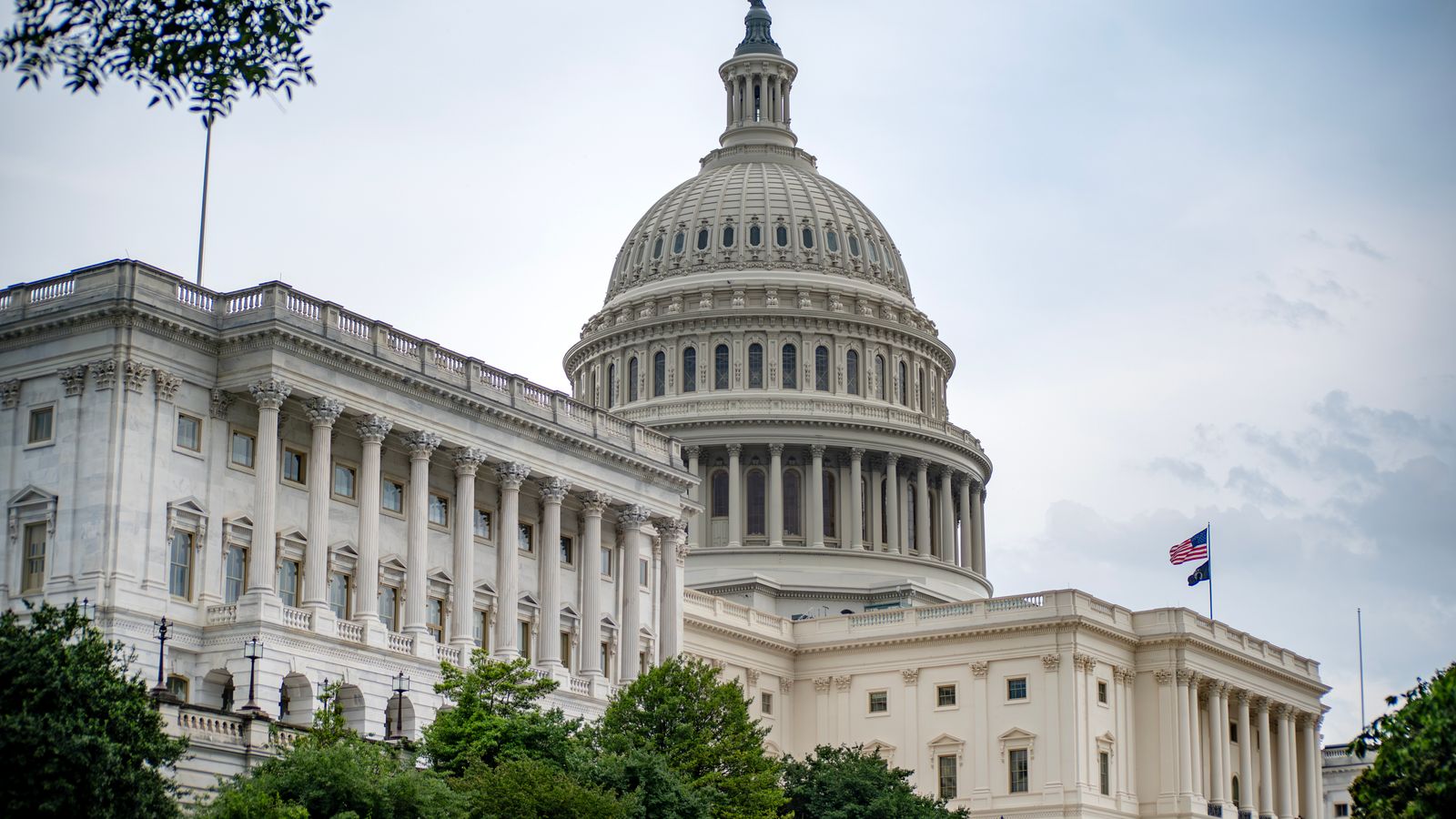
A coalition of 41 cannabis advocacy organizations descended on Capitol Hill in May 2026 during Cannabis Week of Unity, demanding comprehensive federal legalization legislation following President Trump's administrative rescheduling of cannabis from Schedule I to Schedule III. The coordinated lobbying effort represents the most significant unified push for federal cannabis reform since the Controlled Substances Act established marijuana prohibition in 1970. While rescheduling under the Drug Enforcement Administration's authority addresses some regulatory barriers, advocates argue that only congressional action can fully resolve the legal conflicts between state-legal cannabis markets and federal prohibition, eliminate criminal penalties, expunge prior convictions, and address social equity concerns. The campaign targets both chambers of Congress with specific legislative demands including the release of federal cannabis prisoners, banking access through the SAFER Banking Act, and comprehensive descheduling rather than mere rescheduling. With 38 states now operating medical cannabis programs and 24 permitting adult-use sales, advocates characterize federal legalization as "the most popular issue in American politics" and frame congressional inaction as increasingly untenable given the maturation of state-regulated markets generating over $30 billion in annual sales.
Why This Matters
Federal cannabis prohibition creates cascading legal, economic, and social consequences affecting millions of Americans despite widespread state-level legalization. Approximately 350,000 individuals remain incarcerated in the United States on cannabis-related charges, with thousands serving federal sentences for conduct now legal in their home states. The conflict between state and federal law forces cannabis businesses to operate on a cash basis without access to traditional banking services, creating public safety risks and limiting industry growth potential.
Cannabis operators in legal states face an effective tax rate exceeding 70 percent due to Internal Revenue Code Section 280E, which prohibits businesses trafficking in Schedule I or Schedule II controlled substances from deducting ordinary business expenses. Even with rescheduling to Schedule III, 280E continues to apply, costing the industry an estimated $1.8 billion annually in excess federal taxes. Multi-state operators including Curaleaf, Trulieve, Green Thumb Industries, and Verano Holdings have repeatedly identified federal prohibition as the primary constraint on capital formation and operational efficiency.
Medical patients face particular hardships. Veterans receiving care through the Department of Veterans Affairs cannot receive cannabis recommendations from VA physicians, even in states where medical programs operate legally. Federal employees and contractors risk termination for state-legal cannabis use. Researchers encounter significant barriers to studying cannabis due to federal restrictions, limiting the evidence base for medical applications despite widespread therapeutic use.
The economic stakes are substantial. Legal cannabis sales reached $33.6 billion in 2024 and are projected to exceed $50 billion by 2028. State and local governments collected approximately $4.2 billion in cannabis tax revenue in 2024. Federal legalization would unlock interstate commerce, dramatically reducing wholesale prices while expanding market access for smaller operators currently constrained by state-by-state licensing requirements.
Background and History
Federal cannabis prohibition originated with the Marihuana Tax Act of 1937 and was codified into modern drug policy through the Controlled Substances Act of 1970, which classified cannabis as a Schedule I substance alongside heroin and LSD. This classification defined cannabis as having no accepted medical use and a high potential for abuse, establishing the legal framework that persists today.
The Controlled Substances Act Era (1970-1996)
President Richard Nixon signed the Controlled Substances Act into law on October 27, 1970, as Title II of the Comprehensive Drug Abuse Prevention and Control Act. The legislation established five schedules of controlled substances, with Schedule I reserved for drugs deemed most dangerous and lacking medical value. Cannabis was placed in Schedule I temporarily, pending a review by the Shafer Commission, formally known as the National Commission on Marihuana and Drug Abuse.
The Shafer Commission issued its report in March 1972, recommending decriminalization of personal cannabis possession and use. Nixon rejected the recommendations, and cannabis remained in Schedule I. Multiple subsequent petitions to reschedule cannabis through administrative processes have been denied by the DEA, most notably petitions filed in 1972, 1995, 2002, and 2011.
State Medical Programs Launch (1996-2012)
California voters approved Proposition 215, the Compassionate Use Act, on November 5, 1996, establishing the first state-legal medical cannabis program and creating direct conflict with federal law. The initiative allowed patients with a physician's recommendation to possess and cultivate cannabis for medical purposes. Federal authorities responded with raids on dispensaries and cultivation sites, leading to landmark Supreme Court cases.
In Gonzales v. Raich (2005), the Supreme Court ruled 6-3 that the federal government could prosecute medical cannabis patients under the Commerce Clause even in states where medical use was legal. The decision affirmed federal supremacy but did not require states to enforce federal prohibition. In response, the Department of Justice under President Obama issued the Ogden Memorandum in October 2009, directing federal prosecutors to deprioritize enforcement against individuals in "clear and unambiguous compliance" with state medical cannabis laws.
By 2012, 18 states and the District of Columbia had enacted medical cannabis programs. The state-by-state expansion occurred despite continued federal prohibition and periodic enforcement actions against large-scale cultivators and dispensaries.
Adult-Use Legalization Begins (2012-2020)
Colorado and Washington voters approved adult-use legalization initiatives on November 6, 2012. Colorado's Amendment 64 and Washington's Initiative 502 authorized regulated production and retail sales to adults 21 and older, creating the first legal recreational cannabis markets in the modern era. Retail sales commenced in Colorado on January 1, 2014, and in Washington on July 8, 2014.
The Cole Memorandum, issued by Deputy Attorney General James Cole on August 29, 2013, established eight federal enforcement priorities and indicated that the Department of Justice would not interfere with state-legal cannabis operations that did not implicate those priorities. The guidance provided a framework for state-legal markets to operate with reduced federal interference, though it did not change cannabis's Schedule I status or provide legal safe harbor.
Attorney General Jeff Sessions rescinded the Cole Memorandum on January 4, 2018, creating uncertainty in legal markets. However, federal prosecutions of state-compliant operators remained rare, and state-legal markets continued expanding. By November 2020, 15 states had legalized adult-use cannabis, and 36 states operated medical programs.
Congressional Reform Efforts Intensify (2020-2024)
The House of Representatives passed the Marijuana Opportunity Reinvestment and Expungement (MORE) Act on December 4, 2020, marking the first time either chamber of Congress approved legislation to federally deschedule cannabis. The bill, sponsored by Representative Jerrold Nadler of New York, passed 228-164 with bipartisan support. The legislation would have removed cannabis from the Controlled Substances Act entirely, expunged federal cannabis convictions, and imposed a federal excise tax to fund social equity programs.
The Senate did not advance the MORE Act during the 116th Congress. The House passed an updated version on April 1, 2022, by a vote of 220-204, but again the Senate declined to take up the legislation. Senate Majority Leader Chuck Schumer, along with Senators Cory Booker and Ron Wyden, introduced the Cannabis Administration and Opportunity Act in July 2022, a comprehensive legalization framework emphasizing social equity and restorative justice. The bill did not receive a floor vote.
The SAFER Banking Act, formerly known as the SAFE Banking Act, passed the House seven times between 2019 and 2023. The legislation would protect financial institutions serving state-legal cannabis businesses from federal penalties. Despite repeated House passage, the Senate has not approved the measure, with some progressive senators conditioning support on broader criminal justice reforms.
Administrative Rescheduling Process (2022-2026)
President Joe Biden directed the Department of Health and Human Services and the Attorney General to review cannabis's scheduling status on October 6, 2022. HHS completed its review in August 2023 and recommended rescheduling cannabis to Schedule III, citing accepted medical use and lower abuse potential compared to Schedule I and II substances.
The DEA published a Notice of Proposed Rulemaking on May 21, 2024, formally proposing to reschedule cannabis to Schedule III. The proposal triggered a public comment period that generated over 43,000 submissions, the most in DEA rulemaking history. Administrative Law Judge hearings were scheduled for December 2024 to consider objections to the proposed rule.
President Donald Trump finalized the rescheduling of cannabis to Schedule III through executive action in April 2026, concluding the administrative process initiated under the Biden administration. The rescheduling took effect on May 1, 2026, moving cannabis into the same category as ketamine, anabolic steroids, and certain codeine preparations. While rescheduling reduces some regulatory barriers and acknowledges medical value, it does not legalize cannabis, eliminate criminal penalties for unauthorized possession or distribution, or resolve conflicts between state and federal law.
Key Players
National Organization for the Reform of Marijuana Laws (NORML)
NORML, founded in 1970, organized the Cannabis Week of Unity coalition and has served as the primary grassroots advocacy organization for cannabis law reform for over five decades. The organization maintains chapters in all 50 states and coordinates direct lobbying, public education, and legal support for cannabis reform. NORML Executive Director Erik Altieri characterized the May 2026 lobbying effort as a response to the inadequacy of administrative rescheduling, stating that comprehensive legalization requires congressional action to address criminal justice, banking, and taxation issues that rescheduling alone cannot resolve.
Drug Policy Alliance
The Drug Policy Alliance, a leading drug policy reform organization, participated in the Cannabis Week of Unity with a focus on criminal justice and racial equity dimensions of federal legalization. The organization has consistently advocated for automatic expungement of federal cannabis convictions, resentencing for individuals currently incarcerated, and community reinvestment funded through cannabis tax revenue. DPA played a central role in drafting social equity provisions in state legalization initiatives and has pressed for similar frameworks in federal legislation.
Students for Sensible Drug Policy
Students for Sensible Drug Policy mobilized student activists from universities across the country to participate in the Capitol Hill lobbying effort. The organization focuses on youth perspectives on drug policy reform and has emphasized the disproportionate impact of cannabis prohibition on young people, particularly students of color who face barriers to federal financial aid due to drug convictions.
Last Prisoner Project
Last Prisoner Project, founded in 2019, focuses specifically on securing release and reentry support for individuals incarcerated for cannabis offenses. The organization has documented approximately 2,800 individuals serving federal sentences for cannabis-related convictions as of May 2026. LPP advocates for immediate presidential clemency for all federal cannabis prisoners and automatic expungement provisions in any federal legalization legislation.
Congressional Cannabis Caucus
The Congressional Cannabis Caucus, co-chaired by Representatives Earl Blumenauer of Oregon, Barbara Lee of California, Dave Joyce of Ohio, and Brian Mast of Florida, provides a bipartisan forum for federal cannabis policy reform. The caucus has grown to include over 40 members from both parties and both chambers. Members have introduced multiple legalization bills, banking reform measures, and targeted fixes to specific prohibition-related problems including veterans' access and medical research barriers.
U.S. Cannabis Council
The U.S. Cannabis Council represents large multi-state operators and has advocated for federal reform that would enable interstate commerce and normalize cannabis business operations. The trade association has prioritized SAFER Banking Act passage and 280E repeal, arguing that tax and banking barriers impose greater operational constraints than Schedule III status. The organization has faced criticism from social equity advocates for prioritizing industry concerns over criminal justice reform.
Senate Majority Leader Chuck Schumer
Senator Chuck Schumer of New York has positioned himself as the leading Senate advocate for comprehensive cannabis legalization. Schumer has stated that he will not advance incremental reforms like the SAFER Banking Act without accompanying criminal justice provisions, a stance that has created tension with House members and industry groups seeking immediate banking access. Schumer's Cannabis Administration and Opportunity Act remains the most comprehensive Senate legalization proposal, though it has not received a floor vote.
Legal and Regulatory Framework
Federal cannabis prohibition rests on the Controlled Substances Act, codified at 21 U.S.C. § 801 et seq., which establishes a closed regulatory system for controlled substances and delegates scheduling authority to the Attorney General in consultation with the Secretary of Health and Human Services. Cannabis's placement in Schedule III under 21 C.F.R. § 1308.13 maintains federal criminal penalties for unauthorized manufacture, distribution, and possession while acknowledging accepted medical use.
Criminal Penalties Under Schedule III
Rescheduling to Schedule III does not eliminate federal criminal liability for cannabis offenses. Under 21 U.S.C. § 841, unauthorized manufacture or distribution of Schedule III substances remains a federal felony punishable by up to 10 years imprisonment for a first offense and up to 20 years for subsequent offenses. Simple possession without a valid prescription remains a misdemeanor under 21 U.S.C. § 844, punishable by up to one year imprisonment and a minimum fine of $1,000.
State-licensed cannabis businesses operate in violation of federal law even under Schedule III. The Controlled Substances Act requires DEA registration for any person who manufactures, distributes, or dispenses controlled substances. No state-licensed cannabis operator holds DEA registration, meaning all state-legal cannabis activity technically violates federal law despite reduced enforcement priorities.
Internal Revenue Code Section 280E
Section 280E, enacted in 1982, prohibits businesses trafficking in Schedule I or Schedule II controlled substances from deducting ordinary business expenses for federal tax purposes. The provision was intended to prevent drug traffickers from claiming business deductions. Because 280E references Schedule I and Schedule II specifically, rescheduling to Schedule III provides relief from this tax penalty.
However, cannabis businesses will still face significant tax burdens under Schedule III because they cannot deduct expenses related to the trafficking of a controlled substance, even though they can now deduct ordinary business expenses. The distinction matters: cannabis retailers can deduct rent, utilities, and payroll for non-plant-touching operations, but costs directly related to purchasing and selling cannabis products remain non-deductible. The tax treatment remains more burdensome than for legal businesses in non-controlled sectors.
Banking and Financial Services
The Bank Secrecy Act, 31 U.S.C. § 5311 et seq., requires financial institutions to report suspicious activity, including transactions involving proceeds from illegal activity. Because cannabis businesses violate the Controlled Substances Act, banks serving these businesses risk money laundering charges under 18 U.S.C. § 1956 and 1957. The Financial Crimes Enforcement Network issued guidance in 2014 indicating that banks could serve cannabis businesses in compliance with state law if they filed Suspicious Activity Reports, but most financial institutions have declined to accept the legal risk.
The SAFER Banking Act would create a safe harbor for financial institutions serving state-legal cannabis businesses, protecting them from federal penalties and prohibiting federal banking regulators from penalizing institutions solely for providing services to cannabis-related legitimate businesses. The legislation has passed the House multiple times but has not been approved by the Senate, where some members insist on pairing banking access with criminal justice reforms.
Federal Preemption and State Sovereignty
The Supremacy Clause of the U.S. Constitution, Article VI, Clause 2, establishes that federal law supersedes conflicting state law. However, the anti-commandeering doctrine, articulated in Printz v. United States (1997) and reaffirmed in Murphy v. NCAA (2018), prohibits the federal government from compelling states to enforce federal law. States can legalize cannabis under state law without violating federal law, but they cannot immunize individuals or businesses from federal prosecution.
The Rohrabacher-Farr Amendment, first enacted in 2014 and renewed annually through appropriations riders, prohibits the Department of Justice from using federal funds to prevent states from implementing medical cannabis laws. The provision does not protect adult-use programs and does not create a private right of action, but it has been interpreted by federal courts to bar prosecution of individuals in strict compliance with state medical cannabis laws.
State-by-State Breakdown
As of May 2026, 24 states, two territories, and the District of Columbia have legalized cannabis for adult use, while 38 states have operational medical cannabis programs. The state-by-state patchwork creates significant variation in access, regulation, and criminal penalties, underscoring the need for federal clarity.
California
California operates the largest legal cannabis market in the United States, with approximately $5.3 billion in annual sales. The state legalized medical cannabis through Proposition 215 in 1996 and adult use through Proposition 64 in 2016. Adults 21 and older may possess up to one ounce of flower and eight grams of concentrate. The state imposes a 15 percent excise tax on retail sales plus local taxes that can reach 10 percent or higher. California's regulatory framework includes extensive social equity provisions, including fee waivers and technical assistance for equity applicants.
New York
New York legalized adult-use cannabis through the Marijuana Regulation and Taxation Act, signed by Governor Andrew Cuomo on March 31, 2021. Retail sales commenced in December 2022. Adults 21 and older may possess up to three ounces of flower and 24 grams of concentrate. The state's licensing framework prioritizes individuals with prior cannabis convictions and communities disproportionately impacted by prohibition. New York imposes a 13 percent retail tax plus a potency-based wholesale tax. The state's Office of Cannabis Management has faced criticism for slow licensing and inadequate enforcement against unlicensed operators.
Florida
Florida operates a medical-only cannabis program established through a constitutional amendment approved by voters in 2016. The state does not permit adult-use sales, though a ballot initiative for the November 2026 election seeks to legalize recreational use. Florida's medical program serves over 800,000 registered patients, making it one of the largest medical markets by patient count. Qualifying patients may possess up to 2.5 ounces of flower in a 35-day period. The state does not permit home cultivation for medical patients.
Texas
Texas maintains one of the most restrictive medical cannabis programs in the country, limited to low-THC products containing no more than 1 percent THC by weight. The Compassionate Use Program, established in 2015 and expanded modestly in subsequent legislative sessions, serves fewer than 50,000 registered patients. Possession of any amount of cannabis flower remains a criminal offense, with penalties ranging from Class B misdemeanor for small amounts to felony charges for larger quantities. Multiple legalization bills have been introduced in the Texas Legislature but have not advanced to floor votes.
Ohio
Ohio voters approved adult-use legalization through Issue 2 on November 7, 2023, with sales commencing in August 2024. Adults 21 and older may possess up to 2.5 ounces of flower and 15 grams of concentrate. The state permits home cultivation of up to six plants per individual and 12 plants per household. Ohio's Division of Cannabis Control regulates both medical and adult-use markets. The state imposes a 10 percent excise tax on adult-use sales in addition to standard sales tax.
Pennsylvania
Pennsylvania operates a medical-only program established in 2016, serving over 450,000 registered patients. The state does not permit flower sales to patients, restricting medical cannabis to oils, tinctures, pills, and vaporizable products. Multiple adult-use legalization bills have been introduced in the Pennsylvania General Assembly, with Governor Josh Shapiro expressing support for legalization. The state Senate has been the primary obstacle to reform, with Republican leadership declining to advance legalization measures.
Market and Business Implications
Federal legalization would fundamentally restructure the cannabis industry by enabling interstate commerce, normalizing banking and financial services, eliminating 280E tax penalties, and unlocking institutional capital currently constrained by federal prohibition. Industry analysts project that full federal legalization could expand the total addressable market to $100 billion annually within five years of enactment.
Interstate Commerce and Market Consolidation
Current federal prohibition requires cannabis businesses to operate on a state-by-state basis, with no legal mechanism to transport products across state lines. This constraint forces multi-state operators to build redundant cultivation and processing facilities in each state where they operate, dramatically increasing capital requirements and operational complexity. Federal legalization would enable interstate commerce, allowing efficient producers in states with favorable growing conditions and lower costs to serve national markets.
Wholesale cannabis prices vary dramatically by state, ranging from under $500 per pound in mature markets like Oregon and Colorado to over $2,500 per pound in limited-license states like Illinois and New Jersey. Interstate commerce would compress these price differentials, likely settling at levels closer to current wholesale prices in the most efficient production states. This price compression would benefit consumers and retailers but would create significant challenges for cultivators in high-cost states who currently benefit from protected local markets.
Capital Formation and Institutional Investment
Federal prohibition prevents cannabis companies from listing on major U.S. stock exchanges including the New York Stock Exchange and Nasdaq. Cannabis stocks trade on the Canadian Securities Exchange and over-the-counter markets, limiting liquidity and investor access. Federal legalization would enable uplisting to major exchanges, dramatically expanding the investor base and reducing cost of capital.
Institutional investors including pension funds, mutual funds, and insurance companies generally cannot invest in cannabis companies due to federal illegality and fiduciary restrictions. Industry executives estimate that federal legalization would unlock $50 billion to $100 billion in institutional capital currently sitting on the sidelines. This capital influx would accelerate consolidation, fund infrastructure development, and enable cannabis companies to compete on equal footing with alcohol and tobacco companies.
280E Repeal and Tax Normalization
Rescheduling to Schedule III provides partial relief from 280E, but full descheduling through congressional action would eliminate the provision entirely. Industry analysts estimate that 280E repeal would improve cannabis company EBITDA margins by 10 to 15 percentage points, transforming marginal operators into profitable businesses and enabling price reductions that would expand consumer access.
Federal legalization legislation would likely impose a federal excise tax on cannabis sales to fund social equity programs and offset enforcement costs. The MORE Act proposed a 5 percent federal excise tax escalating to 8 percent over three years. The Cannabis Administration and Opportunity Act proposed a more complex tax structure based on THC content and product type. Industry groups have generally accepted federal taxation as inevitable but have advocated for rates that do not exceed combined state and local taxes, which currently average 20 to 30 percent in legal states.
Impact on Multi-State Operators
Large multi-state operators including Curaleaf, Trulieve, Green Thumb Industries, Verano Holdings, and Cresco Labs would benefit significantly from federal legalization through improved access to capital, tax normalization, and interstate commerce. However, these companies would also face increased competition from large alcohol, tobacco, and pharmaceutical companies that have largely avoided the cannabis sector due to federal illegality.
Altria, Constellation Brands, and Molson Coors have made strategic investments in cannabis companies but have not entered the U.S. market directly. Federal legalization would remove barriers to entry for these well-capitalized competitors, potentially accelerating consolidation and creating pressure on mid-sized operators. Social equity advocates have expressed concern that federal legalization could enable corporate consolidation that displaces small operators and communities most impacted by prohibition.
What Experts Say
Policy experts, industry leaders, and reform advocates broadly agree that congressional action is necessary to resolve the legal conflicts created by state-legal cannabis markets operating under federal prohibition, though they differ on priorities and sequencing.
According to NORML's Erik Altieri, cannabis reform has become the most popular issue in American politics, with polling consistently showing supermajority support for legalization across party lines. Altieri emphasized that rescheduling represents incremental progress but leaves fundamental problems unresolved, particularly the continued incarceration of individuals for conduct now widely accepted as legitimate. He characterized congressional legalization as a matter of when, not if, given the political momentum and state-level normalization.
Drug Policy Alliance representatives have stressed that any federal legalization framework must prioritize restorative justice, including automatic expungement of federal cannabis convictions, resentencing for individuals currently incarcerated, and community reinvestment in areas most harmed by prohibition. The organization has opposed incremental reforms that benefit industry without addressing criminal justice impacts.
Senator Cory Booker of New Jersey has repeatedly stated that he will not support cannabis banking legislation unless it includes criminal justice provisions. According to Booker, allowing cannabis companies to access banking while individuals remain incarcerated for cannabis offenses would represent a fundamental injustice. This position has created tension with industry groups and House members who view banking access as an urgent public safety issue requiring immediate resolution.
Cannabis industry analysts at investment firms including Cowen, Stifel, and Canaccord Genuity have projected that federal legalization would create a $100 billion market within five years, driven by expanded consumer access, product innovation, and interstate commerce. These analysts have identified 280E repeal and banking access as the most significant near-term catalysts for industry growth, with full descheduling representing a longer-term transformational event.
Kevin Sabet, president of Smart Approaches to Marijuana, an organization opposing legalization, has argued that federal legalization would create a commercial cannabis industry modeled on alcohol and tobacco, with similar public health consequences. According to Sabet, rescheduling to Schedule III represents an appropriate middle ground that acknowledges medical value while maintaining regulatory controls. SAM has advocated for maintaining federal prohibition while expanding access to FDA-approved cannabis-derived medications.
Former DEA officials have expressed concern that federal legalization would complicate international drug control treaty obligations under the United Nations Single Convention on Narcotic Drugs. However, legal scholars have noted that Canada and Uruguay have legalized cannabis without withdrawing from the treaty, suggesting that the United States could pursue similar approaches through treaty reservations or reinterpretation.
What's Next
The Cannabis Week of Unity lobbying effort in May 2026 sets the stage for potential legislative action during the second half of the 119th Congress, though significant obstacles remain in both chambers. The timeline for federal legalization depends on multiple variables including election outcomes, leadership priorities, and the success of incremental reforms.
Near-Term Legislative Opportunities (2026-2027)
The SAFER Banking Act remains the most likely cannabis reform measure to advance in the near term. The House has passed the legislation multiple times, and Senate Banking Committee Chairman Sherrod Brown has expressed support. However, Senate floor action requires Majority Leader Schumer to schedule a vote, and Schumer has indicated he will not advance banking legislation without criminal justice provisions. A potential compromise could pair SAFER Banking with modest expungement provisions for federal cannabis possession convictions, though negotiations have not produced consensus.
The MORE Act could receive another House vote in late 2026 or early 2027, particularly if Democrats retain control of the chamber in the November 2026 midterm elections. However, the Senate remains a significant obstacle, with Republican members generally opposing comprehensive legalization and some Democratic members insisting on specific social equity provisions that complicate coalition-building.
Administrative Actions and Executive Authority
President Trump could use executive clemency authority to commute sentences for federal cannabis prisoners, a step that would address one of the advocacy coalition's primary demands without requiring congressional action. The Last Prisoner Project has identified approximately 2,800 individuals serving federal sentences for cannabis offenses who would be eligible for clemency. However, Trump has not indicated whether he would grant broad cannabis clemency, and his administration's enforcement priorities remain unclear.
The Department of Justice could issue updated enforcement guidance similar to the Cole Memorandum, providing clarity to state-legal markets and reducing uncertainty for operators and investors. However, such guidance would not change cannabis's legal status and could be rescinded by future administrations, as occurred when Attorney General Sessions revoked the Cole Memorandum in 2018.
State-Level Momentum
Multiple states will consider cannabis legalization ballot initiatives in November 2026, including Florida, Arkansas, and South Dakota. Florida's initiative, if approved, would create the largest adult-use market east of the Mississippi River, adding significant momentum to federal reform efforts. State-level legalization continues to demonstrate public support for reform and creates additional pressure on Congress to resolve federal-state conflicts.
2028 Presidential Election
The 2028 presidential election could prove decisive for federal cannabis policy. Multiple potential candidates from both parties have expressed support for legalization or decriminalization, suggesting that cannabis reform could become a campaign issue. A president elected on a platform including cannabis legalization would have a mandate to prioritize the issue and could use executive authority to advance reform through administrative channels while pressing Congress for comprehensive legislation.
Further Reading
- Controlled Substances Act, 21 U.S.C. § 801 et seq. — https://www.govinfo.gov/content/pkg/USCODE-2021-title21/html/USCODE-2021-title21-chap13.htm
- DEA Drug Scheduling, 21 C.F.R. § 1308 — https://www.ecfr.gov/current/title-21/chapter-II/part-1308
- Internal Revenue Code Section 280E, 26 U.S.C. § 280E — https://www.law.cornell.edu/uscode/text/26/280E
- Gonzales v. Raich, 545 U.S. 1 (2005) — https://supreme.justia.com/cases/federal/us/545/1/
- Cole Memorandum (August 29, 2013) — https://www.justice.gov/iso/opa/resources/3052013829132756857467.pdf
- MORE Act, H.R. 3617 (117th Congress) — https://www.congress.gov/bill/117th-congress/house-bill/3617
- Cannabis Administration and Opportunity Act discussion draft — https://www.democrats.senate.gov/imo/media/doc/CAOA%20Discussion%20Draft%20Text%20Final.pdf
- SAFER Banking Act, S. 2860 (118th Congress) — https://www.congress.gov/bill/118th-congress/senate-bill/2860
- HHS Cannabis Scheduling Recommendation (August 2023) — https://www.hhs.gov/about/news/2023/08/30/hhs-recommends-dea-reschedule-marijuana.html
- DEA Notice of Proposed Rulemaking on Cannabis Rescheduling (May 21, 2024) — https://www.federalregister.gov/documents/2024/05/21/2024-11137/schedules-of-controlled-substances-rescheduling-of-marijuana
- NORML — https://norml.org
- Drug Policy Alliance — https://drugpolicy.org
- Last Prisoner Project — https://www.lastprisonerproject.org
- Congressional Cannabis Caucus — https://cannabiscaucus-blumenauer.house.gov
Frequently asked questions
What is the current status of federal cannabis legalization in Congress?
As of 2026, federal cannabis remains Schedule I under the Controlled Substances Act despite state-level reforms. The House has passed legalization bills multiple times, but Senate action remains stalled. Recent rescheduling efforts have prompted renewed advocacy campaigns, with 41 organizations coordinating lobbying during Cannabis Week of Unity. No comprehensive legalization bill has cleared both chambers, though incremental reforms like SAFE Banking continue circulating.
What are the main federal cannabis legalization bills under consideration?
Key proposals include the Marijuana Opportunity Reinvestment and Expungement (MORE) Act, which deschedules cannabis and expunges records; the Cannabis Administration and Opportunity Act (CAOA), focusing on social equity and taxation; and the SAFE Banking Act, providing financial services access. Each addresses different aspects including criminal justice reform, taxation frameworks, regulatory structures, and banking access for state-legal cannabis businesses.
Why hasn't Congress passed federal cannabis legalization despite public support?
Political gridlock stems from partisan divisions, with some Republicans opposing legalization on public health grounds and some Democrats demanding comprehensive social equity provisions. Senate filibuster rules require 60 votes for most legislation. Competing priorities, pharmaceutical industry lobbying, law enforcement concerns, and disagreements over taxation and regulatory frameworks have prevented consensus despite polling showing over 70 percent public support.
What would federal legalization mean for state cannabis programs?
Federal legalization would remove Controlled Substances Act conflicts, allowing interstate commerce and normal banking services. States could maintain their own regulatory systems similar to alcohol laws. Businesses would gain tax deductions currently prohibited under IRS Code 280E, access capital markets, and operate without federal prosecution risk. However, states could still prohibit cannabis within their borders under proposed frameworks respecting state sovereignty.
How does cannabis rescheduling differ from full legalization?
Rescheduling moves cannabis to a lower schedule (like Schedule III) within the Controlled Substances Act, reducing penalties but maintaining federal control and prescription requirements. Full legalization removes cannabis entirely from the CSA, treating it like alcohol or tobacco with specific regulatory frameworks. Rescheduling provides limited relief on taxation and research barriers but doesn't resolve banking issues or state-federal conflicts that legalization addresses.
What criminal justice reforms are included in federal legalization proposals?
Major bills include automatic expungement of federal cannabis convictions, resentencing for those currently incarcerated, and prohibitions on denying federal benefits based on cannabis records. The MORE Act specifically addresses releasing cannabis prisoners and clearing records. Proposals also establish grant programs for communities disproportionately impacted by enforcement and create pathways for those with prior convictions to participate in the legal industry.
How would federal legalization impact cannabis taxation and revenue?
Proposed frameworks include federal excise taxes ranging from 5-25 percent on cannabis sales, generating billions in annual revenue. Funds would support expungement programs, substance abuse treatment, community reinvestment, and Small Business Administration loans for cannabis entrepreneurs. Businesses would gain normal tax deductions under removal of 280E restrictions. Revenue projections vary but Congressional Budget Office estimates suggest multi-billion dollar annual federal collections.
What role do advocacy groups play in the federal legalization push?
Organizations like NORML, Drug Policy Alliance, and Marijuana Policy Project coordinate lobbying campaigns, educate lawmakers, mobilize grassroots support, and draft model legislation. Recent efforts include the Cannabis Week of Unity, where 41 groups conducted coordinated Capitol Hill meetings. These coalitions provide research, testimony, and constituent pressure while building bipartisan support and countering opposition from law enforcement and pharmaceutical lobbies.
What are the main arguments against federal cannabis legalization?
Opponents cite public health concerns including youth access, impaired driving, and mental health impacts. Law enforcement groups warn about regulatory challenges and international treaty obligations. Some argue existing state systems create sufficient access without federal action. Critics also raise concerns about corporate consolidation, inadequate social equity provisions, and potential conflicts with workplace safety regulations. These objections have sustained Senate opposition despite House passage of reform bills.
How does international law affect US federal cannabis legalization?
The United States is party to UN drug control treaties including the 1961 Single Convention, which requires signatories to limit cannabis to medical and scientific purposes. However, countries like Canada and Uruguay have legalized while remaining treaty members through interpretive declarations or withdrawal-and-reaccession. Legal scholars argue the US could similarly legalize domestically while maintaining treaty compliance through various mechanisms, though this remains a cited concern among some policymakers.
What is the timeline for potential federal cannabis legalization?
No definitive timeline exists given congressional gridlock. Advocates hope recent rescheduling momentum and continued state-level reforms will pressure federal action within the next few years. Election cycles significantly impact prospects, with composition of Congress and presidential administration determining legislative viability. Incremental reforms like banking access may advance before comprehensive legalization. Most analysts consider passage unlikely before 2027 absent major political shifts or bipartisan compromise.
How would federal legalization affect cannabis research and medical access?
Descheduling would eliminate DEA licensing requirements for researchers, expand access to diverse cannabis varieties for study, and allow normal FDA approval processes for cannabis-derived medications. Universities could conduct research without special permissions. Medical patients would gain clearer legal protections and insurance coverage possibilities. Veterans could access cannabis through VA healthcare. Research expansion would accelerate understanding of therapeutic applications, safety profiles, and public health impacts.
The cannabis newsletter you forward to your team.
Federal policy, market data, grower alerts, and the one story that matters today. Sent every weekday at 7am. Free.
No spam. Unsubscribe with one click. 21+ only.