Federal Intoxicating Hemp Ban: Policy, Timeline, and State Responses
The federal intoxicating hemp ban represents a significant regulatory shift targeting hemp-derived products containing psychoactive cannabinoids like delta-8 THC. Emerging from the 2018 Farm Bill's legal hemp framework, this policy aims to close loopholes that allowed intoxicating hemp products to proliferate in states without regulated cannabis markets. The ban has sparked intense debate between federal regulators, state attorneys general, hemp industry stakeholders, and congressional lawmakers over implementation timelines, enforcement mechanisms, and economic impacts on the legal hemp sector.
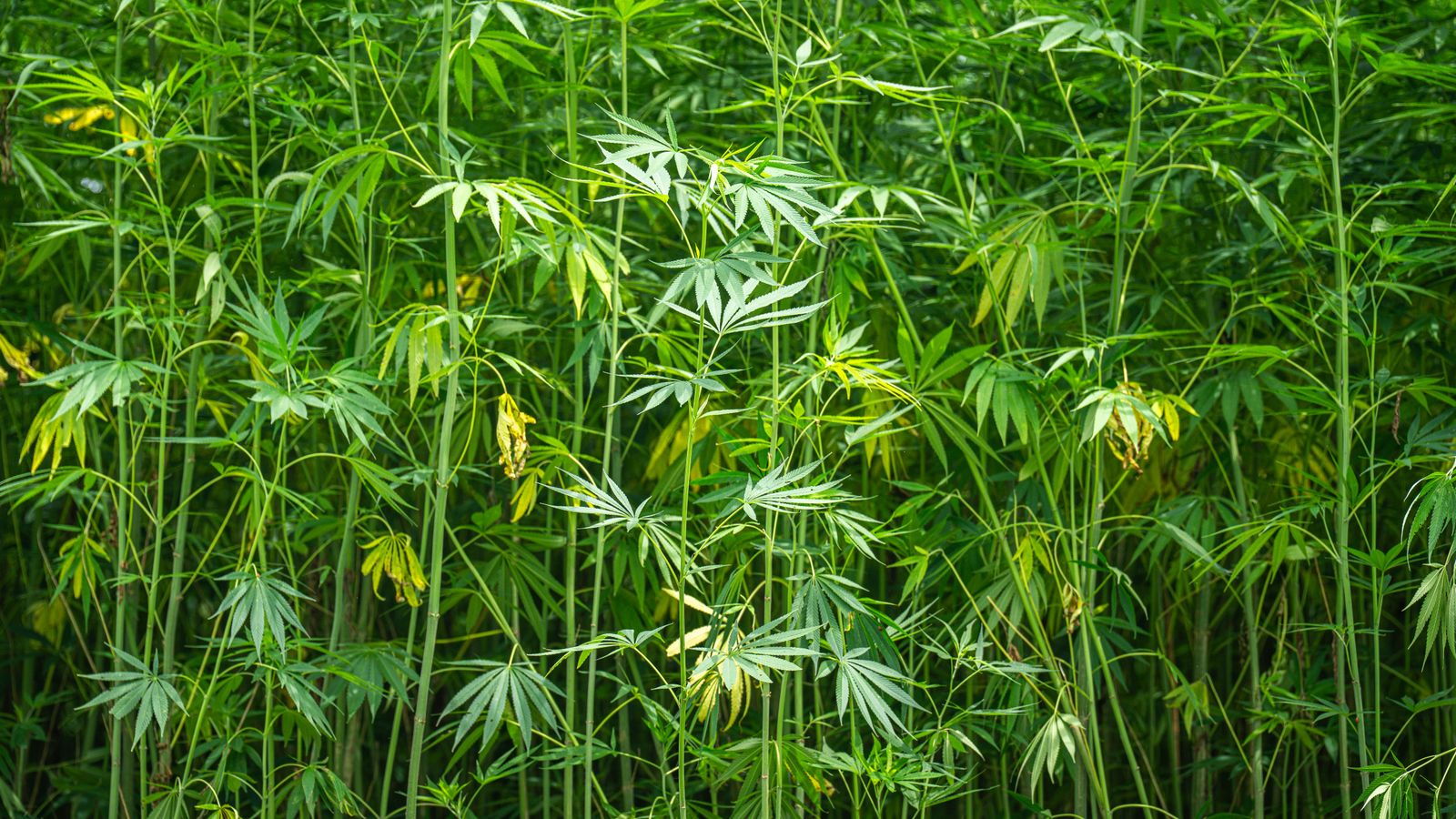
Executive Summary
The federal government's proposed ban on intoxicating hemp products has ignited a fierce regulatory battle between state attorneys general, federal agencies, and Congress. In August 2026, a bipartisan group of U.S. senators called for a delay in implementing the Drug Enforcement Administration's interim final rule that would reclassify hemp-derived intoxicating cannabinoids as controlled substances. The move came as attorneys general from 35 states filed formal objections, arguing the ban exceeds federal authority and threatens billions in state-regulated commerce. The controversy centers on products containing delta-8 THC, delta-10 THC, THC-O, and other semi-synthetic cannabinoids derived from CBD extracted from legal hemp. These products proliferated after the 2018 Farm Bill legalized hemp containing no more than 0.3% delta-9 THC, creating what critics call a regulatory loophole and supporters defend as lawful innovation. The ban, scheduled to take effect in late 2026, would effectively criminalize a $28 billion industry operating in gas stations, smoke shops, and online retailers across all 50 states. The conflict represents the most significant federal cannabis policy confrontation since the Cole Memo rescission in 2018, with implications for hemp farmers, CBD manufacturers, state sovereignty, and the broader cannabis legalization movement.
Why This Matters
The federal intoxicating hemp ban affects every layer of the cannabis economy, from rural hemp farmers to urban dispensary operators to millions of consumers in prohibition states. The DEA's interim final rule threatens to eliminate market access for approximately 15,000 hemp-derived cannabinoid retailers and 3,200 manufacturers operating under state licenses or in unregulated markets. According to the Hemp Industries Association, the intoxicating hemp segment generated $28.4 billion in sales in 2025, employing an estimated 340,000 workers in cultivation, extraction, formulation, distribution, and retail.
For patients and consumers in the 14 states without adult-use cannabis programs, hemp-derived products represent the only legal access to intoxicating cannabinoids. An estimated 8.2 million Americans purchased delta-8 THC or similar products in 2025, according to Whitney Economics data. Many are veterans, chronic pain patients, and individuals seeking alternatives to prescription pharmaceuticals who cannot access state-licensed dispensaries due to geography, cost, or legal restrictions.
State governments face significant revenue implications. Texas alone collected $127 million in sales tax from hemp-derived cannabinoid products in fiscal year 2025, despite having no adult-use cannabis program. Florida's hemp industry contributed an estimated $3.8 billion to the state economy in 2025, with intoxicating products comprising roughly 60% of that total. The ban would eliminate these revenue streams while forcing states to redirect law enforcement resources toward a newly criminalized market.
The controversy also exposes fundamental tensions in cannabis federalism. State attorneys general argue the DEA is overriding explicit congressional intent in the 2018 Farm Bill, which legalized hemp and its derivatives without restricting downstream processing methods. The conflict tests whether federal agencies can reinterpret statutes through rulemaking when Congress has spoken clearly, a question with implications far beyond cannabis policy.
Background and History
The intoxicating hemp controversy traces directly to the 2018 Farm Bill's redefinition of hemp as distinct from marijuana under the Controlled Substances Act. Understanding the current crisis requires examining a decade of regulatory evolution, scientific innovation, and market exploitation of statutory ambiguity.
The 2014 Farm Bill and Pilot Programs
The Agricultural Act of 2014 authorized state departments of agriculture and higher education institutions to operate hemp pilot programs for research purposes. Section 7606 defined hemp as Cannabis sativa L. containing no more than 0.3% delta-9 THC on a dry weight basis. The provision created the first legal pathway for hemp cultivation since the Marihuana Tax Act of 1937 effectively banned all cannabis production. Between 2014 and 2018, 41 states established pilot programs, cultivating approximately 78,000 acres of hemp primarily for CBD extraction. The pilot programs operated in legal gray areas, with the DEA maintaining that CBD remained a Schedule I controlled substance even when derived from authorized hemp.
The 2018 Farm Bill Revolution
The Agriculture Improvement Act of 2018, signed by President Trump on December 20, 2018, fundamentally restructured federal hemp policy. Section 10113 removed hemp from Schedule I of the Controlled Substances Act, defining it as cannabis with delta-9 THC concentration of not more than 0.3% on a dry weight basis. Critically, the statute legalized "hemp" and "any part of that plant, including the seeds thereof and all derivatives, extracts, cannabinoids, isomers, acids, salts, and salts of isomers." This broad language appeared to legalize all compounds derived from compliant hemp, regardless of their psychoactive properties.
The bill transferred regulatory authority from the DEA to the U.S. Department of Agriculture, requiring USDA to establish a federal hemp production program and approve state and tribal plans. The statute explicitly prohibited states from prohibiting interstate transportation or shipment of hemp or hemp products. Senate Majority Leader Mitch McConnell, the bill's primary sponsor, emphasized hemp's agricultural and economic potential, particularly for tobacco-dependent rural communities in Kentucky and other states.
The CBD Boom and Cannabinoid Innovation
Following the 2018 Farm Bill, CBD product sales exploded from $600 million in 2018 to $4.6 billion in 2020, according to the Brightfield Group. Manufacturers extracted CBD from hemp biomass using ethanol, CO2, or hydrocarbon solvents, then formulated it into tinctures, topicals, edibles, and vape products. The FDA maintained that CBD could not be added to food or marketed as a dietary supplement, but enforcement remained limited.
By 2020, chemists discovered they could convert CBD into delta-8 THC through isomerization—a chemical process using acids, heat, and catalysts to rearrange CBD's molecular structure. Delta-8 THC occurs naturally in cannabis at trace levels (typically less than 0.1%), but synthetic production from hemp-derived CBD enabled commercial-scale manufacturing. The compound produces psychoactive effects roughly 50-70% as potent as delta-9 THC, according to anecdotal reports and limited research.
Market Explosion and Regulatory Vacuum
Delta-8 THC products entered mainstream retail in late 2020, initially in states without adult-use cannabis programs. By mid-2021, delta-8 vape cartridges, gummies, and tinctures were available in gas stations, smoke shops, and online retailers nationwide. The market grew exponentially: from an estimated $2 billion in 2021 to $10 billion in 2023 to $28.4 billion in 2025, according to Whitney Economics.
Manufacturers expanded beyond delta-8 to produce delta-10 THC, THC-O acetate, HHC (hexahydrocannabinol), THCP, and dozens of other semi-synthetic cannabinoids. These compounds existed in legal limbo—derived from legal hemp but producing intoxicating effects Congress arguably intended to restrict to state-regulated marijuana programs. The products faced no federal testing requirements, potency limits, or age restrictions, though many states imposed their own regulations.
State-Level Responses
States responded inconsistently to intoxicating hemp products between 2021 and 2025. Alaska, Arizona, Arkansas, Colorado, Delaware, Idaho, Iowa, Mississippi, Montana, New York, North Dakota, Rhode Island, Utah, Vermont, and Washington banned delta-8 THC and related compounds through legislation or regulatory action. These states argued the products violated legislative intent behind hemp legalization and competed unfairly with regulated cannabis markets.
Conversely, Alabama, Florida, Georgia, Indiana, Kentucky, Louisiana, Minnesota, Missouri, Nebraska, North Carolina, Oklahoma, South Carolina, Tennessee, Texas, Virginia, West Virginia, and Wisconsin enacted regulations permitting intoxicating hemp products with testing requirements, potency limits, and age restrictions. Texas established a particularly robust framework through HB 1325 (2019) and subsequent DSHS rules, requiring manufacturers to register, test products through accredited laboratories, and limit serving sizes to 10mg delta-9 THC equivalent.
Federal Agency Actions
The DEA issued its first post-2018 Farm Bill guidance in August 2020, stating in an interim final rule on hemp production that "all synthetically derived tetrahydrocannabinols remain schedule I controlled substances." The agency argued that delta-8 THC produced through chemical synthesis from CBD qualified as synthetic, regardless of the starting material's legal status. The rule generated 5,300 public comments, mostly opposing the DEA's interpretation.
In May 2022, the DEA clarified in a letter to Alabama attorney general Steve Marshall that delta-8 THC "does not occur naturally in the cannabis plant in concentrations that would allow for its viable economic extraction" and therefore products containing it are controlled substances. The agency distinguished between naturally occurring and synthetically derived cannabinoids, arguing the 2018 Farm Bill legalized only the former.
The FDA took a parallel approach, issuing warning letters to delta-8 manufacturers for unapproved drug claims and safety concerns. In May 2024, the FDA published a consumer update warning that delta-8 products had been associated with 14,000 adverse event reports, including hallucinations, vomiting, and loss of consciousness. The agency noted that manufacturing processes often left residual solvents, heavy metals, and other contaminants in finished products.
The 2026 Interim Final Rule
On June 15, 2026, the DEA published an interim final rule in the Federal Register titled "Controls to Enhance the Cultivation and Extraction of Cannabis." The rule amended 21 CFR § 1308.11 to explicitly classify "tetrahydrocannabinols derived from hemp through chemical synthesis or modification" as Schedule I controlled substances. The rule defined chemical synthesis to include isomerization, acetylation, and other processes that alter CBD's molecular structure.
The DEA invoked authority under 21 U.S.C. § 811(h), which permits the Attorney General to issue temporary scheduling orders for substances posing an imminent hazard to public safety. The agency cited 14,000 adverse event reports, 38 deaths potentially linked to intoxicating hemp products, and widespread availability to minors as justification for immediate action. The rule took effect upon publication, with a 90-day comment period and final implementation scheduled for September 15, 2026.
The interim final rule exempted naturally occurring cannabinoids in hemp and delta-9 THC products complying with the 0.3% threshold. It targeted specifically delta-8 THC, delta-10 THC, THC-O, HHC, THCP, and "any other tetrahydrocannabinol not naturally occurring in the cannabis plant in concentrations greater than 0.3% on a dry weight basis."
Key Players
Drug Enforcement Administration
The DEA serves as the primary federal agency enforcing the Controlled Substances Act and regulating scheduled drugs. Administrator Anne Milgram, appointed by President Biden in 2021, oversees the agency's cannabis policy. The DEA argued in the interim final rule that intoxicating hemp products circumvent the carefully balanced federal-state framework for cannabis regulation. The agency emphasized that Congress legalized hemp for industrial and non-intoxicating purposes, not to create an unregulated psychoactive market. DEA officials pointed to poison control data showing a 1,800% increase in pediatric exposures to delta-8 products between 2020 and 2025. The agency maintained that chemical synthesis distinguishes these products from naturally occurring hemp derivatives protected by the 2018 Farm Bill.
U.S. Department of Agriculture
USDA regulates hemp cultivation under authority granted by the 2018 Farm Bill. The department's Agricultural Marketing Service administers the National Hemp Production Program, approving state and tribal plans and overseeing compliance testing. USDA Secretary Tom Vilsack expressed concern in a July 2026 statement that the DEA's interim rule could destabilize the hemp industry, affecting 11,000 licensed cultivators farming 420,000 acres. The department noted that hemp farmers cannot easily distinguish between crops destined for CBD extraction versus intoxicating product manufacturing, creating compliance uncertainty. USDA officials called for clearer statutory guidance from Congress rather than agency rulemaking to resolve the controversy.
Food and Drug Administration
The FDA maintains authority over food, drugs, and dietary supplements, including products containing cannabis-derived compounds. The agency has not approved any cannabis-derived products for over-the-counter sale except Epidiolex, a CBD-based prescription drug for epilepsy. FDA Commissioner Robert Califf stated in June 2026 that the agency supports the DEA's interim rule based on safety concerns. The FDA cited laboratory testing showing that 67% of delta-8 products sampled in 2025 contained unlabeled cannabinoids, heavy metals exceeding safe limits, or residual solvents. The agency argued that unregulated intoxicating hemp products pose particular risks to vulnerable populations including pregnant women, children, and individuals with mental health conditions.
State Attorneys General Coalition
Attorneys general from 35 states filed joint comments opposing the DEA's interim final rule in August 2026. The coalition, led by Texas Attorney General Ken Paxton and California Attorney General Rob Bonta, argued the rule exceeds DEA authority and contradicts congressional intent. The states contended that the 2018 Farm Bill's broad definition of hemp—including "all derivatives, extracts, cannabinoids, isomers"—encompasses chemically modified compounds derived from compliant hemp. The coalition noted that Congress specifically chose not to restrict processing methods or downstream products, leaving such decisions to states. The attorneys general warned that the ban would eliminate billions in state tax revenue, destroy tens of thousands of jobs, and force states to criminalize conduct their legislatures explicitly authorized. The coalition included both prohibition states like Texas and adult-use states like California, reflecting diverse policy interests united by federalism concerns.
U.S. Senate Bipartisan Group
A bipartisan group of 18 senators sent a letter to DEA Administrator Milgram on August 5, 2026, requesting a one-year delay in implementing the interim final rule. The group, led by Senate Agriculture Committee Chair Debbie Stabenow (D-MI) and Ranking Member John Boozman (R-AR), argued that Congress should resolve the intoxicating hemp question through legislation rather than agency rulemaking. The senators noted that the 2018 Farm Bill passed with overwhelming bipartisan support based on explicit language legalizing hemp derivatives. They expressed concern that immediate implementation would cause irreparable economic harm to farmers, manufacturers, and retailers who invested billions in reliance on the statute's plain language. The letter requested that the DEA extend the comment period to 180 days and delay enforcement until Congress can consider amendments to the Farm Bill in the 2027 legislative session.
Hemp Industries Association
The Hemp Industries Association represents 1,800 member companies across the hemp supply chain, from cultivators to processors to retailers. Executive Director Erica Stark testified before the House Agriculture Committee in July 2026 that the DEA's interim rule threatens the entire hemp industry, not just intoxicating products. Stark argued that the rule's vague definition of "chemical synthesis" could encompass routine extraction and purification processes used for non-intoxicating CBD products. The association commissioned an economic impact analysis projecting that the ban would eliminate 340,000 jobs and reduce U.S. GDP by $41 billion annually. The HIA called for congressional action to clarify that the 2018 Farm Bill legalized all hemp-derived cannabinoids regardless of processing methods, with authority reserved to states to regulate intoxicating products.
U.S. Hemp Roundtable
The U.S. Hemp Roundtable, a coalition of major hemp companies and investors, took a different position from the Hemp Industries Association. The Roundtable, whose members include Charlotte's Web, CV Sciences, and other established CBD brands, supported federal regulation of intoxicating hemp products. General Counsel Jonathan Miller stated in July 2026 that delta-8 and similar products harm the hemp industry's reputation and undermine efforts to establish CBD as a legitimate wellness product. The Roundtable proposed that Congress amend the Farm Bill to explicitly exclude intoxicating cannabinoids from the definition of hemp, while preserving legality for non-intoxicating CBD products. This position aligned the Roundtable with state-licensed cannabis operators who view intoxicating hemp as unfair competition.
National Cannabis Industry Association
The NCIA represents state-licensed cannabis operators, including multi-state operators, dispensaries, and cultivators. The association supported the DEA's interim final rule, arguing that intoxicating hemp products circumvent state regulatory frameworks designed to protect public health and safety. NCIA Executive Director Aaron Smith stated that delta-8 and similar products compete directly with state-licensed cannabis while avoiding testing requirements, potency limits, packaging standards, and taxation. The association noted that intoxicating hemp undermines arguments for federal cannabis legalization by demonstrating that unregulated markets create public health risks. The NCIA called for Congress to clarify that intoxicating cannabinoids fall under state cannabis programs rather than federal hemp law.
Legal and Regulatory Framework
The intoxicating hemp controversy turns on competing interpretations of three federal statutes and the administrative law principles governing agency rulemaking.
The Controlled Substances Act
The Controlled Substances Act, 21 U.S.C. § 801 et seq., established five schedules of controlled substances based on medical use, abuse potential, and safety. Schedule I includes substances with high abuse potential, no accepted medical use, and lack of accepted safety for use under medical supervision. Prior to 2018, all cannabis and cannabis-derived compounds fell under Schedule I as "marihuana" or "tetrahydrocannabinols." The statute defines marihuana at 21 U.S.C. § 802(16) to mean "all parts of the plant Cannabis sativa L." with certain exceptions. Tetrahydrocannabinols are separately listed at 21 CFR § 1308.11(d)(31).
The CSA grants the Attorney General (delegated to the DEA) authority to add, remove, or reschedule substances through rulemaking under 21 U.S.C. § 811. The statute requires the DEA to consider eight factors including abuse potential, scientific evidence, history and pattern of abuse, and risk to public health. For temporary scheduling orders under § 811(h), the DEA must find that a substance poses an "imminent hazard to the public safety" and may act immediately without following normal rulemaking procedures.
The 2018 Farm Bill
The Agriculture Improvement Act of 2018, Public Law 115-334, amended the Agricultural Marketing Act of 1946 and the Controlled Substances Act. Section 10113 added a new definition of "hemp" at 7 U.S.C. § 1639o: "the plant Cannabis sativa L. and any part of that plant, including the seeds thereof and all derivatives, extracts, cannabinoids, isomers, acids, salts, and salts of isomers, whether growing or not, with a delta-9 tetrahydrocannabinol concentration of not more than 0.3 percent on a dry weight basis."
Section 12619 amended 21 U.S.C. § 802(16) to exclude hemp from the definition of marihuana under the Controlled Substances Act. The statute's broad language—"all derivatives, extracts, cannabinoids, isomers"—appears to legalize any compound derived from compliant hemp, regardless of processing methods or psychoactive properties. Congress did not define "derivatives" or restrict chemical modifications, leaving interpretation to agencies and courts.
The statute explicitly preserved state authority at 7 U.S.C. § 1639p, stating that nothing in the hemp provisions preempts or limits state laws regulating hemp production. However, § 1639p also prohibits states from restricting interstate transportation or shipment of hemp or hemp products.
The DEA's Interim Final Rule
The June 2026 interim final rule relied on 21 U.S.C. § 811(h) to immediately schedule synthetically derived tetrahydrocannabinols. The DEA argued that these compounds do not qualify as "hemp" under the 2018 Farm Bill because chemical synthesis creates new substances not naturally occurring in the plant. The agency distinguished between extraction (removing compounds present in the plant) and synthesis (creating new compounds through chemical reactions).
The rule defined "chemical synthesis or modification" to include "any process that uses chemical reagents, catalysts, heat, or other means to alter the molecular structure of cannabinoids extracted from hemp." This definition would encompass isomerization (converting CBD to delta-8 THC), acetylation (creating THC-O), hydrogenation (creating HHC), and similar processes.
Critics argued the rule violated the Administrative Procedure Act, 5 U.S.C. § 553, by failing to provide adequate notice and comment before taking effect. They contended that the DEA's "imminent hazard" finding lacked evidentiary support, noting that adverse events represented a tiny fraction of millions of users. The rule also potentially conflicted with the 2018 Farm Bill's plain language, raising questions under Chevron U.S.A., Inc. v. Natural Resources Defense Council, 467 U.S. 837 (1984), regarding agency deference when interpreting ambiguous statutes.
State Regulatory Approaches
States that regulate rather than ban intoxicating hemp products typically impose requirements including manufacturer registration, product testing through ISO-accredited laboratories, potency limits (commonly 10mg delta-9 THC equivalent per serving), child-resistant packaging, and minimum age restrictions (18 or 21). Texas established the most comprehensive framework through Texas Health and Safety Code § 443.001 et seq. and DSHS rules requiring batch testing for potency, pesticides, heavy metals, microbials, and residual solvents. Florida adopted similar standards through emergency rules in 2024, later codified in statute.
States banning intoxicating hemp products generally amended their controlled substances statutes to include "synthetically derived tetrahydrocannabinols" or specifically listed delta-8 THC, THC-O, and related compounds. Colorado's approach proved particularly strict, defining any psychoactive cannabinoid as marijuana subject to the state's regulated market regardless of source material.
State-by-State Breakdown
| State | Status | Key Provisions | Implementation Date |
|---|---|---|---|
| Alabama | Regulated | Registration required; 10mg serving limit; 21+ age restriction | July 2023 |
| Alaska | Banned | Delta-8 and synthetic cannabinoids classified as Schedule IIA | March 2022 |
| Arizona | Banned | Synthetic cannabinoids prohibited; only naturally occurring compounds allowed | September 2021 |
| Arkansas | Banned | Delta-8 THC added to Schedule I | April 2021 |
| California | Regulated | Must meet cannabis testing standards; licensed distribution only | January 2024 |
| Colorado | Banned | All intoxicating cannabinoids classified as marijuana | July 2021 |
| Delaware | Banned | Synthetically derived THC prohibited | June 2022 |
| Florida | Regulated | Testing, labeling, age 21+; 5mg serving limit for edibles | March 2024 |
| Georgia | Regulated | Manufacturer license required; testing standards; 18+ age restriction | May 2023 |
| Idaho | Banned | All THC isomers prohibited; zero-tolerance hemp law | Ongoing |
| Indiana | Regulated | Registration, testing, 21+ age restriction; 10mg serving limit | August 2023 |
| Kentucky | Regulated | Testing required; age 21+; retail license required | January 2024 |
| Louisiana | Regulated | Comprehensive testing; 8mg serving limit; pharmacy sales only | October 2023 |
| Minnesota | Regulated | 5mg THC limit per serving; extensive testing; age 21+ | July 2022 |
| Mississippi | Banned | Delta-8 and synthetic cannabinoids added to Schedule I | May 2022 |
| Montana | Banned | Synthetically derived cannabinoids prohibited | January 2023 |
| New York | Banned | Intoxicating hemp products must be sold through licensed cannabis retailers | November 2022 |
| North Carolina | Regulated | Testing, labeling, age 21+; 10mg serving limit | June 2023 |
| North Dakota | Banned | All THC isomers except delta-9 below 0.3% prohibited | August 2021 |
| Oklahoma | Regulated | Testing required; age 18+; no serving size limit | April 2023 |
| Rhode Island | Banned | Delta-8 and synthetic cannabinoids classified as controlled substances | July 2021 |
| Texas | Regulated | Comprehensive testing; 10mg serving limit; manufacturer registration; age 21+ | September 2023 |
| Utah | Banned | Synthetically derived cannabinoids prohibited | March 2022 |
| Vermont | Banned | Intoxicating hemp products prohibited outside regulated cannabis market | October 2022 |
| Virginia | Regulated | Testing, age 21+, retail license required; 2mg THC per serving | January 2024 |
| Washington | Banned | All intoxicating cannabinoids must be sold through I-502 licensed retailers | May 2022 |
| Wisconsin | Regulated | Testing required; age 21+; 5mg serving limit | March 2024 |
The remaining 23 states have not enacted specific regulations for intoxicating hemp products, allowing sales under general hemp laws with varying degrees of local enforcement.
Market and Business Implications
The federal ban threatens to eliminate the nation's fastest-growing cannabis segment while reshaping competitive dynamics between hemp and state-licensed marijuana markets. The intoxicating hemp industry generated $28.4 billion in sales in 2025, compared to $33.6 billion for state-licensed cannabis, according to Whitney Economics. The hemp segment grew 47% year-over-year, while state-licensed markets grew just 12%, reflecting intoxicating hemp's price advantage and broader retail availability.
Multi-State Operator Impact
Publicly traded multi-state operators including Curaleaf, Trulieve, Green Thumb Industries, and Verano Holdings supported the federal ban, viewing intoxicating hemp as unfair competition. These companies operate under strict state regulations requiring seed-to-sale tracking, extensive testing, limited licenses, and effective tax rates exceeding 70% when including IRC § 280E restrictions. Intoxicating hemp manufacturers face none of these burdens, enabling retail prices 40-60% below state-licensed equivalents.
Curaleaf CEO Matt Darin stated in a July 2026 earnings call that the company expected the ban to increase same-store sales by 8-12% as consumers shift from gas station delta-8 to dispensary delta-9 products. Trulieve projected that Florida's $3.8 billion intoxicating hemp market would drive $1.2-1.8 billion in incremental dispensary revenue if the ban takes effect. However, MSOs acknowledged that some hemp consumers would simply stop purchasing rather than pay premium dispensary prices, limiting the market transfer.
Hemp Industry Disruption
The ban would devastate hemp-focused companies that pivoted from CBD to intoxicating cannabinoids as CBD prices collapsed from $4,200 per kilogram in 2019 to $380 per kilogram in 2025. Companies including Hometown Hero, 3Chi, Delta Effex, and Urb built businesses entirely around delta-8 and related products, generating combined revenue exceeding $2.1 billion in 2025.
Hometown Hero CEO Lukas Gilkey stated in August 2026 that the company would be forced to lay off 340 of its 420 employees if the ban takes effect. The company invested $47 million in manufacturing facilities, laboratory equipment, and inventory based on the 2018 Farm Bill's plain language. Gilkey argued that the DEA's interim rule constitutes an unconstitutional taking of property without due process or just compensation.
Publicly traded hemp companies saw immediate stock price impacts. Charlotte's Web Holdings, which produces only non-intoxicating CBD, rose 23% on news of the ban as investors anticipated reduced competition. Conversely, Hempacco Co., which derives 67% of revenue from delta-8 products, fell 41% and announced it was exploring strategic alternatives including potential sale or bankruptcy.
Retail and Distribution Channels
The ban threatens approximately 15,000 retail locations selling intoxicating hemp products, including convenience stores, smoke shops, vape stores, and standalone hemp retailers. These businesses invested in inventory, employee training, and compliance systems based on state regulations permitting such sales. Circle K, 7-Eleven, and other national convenience store chains removed delta-8
Frequently asked questions
What is the federal intoxicating hemp ban?
The federal intoxicating hemp ban is a regulatory policy restricting the production, sale, and distribution of hemp-derived products containing psychoactive cannabinoids that produce intoxicating effects. The ban primarily targets delta-8 THC, delta-10 THC, THC-O, and similar compounds synthesized or concentrated from legal hemp. It aims to close loopholes created by the 2018 Farm Bill, which legalized hemp containing less than 0.3% delta-9 THC but did not address other intoxicating cannabinoids derived from hemp.
Why are senators seeking to delay the ban?
Senators are seeking to delay implementation to allow the hemp industry time to adjust and to address concerns about economic disruption. The hemp industry has grown substantially since 2018, with thousands of businesses and jobs dependent on hemp-derived products. Lawmakers argue that immediate enforcement would cause significant financial harm to legitimate businesses that invested in compliance with existing regulations. Delay proponents also cite the need for clearer regulatory guidance and transition periods for inventory disposal.
Why are 35 state attorneys general pushing back against delay?
State attorneys general from 35 states oppose delaying the ban due to public health and safety concerns regarding unregulated intoxicating hemp products. These officials argue that delta-8 THC and similar products have flooded markets without age restrictions, quality testing, or potency controls that apply to regulated cannabis. They cite reports of adverse events, contamination issues, and products marketed to minors. The AGs maintain that immediate enforcement is necessary to protect consumers and preserve state-regulated cannabis programs.
What products does the ban affect?
The ban affects hemp-derived products containing intoxicating cannabinoids including delta-8 THC, delta-10 THC, THC-O acetate, HHC (hexahydrocannabinol), and THCP. These compounds are either naturally present in hemp at trace levels and concentrated, or synthesized from CBD through chemical processes. Affected products include vape cartridges, edibles, tinctures, and beverages marketed as legal alternatives to cannabis. The ban does not affect non-intoxicating hemp products like CBD oils, hemp fiber, or hemp seed foods.
How did intoxicating hemp products become legal?
Intoxicating hemp products emerged from a loophole in the 2018 Farm Bill, which legalized hemp defined as cannabis containing less than 0.3% delta-9 THC by dry weight. The legislation did not address other cannabinoids, allowing manufacturers to extract or synthesize compounds like delta-8 THC from legal hemp-derived CBD. Since delta-8 THC is chemically distinct from delta-9 THC, producers argued these products met the legal definition of hemp, creating a multibillion-dollar market operating outside state cannabis regulations.
What is the proposed implementation timeline?
While specific timelines vary by proposal, the original ban implementation was scheduled for enforcement within months of announcement. Senators seeking delay have proposed extensions ranging from six months to two years to allow industry transition. The debate centers on balancing immediate public health concerns against economic disruption. Some proposals include phased implementation with different timelines for manufacturing cessation, retail sales prohibition, and final inventory disposal. No consensus timeline has been finalized as of the current legislative session.
How does this affect state cannabis programs?
The ban supports state-regulated cannabis programs by eliminating competition from unregulated intoxicating hemp products. State cannabis regulators have complained that delta-8 THC and similar products undermine their markets by offering cheaper, widely available alternatives without taxation, testing requirements, or age verification. In states with legal cannabis, the ban would channel consumers toward regulated dispensaries. In prohibition states, it would eliminate a legal intoxicating alternative, potentially affecting both consumer access and law enforcement priorities.
What are the hemp industry's concerns?
The hemp industry argues the ban threatens thousands of businesses and jobs built on legal compliance with the 2018 Farm Bill. Industry representatives cite investments in manufacturing, testing, and distribution infrastructure that would become worthless under immediate prohibition. They advocate for grandfather clauses, transition periods, and clear regulatory pathways for compliant products. The industry also argues that proper regulation, rather than outright prohibition, would better address safety concerns while preserving economic benefits and consumer choice.
What happens to existing inventory?
The treatment of existing inventory remains a contentious issue in ban implementation. Immediate enforcement would require businesses to destroy potentially millions of dollars in legal products, creating significant financial losses. Proposed solutions include grace periods allowing continued sales of existing stock, government buyback programs, or conversion requirements to non-intoxicating products. The resolution of inventory questions significantly impacts the economic feasibility of the ban and industry support for various implementation timelines.
Could the ban be challenged legally?
Legal challenges to the ban are likely, with potential arguments including regulatory overreach, violation of the 2018 Farm Bill's intent, and due process concerns regarding property rights. Industry groups may argue that products legal under federal statute cannot be retroactively prohibited without congressional action. Constitutional challenges could address whether executive agencies exceeded their authority in interpreting hemp law. However, federal agencies generally have broad authority to regulate controlled substances and their analogues, making successful challenges uncertain.
How does this relate to broader cannabis reform?
The intoxicating hemp ban intersects with broader cannabis reform debates, highlighting contradictions in federal policy that maintains cannabis prohibition while allowing hemp. Some reform advocates argue the ban demonstrates the need for comprehensive cannabis legalization rather than piecemeal hemp regulation. Others see it as a necessary step to establish regulatory coherence. The controversy may influence congressional approaches to cannabis scheduling, interstate commerce, and the relationship between federal and state cannabis laws.
What enforcement mechanisms will be used?
Enforcement would likely involve the DEA, FDA, and state law enforcement agencies. Mechanisms could include manufacturing facility inspections, retail compliance checks, product seizures, and civil or criminal penalties for violations. The FDA may use its authority over food and drug safety, while the DEA could classify violating products as controlled substance analogues. Interstate commerce restrictions would prevent shipping of banned products. Enforcement effectiveness depends on resource allocation, interagency coordination, and state cooperation with federal authorities.
The cannabis newsletter you forward to your team.
Federal policy, market data, grower alerts, and the one story that matters today. Sent every weekday at 7am. Free.
No spam. Unsubscribe with one click. 21+ only.