Congress Cannabis Use: What We Know About Marijuana Among Federal Lawmakers
Congressional cannabis use remains largely undisclosed despite shifting public attitudes toward marijuana. While federal law prohibits cannabis possession in Washington D.C. federal facilities, members of Congress are not subject to mandatory drug testing. Anecdotal reports and occasional public statements suggest some lawmakers use cannabis, but concrete evidence remains scarce. This hub examines the legal framework governing congressional drug use, documented cases of lawmakers discussing their cannabis consumption, the tension between federal prohibition and state legalization, and how congressional cannabis use intersects with ongoing marijuana reform debates. Understanding this topic provides insight into the disconnect between federal cannabis policy and the personal practices of those who create it.
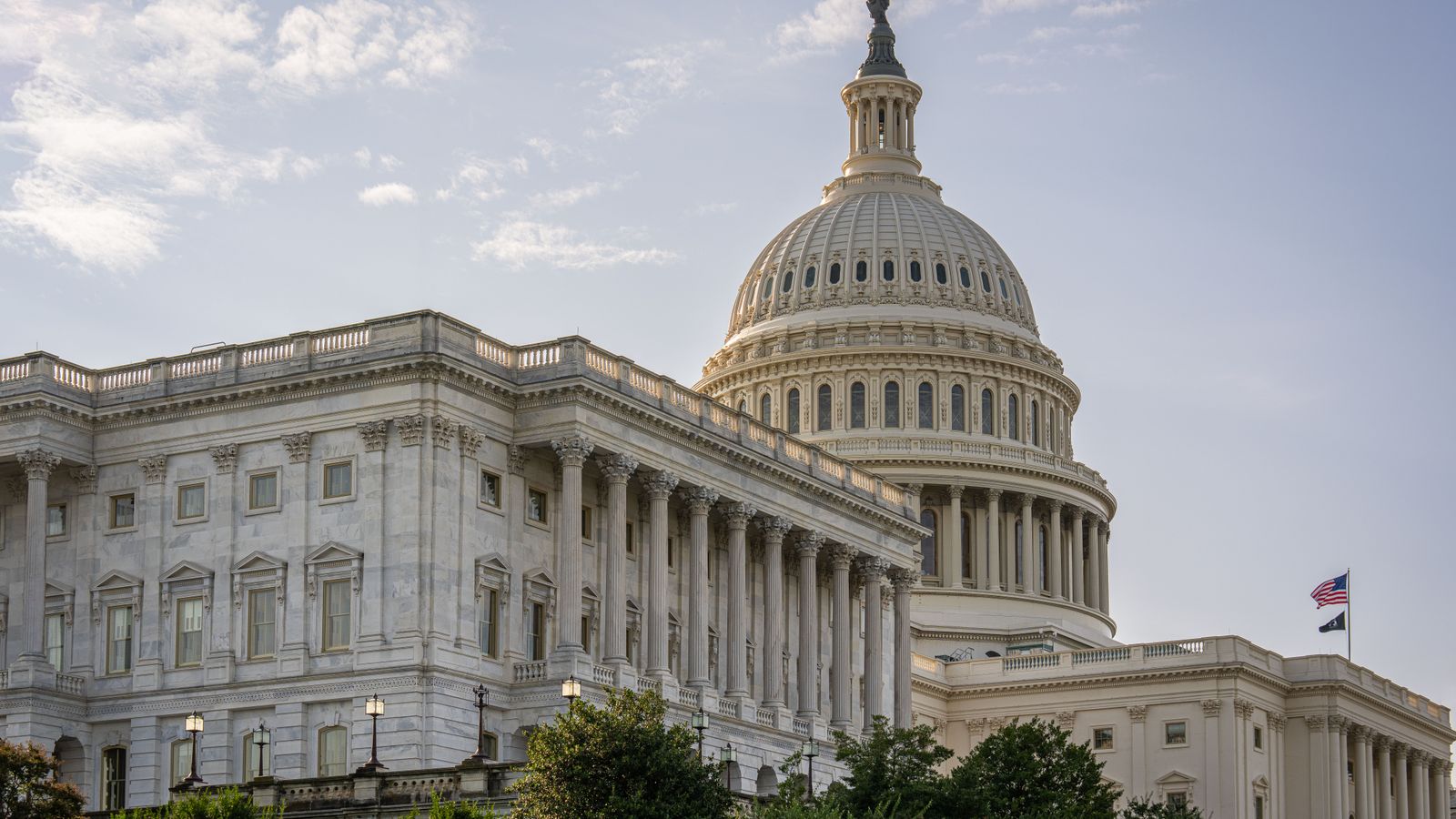
Executive Summary
Representative Ilhan Omar's May 2026 statement that "lots of members" of Congress use marijuana has reignited scrutiny of cannabis consumption among federal lawmakers who simultaneously craft drug policy. The Minnesota Democrat's comments, made during a public forum, highlight a longstanding tension: while 38 states have legalized medical cannabis and 24 permit adult recreational use as of May 2026, federal employees—including members of Congress—face no drug testing requirements despite marijuana remaining a Schedule I controlled substance under the Controlled Substances Act (21 U.S.C. § 812). This disconnect between state-level normalization and federal prohibition creates unique accountability questions for the 535 voting members who legislate cannabis policy while potentially consuming the substance themselves. Omar's remarks follow decades of speculation about congressional cannabis use, from documented cases in the 1970s and 1980s to modern advocacy by sitting members who publicly discuss their own consumption for medical purposes.Why This Matters
The question of congressional cannabis use intersects drug policy credibility, workplace standards, and the 68% of Americans who support legalization according to 2025 Gallup polling. Congressional hypocrisy concerns resonate across the political spectrum. Advocates argue that lawmakers voting against cannabis reform while privately consuming the substance undermine democratic legitimacy. Organizations like NORML and the Drug Policy Alliance have long questioned whether prohibition architects practice what they legislate. Conversely, some reform supporters view discreet congressional use as evidence that cannabis poses minimal harm—a lived rebuttal to Schedule I classification. The financial stakes are substantial. The legal U.S. cannabis market generated $33.6 billion in sales during 2025, supporting approximately 428,000 jobs according to Leafly's annual jobs report. Federal tax policy, particularly Internal Revenue Code Section 280E—which prohibits cannabis businesses from deducting ordinary expenses—costs the industry an estimated $1.8 billion annually. Lawmakers shaping these policies face questions about conflicts of interest if they personally benefit from or consume products they regulate. For patients, congressional cannabis use carries symbolic weight. An estimated 5.8 million Americans held active medical marijuana cards as of December 2025. Veterans groups, chronic pain patients, and epilepsy advocates have testified before Congress about cannabis as medicine while the substance remains federally illegal for any purpose. Revelations that lawmakers use cannabis medically could either validate patient experiences or expose disparities in legal protection.Background and History: Cannabis on Capitol Hill
Congressional cannabis use has evolved from scandalous revelation to quiet normalization over five decades, mirroring broader American attitudes.The 1970s: Prohibition's Architects and Private Use
The modern framework began with the Controlled Substances Act of 1970, which President Richard Nixon signed into law on October 27, 1970. The legislation, crafted by Congress, placed marijuana in Schedule I alongside heroin, defining it as having "no currently accepted medical use" and "high potential for abuse." Yet within years, reports emerged of congressional staffers and members using the substance. In 1977, the Carter administration's drug policy advisor, Dr. Peter Bourne, resigned after writing a Quaalude prescription under a false name for a White House staffer. The incident exposed widespread drug use among young Washington professionals, including marijuana consumption at congressional offices. A 1978 investigation by journalist Jack Anderson reported that "marijuana smoking is common among congressional aides," though he named no sitting members. The first confirmed case came in 1981 when Representative Frederick Richmond (D-NY) pleaded guilty to tax evasion and marijuana possession. Federal prosecutors revealed Richmond had purchased cannabis from a Capitol Hill dealer. He resigned from Congress on August 25, 1982.The 1980s-1990s: The War on Drugs Era
As President Ronald Reagan escalated the War on Drugs—signing the Anti-Drug Abuse Act of 1986, which created mandatory minimum sentences for drug offenses—congressional cannabis use became politically radioactive. The 1986 law established a 100-to-1 sentencing disparity between crack and powder cocaine, reflecting the era's punitive approach. During this period, several members faced allegations. Representative Melvin Jay Reynolds (D-IL) was investigated for drug use as part of broader misconduct probes in 1995, though marijuana charges were not pursued. The culture of silence deepened as the federal prison population for drug offenses grew from 4,700 in 1980 to 59,100 by 1990, according to Bureau of Justice Statistics data.The 2000s: Medical Marijuana States and Federal Disconnect
California's Proposition 215, passed in November 1996, created the first state medical marijuana program. By 2010, 14 states had followed. This state-federal split created new dynamics for Congress. In 2006, Representative Mark Souder (R-IN), a vocal drug war supporter who chaired hearings attacking marijuana advocates, was later revealed to have had an affair with a staffer in his office—an irony that fueled speculation about personal conduct versus public positions. While no cannabis use was alleged, the incident highlighted questions about lawmaker credibility on moral legislation. The Obama administration's 2009 Ogden Memo and 2013 Cole Memo established federal non-interference policies for state-legal cannabis programs. These shifts emboldened some members to discuss cannabis more openly, though few admitted personal use.The 2010s: Advocacy from Within
Representative Dana Rohrabacher (R-CA) became the first sitting member to publicly acknowledge cannabis use in decades. In a 2012 interview, Rohrabacher said he had tried cannabis for medical purposes after suffering pain from a surfing injury. He clarified he was not a regular user but supported legalization. In 2017, Representative Earl Blumenauer (D-OR) launched the Congressional Cannabis Caucus alongside Representatives Rohrabacher, Jared Polis (D-CO), and Don Young (R-AK). The bipartisan group advocated for federal reform while members carefully avoided discussing personal use. Former Speaker John Boehner (R-OH) joined the board of cannabis company Acreage Holdings in April 2018, eight months after leaving Congress. His reversal from prohibition supporter to industry advocate raised questions about whether personal experience or financial opportunity drove the shift.The 2020s: Normalization and Transparency Gaps
By 2020, 33 states had medical programs and 11 allowed recreational use. The U.S. House of Representatives passed the Marijuana Opportunity Reinvestment and Expungement (MORE) Act in December 2020, the first time either chamber approved federal descheduling. The bill died in the Senate but passed the House again in April 2022. Representative Alexandria Ocasio-Cortez (D-NY) discussed cannabis policy frequently but stopped short of confirming personal use. In a February 2021 Instagram video, she said, "I don't think there's anything wrong with smoking weed," without specifying her own habits. The Biden administration's October 2022 announcement of a marijuana pardons initiative and Schedule III rescheduling review—formalized through a DEA Notice of Proposed Rulemaking (NPRM) in May 2024—further normalized the conversation. Yet Congress maintained silence on member consumption.May 2026: Ilhan Omar's Statement
On May 14, 2026, Representative Ilhan Omar told attendees at a Minneapolis town hall that she believed "lots of members" of Congress use marijuana. According to The National Desk, Omar did not name specific colleagues or claim personal use. Her comments came during a discussion of the Cannabis Administration and Opportunity Act (CAOA), a Senate bill that would deschedule marijuana and expunge federal convictions. Omar's office did not respond to media requests for clarification on how many members she believed consumed cannabis or whether her assessment was based on direct knowledge. The statement nonetheless triggered renewed debate about congressional accountability and drug testing.Key Players
Representative Ilhan Omar (D-MN)
Omar, first elected in 2018, represents Minnesota's 5th Congressional District. She has consistently supported cannabis reform, co-sponsoring the MORE Act and CAOA. Minnesota legalized recreational cannabis in May 2023, making Omar one of 138 House members representing legal-use states as of 2026. Her May 2026 statement marked the most direct acknowledgment by a sitting member that congressional cannabis use is widespread.Congressional Cannabis Caucus
Founded in 2017, the caucus now includes 41 members as of May 2026. Co-chairs Representatives Earl Blumenauer (D-OR), Barbara Lee (D-CA), Dave Joyce (R-OH), and Brian Mast (R-FL) advocate for reform but maintain a policy of not discussing members' personal consumption. The caucus has pushed for SAFE Banking Act passage, 280E reform, and veterans' access to medical cannabis through the Department of Veterans Affairs.Senate Majority Leader Chuck Schumer (D-NY)
Schumer introduced the CAOA in July 2022 alongside Senators Cory Booker (D-NJ) and Ron Wyden (D-OR). The bill remains pending as of May 2026. Schumer has called federal prohibition "a failed policy" but has not addressed whether senators use cannabis. New York legalized recreational use in March 2021.Drug Enforcement Administration (DEA)
The DEA, operating under the Department of Justice, enforces the Controlled Substances Act. DEA Administrator Anne Milgram oversees the ongoing Schedule III rescheduling process initiated by the Biden administration. The agency has not commented on congressional cannabis use, and federal law does not require drug testing for members of Congress.Office of Congressional Ethics (OCE)
The OCE, established in 2008, investigates misconduct allegations against House members. Cannabis use in legal states would not violate House rules, as no chamber policy prohibits federally illegal drug consumption. The OCE has not opened investigations based solely on marijuana use allegations.National Organization for the Reform of Marijuana Laws (NORML)
NORML has advocated for legalization since 1970. Political Director Justin Strekal said in a 2022 interview that the organization assumes "some members of Congress consume cannabis" but focuses advocacy on policy rather than personal behavior. NORML has not called for mandatory congressional drug testing.Legal and Regulatory Framework
Congressional cannabis use occupies a unique legal gray zone where federal prohibition, state legalization, and legislative immunity intersect.The Controlled Substances Act (21 U.S.C. § 812)
Marijuana remains a Schedule I controlled substance under federal law, defined as having "no currently accepted medical use in treatment in the United States" and "a lack of accepted safety for use under medical supervision." Possession of any amount is a federal misdemeanor under 21 U.S.C. § 844, punishable by up to one year imprisonment and a minimum $1,000 fine for first offense. However, the Department of Justice has not prosecuted individuals for simple possession in states with legal programs since the 2013 Cole Memo, despite that memo's 2018 rescission by Attorney General Jeff Sessions. The Biden administration has maintained de facto non-enforcement.Congressional Immunity and the Speech or Debate Clause
Article I, Section 6 of the U.S. Constitution provides that senators and representatives "shall in all Cases, except Treason, Felony and Breach of the Peace, be privileged from Arrest during their Attendance at the Session of their respective Houses." This clause protects members from civil process but does not shield criminal conduct. Drug possession is a felony under some circumstances (21 U.S.C. § 841 for distribution; 21 U.S.C. § 844(a) becomes a felony for repeat offenses). However, no member has been arrested for marijuana possession since Frederick Richmond in 1981, and the Justice Department has shown no interest in prosecuting congressional cannabis use.House and Senate Ethics Rules
Neither chamber's ethics rules explicitly address drug use. The House Code of Official Conduct requires members to "conduct themselves at all times in a manner that reflects creditably on the House." Senate Rule XXXVII contains similar language. Cannabis consumption in a legal state would not clearly violate these standards, as millions of Americans engage in the same behavior. The House Ethics Manual does not mention marijuana. The Senate Ethics Manual addresses illegal gratuities and conflicts of interest but not controlled substance use.Drug-Free Workplace Act of 1988
The Drug-Free Workplace Act (41 U.S.C. § 8102) requires federal contractors and grantees to maintain drug-free workplaces. However, the law does not apply to Congress itself. Members are not subject to the drug testing requirements that apply to many federal employees, including those in safety-sensitive positions. The Office of Personnel Management (OPM) requires drug testing for federal employees in positions involving law enforcement, national security, and public safety. Congressional staff are not subject to these requirements unless they work for agencies like the Capitol Police.State Legalization and Federal Property
As of May 2026, 24 states and the District of Columbia have legalized recreational cannabis, while 38 states permit medical use. However, federal law supersedes state law on federal property under the Supremacy Clause (Article VI, Clause 2). The U.S. Capitol, congressional office buildings, and other federal facilities remain subject to federal prohibition regardless of surrounding state law. Possession on Capitol grounds would violate federal law, though enforcement is at the discretion of the U.S. Capitol Police.The Pending Schedule III Rescheduling
The DEA's May 2024 NPRM proposed moving marijuana to Schedule III under the Controlled Substances Act, alongside ketamine and anabolic steroids. This change, if finalized, would acknowledge medical use and reduce criminal penalties but would not legalize recreational possession. The rescheduling process includes a public comment period that closed in July 2024 and an administrative law judge (ALJ) hearing scheduled for December 2026. Schedule III status would not eliminate federal prohibition but would allow cannabis businesses to deduct ordinary expenses under Section 280E, potentially saving the industry $1.8 billion annually.What Experts and Stakeholders Say
Legal scholars, ethics experts, and reform advocates offer divergent views on whether congressional cannabis use constitutes hypocrisy, pragmatism, or irrelevance. Professor Douglas Berman of Ohio State University's Moritz College of Law, an expert on drug policy and sentencing, has written that lawmakers' personal conduct matters less than their policy positions. In a 2021 blog post, Berman noted that "many legislators who drink alcohol support strict DUI laws," suggesting personal use and policy advocacy are not inherently contradictory. Conversely, Kevin Sabet, president of Smart Approaches to Marijuana (SAM), an anti-legalization group, has argued that lawmakers who use cannabis while blocking reform engage in "elite hypocrisy." In a 2023 interview, Sabet said members who consume marijuana in legal states while maintaining federal prohibition "enjoy privileges denied to millions of Americans, particularly communities of color disproportionately targeted by enforcement." NORML's deputy director, Paul Armentano, has stated that the organization does not focus on individual members' consumption. In a May 2026 statement responding to Omar's comments, Armentano said, "What matters is whether Congress will finally end a prohibition that has ruined millions of lives, not whether individual members partake in a substance safer than alcohol." Ethics attorney Kedric Payne, senior director of ethics at the Campaign Legal Center, told Roll Call in 2022 that congressional cannabis use in legal states "would not violate ethics rules as currently written," but noted that "the optics of lawmakers exempting themselves from a prohibition they maintain for others is problematic." The Congressional Research Service (CRS) has not published reports specifically addressing member cannabis use, though its 2024 analysis of marijuana rescheduling noted that "Congress retains authority to legislate controlled substance policy regardless of executive branch scheduling decisions."Market and Business Implications
Congressional cannabis use—or the perception thereof—influences investor confidence, lobbying strategies, and the $33.6 billion legal industry's political calculus. Multi-state operators (MSOs) like Curaleaf, Trulieve, and Green Thumb Industries have collectively spent over $12 million on federal lobbying since 2019, according to OpenSecrets data. These companies seek passage of the SAFE Banking Act, which would allow financial institutions to serve cannabis businesses without federal penalty, and elimination of 280E tax burdens. Lobbyists for the industry have long operated under the assumption that some members of Congress use cannabis, according to a 2023 Politico report citing unnamed industry sources. This assumption shapes messaging strategies that emphasize cannabis as mainstream rather than fringe. Omar's May 2026 comments validated these assumptions publicly for the first time. The SAFE Banking Act has passed the House seven times since 2019 but has stalled in the Senate. Industry analysts at Cowen Equity Research estimated in April 2026 that SAFE passage would unlock $3-5 billion in institutional capital currently sidelined by federal illegality. Perceptions that senators privately use cannabis while blocking banking reform have fueled frustration among investors. Section 280E of the Internal Revenue Code, enacted in 1982 to target drug traffickers, prohibits businesses trafficking Schedule I or II substances from deducting rent, payroll, and other ordinary expenses. Cannabis companies pay effective federal tax rates of 40-70%, according to a 2025 analysis by cannabis accounting firm Dope CFO. If marijuana moves to Schedule III, 280E would no longer apply, potentially increasing industry profitability by 15-25%. Some investors view congressional cannabis use as a leading indicator of eventual reform. A January 2026 investor note from Cantor Fitzgerald suggested that "normalization of consumption among policymakers reduces political risk" for cannabis equities. However, others caution that personal use does not guarantee legislative action, pointing to decades of inaction despite shifting public opinion.State-by-State Landscape: Where Congressional Cannabis Use Is Legal
As of May 2026, 138 of 435 House members and 48 of 100 senators represent states where recreational cannabis is legal, creating a patchwork of legal protection for members' personal conduct.| State | Legal Status | Legalization Date | Possession Limit | House Members | Senators |
|---|---|---|---|---|---|
| California | Recreational | January 2018 | 1 oz (28.5g) | 52 | 2 |
| New York | Recreational | March 2021 | 3 oz (85g) | 26 | 2 |
| Florida | Medical only | November 2016 | N/A (registry) | 28 | 2 |
| Texas | Limited medical | June 2015 | N/A (low-THC only) | 38 | 2 |
| Colorado | Recreational | January 2014 | 1 oz (28g) | 8 | 2 |
| Illinois | Recreational | January 2020 | 30g (1.06 oz) | 17 | 2 |
| Ohio | Recreational | December 2023 | 2.5 oz (71g) | 15 | 2 |
| Minnesota | Recreational | August 2023 | 2 oz (56g) | 8 | 2 |
California
California legalized recreational cannabis through Proposition 64 in November 2016, with sales beginning January 2018. The state's 52 House members include prominent reform advocates like Representatives Barbara Lee, Ro Khanna, and Katie Porter. California's market generated $5.3 billion in sales during 2025, the largest of any state.New York
New York's Marijuana Regulation and Taxation Act took effect March 31, 2021, though licensed retail sales did not begin until December 2022. Senate Majority Leader Chuck Schumer and Senator Kirsten Gillibrand both represent New York, as do 26 House members including Representatives Alexandria Ocasio-Cortez, Hakeem Jeffries, and Elise Stefanik.Colorado
Colorado was the first state to implement recreational sales, beginning January 1, 2014, following Amendment 64's passage in November 2012. The state's eight House members include Representatives Diana DeGette and Jason Crow. Colorado's mature market provides a model for federal policy discussions.Ohio
Ohio voters approved Issue 2 in November 2023, legalizing recreational cannabis effective December 7, 2023. The state's 15 House members include Cannabis Caucus co-chair Dave Joyce (R), a vocal reform advocate. Ohio's transition from prohibition to legalization within months demonstrates rapid normalization.Minnesota
Minnesota legalized recreational cannabis in May 2023, with sales beginning in 2024. Representative Ilhan Omar represents Minnesota's 5th District, which includes Minneapolis. Her May 2026 comments came in a state where adult use has been legal for three years.States Without Legal Programs
Twelve states maintain full prohibition as of May 2026: Idaho, Wyoming, Kansas, Nebraska, Iowa, Wisconsin, Tennessee, Kentucky, South Carolina, North Carolina, and Georgia. Members representing these states face different political dynamics, though some—like Senator Rand Paul (R-KY)—support federal reform despite state-level prohibition.What's Next: Timeline and Scenarios
The trajectory of congressional cannabis use as a political issue depends on rescheduling decisions, 2026 midterm elections, and potential ethics investigations.December 2026: DEA Administrative Law Judge Hearing
The DEA has scheduled an ALJ hearing for December 16-20, 2026, to consider objections to the Schedule III rescheduling proposal. If the ALJ recommends finalization and the DEA administrator concurs, marijuana could move to Schedule III by mid-2027. This change would not legalize recreational use but would reduce the stigma around congressional consumption.November 2026: Midterm Elections
All 435 House seats and 33 Senate seats are contested in November 2026. Cannabis policy has emerged as a campaign issue in swing districts, with some Republican challengers attacking Democratic incumbents for supporting legalization while others embrace reform. If control of either chamber flips, leadership changes could accelerate or stall reform legislation.Potential Ethics Investigations
Representative Ilhan Omar's comments could trigger calls for OCE or Senate Ethics Committee investigations into whether members use cannabis on federal property. However, such probes would require a formal complaint and evidence of rule violations. Legal experts consider investigations unlikely absent allegations of on-premises use or impairment during official duties.SAFE Banking and CAOA Legislative Prospects
The SAFE Banking Act remains pending in the Senate as of May 2026, attached to various legislative vehicles including the National Defense Authorization Act (NDAA). Industry analysts give the standalone bill a 35-40% chance of passage in 2026, according to Viridian Capital Advisors' May 2026 policy tracker. The Cannabis Administration and Opportunity Act faces longer odds, requiring 60 Senate votes to overcome a filibuster. Majority Leader Schumer has not scheduled floor time, and Republican leadership opposes descheduling. Passage before 2028 is considered unlikely unless Democrats gain seats in November 2026.Disclosure and Transparency Reforms
Some reform advocates have called for voluntary disclosure by members who use cannabis, similar to financial disclosure requirements. However, no legislative proposal has emerged, and constitutional privacy concerns would complicate mandatory reporting.Further Reading and Primary Sources
- Controlled Substances Act, 21 U.S.C. § 801 et seq. — https://www.govinfo.gov/content/pkg/USCODE-2021-title21/pdf/USCODE-2021-title21-chap13.pdf
- DEA Notice of Proposed Rulemaking: Marijuana Rescheduling (May 2024) — https://www.federalregister.gov/documents/2024/05/21/2024-11137/schedules-of-controlled-substances-rescheduling-of-marijuana
- Congressional Cannabis Caucus official page — https://blumenauer.house.gov/cannabis-caucus
- Cannabis Administration and Opportunity Act (S.4591, 117th Congress) — https://www.congress.gov/bill/117th-congress/senate-bill/4591
- Marijuana Opportunity Reinvestment and Expungement (MORE) Act (H.R.3617, 117th Congress) — https://www.congress.gov/bill/117th-congress/house-bill/3617
- SAFE Banking Act (S.2860, 117th Congress) — https://www.congress.gov/bill/117th-congress/senate-bill/2860
- Internal Revenue Code Section 280E — https://www.law.cornell.edu/uscode/text/26/280E
- House Committee on Ethics, Code of Official Conduct — https://ethics.house.gov/code-official-conduct
- NORML Congressional Scorecard (2024) — https://norml.org/congressional-scorecard/
- Gallup polling on marijuana legalization (1969-2025) — https://news.gallup.com/poll/1657/illegal-drugs.aspx
- Leafly Jobs Report 2025 — https://www.leafly.com/news/industry/cannabis-jobs-report
- Congressional Research Service, "Marijuana: Medical and Retail—Selected Legal Issues" (2024) — https://crsreports.congress.gov/product/pdf/R/R44782
Frequently asked questions
Are members of Congress drug tested for marijuana?
No. Members of Congress are not subject to mandatory drug testing. Unlike many federal employees and military personnel who face routine screening, lawmakers have no legal requirement to submit to drug tests. Congressional staff members are also exempt from mandatory testing. This exemption exists because Congress sets its own employment rules through internal regulations rather than following standard federal workplace policies that apply to executive branch employees.
Is it legal for members of Congress to use marijuana?
Marijuana remains illegal under federal law through the Controlled Substances Act, which technically applies to all U.S. citizens including Congress members. However, enforcement against personal use is rare, and no specific statute prohibits congressional cannabis consumption outside federal property. Members cannot legally possess or use marijuana on Capitol grounds or in federal buildings. In their home states, they could theoretically use cannabis where state law permits, though this creates a legal gray area given federal prohibition.
Which members of Congress have admitted to using marijuana?
Several lawmakers have publicly discussed cannabis use. Representative Alexandria Ocasio-Cortez acknowledged past marijuana use in 2018. Senator Cory Booker has spoken about previous cannabis consumption. Representative Matt Gaetz has discussed CBD use. In 2026, Representative Ilhan Omar stated she believes many congressional colleagues use marijuana, though she did not name specific individuals. Most admissions reference past use rather than current consumption, likely due to the federal legal status and political considerations.
Can Congress members be prosecuted for marijuana possession?
Theoretically yes, but practically unlikely. While federal marijuana prohibition applies to everyone, prosecution of sitting Congress members for personal cannabis use would be unprecedented. The Speech or Debate Clause of the Constitution provides some immunity for legislative activities, though it would not protect personal drug use. U.S. Attorneys, who handle federal prosecutions, would face significant political and practical barriers to charging a lawmaker. No member of Congress has been federally prosecuted for marijuana possession in modern history.
How does congressional cannabis use affect marijuana legislation?
Personal experience with cannabis may influence some lawmakers' positions on reform legislation. Members who have used marijuana or represent states with legal cannabis programs often champion federal reform bills like the MORE Act or SAFE Banking Act. However, many legalization supporters have never used cannabis, while some past users still oppose reform. The disconnect between lawmakers' potential personal use and continued federal prohibition highlights the political complexity of marijuana policy rather than direct causation between personal behavior and legislative action.
What are the ethics rules around congressional marijuana use?
The House and Senate ethics committees have not issued specific guidance on marijuana use. General ethics rules require members to obey federal law, which prohibits cannabis. However, ethics enforcement focuses primarily on corruption, conflicts of interest, and financial disclosure rather than personal drug use. No member has faced ethics sanctions specifically for marijuana consumption. The ambiguity reflects Congress's broader reluctance to address the contradiction between federal prohibition and widespread state-level legalization.
Do congressional staff members use marijuana?
Congressional staff face the same lack of drug testing as members themselves, and anecdotal evidence suggests cannabis use occurs among Capitol Hill employees. Staff working in states with legal marijuana may use it legally under state law, though federal prohibition technically applies. Some offices reportedly have informal policies discouraging cannabis use, while others take no position. The 2022 House Administration Committee guidance clarified that prior marijuana use should not disqualify candidates from staff positions, acknowledging the reality of cannabis consumption among potential employees.
How does Congress's cannabis use compare to the general public?
National surveys show approximately 16-18% of American adults report past-month marijuana use according to the National Survey on Drug Use and Health. No reliable data exists on congressional usage rates, making direct comparison impossible. The demographic profile of Congress—older, wealthier, and more professionally established—might suggest lower usage rates than the general population. However, the concentration of members from legal cannabis states and younger representatives elected in recent cycles could push rates higher than traditional congressional demographics would predict.
Can members of Congress invest in cannabis companies?
Yes, with disclosure requirements. Members can legally invest in cannabis businesses despite federal prohibition on the substance itself. The STOCK Act requires lawmakers to report stock trades including cannabis company investments. Several members hold positions in marijuana industry stocks or funds. However, ethics rules prohibit using non-public legislative information for personal financial gain. Members working on cannabis legislation face potential conflicts of interest if they hold significant marijuana industry investments, though no specific prohibition exists.
What happens if a Congress member tests positive for marijuana?
This scenario has not occurred publicly because members are not tested. If a member voluntarily submitted to testing or was tested due to law enforcement action and tested positive, no automatic consequences would follow. The member's political party could take action, voters could respond in elections, and ethics committees could theoretically investigate, but no formal removal mechanism exists for drug use alone. Only expulsion by two-thirds vote of the respective chamber or criminal conviction could force removal, and marijuana use alone has never triggered either process.
How do international lawmakers handle cannabis use?
Policies vary globally. Canadian Parliament members can legally use marijuana following national legalization in 2018, though no official data on usage exists. In the Netherlands, where cannabis is decriminalized, lawmakers face no restrictions. Germany's Bundestag members can use cannabis following 2024 legalization. Uruguay, Thailand, and other countries with legal frameworks similarly place no special restrictions on legislators. The U.S. remains unusual in maintaining federal prohibition while many states legalize, creating unique ambiguity for American lawmakers.
Does the Secret Service test Congress members for drugs?
The Secret Service does not routinely protect most members of Congress and does not conduct drug testing on lawmakers. Protection is generally limited to congressional leadership like the Speaker of the House. Even for protected individuals, the Secret Service does not have authority to drug test the officials they guard. Their role is security, not law enforcement regarding personal drug use. If agents witnessed illegal drug activity, they could report it to appropriate authorities, but no such incidents involving marijuana and Congress members have been publicly documented.
The cannabis newsletter you forward to your team.
Federal policy, market data, grower alerts, and the one story that matters today. Sent every weekday at 7am. Free.
No spam. Unsubscribe with one click. 21+ only.