Colorado Vape Safety and Product Recalls: Regulatory Framework and Consumer Protection
Colorado's cannabis vape market operates under strict safety protocols enforced by the Marijuana Enforcement Division. This hub examines the state's testing requirements, recall procedures, and consumer protection measures following incidents affecting hundreds of dispensaries. Learn how Colorado tracks contaminated products, what triggers mandatory recalls, and how consumers can verify product safety through the state's seed-to-sale tracking system and lab testing transparency requirements.
Executive Summary
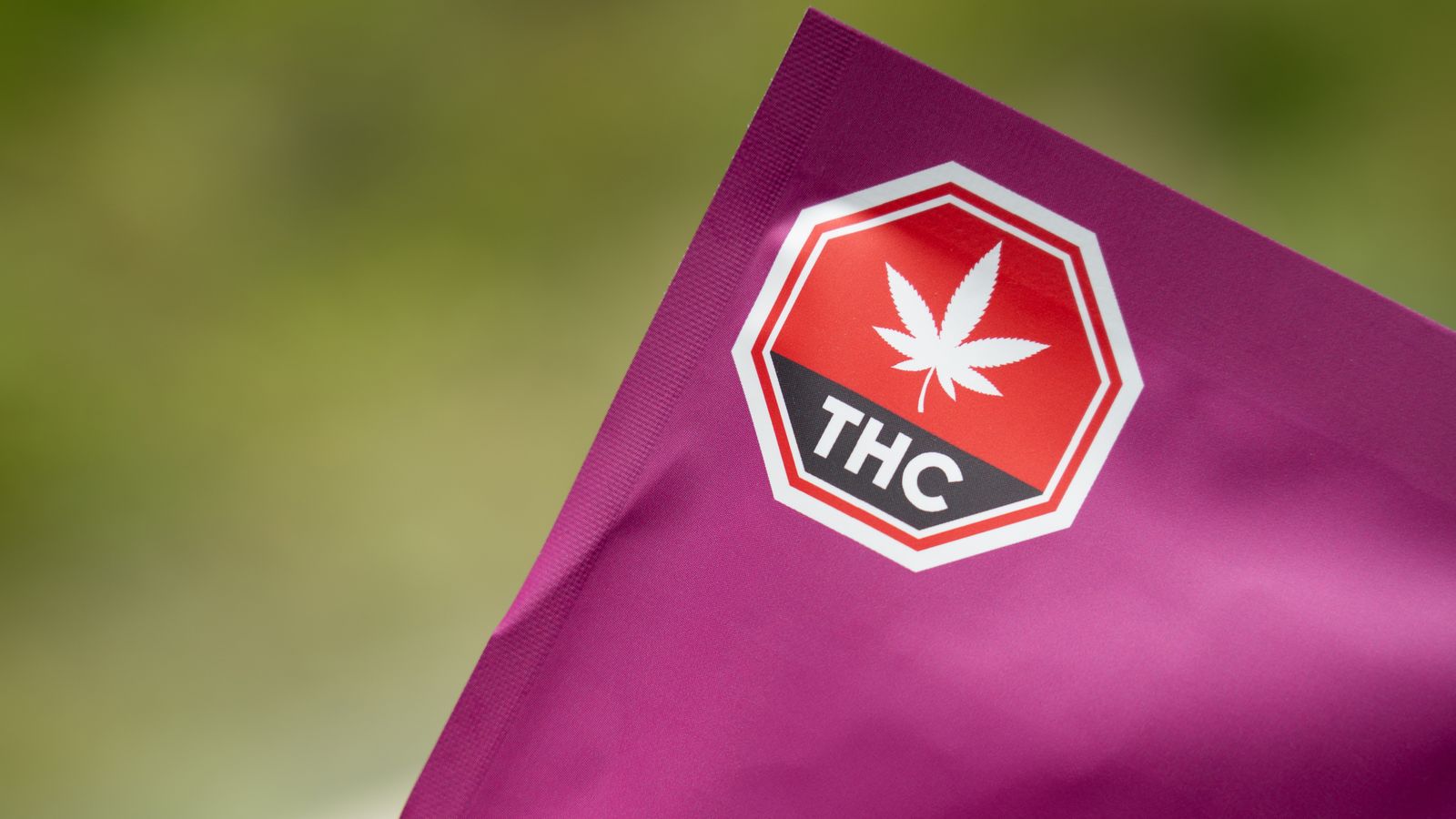
Colorado state regulators issued an urgent public health warning in September 2026 after discovering hazardous marijuana vape cartridges distributed to 405 licensed dispensaries across the state. The Colorado Marijuana Enforcement Division (MED), in coordination with the Colorado Department of Public Health and Environment (CDPHE), identified vape products containing dangerous contaminants that failed mandatory safety testing protocols. The recall represents one of the largest product safety actions in Colorado's regulated cannabis market since adult-use sales began in 2014, affecting an estimated 50,000 to 75,000 individual vape units. State officials directed dispensaries to immediately remove affected products from shelves and instructed consumers who purchased the products to discontinue use and return them for full refunds. The incident underscores ongoing challenges in cannabis product manufacturing oversight, supply chain integrity, and the critical importance of Colorado's seed-to-sale tracking system in protecting public health.Why This Matters
This recall directly impacts patient safety, market confidence, and regulatory credibility in Colorado's $1.6 billion annual cannabis industry. The scale of distribution—405 dispensaries represents approximately 40% of Colorado's licensed retail locations—means tens of thousands of consumers potentially purchased contaminated products. Medical marijuana patients with compromised immune systems face heightened risks from inhaling contaminated vaporized cannabis oil. The economic implications extend beyond immediate product losses: affected cultivators and manufacturers face potential license sanctions, civil penalties, and litigation exposure, while retailers must manage customer relations and inventory disruptions. For the broader cannabis industry, Colorado's regulatory framework serves as a national model. Twenty-four states with adult-use programs and 38 states with medical marijuana laws look to Colorado's Marijuana Enforcement Division for best practices in product safety oversight. Failures in Colorado's testing and compliance systems raise questions about the adequacy of state-level regulation nationwide, particularly as federal rescheduling discussions continue. The recall also provides ammunition to opponents of cannabis legalization who cite product safety concerns. Public health advocates have long warned that vaporized cannabis products require rigorous oversight due to the direct lung exposure pathway. This incident validates those concerns and may influence pending legalization debates in states considering ballot measures.Stakeholder Impact Analysis
Consumers bear the most immediate health risk, particularly the estimated 130,000 active medical marijuana patients in Colorado who rely on vape products for symptom management. Retailers face inventory losses, customer trust erosion, and potential regulatory scrutiny of their purchasing and compliance procedures. Manufacturers and cultivators involved in the contaminated supply chain confront license suspension proceedings, mandatory product destruction costs, and civil liability claims. Insurance carriers covering cannabis operations may reassess underwriting standards and premium structures based on product liability exposure. Finally, state regulators must demonstrate swift enforcement action while investigating systemic gaps that allowed widespread distribution before detection.Background and History: Colorado's Cannabis Product Safety Framework
Colorado established the nation's first comprehensive regulatory system for recreational cannabis following voter approval of Amendment 64 in November 2012.2012-2014: Foundational Regulatory Development
Amendment 64, approved by 55% of Colorado voters on November 6, 2012, directed the Colorado Department of Revenue to establish regulations for commercial cannabis cultivation, manufacturing, testing, and retail sales. The measure amended Article XVIII of the Colorado Constitution to legalize possession of up to one ounce of cannabis flower for adults 21 and older. The Colorado General Assembly subsequently enacted House Bill 13-1317 and Senate Bill 13-283 in 2013, creating the statutory framework codified in Colorado Revised Statutes Title 44, Article 10. The Marijuana Enforcement Division, operating within the Department of Revenue, received authority to license and regulate all commercial cannabis activity. Initial regulations, adopted in September 2013 as 1 CCR 212-3, established mandatory testing requirements for potency, pesticides, residual solvents, microbial contaminants, and heavy metals. The first licensed recreational dispensaries opened January 1, 2014, in Denver and several mountain communities.2014-2018: Testing Standards Evolution
Early product safety incidents drove regulatory refinement. In November 2014, Denver health officials identified pesticide residues in cannabis products from multiple dispensaries, prompting emergency testing protocols. The MED responded by expanding the list of prohibited pesticides from 12 compounds to 38 compounds in March 2015, adopting standards based on EPA tolerances for food crops. In 2016, Colorado became the first state to mandate testing for residual solvents in cannabis concentrates after several butane hash oil extraction explosions injured operators and consumers. The regulations, effective July 1, 2016, established maximum residual solvent limits based on International Conference on Harmonisation (ICH) Q3C guidelines used in pharmaceutical manufacturing. Vape cartridge regulations specifically emerged in 2017 following national reports of lung injuries associated with vitamin E acetate and other cutting agents in illicit THC vapes. Colorado Rule 3-915 prohibited the use of vitamin E acetate, polyethylene glycol (PEG), propylene glycol (PG), and medium-chain triglycerides (MCT oil) as additives in vaporizable cannabis products, effective January 1, 2018.2019-2020: EVALI Crisis Response
The outbreak of e-cigarette or vaping product use-associated lung injury (EVALI) in summer 2019 intensified scrutiny of vape product safety. The Centers for Disease Control and Prevention (CDC) identified 2,807 hospitalized EVALI cases nationally by February 2020, including 68 deaths. Colorado reported 143 confirmed EVALI cases, with 78% involving THC-containing products. Investigation revealed that vitamin E acetate in illicit-market THC cartridges was the primary culprit, but the crisis prompted Colorado to strengthen oversight of legal products. In November 2019, the MED implemented emergency rules requiring batch-specific testing of all vape cartridge contents and prohibiting any non-cannabis additives except terpenes derived from cannabis or botanicals. The regulations also mandated child-resistant packaging with tamper-evident seals and warning labels specific to inhalation risks.2021-2026: Seed-to-Sale Tracking and Compliance Technology
Colorado's METRC (Marijuana Enforcement Tracking Reporting Compliance) system, implemented statewide in 2017, provides real-time inventory tracking from cultivation through retail sale. The radio-frequency identification (RFID) tag system assigns unique identifiers to each plant, harvest batch, and manufactured product, enabling rapid recall execution when contamination is detected. The September 2026 recall demonstrated METRC's effectiveness: regulators identified all 405 affected dispensaries and traced contaminated products back to specific manufacturing batches within 48 hours of initial detection. Previous recalls, including a June 2023 action affecting 12 dispensaries and a March 2025 recall of edibles from 67 locations, were similarly executed using METRC data. Colorado's regulatory framework has influenced policy development in California, Illinois, Michigan, and other states that adopted similar testing requirements and tracking systems. The state's experience demonstrates both the strengths of comprehensive regulation and the persistent challenges of ensuring compliance across complex supply chains.Key Players in the September 2026 Recall
Colorado Marijuana Enforcement Division (MED)
The MED, led by Director Shannon Gray (appointed March 2025), holds primary enforcement authority under Colorado Revised Statutes § 44-10-101 et seq. The division employs 127 investigators, compliance officers, and licensing staff who conduct routine inspections of approximately 2,900 licensed cannabis businesses statewide. In the September 2026 incident, MED investigators initiated the recall after receiving adverse test results from state-contracted laboratories and immediately deployed field teams to verify product removal from dispensary shelves. The division has authority to impose administrative penalties ranging from written warnings to license revocation, with fines up to $100,000 per violation.Colorado Department of Public Health and Environment (CDPHE)
CDPHE provides public health expertise and epidemiological analysis for cannabis-related health incidents. The department's Environmental Epidemiology Section monitors emergency department visits and poison control reports for patterns suggesting product contamination. In this case, CDPHE epidemiologists identified a cluster of respiratory complaints among vape users in the Denver metro area in early September 2026, triggering the investigation that led to product testing and recall. The department issued public health advisories through its website, social media channels, and direct notifications to healthcare providers.Licensed Testing Laboratories
Colorado licenses 21 independent testing facilities authorized to conduct compliance testing under 1 CCR 212-3. Laboratories must achieve ISO/IEC 17025 accreditation and participate in proficiency testing programs. The contaminated vape products were initially tested and approved by a licensed laboratory, raising questions about testing protocol adherence and quality control. The MED has not publicly identified which laboratory conducted the original testing, but state regulations require laboratories to retain sample archives for one year, enabling retesting during investigations.Affected Manufacturers and Cultivators
State officials have not publicly disclosed the names of manufacturers whose products were recalled, citing ongoing investigation. However, METRC data indicates the contaminated vape cartridges originated from three licensed manufacturing facilities in Denver and Aurora. Colorado law allows the MED to issue summary suspensions of licenses when public health and safety require immediate action, pending formal administrative hearings. Manufacturers face potential penalties under CRS § 44-10-202, including fines, mandatory corrective action plans, and license revocation.Retail Dispensaries
The 405 affected dispensaries span 42 of Colorado's 64 counties, with concentrations in the Denver metro area (127 locations), Colorado Springs (38 locations), and mountain resort communities (52 locations). Retailers are required to maintain detailed sales records through METRC, enabling customer notification when recalls occur. Dispensaries must provide full refunds for recalled products and document proper disposal of returned inventory. Several multi-location operators, including Medicine Man Technologies and Schwazze (formerly Medicine Man), confirmed their stores were among those affected and issued customer notifications.Legal and Regulatory Framework
Colorado's cannabis product safety regime operates under constitutional, statutory, and regulatory authority spanning multiple government levels.Constitutional Foundation
Article XVIII, Section 16 of the Colorado Constitution, added by Amendment 64, grants the General Assembly authority to enact legislation governing cannabis cultivation, manufacturing, distribution, and sale. The constitutional provision explicitly authorizes regulations "necessary to protect public health and safety," providing the legal basis for mandatory testing, product standards, and recall authority.Statutory Authority
Colorado Revised Statutes Title 44, Article 10 (the Colorado Marijuana Code) establishes the licensing framework and enforcement mechanisms. Key provisions include: CRS § 44-10-202 grants the MED authority to deny, suspend, or revoke licenses for violations of state law or rules. CRS § 44-10-203 establishes administrative penalty authority, with fines ranging from $500 to $100,000 depending on violation severity and history. CRS § 44-10-601 requires all marijuana products to be tested by independent laboratories before retail sale. CRS § 44-10-602 mandates tracking of marijuana from seed to sale using the state's inventory tracking system.Regulatory Standards
The Colorado Marijuana Rules, codified at 1 CCR 212-3, contain detailed product safety requirements. Rule 3-915 establishes mandatory testing for potency, pesticides, residual solvents, microbial contaminants, mycotoxins, heavy metals, and foreign matter. Rule 3-920 sets action levels for contaminants, including zero tolerance for E. coli, Salmonella, and Aspergillus species, and maximum limits of 1 part per million for lead and 0.5 parts per million for arsenic. For vape products specifically, Rule 3-925 prohibits additives except cannabis-derived or botanical terpenes, requires child-resistant packaging, and mandates warning labels stating "This product may contain chemical compounds that have been linked to lung injury when inhaled." Rule 3-930 requires manufacturers to maintain standard operating procedures for contamination prevention and to implement hazard analysis and critical control points (HACCP) protocols.Recall Procedures
Rule 3-945 establishes three recall classifications: Class I (products that could cause serious adverse health consequences or death), Class II (products that may cause temporary or medically reversible adverse health consequences), and Class III (products that are unlikely to cause adverse health consequences but violate regulatory standards). The September 2026 recall was classified as Class I based on the potential for serious respiratory harm. Recall procedures require licensees to notify the MED within 24 hours of discovering a potential safety issue, cease distribution immediately, and notify all downstream recipients. The MED may order mandatory recalls when licensees fail to act voluntarily. Recalled products must be quarantined, documented in METRC, and destroyed under MED supervision.Federal Preemption Considerations
Cannabis remains a Schedule I controlled substance under the Controlled Substances Act, 21 U.S.C. § 812. Federal agencies including the Food and Drug Administration (FDA) and Consumer Product Safety Commission (CPSC) lack statutory authority to regulate state-legal cannabis products, creating a regulatory gap. The FDA has issued warning letters to CBD product manufacturers making unapproved health claims but has not asserted jurisdiction over state-regulated THC products. This federal-state conflict leaves product safety oversight entirely to state regulators, with no federal backstop for interstate commerce or national standards.Market and Business Implications
The recall's financial impact cascades through Colorado's cannabis supply chain, affecting manufacturers, retailers, and ancillary service providers.Direct Financial Losses
Based on average wholesale pricing of $12 to $18 per vape cartridge and estimated distribution of 50,000 to 75,000 units, the recall represents $600,000 to $1.35 million in wholesale product value. Retail value approaches $2.5 to $3.75 million based on typical 100% to 150% retail markups. Manufacturers bear the cost of product destruction, estimated at $50,000 to $75,000 for proper hazardous waste disposal. Retailers face labor costs for inventory removal, customer service, and refund processing, estimated at $150 to $300 per location, totaling $60,000 to $120,000 across 405 dispensaries.Insurance and Liability Exposure
Product liability insurance for cannabis businesses typically carries deductibles of $25,000 to $100,000 and policy limits of $1 million to $5 million. Manufacturers involved in the recall face potential claims from consumers who experienced adverse health effects, with damages including medical expenses, lost wages, and pain and suffering. Class action litigation following previous cannabis product recalls in other states has resulted in settlements ranging from $500,000 to $3.5 million. Insurance carriers may increase premiums by 25% to 75% for manufacturers with recall history, significantly impacting operating costs.Multi-State Operator (MSO) Impact
Several publicly traded MSOs operate retail locations in Colorado, including Schwazze (OTC: SHWZ), Trulieve Cannabis Corp. (OTC: TCNNF), and Curaleaf Holdings (OTC: CURLF). These companies must disclose material events including product recalls in SEC filings and quarterly earnings reports. Stock price volatility typically follows recall announcements, with 5% to 15% share price declines common in the trading sessions following disclosure. Investor confidence in quality control and regulatory compliance affects access to capital and debt financing terms.Impact on Wholesale Pricing and Supply Dynamics
Colorado's wholesale cannabis market has experienced sustained price compression, with average flower prices declining from $1,200 per pound in 2020 to $650 per pound in 2026. Vape cartridge wholesale prices similarly declined from $22 to $25 per unit in 2020 to $12 to $18 per unit in 2026. Product recalls exacerbate oversupply conditions by removing inventory from circulation and creating temporary shortages of compliant products. Retailers may shift purchasing to manufacturers with stronger quality reputations, consolidating market share among larger, better-capitalized operators.Testing Laboratory Market Dynamics
Colorado's 21 licensed testing laboratories compete on price, turnaround time, and service quality. Testing costs range from $150 to $400 per batch depending on the scope of analysis. Laboratories face pressure to minimize costs and maximize throughput, creating potential conflicts between commercial interests and scientific rigor. The September 2026 recall raises questions about whether competitive pricing pressure compromises testing quality. Some industry advocates have called for state-operated testing facilities to eliminate commercial conflicts, while others argue that laboratory competition drives efficiency and innovation.Section 280E Tax Implications
Internal Revenue Code Section 280E prohibits cannabis businesses from deducting ordinary business expenses because cannabis remains federally illegal. Product losses from recalls are not deductible, meaning manufacturers absorb the full cost without tax relief. This increases the effective tax burden on affected businesses and reduces capital available for quality control investments. Industry groups including the National Cannabis Industry Association have lobbied for 280E reform, citing product safety as one consequence of the provision's distortionary effects.What Experts Say
Industry stakeholders, public health officials, and regulatory experts offered varied perspectives on the recall's causes and implications. Truman Bradley, executive director of the Marijuana Industry Group (a Colorado trade association), said the recall demonstrates the effectiveness of Colorado's regulatory oversight in protecting consumers. Bradley noted that the seed-to-sale tracking system enabled rapid identification of affected products and prevented wider distribution. He emphasized that recalls in regulated markets are preferable to undetected contamination in illicit markets, where no testing or oversight exists. Dr. Michael Van Dyke, chief of the Environmental Epidemiology Section at CDPHE, said respiratory complaints associated with vape products require immediate investigation given the EVALI outbreak experience. According to Van Dyke, the department maintains surveillance systems to detect emerging health threats and works closely with the MED to translate public health data into regulatory action. He noted that Colorado's integrated approach to cannabis regulation and public health monitoring serves as a model for other states. Andrew Freedman, a cannabis policy consultant and former director of marijuana coordination for Colorado Governor John Hickenlooper, said the recall highlights ongoing challenges in ensuring compliance across complex supply chains. Freedman noted that Colorado's regulatory system has matured significantly since 2014 but that product safety requires constant vigilance and adaptation. He emphasized the importance of adequate funding for regulatory agencies to conduct inspections, laboratory oversight, and enforcement actions. Rachel Gillette, executive director of Colorado NORML, said consumers deserve transparency about the specific contaminants detected and the manufacturers involved. According to Gillette, public disclosure enables informed decision-making and holds businesses accountable for quality failures. She called for the MED to publish detailed recall information including laboratory test results, affected product brands, and enforcement actions taken against licensees. Dr. Jahan Marcu, a pharmacologist specializing in cannabis science, said vape product safety depends on multiple factors including source material quality, extraction methods, hardware design, and storage conditions. Marcu noted that heavy metal contamination can originate from heating elements in vape cartridges, pesticide residues from cultivation, or solvents used in extraction. He emphasized that comprehensive testing protocols must address all potential contamination pathways to ensure consumer safety.What's Next: Regulatory Response and Industry Adaptation
The September 2026 recall will likely trigger regulatory reforms, enforcement actions, and industry practice changes over the coming months.Immediate Actions and Timeline
The MED has scheduled administrative hearings for October 15, 2026, to determine whether license suspensions or revocations are warranted for manufacturers and testing laboratories involved in the contaminated product distribution. These proceedings, conducted under Colorado's Administrative Procedure Act (CRS § 24-4-101 et seq.), will include evidence presentation, witness testimony, and findings of fact by an administrative law judge. Final decisions typically issue within 60 days of hearings. The division announced plans to conduct comprehensive audits of all 21 licensed testing laboratories during the fourth quarter of 2026, examining standard operating procedures, quality control protocols, and proficiency testing results. Laboratories that fail to demonstrate compliance with ISO/IEC 17025 standards face potential license suspension pending corrective action. CDPHE will continue monitoring emergency department visits and poison control reports for respiratory complaints associated with cannabis vape use through December 2026. The department plans to publish an epidemiological analysis of the September 2026 incident in early 2027, including case counts, symptom profiles, and risk factors.Potential Regulatory Reforms
Industry stakeholders anticipate several regulatory changes in response to the recall. The MED may implement mandatory retesting of vape products by second independent laboratories before retail sale, similar to requirements in California and Massachusetts. This would increase testing costs by $150 to $300 per batch but provide additional quality assurance. The division may also strengthen laboratory oversight by requiring unannounced inspections, expanding proficiency testing programs, and implementing blind sample testing to verify laboratory accuracy. Some advocates have proposed state-operated reference laboratories to provide independent verification of private laboratory results. Packaging and labeling requirements may be enhanced to include batch-specific QR codes linking to complete test results, enabling consumers to verify product safety before purchase. This transparency measure has been implemented in several other states and enjoys broad industry support.Industry Practice Evolution
Manufacturers are expected to invest in enhanced quality control systems including clean room facilities, environmental monitoring, and preventive maintenance programs for extraction and filling equipment. Industry associations are developing voluntary certification programs for good manufacturing practices (GMP) based on pharmaceutical industry standards. Retailers are implementing vendor qualification programs requiring manufacturers to demonstrate quality systems, testing protocols, and recall preparedness before products are accepted for distribution. Multi-location operators are consolidating purchasing to reduce the number of suppliers and enable more intensive vendor oversight. Testing laboratories are pursuing additional accreditations including AOAC International certification for specific analytical methods and participation in international proficiency testing programs. Some laboratories are investing in advanced instrumentation including liquid chromatography-mass spectrometry (LC-MS) and inductively coupled plasma-mass spectrometry (ICP-MS) to improve detection limits and accuracy.Broader Policy Implications
The recall may influence federal cannabis policy discussions, particularly regarding product safety standards in the context of potential rescheduling. The Drug Enforcement Administration (DEA) published a Notice of Proposed Rulemaking (NPRM) in May 2024 proposing to reschedule cannabis from Schedule I to Schedule III of the Controlled Substances Act. If rescheduling proceeds, the FDA would gain authority to regulate cannabis products, potentially establishing national safety standards that preempt state regulations. State-level policy discussions in jurisdictions considering legalization will likely address product safety frameworks, testing requirements, and recall procedures based on Colorado's experience. The incident provides data points for policymakers evaluating the adequacy of state-level regulation versus federal oversight.State-by-State Vape Safety Comparison
Cannabis vape product regulations vary significantly across states with legal markets, creating inconsistent consumer protections.California
California requires all cannabis vape products to undergo testing for potency, pesticides, residual solvents, microbial impurities, mycotoxins, heavy metals, and foreign material before retail sale. The state's Bureau of Cannabis Control (BCC) mandates child-resistant packaging, tamper-evident seals, and warning labels specific to inhalation products. California prohibits vitamin E acetate and requires manufacturers to use only cannabis-derived or botanical terpenes as additives. Testing must be conducted by ISO/IEC 17025-accredited laboratories, with mandatory retesting by a second laboratory if initial results show contamination. Possession limits for concentrates including vape cartridges are eight grams for adults 21 and older.Massachusetts
The Massachusetts Cannabis Control Commission requires comprehensive testing for vape products including potency, pesticides, heavy metals, residual solvents, microbial contaminants, and mycotoxins. The state implemented emergency regulations in October 2019 following the EVALI outbreak, banning vitamin E acetate and requiring manufacturers to submit ingredient lists for all vape products. Massachusetts mandates child-resistant packaging and warning labels stating "Vaping cannabis may be associated with serious lung injury." Adult-use consumers may possess up to 10 grams of cannabis concentrates. The state maintains a seed-to-sale tracking system similar to Colorado's METRC platform.Michigan
Michigan's Marijuana Regulatory Agency requires testing for potency, pesticides, residual solvents, heavy metals, microbial contaminants, and mycotoxins. The state prohibits vitamin E acetate, polyethylene glycol, and medium-chain triglycerides in vape products. Michigan mandates child-resistant packaging and warning labels but does not require retesting by second laboratories. Adult-use consumers may possess up to 15 grams of cannabis concentrates. The state uses METRC for seed-to-sale tracking and has conducted several product recalls since adult-use sales began in December 2019.Illinois
Illinois requires testing for potency, pesticides, residual solvents, heavy metals, and microbial contaminants. The state's Department of Financial and Professional Regulation prohibits vitamin E acetate and requires manufacturers to use only approved additives. Illinois mandates child-resistant packaging and comprehensive warning labels including inhalation-specific risks. Adult-use consumers may possess up to 30 grams of cannabis concentrates. The state implemented BioTrack THC for seed-to-sale tracking and has issued multiple recalls for contaminated products.Washington
Washington's Liquor and Cannabis Board requires testing for potency, pesticides, residual solvents, and microbial contaminants. The state prohibits vitamin E acetate and synthetic cannabinoids in vape products. Washington mandates child-resistant packaging and warning labels but has less stringent heavy metal testing requirements than Colorado or California. Adult-use consumers may possess up to seven grams of cannabis concentrates. The state uses Leaf Data Systems for inventory tracking.Oregon
Oregon requires testing for potency, pesticides, residual solvents, and microbial contaminants. The Oregon Liquor and Cannabis Commission prohibits vitamin E acetate and requires disclosure of all ingredients on product labels. The state mandates child-resistant packaging and warning labels. Adult-use consumers may possess unlimited amounts of concentrates in their residence but are limited to one ounce in public. Oregon uses METRC for seed-to-sale tracking.Further Reading and Primary Sources
- Colorado Marijuana Enforcement Division official website: https://sbg.colorado.gov/med
- Colorado Marijuana Rules (1 CCR 212-3): https://www.sos.state.co.us/CCR/GenerateRulePdf.do?ruleVersionId=9456
- Colorado Revised Statutes Title 44, Article 10 (Colorado Marijuana Code): https://leg.colorado.gov/sites/default/files/images/olls/crs2023-title-44.pdf
- Colorado Department of Public Health and Environment cannabis health information: https://cdphe.colorado.gov/cannabis-health-information
- METRC (Marijuana Enforcement Tracking Reporting Compliance) system: https://www.metrc.com/colorado
- Centers for Disease Control and Prevention EVALI outbreak information: https://www.cdc.gov/tobacco/basic_information/e-cigarettes/severe-lung-disease.html
- National Conference of State Legislatures cannabis overview: https://www.ncsl.org/health/state-medical-cannabis-laws
- Colorado General Assembly cannabis legislation database: https://leg.colorado.gov/bills/hb%2013-1317
- ISO/IEC 17025 testing laboratory accreditation standards: https://www.iso.org/ISO-IEC-17025-testing-and-calibration-laboratories.html
- Drug Enforcement Administration cannabis rescheduling NPRM: https://www.federalregister.gov/documents/2024/05/21/2024-11137/schedules-of-controlled-substances-rescheduling-of-marijuana
Frequently asked questions
What safety testing is required for cannabis vapes in Colorado?
Colorado mandates testing for pesticides, heavy metals including lead and arsenic, residual solvents like butane, microbial contaminants, potency verification, and mycotoxins. All products must pass these tests at state-licensed laboratories before receiving approval for retail sale. The Marijuana Enforcement Division maintains testing standards aligned with public health guidelines to protect consumers from contaminated products.
How does Colorado's recall process work for cannabis vapes?
When contamination is detected, the Marijuana Enforcement Division issues mandatory recalls through the METRC seed-to-sale tracking system. Dispensaries receive immediate notification and must remove affected products from shelves within 24 hours. The state publishes recall notices identifying specific batch numbers, affected brands, and contamination types. Consumers can return recalled products for refunds, and dispensaries face penalties for non-compliance with recall orders.
What contaminants have triggered Colorado vape recalls?
Common recall triggers include vitamin E acetate used as cutting agents, heavy metals leaching from cartridge hardware, pesticide residues exceeding action levels, and microbial contamination from unsanitary manufacturing. Colorado has also recalled products for undisclosed additives, mislabeled potency, and residual solvents from extraction processes. Each contaminant poses distinct health risks ranging from respiratory irritation to serious lung injury.
How can consumers verify Colorado vape product safety?
Check the product label for the state-required UID tracking number and lab testing date. Colorado requires dispensaries to provide lab results showing contaminant testing upon request. Consumers can verify licensed dispensaries through the Marijuana Enforcement Division website and report suspected contaminated products directly to state regulators. Avoid products lacking proper state tracking labels or those sold outside licensed dispensaries.
What penalties do Colorado dispensaries face for selling recalled vapes?
Dispensaries selling recalled products face license suspension, monetary fines up to tens of thousands of dollars per violation, and potential criminal charges for knowingly distributing contaminated products. The Marijuana Enforcement Division conducts compliance checks and can revoke licenses for repeated violations. Dispensaries must maintain records proving proper recall compliance and product destruction for state audits.
How does Colorado's METRC system track vape product safety?
METRC provides seed-to-sale tracking assigning unique identifiers to each product batch from cultivation through retail sale. The system records all testing results, transfers between facilities, and retail transactions. When recalls occur, regulators use METRC to identify every dispensary that received contaminated batches and trace products to individual consumer purchases, enabling targeted recall notifications and preventing further distribution.
What health risks are associated with contaminated cannabis vapes?
Contaminated vapes can cause acute respiratory distress, chemical pneumonitis from vitamin E acetate, heavy metal poisoning affecting neurological function, and lung injury from pesticide inhalation. Microbial contaminants pose infection risks particularly for immunocompromised users. Symptoms range from coughing and chest pain to severe breathing difficulty requiring hospitalization. Colorado's testing requirements aim to prevent these health outcomes through pre-market screening.
How often does Colorado conduct post-market vape product testing?
Beyond mandatory pre-sale testing, Colorado conducts random compliance testing of products already on dispensary shelves. The Marijuana Enforcement Division also investigates consumer complaints and adverse event reports, pulling products for emergency testing when safety concerns arise. This surveillance system has identified contamination missed during initial testing and triggered recalls affecting multiple dispensaries statewide.
What should Colorado consumers do if they purchased a recalled vape?
Stop using the product immediately and return it to the dispensary of purchase for a full refund. Report any adverse health effects to both the dispensary and the Marijuana Enforcement Division. Consumers experiencing respiratory symptoms should seek medical attention and inform healthcare providers about vape product use. Save packaging with batch numbers for recall verification and potential health investigations.
How does Colorado's vape safety compare to other legal cannabis states?
Colorado maintains comprehensive testing requirements comparable to California and Washington, requiring contaminant screening before retail sale. The state's METRC tracking system enables faster recall responses than states lacking integrated tracking. However, testing standards vary by state, with some requiring more extensive heavy metal testing or lower pesticide action levels. Colorado continues updating regulations based on emerging safety research and contamination incidents.
What manufacturing standards prevent vape contamination in Colorado?
Colorado requires licensed manufacturing facilities to follow Good Manufacturing Practices including sanitary production environments, equipment cleaning protocols, and employee hygiene standards. Facilities must use food-grade or pharmaceutical-grade ingredients, maintain climate-controlled storage, and document all production processes. The state inspects manufacturing facilities and can suspend licenses for sanitation violations or contamination linked to poor manufacturing practices.
Where can consumers find current Colorado vape recall information?
The Colorado Marijuana Enforcement Division publishes active recalls on their official website with product names, batch numbers, and affected dispensaries. Consumers can sign up for email alerts about new recalls and check the state's public database of enforcement actions. Licensed dispensaries must also post recall notices visibly in stores and notify registered customers who purchased affected products through loyalty programs.
The cannabis newsletter you forward to your team.
Federal policy, market data, grower alerts, and the one story that matters today. Sent every weekday at 7am. Free.
No spam. Unsubscribe with one click. 21+ only.