Cannabis and Traffic Safety: Research, Laws, and Impairment Detection
Cannabis legalization has sparked urgent questions about roadway safety and impaired driving. This hub examines the evolving science of THC impairment detection, state-by-state DUI laws, crash data from legalized markets, and the challenges law enforcement faces distinguishing cannabis intoxication from residual THC. We analyze peer-reviewed studies on accident rates, per se limits, field sobriety tests, and emerging technologies for roadside testing. Understanding cannabis and traffic safety requires navigating complex pharmacology, inconsistent legal standards, and ongoing research into how marijuana affects driving performance compared to alcohol and other substances.
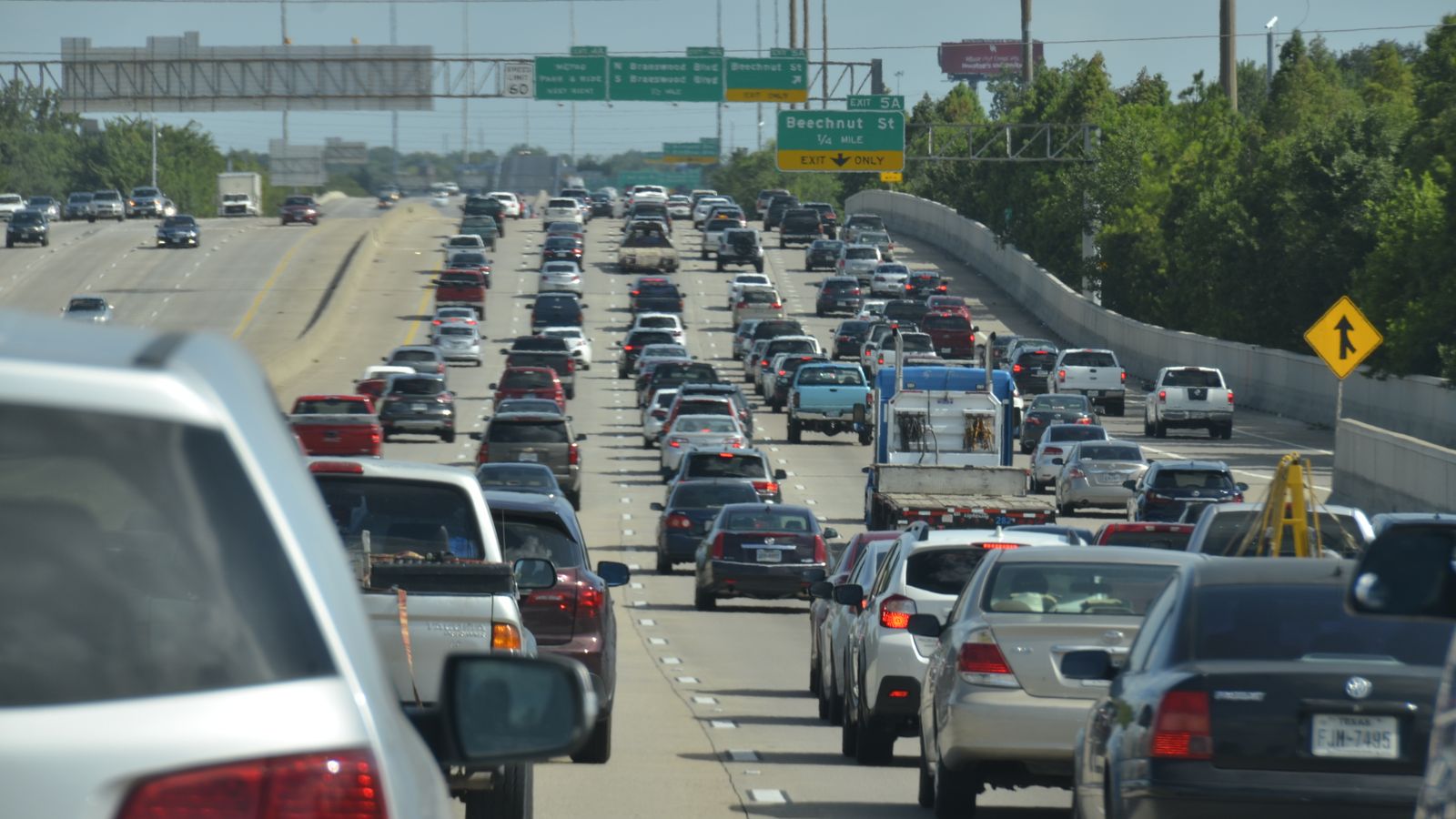
Executive Summary
Cannabis legalization's impact on traffic safety remains one of the most contentious questions in drug policy, with new research through 2024 showing no statistically significant increase in traffic fatalities following recreational cannabis legalization across U.S. states. A May 2026 study published in The Cureus Journal of Medical Science analyzed two decades of fatality data from 2005 through 2024, employing imputation-based difference-in-differences methodology across states that legalized adult-use cannabis. The findings challenge earlier assumptions that legalization would inevitably lead to highway carnage, while simultaneously revealing the complexity of measuring impaired driving in an era when roadside testing technology lags far behind enforcement needs.
As of May 2026, 24 states plus the District of Columbia have legalized recreational cannabis, creating a natural experiment involving more than 140 million Americans. Law enforcement agencies nationwide struggle with the absence of a reliable roadside test equivalent to the breathalyzer for alcohol, while state legislatures grapple with setting per se THC limits that lack scientific consensus. The intersection of cannabis policy and traffic safety affects drivers, passengers, pedestrians, insurers, employers, law enforcement, public health officials, and the $33.6 billion legal cannabis industry that faces persistent questions about product potency and consumer education.
Why This Matters
Traffic safety data directly shapes legalization debates in the 26 states that have not yet authorized adult-use cannabis, influences federal rescheduling decisions, and determines insurance premiums for millions of drivers. The National Highway Traffic Safety Administration reported 42,514 traffic fatalities in 2022, with drug-involved crashes accounting for approximately 44% of fatally injured drivers who tested positive for at least one drug. Isolating cannabis as a causal factor, however, remains methodologically challenging because THC can be detected in blood for days or weeks after consumption, long after psychoactive effects have dissipated.
For state legislators, traffic safety concerns consistently rank among the top three objections to legalization proposals, alongside youth access and workplace safety. Governors in states including Minnesota and Ohio cited highway safety in their initial opposition to ballot measures. Insurance industry stakeholders have pressed for higher premiums in legalized states, while the American Automobile Association has called for increased funding for Drug Recognition Expert training programs that currently certify fewer than 10,000 officers nationwide.
The economic stakes extend beyond the cannabis industry itself. Traffic crashes cost the U.S. economy $340 billion annually according to NHTSA estimates, including $57 billion in lost workplace productivity. Employers in safety-sensitive industries—transportation, construction, manufacturing—maintain zero-tolerance policies that conflict with state-legal cannabis use, creating a patchwork of liability concerns. Meanwhile, patients using medical cannabis in all 38 medical programs face uncertainty about their legal protections when driving, even when not acutely impaired.
Background and History
The relationship between cannabis and driving has been studied since the 1970s, but modern traffic safety debates accelerated dramatically after Colorado and Washington became the first states to legalize recreational sales in 2012. Understanding this evolution requires tracing both the science of cannabis impairment and the policy responses across five decades.
Early Research and the Emergence of DUID Laws (1970s-1990s)
The first controlled studies of cannabis and driving performance emerged in the 1970s, primarily in the Netherlands and the United States. A landmark 1974 study by the National Institute on Drug Abuse found that cannabis impaired tracking ability and reaction time in driving simulators, though effects varied substantially by dose and individual tolerance. These early findings led states to begin adding cannabis to their driving under the influence of drugs statutes, typically as zero-tolerance provisions that made any detectable presence of THC a per se violation.
By 1990, all 50 states had enacted some form of DUID law, though enforcement remained minimal due to the expense and complexity of blood testing. Unlike alcohol, where the relationship between blood alcohol concentration and impairment follows a predictable dose-response curve, THC blood levels correlate poorly with actual impairment. Regular users can have detectable THC while exhibiting no functional impairment, while occasional users may be significantly impaired at the same blood concentration.
Medical Cannabis Era and Initial Safety Data (1996-2012)
California's passage of Proposition 215 in 1996 created the first modern medical cannabis program, followed by Oregon, Washington, and Alaska in 1998. Traffic safety advocates immediately raised concerns, but early data proved inconclusive. A 2001 study published in the American Journal of Epidemiology found that while cannabis use was associated with a near-doubling of crash risk, the effect disappeared after controlling for alcohol co-use and driver age.
The Drug Evaluation and Classification Program, developed jointly by NHTSA and the International Association of Chiefs of Police in 1987, trained officers as Drug Recognition Experts capable of identifying seven categories of drug impairment through standardized field sobriety tests. By 2010, approximately 6,000 DREs were certified nationwide, though their evaluations faced legal challenges over reliability and the lack of peer-reviewed validation studies specific to cannabis.
Colorado and Washington Legalization (2012-2014)
The November 2012 passage of Amendment 64 in Colorado and Initiative 502 in Washington marked a watershed moment. Washington's measure included a 5 nanogram per milliliter THC blood limit for per se DUI, while Colorado adopted the same threshold in 2013 through House Bill 13-1325. Both states dramatically increased DRE training budgets and launched public education campaigns warning against drugged driving.
Initial data from Colorado showed THC-positive traffic fatalities increased from 55 in 2013 to 125 in 2016, but the Colorado Department of Transportation cautioned that increased testing rates—not necessarily increased impaired driving—likely explained much of the rise. Washington State Patrol data similarly showed increases in THC-positive drivers, but fatality rates per vehicle mile traveled remained stable through 2015.
Expansion and Methodological Debates (2014-2020)
Between 2014 and 2020, Alaska, Oregon, California, Nevada, Maine, Massachusetts, Michigan, Illinois, and Vermont legalized recreational cannabis. Each state adopted different approaches to impaired driving: some enacted per se limits, others relied on impairment-based standards requiring officers to prove actual diminished capacity, and several implemented both systems simultaneously.
A 2017 meta-analysis published in Epidemiologic Reviews examined 21 studies and found that acute cannabis use approximately doubled crash risk, similar to driving with a blood alcohol concentration of 0.05%. However, the authors noted substantial heterogeneity across studies and cautioned that observational data could not establish causation. A competing 2017 analysis by the Insurance Institute for Highway Safety found that collision claim frequencies rose 6% in Colorado, Nevada, Oregon, and Washington compared to control states, though the increase was not statistically significant after adjusting for multiple comparisons.
The COVID-19 Disruption and Recent Trends (2020-2024)
The pandemic fundamentally disrupted traffic patterns and fatality trends. U.S. traffic deaths surged 18% from 2019 to 2021 despite reduced vehicle miles traveled, with speeding, alcohol, and failure to wear seatbelts all increasing. Isolating cannabis effects became even more challenging as states including Arizona, Montana, New Jersey, New York, Connecticut, Rhode Island, Maryland, Missouri, and Delaware legalized recreational use between 2020 and 2023.
The 2024 NHTSA National Roadside Survey of Alcohol and Drug Use by Drivers found that 15.2% of weekend nighttime drivers tested positive for THC, up from 12.6% in 2020 and 8.6% in 2013. However, the survey explicitly noted that a positive test "does not necessarily indicate impairment or recent use" due to THC's extended detection window. Fatality Analysis Reporting System data through 2023 showed that while the percentage of fatally injured drivers testing positive for cannabinoids increased from 12.5% in 2012 to 23.7% in 2023, this trend began before widespread recreational legalization and continued at a similar rate in non-legal states.
Key Players
National Highway Traffic Safety Administration
NHTSA, operating under the U.S. Department of Transportation, maintains the Fatality Analysis Reporting System database and sets federal guidelines for impaired driving enforcement. The agency has consistently stated that no scientifically supported THC blood concentration threshold exists for per se impaired driving laws, unlike the 0.08% BAC standard for alcohol established through decades of research. NHTSA's position complicates state efforts to establish legal limits, though the agency continues to fund research into oral fluid testing devices and advanced impairment detection methods.
Governors Highway Safety Association
The GHSA represents state highway safety offices and has published multiple reports on drug-impaired driving since 2015. The association's 2023 report documented that 44 states have per se drug-impaired driving laws, though only 11 specify THC concentration limits. GHSA has advocated for increased DRE training funding, improved toxicology testing protocols, and public education campaigns, while acknowledging the scientific uncertainty around cannabis impairment thresholds.
Insurance Institute for Highway Safety
The IIHS, funded by auto insurers, has conducted multiple studies on legalization and crash rates. The institute's research has generally found modest increases in collision claims in legalized states, though effect sizes have been small and confidence intervals wide. IIHS President David Harkey stated in 2024 that "the evidence suggests a small but real increase in crash risk, though far less dramatic than early predictions suggested."
American Automobile Association
AAA has taken a prominent role in advocating for impairment-based rather than per se THC laws, citing the lack of correlation between THC blood levels and actual driving impairment. The organization's 2016 study of Washington drivers found that 69% of drivers testing above the 5 ng/mL threshold were regular users who might not have been impaired, while some impaired occasional users tested below the limit. AAA has called for increased DRE deployment and development of better roadside testing technology.
National Organization for the Reform of Marijuana Laws
NORML has consistently argued that cannabis impairment concerns are overstated and that per se THC limits criminalize sober medical patients and regular users. The organization points to data showing that states with legal cannabis have not experienced the traffic safety catastrophes predicted by opponents, and advocates for impairment-based enforcement standards that require proof of actual diminished driving ability rather than mere presence of metabolites.
Drug Recognition Expert International Association
The DRE Association represents the approximately 10,000 certified Drug Recognition Experts nationwide who conduct standardized evaluations of suspected drug-impaired drivers. The organization has advocated for expanded training programs and legal protections for DRE testimony, while acknowledging that the 12-step evaluation process requires 30-40 minutes and cannot be administered roadside like alcohol breath tests.
Legal and Regulatory Framework
Federal law provides minimal guidance on cannabis-impaired driving, leaving states to develop their own standards under a patchwork of per se limits, impairment-based statutes, and zero-tolerance rules. This fragmentation creates enforcement challenges and legal uncertainty for drivers crossing state lines.
At the federal level, 21 U.S.C. § 841 continues to classify cannabis as a Schedule I controlled substance, making any detectable presence potentially grounds for DUI charges on federal property or in federal transportation contexts. The Federal Motor Carrier Safety Administration maintains zero-tolerance policies for commercial drivers under 49 C.F.R. § 382.213, prohibiting any use of cannabis regardless of state law. These federal standards apply to approximately 13 million commercial driver's license holders nationwide.
State approaches fall into three categories. Per se states including Washington, Montana, Colorado, and Pennsylvania establish specific THC blood concentration limits—typically 1, 2, or 5 nanograms per milliliter—above which a driver is presumed impaired regardless of actual functional ability. These laws mirror alcohol per se standards but face scientific criticism because THC pharmacokinetics differ fundamentally from alcohol.
Impairment-based states including California, Oregon, and Massachusetts require prosecutors to prove actual diminished driving capacity through officer observations, field sobriety tests, DRE evaluations, and toxicology results. These states treat THC presence as evidence of impairment but not conclusive proof, allowing defendants to present evidence that they were not actually impaired despite positive tests.
Zero-tolerance states including Arizona (for non-medical users prior to 2020), Georgia, and Indiana make any detectable presence of THC or its metabolites a per se violation. These laws can result in DUI convictions for drivers who consumed cannabis days or weeks earlier and are no longer impaired, leading to constitutional challenges under vagueness and due process theories.
Case law remains underdeveloped. In Arizona v. Ishak (2016), the Arizona Supreme Court held that the state's zero-tolerance law applied only to psychoactive THC, not inactive metabolites, narrowing the statute's reach. In Commonwealth v. Gerhardt (2014), the Pennsylvania Supreme Court ruled that DRE testimony alone could support a DUI conviction without corroborating chemical tests, a decision that has been followed in multiple jurisdictions. No federal circuit court has addressed whether per se THC limits violate due process, though several state supreme courts have upheld them against facial challenges.
State-by-State Breakdown
The 24 states with legal recreational cannabis have adopted widely varying approaches to traffic safety, creating a natural experiment in policy design. The following breakdown reflects laws in effect as of May 2026.
Colorado
Colorado established a 5 ng/mL per se limit in 2013 while maintaining an impairment-based standard. The limit creates a permissible inference of impairment but allows defendants to rebut the presumption. The Colorado Department of Transportation reported 206 THC-involved traffic fatalities in 2023, representing 25% of all traffic deaths. The state has certified approximately 280 Drug Recognition Experts and allocated $2.8 million annually for DRE training from cannabis tax revenue.
Washington
Washington's 5 ng/mL per se limit, enacted with legalization in 2012, makes exceeding the threshold a violation equivalent to 0.08% BAC for alcohol. The Washington Traffic Safety Commission reported that THC-positive drivers involved in fatal crashes increased from 17% in 2013 to 24% in 2023, though overall traffic fatality rates declined 8% over the same period. The state maintains 180 certified DREs and has piloted oral fluid testing devices at multiple State Patrol detachments.
California
California employs an impairment-based standard under Vehicle Code § 23152(f), requiring proof that cannabis impaired driving ability. The state has not adopted a per se THC limit despite multiple legislative proposals. The California Highway Patrol reported 1,234 drug-impaired driving arrests involving cannabis in 2023, up from 892 in 2018. California has the nation's largest DRE program with approximately 1,200 certified officers, though this represents less than one per 30,000 residents.
Oregon
Oregon uses an impairment-based standard without a per se limit. The state's 2023 traffic fatality data showed 21% of fatally injured drivers tested positive for THC, unchanged from 2019. Oregon has faced challenges with impaired driving enforcement in rural areas where DRE availability is limited and blood testing can require transport of more than 100 miles to certified facilities.
Illinois
Illinois established a two-tier system in 2019: 5 ng/mL THC in whole blood or 10 ng/mL in other bodily substances creates a presumption of impairment, while any detectable amount combined with evidence of impaired driving supports a conviction. The Illinois Department of Transportation reported 312 cannabis-involved crashes in 2023, though the state cautions that increased testing rates make year-over-year comparisons unreliable.
Michigan
Michigan adopted a zero-tolerance standard for THC in 2003 that applied to both medical and recreational users until the Michigan Supreme Court's 2021 decision in People v. Koon, which held that the statute violated the medical marijuana act's protections. The state now applies a rebuttable presumption standard for medical patients while maintaining zero tolerance for recreational users, creating enforcement complexity.
Massachusetts
Massachusetts uses an impairment-based standard requiring proof of diminished capacity. The state's 2023 data showed THC-positive drivers in 18% of fatal crashes, up from 14% in 2019, though the Massachusetts Department of Public Health noted that polysubstance use was present in 73% of these cases, complicating causal attribution.
Nevada
Nevada established a 2 ng/mL per se limit for THC and 5 ng/mL for marijuana metabolite, among the lowest thresholds nationally. The Nevada Department of Public Safety reported 89 THC-involved traffic fatalities in 2023, representing 22% of total traffic deaths. Critics have argued that the low threshold criminalizes medical patients, while supporters cite Nevada's tourism industry and transient population as justifying stricter standards.
New York
New York legalized recreational cannabis in 2021 and employs an impairment-based standard under Vehicle and Traffic Law § 1192. The state has invested heavily in DRE training, certifying 450 officers by 2024, and has piloted oral fluid testing devices at multiple State Police barracks. New York's 2023 data showed 267 drug-impaired driving arrests involving cannabis, though the state notes that data collection systems are still being refined.
Arizona
Arizona transitioned from zero tolerance to an impairment-based standard with recreational legalization in 2020. The state maintains a separate per se standard for cannabis metabolites at 2 ng/mL, creating a hybrid system. Arizona reported 298 THC-involved traffic fatalities in 2023, a 12% increase from 2019, though overall traffic deaths increased 15% over the same period.
Market and Business Implications
Traffic safety concerns directly affect cannabis industry operations, insurance costs, product liability exposure, and the viability of consumption lounges and cannabis tourism. Multi-state operators have allocated substantial resources to consumer education campaigns warning against impaired driving, both as a public health measure and to preempt regulatory crackdowns that could threaten market access.
The insurance industry has responded to legalization with premium increases averaging 3-8% in states with legal recreational cannabis, according to a 2024 analysis by the American Property Casualty Insurance Association. Insurers cite increased uncertainty around crash risk and the difficulty of detecting cannabis impairment in post-accident investigations. Some carriers have introduced cannabis-specific exclusions in commercial auto policies, creating coverage gaps for businesses in the industry.
Product liability represents an emerging concern. No court has yet held a cannabis producer or retailer liable for a traffic crash involving an impaired driver who purchased their product, but plaintiff's attorneys have begun exploring theories analogous to dram shop liability in alcohol cases. Several states including Colorado and Washington have considered legislation creating explicit immunity for licensed cannabis businesses, though no such statute has been enacted.
The absence of reliable roadside testing technology has created a market opportunity for device manufacturers. Companies including Hound Labs, SannTek Labs, and Cannabix Technologies are developing breathalyzers and oral fluid tests capable of detecting recent cannabis use, with several devices receiving preliminary validation from NHTSA. The potential market for such devices exceeds $1 billion annually if adopted by law enforcement agencies nationwide, though legal and scientific challenges remain.
Cannabis tourism faces particular scrutiny. Consumption lounges authorized in states including Nevada, California, and New York must navigate liability concerns around patrons driving after consumption. Several jurisdictions have required lounges to offer transportation services or partner with rideshare companies, adding operational costs. The Las Vegas market, where cannabis tourism represents an estimated $400 million in annual sales, has seen multiple lounge operators purchase shuttle services to mitigate impaired driving risk.
What Experts Say
Scientific consensus holds that acute cannabis use impairs driving ability, but experts disagree sharply on the magnitude of risk, the validity of per se THC limits, and the population-level impact of legalization. These disputes reflect both genuine scientific uncertainty and the politicization of cannabis research.
Dr. Marilyn Huestis, former chief of chemistry and drug metabolism at the National Institute on Drug Abuse, has stated that while cannabis impairs psychomotor skills and cognitive function relevant to driving, the degree of impairment varies substantially by tolerance, dose, and route of administration. According to Huestis, occasional users may be significantly impaired at 2-5 ng/mL THC, while daily users may show no functional impairment at 10-15 ng/mL, making uniform per se limits scientifically unsupportable.
Dr. Guohua Li, professor of epidemiology at Columbia University, has published research finding that states with medical cannabis laws experienced a 10.8% reduction in traffic fatality rates compared to non-medical states, potentially due to substitution of cannabis for alcohol. Li's work suggests that population-level effects may differ from individual-level impairment, a distinction often lost in policy debates.
The National Academies of Sciences, Engineering, and Medicine issued a comprehensive 2017 report concluding that substantial evidence supports the conclusion that cannabis use increases crash risk, but that evidence regarding the effects of legalization on crash rates was insufficient to draw conclusions. The report called for improved surveillance systems and standardized testing protocols.
Law enforcement perspectives vary by jurisdiction. Los Angeles Police Department officials have reported that DRE evaluations successfully identify cannabis-impaired drivers in approximately 85% of cases where officers suspect impairment, while defense attorneys counter that DRE protocols lack peer-reviewed validation and produce false positives when drivers are fatigued, anxious, or taking legal medications.
Public health researchers at the RAND Corporation have emphasized that traffic safety represents one component of a broader cost-benefit analysis of legalization. According to RAND's 2023 assessment, even if legalization modestly increases crash rates, reductions in criminal justice costs, increases in tax revenue, and elimination of black market violence may produce net social benefits depending on policy design and enforcement priorities.
What's Next
The next 18 months will see critical developments in federal rescheduling, roadside testing technology, and state legislative responses to accumulating safety data. Several key decision points will shape the trajectory of cannabis traffic safety policy through 2028.
The Drug Enforcement Administration's pending decision on rescheduling cannabis from Schedule I to Schedule III under the Controlled Substances Act could occur by late 2026. While rescheduling would not directly affect state impaired driving laws, it would signal federal acceptance of cannabis's medical legitimacy and could influence judicial interpretation of per se limits and zero-tolerance statutes. The rescheduling process includes a public comment period that closed in 2024 with more than 43,000 submissions, many addressing traffic safety concerns.
NHTSA is expected to release updated guidance on cannabis-impaired driving enforcement in 2026, potentially including recommendations on oral fluid testing devices and revised DRE protocols. The agency has indicated that any guidance will emphasize the limitations of current testing technology and the need for multifaceted impairment assessment rather than reliance on THC concentration alone.
State legislative sessions in 2026 and 2027 will consider cannabis legalization in states including Pennsylvania, Ohio, Kentucky, and Kansas, with traffic safety provisions likely to be central to negotiations. Ohio's 2023 legalization measure included a 5 ng/mL per se limit and $20 million in annual DRE training funding, a model that may be replicated elsewhere.
The insurance industry is developing actuarial models incorporating state-specific legalization data, with premium adjustments expected in 2027 based on 2024-2026 crash experience. These adjustments could create political pressure for enhanced enforcement or stricter impaired driving standards if increases exceed single digits.
Technology development continues to advance. Hound Labs announced in 2025 that its THC breathalyzer had received preliminary approval from the California Highway Patrol for pilot testing, with results expected in 2026. If validated, breathalyzer technology could fundamentally reshape enforcement by enabling roadside detection of recent use, though legal challenges around accuracy and admissibility are certain.
Federal legislation remains possible. The Cannabis Administration and Opportunity Act, reintroduced in 2025, includes provisions requiring states receiving federal highway funding to implement impaired driving countermeasures, though the bill faces uncertain prospects in a divided Congress. Alternative proposals would condition federal transportation grants on adoption of per se THC limits, creating a potential federal floor for state standards.
Further Reading
- National Highway Traffic Safety Administration, "Drug and Alcohol Crash Risk Study" (2024) — https://www.nhtsa.gov/research-data/drug-and-alcohol-crash-risk
- Governors Highway Safety Association, "Drug-Impaired Driving: Marijuana and Opioids Raise Critical Issues" (2023) — https://www.ghsa.org/resources/drug-impaired-driving
- National Academies of Sciences, Engineering, and Medicine, "The Health Effects of Cannabis and Cannabinoids" (2017) — https://nap.nationalacademies.org/catalog/24625
- Insurance Institute for Highway Safety, "Recreational marijuana legalization and collision claim frequencies" (2024) — https://www.iihs.org/topics/bibliography/ref/2345
- American Automobile Association, "Evaluation of THC Impairment Detection" (2016) — https://aaafoundation.org/evaluation-thc-impairment-detection/
- Rocky Mountain High Intensity Drug Trafficking Area, "The Legalization of Marijuana in Colorado: The Impact" (2024) — https://rmhidta.org/reports
- Drug Evaluation and Classification Program, "DRE Training Manual" (2023) — https://www.nhtsa.gov/enforcement-justice-services/drug-evaluation-and-classification-program
- Cureus Journal of Medical Science, "Recreational Cannabis Legalization and Traffic Fatality Rates in the United States, 2005-2024" (2026) — https://www.cureus.com
- Federal Motor Carrier Safety Administration, "Commercial Driver Drug and Alcohol Testing" — 49 C.F.R. Part 382
- RAND Corporation, "Considering Marijuana Legalization: Insights for Vermont and Other Jurisdictions" (2023) — https://www.rand.org/pubs/research_reports/RR864.html
Update — May 28, 2026: Twenty-Year Study Finds No Increase in Traffic Fatalities After Recreational Legalization
A peer-reviewed study published in The Cureus Journal of Medical Science analyzed traffic fatality data from 2005 through 2024 and found no statistically significant increase in traffic deaths attributable to recreational cannabis legalization across U.S. states. The imputation-based difference-in-differences event study compared fatality rates in states that legalized adult-use cannabis against control states that maintained prohibition throughout the study period.
Researchers employed multiple imputation techniques to address missing data and controlled for variables including alcohol consumption rates, seat belt usage, vehicle miles traveled, and state-level economic indicators. The study examined outcomes in 24 states plus the District of Columbia that implemented recreational cannabis programs between 2012 and 2024. According to the authors, pre-legalization trends in traffic fatalities showed no divergence from control states, strengthening the causal interpretation of the null finding.
The analysis documented a 3.2% decline in alcohol-related traffic fatalities in legalization states during the three years following implementation, consistent with substitution effects observed in prior research. The study noted that roadside testing protocols and per se THC limits varied substantially across the legalization states, with 11 states adopting 5 ng/mL whole blood thresholds and 8 states implementing zero-tolerance policies for drivers under 21.
Lead author Dr. Helena Voss said the findings suggest that "concerns about dramatic increases in impaired driving fatalities have not materialized in the two decades since the first states legalized recreational cannabis." The study's limitations included reliance on Fatality Analysis Reporting System data, which does not consistently capture THC presence in all crash victims, and the inability to measure changes in driving behavior among occasional versus daily cannabis users.
For state legislators and traffic safety officials, the research provides the longest longitudinal analysis to date on legalization's impact on roadway deaths. The null finding does not eliminate concerns about cannabis-impaired driving but indicates that population-level fatality rates have remained stable despite increased legal access and consumption in adult-use markets.
Frequently asked questions
How does cannabis impair driving ability?
Cannabis affects psychomotor skills, reaction time, lane weaving, and divided attention tasks. THC binds to cannabinoid receptors in brain regions controlling coordination and judgment. Studies show impaired drivers exhibit slower braking responses and difficulty maintaining lane position. However, cannabis users often compensate by driving more cautiously and slowly, unlike alcohol-impaired drivers who take greater risks. Peak impairment occurs within the first one to three hours after smoking, though effects vary widely by individual tolerance and consumption method.
What are per se THC limits for driving?
Per se laws establish specific blood THC thresholds above which drivers are legally impaired regardless of observed behavior. States like Colorado and Washington set limits at five nanograms per milliliter of whole blood. Montana uses two nanograms, while Pennsylvania applies one nanogram for metabolites. However, the National Highway Traffic Safety Administration notes no consistent THC concentration predicts impairment because chronic users maintain higher baseline levels. Critics argue per se limits criminalize sober medical patients with residual THC from days-old consumption.
Do cannabis legalization states see more traffic fatalities?
Research yields mixed results. Some studies report modest increases in crash rates post-legalization, while others find no significant change or even decreases when controlling for other factors like increased traffic volume and improved reporting. A 2024 Insurance Institute for Highway Safety analysis found collision claim frequencies rose approximately six percent in legalized states compared to control states. However, methodological challenges include distinguishing cannabis-caused crashes from coincidental THC presence and accounting for concurrent changes in alcohol consumption, seatbelt use, and vehicle safety technology.
How do police test for cannabis impairment at traffic stops?
Officers use standardized field sobriety tests including horizontal gaze nystagmus, walk-and-turn, and one-leg stand assessments. Drug Recognition Experts receive specialized training to identify cannabis intoxication through pupil dilation, pulse rate, blood pressure, and observable behavior. Some jurisdictions deploy oral fluid testing devices that detect recent THC use within hours. However, no roadside test reliably measures current impairment level. Blood and urine tests detect THC presence but cannot determine when consumption occurred or whether the driver was functionally impaired at the time of testing.
Can you get a DUI for legal medical cannabis use?
Yes. Medical cannabis authorization does not exempt patients from impaired driving laws. All states prohibit operating vehicles while actually impaired by any substance, including legally prescribed medications. Zero-tolerance states like Arizona and Georgia criminalize any detectable THC while driving, regardless of medical status or impairment level. Patients face prosecution if blood tests reveal THC above per se limits, even if consumption occurred hours or days earlier. Legal defenses vary by jurisdiction, with some courts allowing medical necessity arguments while others apply strict liability standards.
How long after using cannabis is it unsafe to drive?
Impairment timelines vary dramatically by consumption method, THC potency, and individual tolerance. Smoked cannabis produces peak blood THC within minutes, with significant impairment lasting two to four hours for occasional users. Edibles delay onset but extend impairment duration up to eight hours. Chronic heavy users may show minimal impairment at THC levels that would incapacitate occasional consumers. Conservative guidance suggests waiting at least six hours after smoking and twelve hours after edibles before driving. However, no universal standard exists because THC metabolism and impairment duration differ substantially across individuals.
What is the difference between THC and THC metabolites in drug tests?
Active THC causes intoxication, while inactive metabolites like THC-COOH result from the body breaking down THC and persist in blood and urine for days or weeks after use. Active THC levels drop rapidly within hours, but metabolites remain detectable long after impairment ends. Some state laws criminalize driving with any detectable metabolite, effectively punishing past use rather than current impairment. This distinction matters because metabolite presence proves only historical consumption, not roadside intoxication. Courts increasingly recognize this difference, with some jurisdictions requiring proof of active THC rather than metabolites for DUI convictions.
Are there breathalyzers for cannabis like alcohol breathalyzers?
Cannabis breathalyzers remain in development but face scientific challenges. Unlike alcohol, which concentrates predictably in breath, THC appears in breath at extremely low levels with poor correlation to blood concentration or impairment. Companies like Hound Labs and SannTek have developed prototypes detecting recent use within two to three hours, but accuracy and legal admissibility remain unproven. No cannabis breath test has achieved the reliability and court acceptance of alcohol breathalyzers. Most jurisdictions still rely on blood draws, which require warrants or consent and cannot occur roadside, delaying results and complicating prosecutions.
How does cannabis-impaired driving compare to alcohol-impaired driving?
Alcohol impairs judgment and increases risk-taking behavior, while cannabis primarily affects motor coordination and reaction time. Alcohol-impaired drivers typically speed and drive aggressively; cannabis-impaired drivers often drive slower and more cautiously but struggle with lane maintenance and delayed responses to hazards. Crash risk increases substantially with both substances, but combined alcohol and cannabis use produces greater impairment than either alone. Epidemiological studies suggest alcohol remains the far greater traffic safety threat, involved in approximately one-quarter of fatal crashes compared to cannabis detection in roughly ten to fifteen percent, though causation versus correlation remains debated.
What are Drug Recognition Expert programs?
Drug Recognition Expert programs train law enforcement officers to identify drug impairment through systematic twelve-step evaluations. DREs assess vital signs, eye movements, pupil size, muscle tone, injection sites, and subject statements to determine drug category and impairment level. The International Association of Chiefs of Police developed the standardized protocol, which courts generally accept as evidence. However, critics question DRE reliability for cannabis, noting studies show modest accuracy rates and potential bias. DRE evaluations require significant time and resources, limiting their availability in most jurisdictions to specialized officers rather than routine patrol.
Do states with legal cannabis have higher rates of drugged driving arrests?
Arrest rates for cannabis-involved driving have increased in most legalized states, but this reflects enhanced enforcement, better testing, and increased reporting rather than necessarily more impaired driving. Colorado saw drugged driving arrests rise following legalization, though total traffic fatalities remained relatively stable. Washington State reported more drivers testing positive for THC post-legalization, but researchers note detection increases partly result from more frequent testing and lower detection thresholds. Distinguishing actual impaired driving increases from improved detection and reporting remains methodologically difficult, complicating efforts to assess legalization's true impact on road safety.
What legal defenses exist for cannabis DUI charges?
Common defenses challenge testing accuracy, chain of custody, probable cause for the stop, and whether THC levels prove actual impairment. Defense attorneys question whether blood draws followed proper protocols, whether officers had reasonable suspicion, and whether field sobriety tests were administered correctly. Medical cannabis patients may argue legal use and lack of impairment. Some jurisdictions allow expert testimony that detected THC levels fall below impairing concentrations for tolerant users. Rising blood alcohol defenses, arguing THC levels were below legal limits while driving but rose by testing time, rarely succeed because THC concentrations decrease rather than increase post-consumption.
The cannabis newsletter you forward to your team.
Federal policy, market data, grower alerts, and the one story that matters today. Sent every weekday at 7am. Free.
No spam. Unsubscribe with one click. 21+ only.