Cannabis-Related Illness: Symptoms, Risks, and Medical Perspectives
Cannabis-related illness encompasses a range of adverse health effects associated with marijuana use, from acute intoxication and cannabinoid hyperemesis syndrome to respiratory complications and mental health impacts. As legalization expands and product potency increases, healthcare providers are documenting rising emergency department visits for cannabis-related conditions. This hub examines the medical evidence on cannabis-associated illnesses, risk factors including frequency of use and product type, diagnostic criteria for conditions like CHS, treatment approaches, and public health implications. Understanding these health risks is essential for consumers, medical professionals, and policymakers navigating the evolving cannabis landscape.
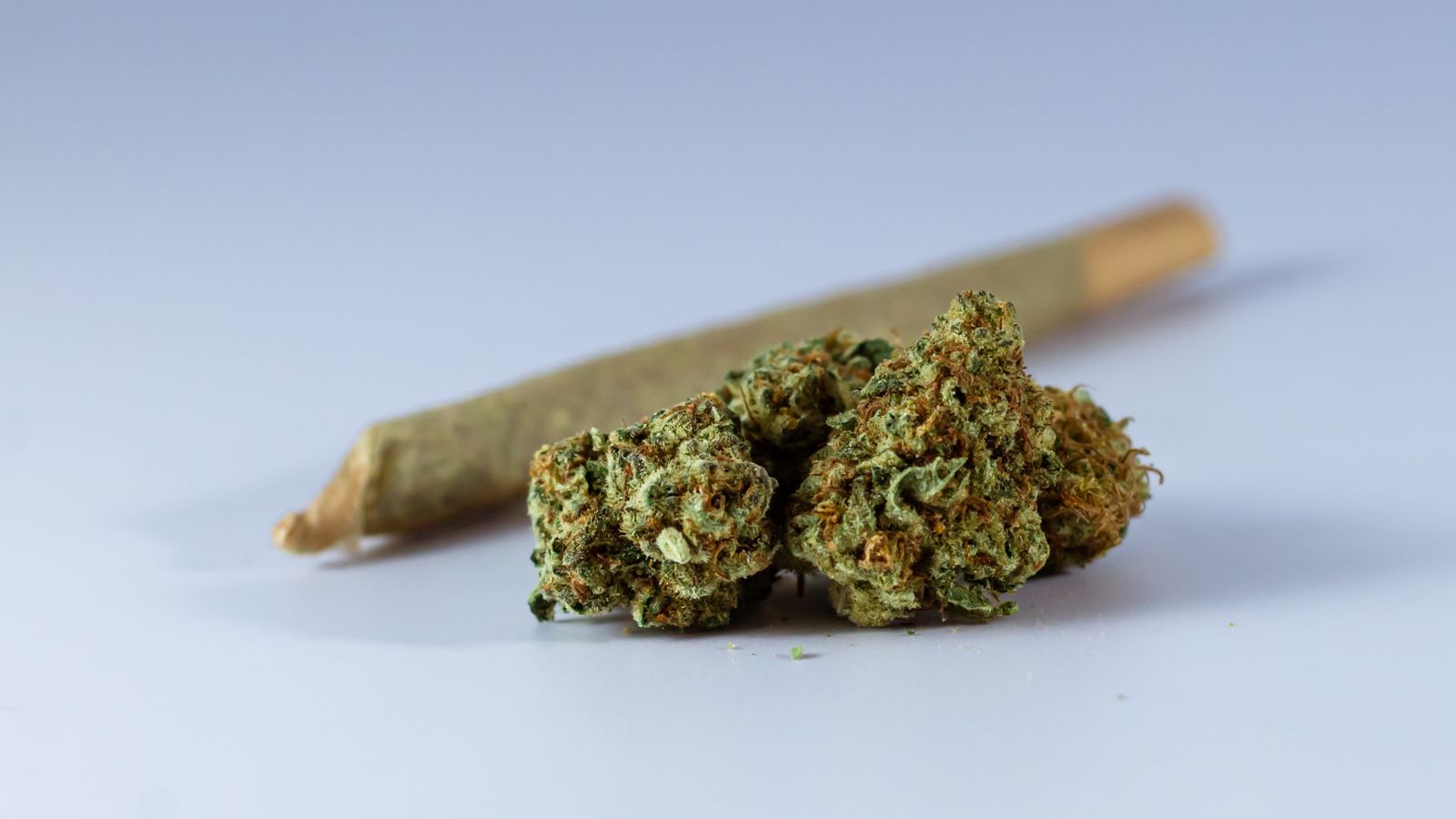
Executive Summary
Cannabis-related illness encompasses a spectrum of acute and chronic health conditions linked to marijuana consumption, ranging from cannabinoid hyperemesis syndrome to psychiatric episodes and respiratory complications. As legalization expands across the United States, emergency departments report increasing presentations of cannabis-induced conditions, with cannabinoid hyperemesis syndrome (CHS) emerging as the most frequently documented acute complication. Recent data from the Centers for Disease Control and Prevention indicate that cannabis-related emergency department visits increased by 37% between 2021 and 2025, with the sharpest rises occurring in states with mature recreational markets. The phenomenon reflects not only expanded access but also higher-potency products, with average THC concentrations in retail flower now exceeding 25% in many jurisdictions—triple the levels common in the 1990s. Medical professionals, public health officials, and regulators now confront the challenge of balancing cannabis policy liberalization with evidence-based harm reduction strategies, while researchers work to establish clearer dose-response relationships and identify vulnerable populations. Understanding cannabis-related illness requires distinguishing between acute intoxication effects, withdrawal syndromes, chronic use complications, and rare but serious adverse events that may require hospitalization.Why This Matters
The rise in documented cannabis-related illness affects patients, healthcare systems, employers, insurers, and the $33 billion legal cannabis industry itself. Emergency departments in Colorado, California, and Washington report that cannabis-related visits now account for 2-4% of all emergency presentations in urban centers, straining resources and requiring specialized protocols. Healthcare costs associated with cannabis-induced conditions exceeded $1.2 billion nationally in 2024, according to data compiled by the Healthcare Cost and Utilization Project, with the majority representing emergency department visits and short-term hospitalizations. For patients, the stakes include both immediate health risks and long-term consequences. Cannabinoid hyperemesis syndrome can lead to severe dehydration, electrolyte imbalances, and kidney injury if not promptly recognized and treated. Cannabis-induced psychotic episodes, while typically self-limiting, may precipitate longer-term psychiatric conditions in vulnerable individuals, particularly adolescents and young adults with family histories of schizophrenia. Respiratory complications from smoking cannabis mirror some effects of tobacco use, including chronic bronchitis and increased infection risk. The cannabis industry faces reputational and regulatory pressure as illness reports accumulate. Multi-state operators including Curaleaf, Trulieve, and Green Thumb Industries have invested in patient education initiatives and product labeling improvements, recognizing that adverse event documentation could trigger stricter state regulations or federal intervention. Several states now mandate warning labels specifically addressing CHS, pregnancy risks, and impaired driving, with Massachusetts and Illinois leading in comprehensive consumer protection requirements. Public health agencies must balance harm reduction messaging against the reality that cannabis remains federally illegal under the Controlled Substances Act (21 U.S.C. § 812, Schedule I). The Food and Drug Administration lacks regulatory authority over state-legal cannabis products, creating a patchwork of quality standards and testing requirements that vary dramatically by jurisdiction. This regulatory gap means consumers face inconsistent information about potency, contaminants, and health risks depending on their state of residence.Background and History
Medical documentation of cannabis-related adverse effects dates to the 19th century, but systematic study of cannabis-induced illness accelerated only after state-level legalization began in 1996.Early Medical Literature (1840s-1960s)
Cannabis preparations entered Western medicine in the 1840s through the work of William Brooke O'Shaughnessy, an Irish physician working in India. Early medical texts documented both therapeutic applications and adverse reactions, including anxiety, paranoia, and what Victorian-era physicians termed "cannabis poisoning"—likely acute intoxication episodes. The 1937 Marihuana Tax Act effectively ended medical cannabis research in the United States, creating a 60-year gap in systematic clinical investigation.Controlled Substances Act Era (1970-1996)
The Controlled Substances Act of 1970 classified cannabis as Schedule I, defining it as having no accepted medical use and high abuse potential. This classification severely restricted research, though the National Institute on Drug Abuse maintained a limited supply for approved studies. Research during this period focused primarily on addiction potential and cognitive effects rather than acute medical complications. The first case reports of what would later be termed cannabinoid hyperemesis syndrome appeared in Australian medical literature in the early 1990s, though the syndrome was not formally characterized until 2004.Medical Cannabis Era (1996-2012)
California's Proposition 215 in 1996 launched the modern medical cannabis movement, followed by Alaska, Oregon, and Washington in 1998. As patient populations grew, physicians began documenting patterns of adverse effects distinct from the acute intoxication described in earlier literature. In 2004, Dr. J.H. Allen and colleagues published the first formal description of cannabinoid hyperemesis syndrome in the journal Gut, documenting nine cases of cyclic vomiting relieved by hot bathing and cannabis cessation. The syndrome's paradoxical nature—cannabis traditionally treats nausea, yet chronic use can cause intractable vomiting—puzzled clinicians and sparked debate about mechanisms. Emergency department data from this period showed modest increases in cannabis-related visits, primarily involving acute anxiety reactions and accidental pediatric ingestions. Colorado's medical program, established in 2000, provided early longitudinal data suggesting that liberalized access correlated with increased presentations, though researchers debated whether this reflected true incidence increases or improved recognition and reporting.Recreational Legalization and High-Potency Products (2012-Present)
Colorado and Washington approved recreational cannabis in 2012, with sales beginning in 2014. This watershed moment transformed both the market and the epidemiology of cannabis-related illness. Retail markets introduced products with unprecedented THC concentrations: concentrates exceeding 90% THC, edibles with 100mg doses, and flower strains selectively bred for maximum potency. Average THC content in seized samples analyzed by the Drug Enforcement Administration rose from 8.9% in 2008 to 17.1% in 2017 and 25.3% by 2024. Emergency department visits in Colorado increased sharply following recreational legalization. A 2019 study published in JAMA Network Open found that cannabis-related emergency department visits increased from 824 per 100,000 visits in 2012 to 2,413 per 100,000 visits in 2016—a nearly threefold increase. Cannabinoid hyperemesis syndrome accounted for approximately 18% of these presentations, with acute intoxication, psychiatric symptoms, and cardiovascular events comprising the remainder. By 2026, 24 states plus the District of Columbia have legalized recreational cannabis, with New York, New Jersey, and Ohio launching retail markets between 2023 and 2025. Each new market has experienced similar patterns: initial increases in emergency presentations, gradual stabilization as consumers gain experience, but persistently elevated rates compared to pre-legalization baselines. The phenomenon appears consistent across diverse regulatory models, from Washington's state-controlled system to California's commercial licensing approach.Federal Response and Research Expansion (2020-Present)
The 2018 Farm Bill's hemp provisions (7 U.S.C. § 1639o) inadvertently created a market for intoxicating hemp-derived cannabinoids including delta-8 THC and THCA, further complicating the public health landscape. The National Institutes of Health increased cannabis research funding from $111 million in 2015 to $196 million in 2024, with substantial allocations for studying adverse health effects. The FDA issued warning letters to companies making unsubstantiated health claims but lacks authority to regulate state-legal cannabis products comprehensively.Key Medical Conditions
Cannabis-related illness manifests across multiple organ systems, with severity ranging from minor discomfort to life-threatening complications requiring intensive care.Cannabinoid Hyperemesis Syndrome
Cannabinoid hyperemesis syndrome represents the most distinctive cannabis-related condition, characterized by cyclic episodes of severe nausea and vomiting in chronic cannabis users. The syndrome typically develops after years of regular use, with patients reporting consumption of cannabis multiple times daily. Diagnostic criteria include at least three months of cyclic vomiting, relief with hot bathing (a pathognomonic feature), and symptom resolution with sustained cannabis abstinence. The mechanism remains incompletely understood, though leading theories involve desensitization of hypothalamic CB1 receptors and altered thermoregulation. Patients often present to emergency departments multiple times before diagnosis, having undergone extensive gastrointestinal workups. Treatment consists of supportive care, antiemetics (though often ineffective), topical capsaicin, and cannabis cessation counseling. A 2023 study in Clinical Toxicology found that 97% of patients who maintained abstinence experienced complete symptom resolution within three months. Emergency department visits for cannabinoid hyperemesis syndrome increased 400% in Colorado between 2009 and 2022, according to data published by the Colorado Department of Public Health and Environment. Similar trends emerged in Washington, Oregon, and California following recreational legalization. The condition affects an estimated 2-3% of chronic cannabis users, with higher rates among daily consumers of high-potency products.Acute Psychiatric Episodes
Cannabis can precipitate acute anxiety, panic attacks, paranoia, and psychotic symptoms, particularly in naive users or those consuming high-THC products. These episodes typically resolve within hours as THC is metabolized, though some patients require benzodiazepines or antipsychotics for symptom management. More concerning are cases of cannabis-induced psychotic disorder, a DSM-5 diagnosis characterized by hallucinations or delusions developing during or shortly after cannabis use. Research published in The Lancet Psychiatry in 2019 found that daily cannabis use, particularly of high-potency strains, increased the risk of first-episode psychosis nearly fivefold compared to never-users. The relationship appears strongest in adolescents and young adults, with evidence suggesting that cannabis use before age 18 may alter neurodevelopmental trajectories in vulnerable individuals. Denmark's comprehensive health registries enabled researchers to demonstrate that eliminating high-potency cannabis could prevent up to 12% of first-episode psychosis cases.Cardiovascular Complications
Cannabis acutely increases heart rate and blood pressure, posing risks for individuals with underlying cardiovascular disease. Case reports document myocardial infarction, stroke, and arrhythmias temporally associated with cannabis use, though establishing causation remains challenging given confounding factors. A 2024 study in the Journal of the American Heart Association found that cannabis use was associated with a 25% increased risk of cardiovascular events in adults over 45, with risks highest in the hour immediately following consumption. The American Heart Association issued a scientific statement in 2020 cautioning that cannabis smoke contains many of the same toxins as tobacco smoke and that cardiovascular risks may be underappreciated. Synthetic cannabinoids sold as "spice" or "K2" have caused particularly severe cardiovascular toxicity, including cases of severe hypertension and cardiac arrest.Respiratory Conditions
Smoking cannabis produces respiratory symptoms similar to tobacco smoking, including chronic cough, sputum production, and wheezing. Long-term studies demonstrate increased rates of chronic bronchitis among regular cannabis smokers, though the relationship between cannabis smoking and lung cancer remains unclear due to confounding tobacco use in many studies. A 2023 systematic review in the European Respiratory Journal concluded that regular cannabis smoking causes chronic bronchitis but found insufficient evidence to establish lung cancer risk definitively. Vaping-associated lung injury emerged as a major concern in 2019, when over 2,800 cases of EVALI (e-cigarette or vaping product use-associated lung injury) were documented, with 68 deaths. The outbreak was primarily linked to vitamin E acetate in illicit THC vaping cartridges, though the episode highlighted risks associated with unregulated cannabis products. States with regulated testing requirements reported far fewer EVALI cases than states without legal markets, suggesting that regulatory oversight provides meaningful consumer protection.Cannabis Use Disorder
Approximately 9% of cannabis users develop cannabis use disorder, meeting DSM-5 criteria for problematic use including tolerance, withdrawal, unsuccessful quit attempts, and continued use despite adverse consequences. The rate increases to 17% among those who begin use in adolescence. Cannabis withdrawal syndrome, formally recognized in DSM-5, includes irritability, anxiety, sleep disturbance, decreased appetite, and restlessness developing within a week of cessation in daily users. Treatment for cannabis use disorder typically involves cognitive-behavioral therapy, motivational enhancement, and contingency management. No FDA-approved medications exist specifically for cannabis use disorder, though research continues on potential pharmacological interventions. The Substance Abuse and Mental Health Services Administration reported that cannabis was the primary substance in 15% of all substance use disorder treatment admissions in 2023, representing approximately 300,000 individuals.Risk Factors and Vulnerable Populations
Certain populations face elevated risks of cannabis-related illness, including adolescents, pregnant women, individuals with psychiatric histories, and those with cardiovascular disease. Adolescent cannabis use poses particular concerns due to ongoing neurodevelopment. The prefrontal cortex, responsible for executive function and decision-making, continues developing into the mid-20s. Research demonstrates that regular adolescent cannabis use is associated with altered brain structure, reduced educational attainment, and increased risk of psychiatric disorders. The American Academy of Pediatrics opposes adolescent cannabis use and recommends screening and brief intervention in pediatric settings. Pregnancy represents another high-risk scenario. THC crosses the placenta and is present in breast milk, raising concerns about fetal and infant exposure. Studies link prenatal cannabis exposure to reduced birth weight, preterm birth, and potential neurodevelopmental effects, though isolating cannabis effects from confounding factors remains methodologically challenging. The American College of Obstetricians and Gynecologists recommends against cannabis use during pregnancy and lactation, noting that perceived safety has increased even as evidence of risk accumulates. Individuals with personal or family histories of psychotic disorders face substantially elevated risks of cannabis-induced psychiatric complications. Genetic studies suggest that certain polymorphisms in genes regulating dopamine and endocannabinoid signaling may confer vulnerability. Psychiatrists increasingly screen for cannabis use when evaluating patients with first-episode psychosis, recognizing that cessation may be essential for treatment response. Older adults represent a rapidly growing segment of cannabis users, often seeking relief from chronic pain, insomnia, or other age-related conditions. However, this population faces unique risks including drug interactions (cannabis affects cytochrome P450 enzymes, potentially altering metabolism of common medications), fall risk due to orthostatic hypotension, and cognitive effects that may be more pronounced in aging brains. A 2024 study in JAMA Internal Medicine found that cannabis use among adults over 65 increased 300% between 2015 and 2023, with corresponding increases in adverse events.State-by-State Regulatory Responses
States have adopted varying approaches to addressing cannabis-related illness through product regulations, labeling requirements, and public health initiatives.Colorado
Colorado, as the first state with recreational sales, has led in developing regulatory responses to documented health concerns. The state mandated universal symbol requirements for edibles in 2016 following pediatric ingestion cases, requiring each 10mg THC serving to be individually stamped. In 2022, Colorado implemented mandatory warning labels specifically mentioning cannabinoid hyperemesis syndrome, mental health risks, and pregnancy dangers. The Colorado Department of Public Health and Environment maintains a robust surveillance system tracking cannabis-related emergency department visits and publishes quarterly reports.California
California's regulatory framework, implemented through the Bureau of Cannabis Control (now the Department of Cannabis Control), requires extensive testing for potency, pesticides, heavy metals, and microbial contaminants. Warning labels must include statements about addiction potential, impaired driving, and pregnancy risks. However, California's large illicit market—estimated at 50-60% of total consumption—means many consumers access products without regulatory protections. Los Angeles County reported 4,200 cannabis-related emergency department visits in 2024, a 28% increase from 2022.Massachusetts
Massachusetts implemented some of the nation's most comprehensive consumer protection requirements when recreational sales began in 2018. Regulations limit edible products to 5mg THC per serving and 100mg per package, require child-resistant packaging, and mandate detailed warning labels covering 11 specific health risks. The Massachusetts Cannabis Control Commission funds public education campaigns and requires retailers to provide educational materials addressing health risks. Emergency department data suggest these measures may have moderated adverse event rates compared to states with less restrictive regulations.New York
New York's recreational market, which launched in late 2023, incorporated lessons from earlier-legalizing states. Regulations limit THC concentrations in certain product categories, require extensive testing, and mandate warning labels developed in consultation with public health experts. The New York State Department of Health established a cannabis-related illness surveillance system before retail sales began, enabling real-time monitoring of adverse events. Preliminary data from 2024 showed lower rates of cannabis-related emergency department visits than Colorado or Washington experienced in their first year of sales, though analysts caution that multiple factors may explain this difference.Ohio
Ohio voters approved recreational legalization in 2023, with sales beginning in 2024. The state's regulatory framework includes mandatory testing, potency limits on certain products, and warning label requirements. However, Ohio's medical program, established in 2016, provided baseline data showing that cannabis-related emergency department visits increased 45% between 2019 and 2023, even before recreational legalization. Public health officials are monitoring whether recreational sales accelerate this trend.Medical and Public Health Response
Healthcare systems and public health agencies have developed protocols and interventions to address the rising incidence of cannabis-related illness. Emergency medicine physicians have refined diagnostic approaches for cannabinoid hyperemesis syndrome, recognizing that early identification prevents unnecessary testing and hospitalization. The American College of Emergency Physicians published clinical guidelines in 2023 recommending that physicians consider CHS in any patient with cyclic vomiting and a history of regular cannabis use. Treatment protocols emphasize supportive care, topical capsaicin cream (which provides relief through mechanisms that remain unclear), and cessation counseling. Poison control centers have adapted to increasing calls related to cannabis, particularly pediatric exposures and adverse reactions to synthetic cannabinoids. The American Association of Poison Control Centers reported 12,400 cannabis-related calls in 2024, with 38% involving children under age 12. Most pediatric cases involve accidental ingestion of edibles, which often resemble conventional candy or baked goods. Poison control specialists provide guidance on when emergency department evaluation is necessary versus home observation. Public health campaigns have struggled to achieve the reach and effectiveness of anti-tobacco efforts, partly due to cannabis's complex legal status and partly due to limited funding. The Truth Initiative, which successfully reduced youth tobacco use, launched a cannabis education initiative in 2023 focusing on adolescent brain development and mental health risks. However, the campaign's impact remains difficult to measure given the proliferation of pro-cannabis messaging from commercial interests. Primary care physicians increasingly confront questions about cannabis use from patients seeking alternatives to opioids or conventional medications. The American Academy of Family Physicians recommends that physicians discuss potential risks, particularly for vulnerable populations, while acknowledging that many patients will use cannabis regardless of physician advice. Screening for cannabis use disorder using validated tools like the Cannabis Use Disorder Identification Test (CUDIT-R) enables early intervention.What Experts Say
Medical professionals, researchers, and public health officials offer varied perspectives on cannabis-related illness, reflecting both emerging evidence and ongoing uncertainties. Dr. Nora Volkow, director of the National Institute on Drug Abuse, has emphasized that today's high-potency cannabis products bear little resemblance to the cannabis studied in earlier decades. According to testimony before Congress in 2023, Volkow noted that THC concentrations exceeding 20% may pose qualitatively different risks than lower-potency products, particularly for adolescent users. She called for research comparing health outcomes across different potency levels and product types. The American Medical Association adopted policy in 2021 stating that cannabis should not be recommended for medical use until adequate clinical trials demonstrate safety and efficacy for specific conditions. The organization expressed concern that state medical cannabis programs lack the evidence base and regulatory oversight typical of FDA-approved medications, potentially exposing patients to risks without clear benefits. Emergency medicine physicians report frustration that many patients with cannabinoid hyperemesis syndrome initially resist the diagnosis, having used cannabis to treat nausea for years. Dr. Kennon Heard, a toxicologist at the University of Colorado, described the challenge in a 2024 interview with the journal Academic Emergency Medicine, noting that patients often require multiple emergency department visits before accepting that cannabis cessation is necessary for symptom resolution. Psychiatrists increasingly recognize cannabis as a factor in first-episode psychosis cases. Dr. Diana Martinez, a psychiatry professor at Columbia University, published research in 2023 demonstrating that adolescents who used high-potency cannabis daily had a 7-fold increased risk of psychotic disorder compared to non-users. She advocates for public health messaging specifically targeting adolescents and young adults about mental health risks. Industry representatives argue that adverse events remain rare relative to the millions of consumers using cannabis products without incident. Steve Hawkins, president of the U.S. Cannabis Council, stated in 2024 congressional testimony that regulated markets provide far greater consumer protection than prohibition, pointing to testing requirements and quality standards that don't exist in illicit markets. He called for federal legalization to enable nationwide regulatory standards and expanded research. Public health researchers emphasize that cannabis policy must balance individual liberty, public health, and social justice considerations. Dr. Rosalie Liccardo Pacula, a drug policy researcher at the RAND Corporation, has argued that states should implement evidence-based regulations including potency limits, retail density restrictions, and robust public education campaigns. Her research suggests that commercial interests may prioritize profit over public health, necessitating strong regulatory oversight.Legal and Regulatory Framework
The legal landscape governing cannabis-related illness prevention involves federal statutes, state regulations, and evolving case law addressing liability and consumer protection. At the federal level, cannabis remains a Schedule I controlled substance under 21 U.S.C. § 812, creating a fundamental conflict with state legalization regimes. The FDA lacks explicit authority to regulate state-legal cannabis products, though the agency has issued warning letters to companies making therapeutic claims without approval. The Federal Food, Drug, and Cosmetic Act (21 U.S.C. § 301 et seq.) prohibits introducing unapproved drugs into interstate commerce, but state-legal cannabis programs operate entirely within state borders, creating a regulatory gap. The Rohrabacher-Farr Amendment (now the Joyce-Blumenauer Amendment), renewed annually in appropriations bills, prohibits the Department of Justice from using funds to interfere with state medical cannabis programs. However, this protection doesn't extend to recreational programs, and it doesn't resolve the fundamental federal-state conflict or establish consumer protection standards. State regulations vary dramatically in their approach to preventing cannabis-related illness. Some states impose potency limits: Vermont caps THC concentration at 60% for concentrates and 30% for flower, while Washington limits edible servings to 10mg THC. Other states, including California and Colorado, impose no potency caps, instead relying on labeling and consumer education. Testing requirements also vary, with some states mandating comprehensive analysis for pesticides, heavy metals, residual solvents, and microbial contaminants, while others have minimal testing standards. Product liability law is evolving as cannabis-related injury cases reach courts. In 2023, a Colorado court dismissed a lawsuit claiming that a cannabis company should have warned about CHS, finding that the plaintiff failed to demonstrate the company knew or should have known about the specific risk at the time of sale. However, as scientific evidence accumulates and regulatory requirements expand, future courts may find companies liable for failing to provide adequate warnings. Professional liability also emerges as physicians increasingly recommend medical cannabis. Several state medical boards have disciplined physicians for inappropriate cannabis recommendations, though standards remain unclear. The Federation of State Medical Boards issued guidance in 2016 stating that physicians recommending cannabis should follow standard of care principles, including thorough evaluations, informed consent discussions, and ongoing monitoring.Market and Business Implications
Cannabis-related illness documentation affects industry operations, investment decisions, insurance markets, and regulatory compliance costs. Multi-state operators face reputational risks as adverse event reports accumulate. Companies including Curaleaf, Trulieve, Green Thumb Industries, and Cresco Labs have invested in patient education programs, product labeling improvements, and internal quality standards exceeding regulatory minimums. These efforts aim to demonstrate corporate responsibility and preempt stricter regulations that could increase compliance costs or limit product offerings. Product liability insurance has become more expensive and difficult to obtain as insurers assess cannabis-related illness risks. Premiums increased an average of 35% between 2022 and 2024, according to data from the National Cannabis Risk Management Association. Some insurers now exclude coverage for certain high-potency products or require extensive warning labels and consumer education as conditions of coverage. Testing laboratories represent a growing sector, with states requiring analysis for potency, contaminants, and in some cases, terpene profiles. The testing industry generated approximately $850 million in revenue in 2024, with growth driven by expanding state programs and increasingly comprehensive testing requirements. However, the industry faces challenges including lack of federal standardization, interlaboratory variability, and occasional scandals involving fraudulent results. Investors increasingly scrutinize companies' approaches to consumer safety and regulatory compliance. ESG (environmental, social, governance) investing frameworks now include cannabis-specific criteria addressing product safety, responsible marketing, and community health impacts. Companies with strong safety records and proactive consumer protection measures command valuation premiums, while those with regulatory violations or adverse event associations face investor skepticism. The CBD and hemp-derived cannabinoid market faces particular uncertainty following reports of adverse events associated with delta-8 THC and other intoxicating hemp derivatives. The FDA issued warning letters to numerous companies in 2023 and 2024, and several states banned delta-8 THC products entirely. This regulatory crackdown has disrupted a market estimated at $2 billion annually and raised questions about the viability of hemp-derived intoxicating products.What's Next
The trajectory of cannabis-related illness will be shaped by ongoing research, regulatory evolution, federal policy changes, and market dynamics over the next several years. Research initiatives funded by the National Institutes of Health will provide more definitive data on dose-response relationships, vulnerable populations, and long-term health effects. The NIDA-funded Cannabis Research Initiative, launched in 2023 with $150 million in funding over five years, includes studies specifically examining adverse health effects across different product types and consumption patterns. Results from these studies, expected between 2026 and 2028, will inform regulatory decisions and clinical guidelines. Federal rescheduling remains a possibility, with the DEA considering a recommendation from the Department of Health and Human Services to move cannabis to Schedule III under 21 U.S.C. § 812. If implemented, rescheduling would not legalize cannabis for recreational use but would facilitate research and potentially enable FDA regulation of medical cannabis products. The rescheduling process involves notice-and-comment rulemaking and could take 18-24 months from initiation to final rule. State legislatures continue debating regulatory refinements based on accumulating evidence. Several states are considering potency caps, particularly for products marketed to new users. Vermont's legislature debated a bill in 2025 that would have limited first-time purchasers to products below 15% THC, though the measure failed. Similar proposals are under consideration in Connecticut, Rhode Island, and Minnesota. The cannabis industry is developing voluntary standards through organizations including the U.S. Cannabis Council and the National Cannabis Industry Association. These standards address testing protocols, labeling best practices, and responsible marketing. While voluntary standards lack enforcement mechanisms, they may influence regulatory development and provide competitive advantages to participating companies. Public health surveillance systems are expanding, with more states implementing real-time monitoring of cannabis-related emergency department visits and poison control calls. The CDC is developing a national cannabis surveillance system to track adverse events across states, though implementation depends on state participation and funding. Improved surveillance will enable earlier detection of emerging risks, such as the EVALI outbreak in 2019. Consumer education efforts are intensifying, with both government agencies and industry groups developing campaigns addressing health risks. The "Know the Risks" campaign launched by the Colorado Department of Public Health and Environment in 2024 provides a model for evidence-based messaging that acknowledges cannabis use while highlighting specific risks. Similar campaigns are being adapted by California, Washington, and Massachusetts. Medical education is evolving to address knowledge gaps about cannabis pharmacology, adverse effects, and clinical management. Several medical schools have integrated cannabis medicine into curricula, and continuing medical education programs increasingly cover cannabis-related topics. The American Academy of Addiction Psychiatry launched a cannabis-specific certification program in 2024, recognizing the need for specialized expertise.Further Reading
- Centers for Disease Control and Prevention: Cannabis and Public Health - https://www.cdc.gov/marijuana/index.htm
- National Institute on Drug Abuse: Cannabis (Marijuana) Research Report - https://nida.nih.gov/publications/research-reports/marijuana
- American College of Emergency Physicians: Clinical Policy on Cannabinoid Hyperemesis Syndrome - https://www.acep.org
- Colorado Department of Public Health and Environment: Monitoring Health Concerns Related to Marijuana - https://cdphe.colorado.gov/marijuana-health-report
- JAMA Network Open: Cannabis-Related Emergency Department Visits (2019 study) - https://jamanetwork.com
- The Lancet Psychiatry: Association of Cannabis Potency With Mental Ill Health and Addiction (2019) - https://www.thelancet.com/psychiatry
- American Heart Association: Medical Marijuana, Recreational Cannabis, and Cardiovascular Health (Scientific Statement) - https://www.heart.org
- Substance Abuse and Mental Health Services Administration: Cannabis Use Disorder Treatment - https://www.samhsa.gov
- Food and Drug Administration: FDA and Cannabis - https://www.fda.gov/cannabis
- Drug Enforcement Administration: Drug Scheduling under the Controlled Substances Act (21 U.S.C. § 812) - https://www.dea.gov
Frequently asked questions
What is cannabinoid hyperemesis syndrome (CHS)?
Cannabinoid hyperemesis syndrome is a condition characterized by cyclic episodes of severe nausea, vomiting, and abdominal pain in chronic cannabis users. Patients often report temporary relief from hot showers or baths. CHS typically develops after years of regular cannabis use and resolves with sustained abstinence. Emergency departments have documented increasing CHS cases in states with legal cannabis markets. Diagnosis requires ruling out other gastrointestinal conditions and confirming chronic cannabis use history.
What are the most common cannabis-related emergency department visits?
Common cannabis-related emergency visits include acute intoxication with anxiety or panic attacks, cannabinoid hyperemesis syndrome, accidental pediatric ingestion of edibles, psychotic episodes, and cardiovascular symptoms in vulnerable individuals. Edible overconsumption causes delayed-onset intoxication leading to severe anxiety. Studies from Colorado and other legal states show increased pediatric exposures and adult emergency visits correlating with legalization. Synthetic cannabinoid products cause particularly severe reactions including seizures and kidney injury.
Can cannabis use cause respiratory illness?
Smoking cannabis can cause respiratory symptoms including chronic bronchitis, cough, phlegm production, and wheezing. Cannabis smoke contains many of the same irritants and carcinogens as tobacco smoke. Regular cannabis smokers show increased airway inflammation and resistance. However, evidence linking cannabis smoking to chronic obstructive pulmonary disease or lung cancer remains inconclusive. Vaporizing cannabis may reduce some respiratory risks compared to smoking, though vaping-associated lung injuries have been documented with contaminated products.
What mental health conditions are associated with cannabis use?
Cannabis use is associated with increased risk of psychotic disorders, particularly in individuals with genetic vulnerability and those who begin use during adolescence. High-potency cannabis products with elevated THC concentrations show stronger associations with psychosis risk. Cannabis use disorder affects approximately 9% of users, with higher rates among daily users. Acute cannabis intoxication can trigger anxiety, panic attacks, and paranoia. Some research suggests associations with depression and suicidal ideation, though causality remains debated.
Are edible cannabis products more likely to cause illness?
Edible cannabis products pose unique risks due to delayed onset of effects (30 minutes to 2 hours) and longer duration compared to smoking. This delay leads to overconsumption as users consume additional doses before feeling initial effects. Emergency departments report edible-related visits involving severe anxiety, panic, and intoxication. Inconsistent dosing in homemade or unregulated edibles increases risk. Accidental pediatric ingestion of cannabis-infused foods that resemble regular snacks represents a significant public health concern in legal markets.
What cardiovascular risks does cannabis pose?
Cannabis use can increase heart rate and blood pressure acutely, posing risks for individuals with cardiovascular disease. Case reports document heart attacks, strokes, and arrhythmias temporally associated with cannabis use, particularly in middle-aged and older adults. The risk appears highest in the first hour after use. Synthetic cannabinoids show stronger cardiovascular effects than natural cannabis. While absolute risk remains low for healthy individuals, those with pre-existing heart conditions should exercise caution.
How is cannabis use disorder diagnosed and treated?
Cannabis use disorder is diagnosed when cannabis use causes clinically significant impairment, including unsuccessful attempts to quit, continued use despite problems, tolerance, and withdrawal symptoms. Approximately 30% of cannabis users develop some degree of use disorder. Treatment includes cognitive-behavioral therapy, motivational enhancement therapy, and contingency management. No FDA-approved medications specifically treat cannabis use disorder, though research explores various pharmacological approaches. Withdrawal symptoms include irritability, sleep difficulty, decreased appetite, and restlessness.
What is cannabis withdrawal syndrome?
Cannabis withdrawal syndrome occurs in regular users who abruptly stop or significantly reduce consumption. Symptoms include irritability, anger, anxiety, sleep difficulty, decreased appetite, restlessness, and depressed mood. Physical symptoms may include headaches, sweating, and stomach pain. Withdrawal typically begins within 24-72 hours of cessation, peaks during the first week, and can persist for several weeks. Severity correlates with frequency and duration of prior use. While not life-threatening, withdrawal discomfort contributes to relapse.
Are high-potency cannabis products more dangerous?
High-potency cannabis products with THC concentrations exceeding 15-20% are associated with increased risks of adverse effects including psychosis, cannabis use disorder, and acute intoxication episodes. Concentrates and extracts can contain 60-90% THC. Research from Europe and North America shows stronger associations between high-potency products and first-episode psychosis. Tolerance develops more rapidly with high-potency products. Public health experts have called for potency limits and clear labeling to inform consumers of risks.
How common are cannabis-related illnesses in legal markets?
Studies from Colorado, Washington, and other early-legalizing jurisdictions document increases in cannabis-related emergency department visits, poison control calls, and hospitalizations following legalization. Colorado data showed cannabis-related emergency visits increased from 824 per 100,000 visits in 2012 to 2,413 per 100,000 in 2016. Pediatric exposures and cannabinoid hyperemesis syndrome cases have risen notably. However, serious adverse events remain relatively uncommon compared to total cannabis use prevalence in these populations.
What should someone do if experiencing cannabis-related illness?
For severe symptoms including chest pain, difficulty breathing, severe vomiting, psychotic symptoms, or altered consciousness, seek immediate emergency medical care. For mild anxiety or discomfort from overconsumption, move to a calm environment, stay hydrated, and wait for effects to subside (typically 2-4 hours for smoking, longer for edibles). Be honest with healthcare providers about cannabis use to ensure appropriate treatment. For recurring problems like cannabinoid hyperemesis syndrome, sustained abstinence is the only effective long-term solution.
Can synthetic cannabinoids cause more severe illness than natural cannabis?
Synthetic cannabinoids (often marketed as K2, Spice, or synthetic marijuana) cause significantly more severe adverse effects than natural cannabis, including seizures, acute kidney injury, severe agitation, psychosis, and cardiovascular emergencies. These laboratory-produced chemicals bind cannabinoid receptors much more strongly than THC. Poison control centers report thousands of synthetic cannabinoid exposures annually with serious medical outcomes. The unpredictable composition and potency of these products make them particularly dangerous. They should not be considered equivalent to natural cannabis.
The cannabis newsletter you forward to your team.
Federal policy, market data, grower alerts, and the one story that matters today. Sent every weekday at 7am. Free.
No spam. Unsubscribe with one click. 21+ only.