Cannabis Product Contamination: Testing, Recalls, and Consumer Safety
Cannabis product contamination poses significant health risks to consumers across legal markets. Common contaminants include pesticides, heavy metals, mold, bacteria, and residual solvents from extraction processes. State-mandated testing programs aim to identify contaminated products before they reach consumers, but testing standards vary widely by jurisdiction. Product recalls occur regularly when contamination is detected, highlighting ongoing challenges in cultivation, processing, and quality control. Understanding contamination sources, testing protocols, and recall procedures helps consumers make informed purchasing decisions and protect their health in regulated cannabis markets.
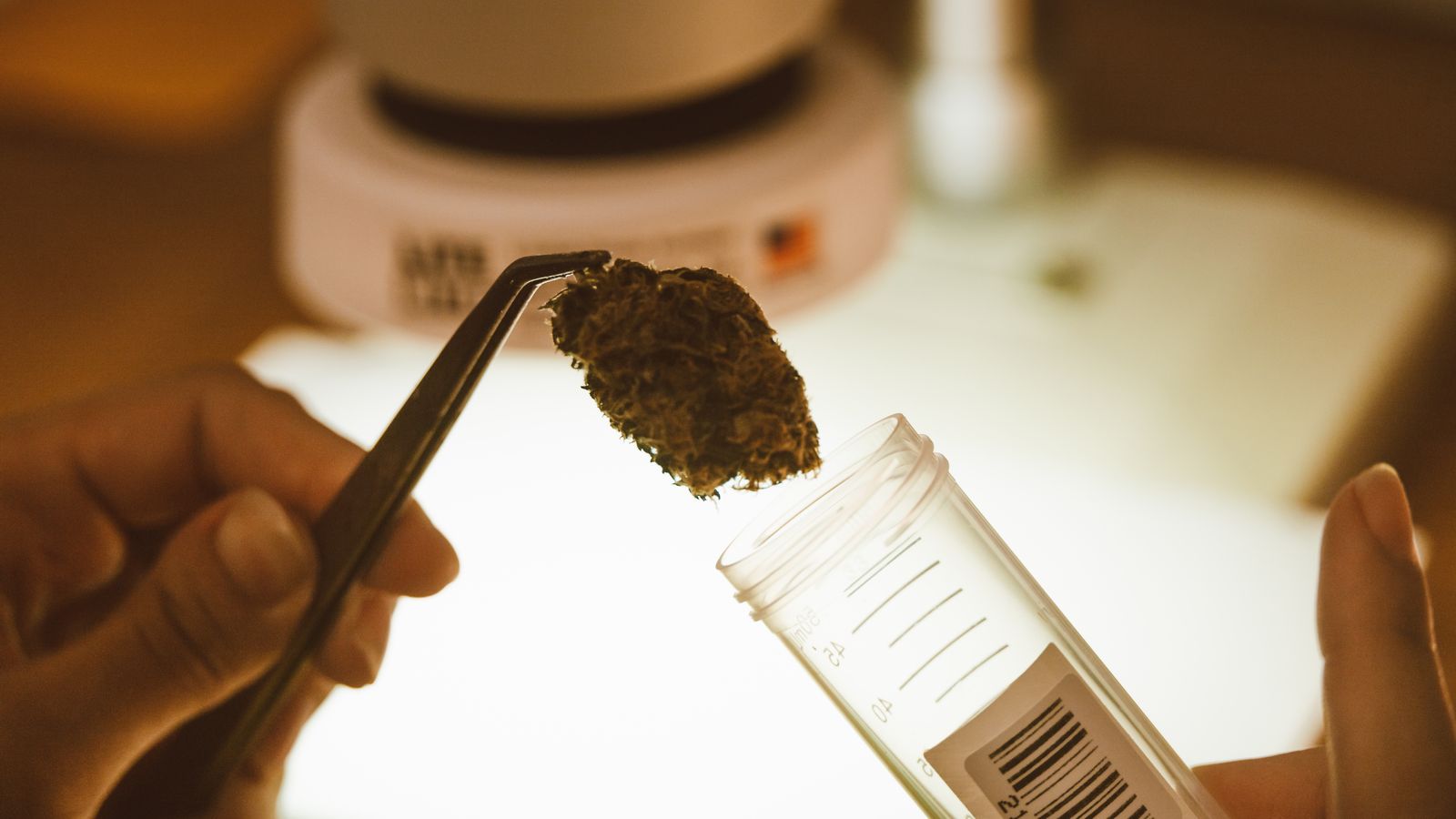
Executive Summary
Cannabis product contamination represents one of the most serious public health and regulatory challenges facing legal cannabis markets across the United States. From microbial pathogens like Aspergillus and Salmonella to heavy metals including lead and arsenic, pesticide residues, and residual solvents from extraction processes, contaminated cannabis products have triggered hundreds of recalls, sickened patients, and undermined consumer confidence in regulated markets. The September 2026 warning from Maine health officials about contaminated "Deep Sea" cannabis concentrate underscores the ongoing vigilance required to protect medical cannabis patients and adult-use consumers. State testing programs vary dramatically in rigor, with some jurisdictions requiring comprehensive screening for dozens of contaminants while others maintain minimal standards. The economic stakes are substantial: a single failed batch can cost cultivators and processors tens of thousands of dollars, while systemic contamination issues can devastate brand reputations and trigger regulatory crackdowns. For patients relying on cannabis for serious medical conditions, contaminated products pose direct health risks, particularly for immunocompromised individuals. This article examines the full spectrum of cannabis contamination issues, from cultivation-stage prevention through laboratory testing protocols, regulatory frameworks, and the ongoing evolution of safety standards in a maturing industry.Why Cannabis Product Contamination Matters
Contaminated cannabis products directly threaten public health while simultaneously undermining the legitimacy of legal cannabis markets that compete with unregulated sources. The stakeholder universe affected by contamination extends across the entire cannabis ecosystem. Medical cannabis patients, particularly those with compromised immune systems undergoing chemotherapy or living with HIV/AIDS, face heightened vulnerability to fungal and bacterial pathogens. A 2017 study published in Clinical Microbiology and Infection documented cases of invasive pulmonary aspergillosis in immunocompromised cannabis users, with one fatality directly attributed to Aspergillus-contaminated cannabis. Adult-use consumers, while generally at lower risk than immunocompromised patients, still face exposure to pesticides, heavy metals, and residual solvents that accumulate with regular consumption. The inhalation route of administration for smoked or vaporized cannabis delivers contaminants directly to lung tissue, bypassing first-pass hepatic metabolism that might otherwise reduce systemic exposure. Licensed cultivators and processors bear the immediate financial burden of contamination events. A single failed test batch can represent $50,000 to $200,000 in lost product value, depending on scale and product type. Concentrates and extracts command premium wholesale pricing but face stricter testing thresholds, making contamination particularly costly for extraction facilities. State regulatory agencies face political pressure when contamination incidents occur, with critics of legalization citing safety failures as evidence that regulated markets cannot adequately protect consumers. The credibility of state cannabis control programs depends substantially on effective contamination prevention and detection. Investors and multi-state operators evaluate contamination risk as a key operational metric. Companies with robust quality assurance programs and low failure rates command valuation premiums, while those with repeated contamination issues face capital flight and acquisition challenges. The scale of the issue is measurable through state recall data. California issued 187 product recalls in 2023, with microbial contamination accounting for 43% of all recalls. Michigan reported 94 recalls in 2024, with pesticide violations representing the leading cause. Colorado, with its mature market and established testing protocols, still averaged 6-8 recalls monthly throughout 2025.Background and History of Cannabis Contamination Issues
Cannabis contamination concerns predate legalization, but regulated markets have made the problem visible through mandatory testing while simultaneously creating economic incentives for prevention.Pre-Legalization Era: Hidden Contamination
Before state-legal markets emerged, cannabis contamination existed but remained largely undocumented. Illicit market cannabis faced no testing requirements, and consumers had no mechanism to verify product safety. Academic studies from the 1980s and 1990s occasionally sampled seized cannabis, finding concerning levels of pesticides, mold, and bacterial contamination, but systematic data collection was impossible. The medical cannabis gray market that emerged in California following Proposition 215's passage in 1996 operated without testing mandates until 2018. Dispensaries occasionally conducted voluntary testing, but results were not publicly reported, and no enforcement mechanism existed for contaminated products. Patient advocacy groups, particularly those serving immunocompromised populations, raised concerns about fungal contamination as early as 2000, but regulatory frameworks did not yet exist to address the issue.2010-2014: Early State Testing Programs
Colorado's Amendment 64 implementation in 2014 marked the first comprehensive mandatory testing program for adult-use cannabis. The Colorado Department of Public Health and Environment established initial testing requirements covering potency, microbial contaminants, residual solvents, and pesticides. Early testing revealed that approximately 15% of products failed initial screening, a failure rate that shocked industry participants and regulators alike. Washington State launched its adult-use market in 2014 with similarly comprehensive testing mandates under the Washington State Liquor and Cannabis Board. The state required testing for 59 pesticides, a list that would expand to over 200 compounds by 2020. First-year data showed pesticide detection in approximately 8% of samples, with myclobutanil—a fungicide that converts to hydrogen cyanide when combusted—appearing in multiple product recalls.2015-2017: The Aspergillus Crisis
A series of cases linking Aspergillus-contaminated cannabis to serious pulmonary infections in immunocompromised patients catalyzed regulatory action across multiple states. A 2015 case report in the journal Clinical Practice and Cases in Emergency Medicine documented a fatal case of invasive aspergillosis in a California patient using medical cannabis, with laboratory analysis confirming Aspergillus contamination in the patient's cannabis supply. California responded by accelerating its testing mandate timeline, moving the implementation date for comprehensive microbial testing from 2020 to 2018. The state established action levels for Aspergillus species at 1 colony-forming unit per gram (CFU/g) for inhalable products, among the strictest standards in any jurisdiction. Nevada implemented emergency regulations in 2017 requiring Aspergillus testing for all inhalable cannabis products following the identification of contaminated products in Las Vegas dispensaries. The state temporarily halted sales of certain product categories while testing laboratories scaled up capacity to meet the new requirements.2018-2019: Pesticide Contamination Scandals
Oregon faced a major contamination crisis in 2018 when routine testing revealed widespread pesticide contamination across multiple licensed cultivators. The Oregon Health Authority issued 47 pesticide-related recalls between January and June 2018, affecting over 350,000 individual product units. Investigation revealed that some cultivators were applying pesticides not approved for cannabis cultivation, including products labeled for ornamental plants only. The Oregon crisis triggered a comprehensive review of pesticide policies across all legal states. The Oregon Department of Agriculture published a list of approved pesticides for cannabis cultivation, while the Oregon Health Authority increased testing frequency and expanded the pesticide panel to 120 compounds. Massachusetts encountered similar issues during its 2018-2019 market launch. The state Cannabis Control Commission documented pesticide violations in approximately 12% of tested batches during the first year of adult-use sales. Several large cultivators faced license suspensions, and the state implemented mandatory remediation protocols requiring contaminated batches to be destroyed rather than reprocessed.2019-2020: The Vitamin E Acetate Vaping Crisis
The 2019 outbreak of e-cigarette or vaping product use-associated lung injury (EVALI) represented the most serious public health crisis in cannabis history, though the contamination primarily affected illicit market products. The Centers for Disease Control and Prevention identified vitamin E acetate, a thickening agent added to illicit market THC vape cartridges, as the primary cause of the outbreak that sickened over 2,800 people and caused 68 deaths. While the crisis centered on illicit products, it prompted regulatory scrutiny of legal market vape cartridges. California, Michigan, and Massachusetts all implemented emergency testing requirements for vitamin E acetate in vape products. The crisis accelerated the development of testing methodologies for cutting agents and diluents, expanding the scope of contamination screening beyond traditional categories.2021-2023: Heavy Metals and Concentrate Contamination
As concentrate and extract markets matured, heavy metal contamination emerged as a significant concern. Lead, cadmium, arsenic, and mercury can accumulate in cannabis plants from contaminated soil or water, then concentrate during extraction processes. A 2021 study in the Journal of Toxicology found that cannabis concentrates contained heavy metal levels up to 10 times higher than flower from the same source material. California implemented heavy metals testing requirements for all inhalable cannabis products in January 2022, establishing action levels of 0.5 micrograms per gram (μg/g) for lead and 0.2 μg/g for arsenic in inhalable products. The new standards triggered a wave of product failures, with approximately 8% of concentrate products failing heavy metals testing in the first quarter of implementation. Michigan followed with similar requirements in 2023, while Colorado revised its heavy metals standards to align with California's more stringent thresholds. The regulatory convergence reflected growing scientific consensus about safe exposure levels for inhaled heavy metals.2024-2026: Emerging Contaminants and Regulatory Evolution
Recent years have seen attention shift to emerging contaminants including mycotoxins, bile acids from animal-derived fertilizers, and novel pesticides not included in standard testing panels. Oklahoma's medical cannabis program identified aflatoxin contamination in multiple product batches in 2024, leading to expanded mycotoxin testing requirements. The Maine contamination warning in September 2026 regarding "Deep Sea" cannabis concentrate reflects the ongoing nature of contamination challenges even in mature markets. Maine's Office of Cannabis Policy maintains comprehensive testing requirements covering microbial contaminants, pesticides, heavy metals, and residual solvents, yet contaminated products still occasionally reach the market, highlighting the limitations of batch testing and the importance of rapid response systems.Key Players in Contamination Prevention and Response
State Regulatory Agencies
State cannabis control boards bear primary responsibility for establishing testing standards, licensing testing laboratories, and enforcing contamination protocols. The California Department of Cannabis Control operates one of the most comprehensive testing programs, requiring screening for 66 pesticides, 20 residual solvents, 5 mycotoxins, 4 heavy metals, and multiple microbial contaminants. The agency maintains a public recall database and coordinates with the California Department of Public Health on contamination incidents affecting medical patients. The Michigan Cannabis Regulatory Agency implemented a tiered testing approach in 2024, with enhanced scrutiny for products intended for medical use by immunocompromised patients. The agency requires quarterly audits of testing laboratories and maintains a quality assurance program that includes blind proficiency samples to verify laboratory accuracy.Testing Laboratories
Independent testing laboratories serve as the frontline defense against contaminated products entering the market. Laboratories must obtain ISO/IEC 17025 accreditation, demonstrating technical competence and quality management systems. Major testing laboratories including SC Labs, Steep Hill, and CannaSafe process thousands of samples monthly, using techniques including liquid chromatography-mass spectrometry (LC-MS), gas chromatography-mass spectrometry (GC-MS), and quantitative polymerase chain reaction (qPCR) for microbial detection. The testing laboratory industry faces ongoing challenges including price competition that can incentivize less rigorous testing, conflicts of interest when laboratories depend on cultivator clients for revenue, and technical limitations in detecting certain contaminants at very low concentrations. Several states have implemented mandatory laboratory rotation programs to reduce conflicts of interest, while others require state oversight of laboratory operations through resident inspectors.Cultivators and Processors
Licensed cannabis businesses implement contamination prevention through integrated pest management programs, environmental controls, and quality assurance protocols. Leading operators including Curaleaf, Green Thumb Industries, and Cresco Labs maintain in-house quality teams that conduct pre-compliance testing before submitting products to state-mandated laboratories, reducing the risk of costly batch failures. Cultivation facilities invest in HVAC systems with HEPA filtration, positive air pressure in flowering rooms, and strict sanitation protocols to prevent microbial contamination. Processing facilities use food-grade stainless steel equipment, maintain clean room environments for concentrate production, and implement good manufacturing practices adapted from pharmaceutical and food industries.Industry Associations
The American Herbal Products Association Cannabis Committee has published guidance documents on contamination prevention and testing best practices. The Cannabis Trade Federation advocates for federal testing standards that would harmonize state requirements and reduce compliance complexity for multi-state operators. The Association of Commercial Cannabis Laboratories provides technical training for laboratory personnel and advocates for science-based testing standards. The organization has published white papers on appropriate action levels for various contaminants and appropriate testing methodologies.Patient Advocacy Organizations
Americans for Safe Access has consistently advocated for rigorous testing standards to protect medical cannabis patients, particularly immunocompromised populations. The organization publishes an annual medical cannabis report card grading states on testing requirements and patient safety protections. The National Organization for the Reform of Marijuana Laws, while primarily focused on legalization advocacy, has supported comprehensive testing requirements as essential to successful regulated markets. The organization has opposed efforts to weaken testing standards in the name of reducing compliance costs.Legal and Regulatory Framework
Cannabis contamination regulation operates entirely at the state level due to federal prohibition under the Controlled Substances Act, creating a patchwork of testing requirements, action levels, and enforcement mechanisms. No federal agency regulates cannabis product safety. The Food and Drug Administration lacks jurisdiction over state-legal cannabis products due to cannabis's Schedule I status under 21 U.S.C. § 812. The FDA has issued warning letters to companies making unsubstantiated health claims about CBD products but does not conduct safety testing or establish contamination standards for cannabis. The Environmental Protection Agency regulates pesticide registration and labeling under the Federal Insecticide, Fungicide, and Rodenticide Act (FIFRA), 7 U.S.C. § 136 et seq., but cannot approve pesticides for use on cannabis due to its federal illegality. This creates a regulatory gap where no pesticides are federally approved for cannabis cultivation, forcing states to develop their own approval lists or reference EPA tolerances established for other crops. State regulatory frameworks vary substantially in comprehensiveness and rigor. The most comprehensive programs require testing for:- Potency (THC, CBD, and other cannabinoids)
- Microbial contaminants (total yeast and mold, Aspergillus species, Salmonella, E. coli, and other pathogens)
- Pesticides (ranging from 20 to over 200 compounds depending on state)
- Residual solvents (butane, propane, ethanol, hexane, and others used in extraction)
- Heavy metals (lead, cadmium, arsenic, mercury)
- Mycotoxins (aflatoxins, ochratoxin A)
- Foreign material (hair, insects, excreta)
- Water activity (measure of available moisture that supports microbial growth)
State-by-State Testing Requirements
Testing rigor varies dramatically across state programs, with comprehensive screening in mature markets and minimal requirements in newer programs.California
California requires the most comprehensive testing program in the nation. All cannabis products must pass testing for cannabinoids, residual solvents, pesticides (66 compounds), microbial impurities, mycotoxins (5 compounds), heavy metals (4 elements), and foreign material. Testing became mandatory January 1, 2018. The state maintains strict action levels and requires ISO/IEC 17025 accreditation for all testing laboratories. Possession limits are 28.5 grams of flower or 8 grams of concentrate for adult-use consumers.Colorado
Colorado requires testing for potency, microbial contaminants, mycotoxins, pesticides (235 compounds), residual solvents, and heavy metals. The state implemented testing requirements in phases beginning in 2014. Colorado uses a risk-based approach with stricter standards for inhalable products. The state allows 2 ounces of flower possession for adult-use consumers. Medical patients can possess up to 2 ounces with standard recommendation or more with extended plant count authorization.Michigan
Michigan requires testing for potency, pesticides (over 200 compounds), residual solvents, heavy metals, microbial contaminants, and mycotoxins. Testing became mandatory for adult-use products in December 2019. The state allows 2.5 ounces of flower possession for adult-use consumers and up to 10 ounces for medical patients. Michigan has faced criticism for action levels that some consider too permissive compared to California or Colorado.Massachusetts
Massachusetts requires comprehensive testing including potency, pesticides (over 100 compounds), heavy metals, microbial impurities, mycotoxins, and residual solvents. The Cannabis Control Commission implemented testing requirements in 2018. The state allows 1 ounce possession for adult-use consumers and up to 10 ounces for medical patients. Massachusetts requires quarterly proficiency testing for all licensed laboratories.Illinois
Illinois requires testing for potency, pesticides, residual solvents, microbial contaminants, mycotoxins, and heavy metals. Testing became mandatory with adult-use launch in January 2020. The state allows 30 grams of flower possession for adult-use consumers and up to 2.5 ounces for medical patients. Illinois uses a tiered testing approach with enhanced requirements for medical products.Washington
Washington requires testing for potency, pesticides (over 200 compounds), residual solvents, heavy metals, and microbial contaminants. Testing has been mandatory since the 2014 market launch. The state allows 1 ounce of flower possession for adult-use consumers. Washington does not have a separate medical program with distinct possession limits. The state has implemented mandatory laboratory rotation to reduce conflicts of interest.Oregon
Oregon requires testing for potency, pesticides (over 120 compounds), residual solvents, microbial contaminants, and heavy metals. Testing became mandatory in 2016. The state allows 2 ounces of flower possession for adult-use consumers and up to 24 ounces for medical patients. Oregon faced significant pesticide contamination issues in 2018 that led to enhanced enforcement and expanded testing panels.Nevada
Nevada requires testing for potency, pesticides, residual solvents, microbial contaminants, mycotoxins, heavy metals, and foreign material. Testing became mandatory in 2017. The state allows 1 ounce of flower possession for adult-use consumers and up to 2.5 ounces for medical patients. Nevada implemented emergency Aspergillus testing requirements in 2017 following contamination incidents.Maine
Maine requires testing for potency, pesticides, residual solvents, microbial contaminants, heavy metals, and mycotoxins. The Office of Cannabis Policy oversees testing requirements for both medical and adult-use programs. The state allows 2.5 ounces of flower possession for adult-use consumers and up to 8 ounces for medical patients. The September 2026 "Deep Sea" concentrate contamination warning demonstrates the state's active monitoring and rapid response protocols.Arizona
Arizona requires testing for potency, pesticides, residual solvents, microbial contaminants, heavy metals, and mycotoxins. Testing became mandatory for adult-use products in January 2021. The state allows 1 ounce of flower possession for adult-use consumers and up to 2.5 ounces for medical patients. Arizona requires testing laboratories to participate in proficiency testing programs.New Jersey
New Jersey requires testing for potency, pesticides, residual solvents, microbial contaminants, heavy metals, and mycotoxins. The Cannabis Regulatory Commission implemented comprehensive testing requirements in 2022. The state allows 1 ounce of flower possession for adult-use consumers and up to 3 ounces for medical patients. New Jersey requires ISO/IEC 17025 accreditation for all testing laboratories.New York
New York requires testing for potency, pesticides, residual solvents, microbial contaminants, heavy metals, and mycotoxins. The Office of Cannabis Management implemented testing requirements for adult-use products in 2023. The state allows 3 ounces of flower possession for adult-use consumers and up to 60 days supply for medical patients. New York has established some of the nation's strictest pesticide action levels.Market and Business Implications
Contamination risk directly impacts cultivation economics, product pricing, insurance costs, and competitive positioning in cannabis markets. Testing costs represent a significant operational expense for cannabis businesses. Laboratory testing fees range from $200 to $800 per batch depending on product type and testing scope. A mid-size cultivation facility producing 100 pounds monthly might spend $15,000 to $30,000 monthly on testing, representing 2-5% of gross revenue. Concentrate manufacturers face higher testing costs due to stricter standards and additional solvent testing requirements. Batch failures create immediate financial losses. A 10-pound batch of premium flower wholesale valued at $20,000 becomes a total loss if testing reveals contamination that cannot be remediated. Concentrate batches face even higher loss potential, with a single 1-kilogram batch of distillate representing $15,000 to $25,000 in wholesale value. Industry data suggests that 5-8% of batches fail initial testing across all product categories, though failure rates vary substantially by operator sophistication and contamination type. Remediation options exist for certain contamination types but add costs and reduce product value. Flower that fails microbial testing can sometimes be converted to concentrate through hydrocarbon extraction, as the process can reduce microbial load. However, this remediation path converts premium flower worth $1,500-$2,000 per pound wholesale into trim-grade input material worth $200-$400 per pound, destroying 75-85% of the product's value. Multi-state operators with sophisticated quality assurance programs achieve lower failure rates and realize competitive advantages. Curaleaf reports batch failure rates below 2% across its cultivation facilities, attributing the performance to standardized cultivation protocols, environmental controls, and pre-compliance testing. The company's quality assurance program represents approximately 3% of cultivation costs but prevents losses that would otherwise exceed 5-8% of production value. Insurance markets have responded to contamination risk by developing specialized product recall and contamination coverage. Policies typically cover the cost of product destruction, recall logistics, and business interruption losses, with annual premiums ranging from 0.5% to 2% of insured product value. Operators with strong quality assurance track records qualify for lower premiums, creating economic incentives for contamination prevention. Wholesale pricing reflects contamination risk and testing compliance. Products from operators with strong testing track records command 5-10% premium pricing compared to products from operators with frequent failures or compliance issues. Retailers increasingly audit supplier testing records and refuse to purchase from operators with contamination histories, creating market-based enforcement that supplements regulatory oversight. Brand reputation damage from contamination incidents can persist for years. A 2023 analysis of social media sentiment following product recalls found that brand mentions remained 40% more negative than baseline levels for 18-24 months post-incident. Companies that experienced multiple contamination events saw permanent market share losses averaging 15-20% in affected product categories. Capital markets penalize contamination issues. Publicly traded cannabis companies that announce significant product recalls typically experience 8-12% stock price declines in the week following disclosure. Repeated contamination issues trigger analyst downgrades and can impair access to capital markets. Trulieve experienced a 15% stock price decline following a 2023 recall of vape products in Florida due to pesticide contamination, with the stock underperforming sector benchmarks for the subsequent six months. Vertical integration provides some protection against contamination risk by allowing operators to control the entire supply chain from cultivation through retail. Vertically integrated operators can implement quality controls at each production stage and conduct in-house pre-compliance testing before submitting products for regulatory testing. However, vertical integration also concentrates contamination risk, as a cultivation-stage contamination event can cascade through the entire production chain. The testing laboratory industry itself represents a significant market segment, with annual revenue estimated at $350-$450 million across all legal states. Laboratory consolidation has accelerated, with major players including SC Labs, Steep Hill, and Kaycha Labs expanding through acquisition of regional laboratories. Consolidation creates economies of scale in equipment investment and technical expertise but raises concerns about reduced competition and potential conflicts of interest.What Experts Say About Contamination Prevention
Dr. Donald Land, a laboratory director and cannabis testing expert, has emphasized that appropriate testing methodologies are critical to accurate contamination detection. According to Land, quantitative polymerase chain reaction (qPCR) provides superior sensitivity for microbial detection compared to culture-based methods, particularly for Aspergillus species that pose the greatest risk to immunocompromised patients. Dr. Jeffrey Raber, founder of The Werc Shop testing laboratory, has stated that pesticide contamination often originates from cultivators applying products labeled for ornamental plants without understanding that cannabis's unique cultivation and consumption methods require specialized pesticide evaluation. Raber has advocated for federal EPA involvement in establishing cannabis-specific pesticide tolerances. Dr. Jahan Marcu, a pharmacologist and former research director at Americans for Safe Access, has noted that immunocompromised patients face substantially elevated risk from fungal contamination. According to Marcu, action levels appropriate for healthy adult consumers may be inadequate to protect medical patients with compromised immune systems, suggesting that medical products should face enhanced testing requirements. Kevin Jodrey, a cultivation expert and founder of Wonderland Nursery, has emphasized that contamination prevention begins with cultivation practices. According to Jodrey, integrated pest management programs that prioritize biological controls and environmental management over chemical pesticides substantially reduce contamination risk while producing higher-quality products. Dr. Allison Justice, a laboratory quality assurance expert, has highlighted the importance of laboratory accreditation and proficiency testing in ensuring accurate contamination detection. Justice has stated that laboratories operating without ISO/IEC 17025 accreditation lack the quality management systems necessary to produce reliable results, and that mandatory proficiency testing programs are essential to identify laboratories producing inaccurate data. Dr. Robert Martin, a toxicologist specializing in inhalation exposure, has noted that heavy metals pose particular concern in cannabis concentrates due to bioaccumulation during extraction. According to Martin, action levels established for cannabis flower may be inadequate for concentrates that contain 5-10 times higher heavy metal concentrations per unit mass. Amanda Reiman, a drug policy expert and former director of research at the Drug Policy Alliance, has emphasized that overly stringent testing requirements can create unintended consequences by driving up product costs and incentivizing consumers to purchase from unregulated sources. According to Reiman, testing standards must balance patient safety with market accessibility.What's Next: Future Developments in Contamination Testing
Cannabis contamination testing is evolving toward more sophisticated methodologies, expanded contaminant panels, and potential federal standardization. Several states are considering expanded mycotoxin testing beyond the standard aflatoxin panel. Ochratoxin A, citrinin, and other mycotoxins produced by Aspergillus and Penicillium species are under evaluation for inclusion in testing requirements. The Cannabis Safety Institute has published research suggesting that current mycotoxin panels may miss significant contamination, with expanded testing likely to be implemented in California, Colorado, and Michigan by 2027. Terpene oxidation products represent an emerging contamination concern. When cannabis products age or are improperly stored, terpenes including limonene and myrcene can oxidize into potentially harmful compounds. Research published in 2025 identified several oxidation products with irritant properties in aged cannabis vape cartridges. Testing methodologies for terpene oxidation products are under development, with potential regulatory implementation by 2028. Microplastics contamination from packaging materials and cultivation equipment is receiving increased attention. Preliminary research has detected microplastic particles in cannabis products, though health implications remain unclear. California's Office of Environmental Health Hazard Assessment is conducting a risk assessment that may lead to testing requirements or packaging restrictions by 2027. Federal standardization remains a long-term possibility contingent on cannabis rescheduling or descheduling. If cannabis is rescheduled to Schedule III under the Drug Enforcement Administration's ongoing review, the FDA would likely assert jurisdiction over product safety. This could trigger federal testing standards that preempt state requirements, though the timeline remains uncertain pending administrative and potential legal challenges to any rescheduling decision. Rapid testing technologies are advancing, with several companies developing on-site testing devices that could enable real-time contamination screening. Handheld devices using spectroscopy or immunoassay techniques could allow cultivators to screen products before submitting to regulatory laboratories, reducing batch failure rates. Commercial deployment of validated rapid testing devices is expected by 2027-2028. Blockchain-based testing verification systems are being piloted in several states to prevent laboratory result fraud. These systems create immutable records of testing data, making it more difficult for bad actors to falsify results. Massachusetts and Illinois are evaluating blockchain integration into their track-and-trace systems, with potential implementation by 2028. International harmonization of testing standards may emerge as more countries legalize cannabis. Canada, Germany, and other nations with legal markets have established their own testing requirements, creating complexity for international commerce. The International Organization for Standardization (ISO) has formed a technical committee on cannabis standards that may publish international testing guidelines by 2028-2029. Climate change impacts on contamination risk are receiving increased attention. Rising temperatures and changing precipitation patterns may alter the geographic distribution of fungal pathogens and affect heavy metal uptake in cannabis plants. Cultivators in regions experiencing climate shifts may need to adapt contamination prevention strategies, with regulatory standards potentially adjusting to reflect changing risk profiles. The Maine "Deep Sea" concentrate contamination incident in September 2026 will likely trigger a review of concentrate testing protocols in that state and potentially others. The specific contaminant involved has not been publicly disclosed, but the incident demonstrates that even mature regulatory programs require ongoing vigilance and protocol refinement.Further Reading and Primary Sources
- California Department of Cannabis Control - Testing Regulations and Standards: https://cannabis.ca.gov/cannabis-laws/dcc-regulations/
- Colorado Marijuana Enforcement Division - Testing Requirements: https://sbg.colorado.gov/med
- Michigan Cannabis Regulatory Agency - Testing Rules: https://www.michigan.gov/cra
- Massachusetts Cannabis Control Commission - Testing Protocols: https://masscannabiscontrol.com/
- Centers for Disease Control and Prevention - EVALI Outbreak Investigation: https://www.cdc.gov/tobacco/basic_information/e-cigarettes/severe-lung-disease.html
- American Herbal Products Association - Cannabis Committee Publications: https://www.ahpa.org/
- Association of Commercial Cannabis Laboratories - Technical Resources: https://www.acclabs.com/
- Americans for Safe Access - Medical Cannabis Testing Standards: https://www.safeaccessnow.org/
- U.S. Environmental Protection Agency - FIFRA Pesticide Regulations: https://www.epa.gov/pesticide-registration
- Food and Drug Administration - Cannabis and Cannabis-Derived Compounds: https://www.fda.gov/
Frequently asked questions
What are the most common contaminants found in cannabis products?
The most common contaminants include pesticides used during cultivation, heavy metals like lead and arsenic absorbed from soil, microbial pathogens such as E. coli and Salmonella, mold and mycotoxins including Aspergillus, and residual solvents like butane from extraction processes. Pesticide contamination is particularly prevalent because cannabis plants readily absorb chemicals, and some cultivators use unapproved agricultural products. Heavy metal contamination typically occurs when plants are grown in contaminated soil or with contaminated water sources.
How do state testing programs detect contaminated cannabis products?
State-licensed testing laboratories analyze cannabis samples using methods including gas chromatography-mass spectrometry for pesticides and residual solvents, inductively coupled plasma mass spectrometry for heavy metals, and microbial plating or PCR testing for pathogens. Testing requirements vary by state, with some requiring comprehensive panels and others testing only for specific contaminants. California, Colorado, and Massachusetts have among the most stringent testing requirements, while other states have more limited programs. Products must pass all required tests before receiving approval for retail sale.
What health risks do contaminated cannabis products pose to consumers?
Contaminated cannabis poses various health risks depending on the contaminant type. Pesticide exposure can cause neurological symptoms, respiratory problems, and long-term organ damage. Heavy metals accumulate in the body and may cause kidney damage, neurological disorders, and developmental problems. Microbial contamination can cause serious infections, particularly dangerous for immunocompromised patients. Mold exposure may trigger allergic reactions and respiratory issues. Residual solvents can cause headaches, dizziness, and respiratory irritation. Immunocompromised medical cannabis patients face elevated risks from any microbial contamination.
Why do cannabis product recalls happen in legal markets?
Recalls occur when products fail required safety tests, when contamination is discovered after initial approval, or when testing laboratories identify previously undetected issues. Common recall triggers include pesticide levels exceeding state limits, presence of unapproved pesticides, microbial contamination above acceptable thresholds, and heavy metal concentrations exceeding safety standards. Some recalls result from laboratory errors or retesting with more sensitive methods. State regulators issue mandatory recalls and require dispensaries to remove affected products from shelves and notify consumers who purchased contaminated items.
How can consumers identify and avoid contaminated cannabis products?
Consumers should purchase only from licensed dispensaries that sell tested products, verify products display required testing labels and batch numbers, and check state regulatory websites for active recall lists. Avoid products with unusual odors, visible mold, or discoloration. Request to see certificate of analysis documents showing test results. Be cautious of unusually low prices that may indicate untested products. Medical patients with compromised immune systems should be especially vigilant and consult healthcare providers about contamination risks. Never purchase cannabis from unlicensed sources lacking regulatory oversight.
What testing standards exist for cannabis concentrates and extracts?
Concentrates face additional testing requirements beyond flower products, particularly for residual solvents used in extraction. Hydrocarbon extracts made with butane or propane must test below specific parts-per-million thresholds for residual solvents. CO2 and solventless extracts like rosin typically have fewer solvent concerns but still require pesticide, heavy metal, and microbial testing. Some states require potency testing to verify THC and CBD levels match labeling. Concentrate testing is critical because extraction processes can concentrate contaminants along with cannabinoids, potentially creating higher exposure risks than flower products.
How do cultivation practices affect cannabis product contamination?
Cultivation practices directly impact contamination risk. Indoor grows with controlled environments typically have lower microbial and heavy metal contamination but may use more pesticides. Outdoor cultivation exposes plants to environmental contaminants and pests but may use fewer chemicals. Organic cultivation practices reduce pesticide contamination but require vigilant pest management. Proper curing and drying prevents mold growth. Water quality affects heavy metal uptake, and soil testing helps identify contamination risks before planting. Integrated pest management strategies using beneficial insects and biological controls reduce chemical pesticide needs and contamination risks.
What happens during a cannabis product recall process?
When contamination is detected, state regulators issue mandatory recall notices to license holders. Dispensaries must immediately remove affected products from shelves and inventory. Retailers contact consumers who purchased recalled products using purchase records, typically offering refunds or exchanges. Cultivators and processors must quarantine remaining inventory and may face license sanctions. Some states require public notification through regulatory websites and press releases. Recalled products are typically destroyed under regulatory supervision. The recall process aims to prevent consumer exposure while investigating contamination sources to prevent future incidents. Serious violations may result in license suspension or revocation.
Are cannabis testing standards consistent across different states?
Testing standards vary significantly across state programs. Some states like California require comprehensive testing for pesticides, heavy metals, microbial contaminants, mycotoxins, and residual solvents. Other states have more limited requirements testing only for specific contaminants. Acceptable contamination thresholds differ between jurisdictions, meaning products passing in one state might fail in another. Testing frequency requirements also vary, with some states testing every batch and others using sampling protocols. This inconsistency creates challenges for multi-state operators and consumers. Industry groups advocate for federal standardization, but state-level regulation currently creates a patchwork of different safety standards.
How does contamination in illicit cannabis markets compare to legal products?
Illicit market cannabis lacks regulatory testing and quality control, creating substantially higher contamination risks. Studies have found illicit products frequently contain dangerous pesticide levels, heavy metals, and microbial contamination that would fail legal market testing. Without oversight, illicit producers may use banned pesticides, grow in contaminated environments, and process products under unsanitary conditions. Consumers have no recourse for contaminated illicit products and no access to test results or recall information. The contamination risk differential between tested legal products and untested illicit products represents a significant public health argument for legal regulation.
What role do testing laboratories play in preventing contaminated products?
State-licensed testing laboratories serve as the primary safeguard against contaminated products reaching consumers. Labs must achieve accreditation under ISO standards and participate in proficiency testing programs. They analyze samples using validated methods and issue certificates of analysis documenting results. Labs that identify contamination trigger regulatory action including product holds and recalls. However, laboratory accuracy varies, and some states have experienced issues with labs producing inconsistent results or failing to detect contamination. Regulatory oversight of testing laboratories themselves is critical to ensuring reliable results and maintaining consumer safety in legal cannabis markets.
Can cannabis products become contaminated after passing initial testing?
Post-testing contamination can occur through improper storage, handling, or packaging. Microbial growth may develop if products are stored in humid conditions or containers are not properly sealed. Cross-contamination can happen in dispensaries if products contact contaminated surfaces. Some states require retesting of products held in inventory beyond certain timeframes. Packaging integrity is critical for maintaining product safety after testing. Proper storage conditions including temperature and humidity control help prevent post-testing contamination. This highlights why consumers should examine products for signs of degradation and verify packaging seals are intact before purchase.
The cannabis newsletter you forward to your team.
Federal policy, market data, grower alerts, and the one story that matters today. Sent every weekday at 7am. Free.
No spam. Unsubscribe with one click. 21+ only.