California Dispensary Drive-Thrus: Regulations, Locations & Future Outlook
California's cannabis industry is exploring drive-through dispensary models to enhance customer convenience and accessibility. While the state legalized recreational cannabis in 2016, drive-through operations face complex local zoning restrictions and regulatory hurdles. This hub examines the current legal landscape, operational requirements, existing drive-through locations, municipal approval processes, and the potential expansion of this retail model across California's diverse jurisdictions. Understanding these regulations is crucial for dispensary operators, investors, and consumers navigating California's evolving cannabis marketplace.
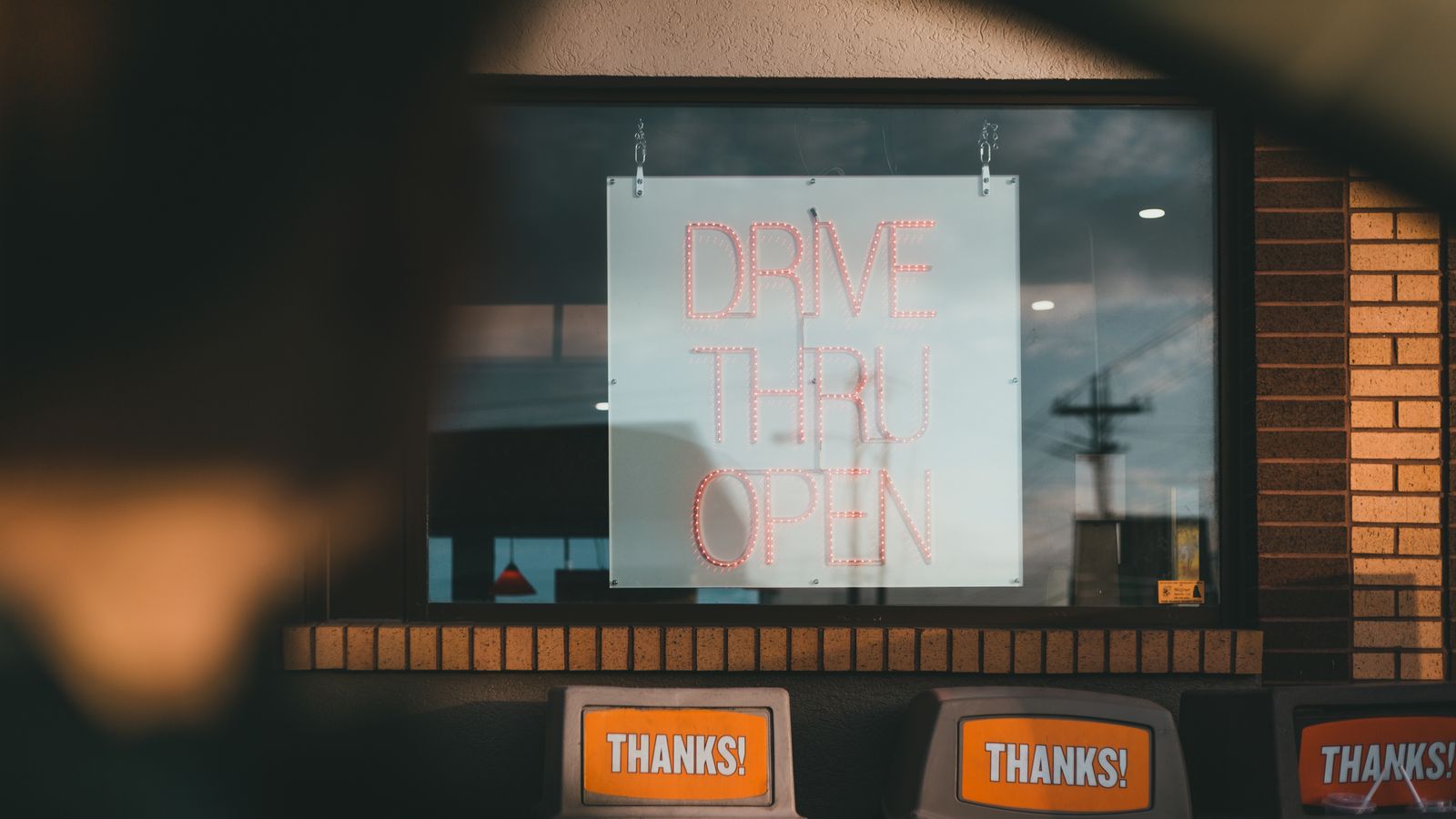
Executive Summary
California is poised to authorize drive-through cannabis retail operations for the first time since adult-use legalization in 2016, following regulatory proposals introduced in May 2026 that would fundamentally reshape how the nation's largest legal cannabis market serves consumers. The proposed framework, developed by the California Department of Cannabis Control (DCC), would permit licensed dispensaries to add drive-through windows or lanes subject to local municipal approval, security requirements, and age-verification protocols. If adopted, the regulations would position California alongside states like Colorado and Michigan that already permit curbside or drive-through cannabis sales, potentially unlocking hundreds of millions of dollars in incremental revenue while addressing persistent concerns about accessibility, traffic congestion near storefronts, and consumer privacy. The proposal arrives as California's licensed market continues battling a thriving illicit sector that captures an estimated 50-60% of total cannabis transactions statewide, with operators arguing that convenience-focused retail models could recapture market share. Public comment periods and final rulemaking are expected to extend through late 2026, with earliest implementation projected for Q1 2027 in jurisdictions that opt in.
Why This Matters
The authorization of drive-through cannabis sales in California would affect the largest legal cannabis market in the world, representing approximately $5.3 billion in annual licensed sales and serving an estimated 6-8 million adult consumers across 58 counties. For the state's roughly 1,100 licensed dispensaries, drive-through capability could reduce real estate costs by enabling smaller footprints, decrease staffing requirements during peak hours, and improve throughput in high-traffic locations where parking constraints currently limit sales volume. Industry analysts project that drive-through-enabled stores could process 30-40% more transactions per hour compared to traditional walk-in formats.
Medical cannabis patients, particularly those with mobility limitations, chronic pain conditions, or immunocompromised status, stand to benefit significantly from reduced physical barriers to access. Advocacy organizations including the California Cannabis Industry Association and Americans for Safe Access have documented that approximately 15-20% of registered medical patients cite accessibility challenges as barriers to consistent medication access. Drive-through service would eliminate the need to navigate parking lots, wait in lobbies, or stand in queues—obstacles that disproportionately affect elderly patients and those with disabilities.
Municipalities face complex decisions balancing economic development against community concerns. Cities like Los Angeles, San Diego, and Sacramento that already permit storefront dispensaries would need to amend local ordinances to allow drive-through operations, triggering new rounds of public hearings and zoning reviews. Conversely, jurisdictions that have banned cannabis retail may view drive-through formats as less obtrusive than traditional storefronts, potentially opening pathways to limited licensing in previously closed markets. The fiscal implications are substantial: drive-through operations could generate incremental local sales tax revenue while potentially reducing public nuisance complaints related to loitering or parking congestion near dispensaries.
Background and History
Proposition 64 and the Birth of Adult-Use Retail (2016)
California voters approved Proposition 64, the Adult Use of Marijuana Act (AUMA), on November 8, 2016, with 57.1% support, legalizing recreational cannabis possession and use for adults 21 and older effective January 1, 2018. The measure, codified primarily in California Business and Professions Code Division 10, established a comprehensive regulatory framework administered initially by three separate agencies: the Bureau of Cannabis Control (retail and distribution), the Department of Food and Agriculture (cultivation), and the Department of Public Health (manufacturing). Proposition 64 explicitly granted local governments authority to prohibit or regulate commercial cannabis activity within their jurisdictions under Section 26200(a)(1), creating a dual-licensing system requiring both state and local approval.
The original AUMA text and subsequent emergency regulations adopted in late 2017 made no specific provision for drive-through retail operations. Early guidance from the Bureau of Cannabis Control emphasized traditional storefront models with secure waiting areas, limited-access product display zones, and point-of-sale systems designed around in-person transactions. The regulatory silence on alternative formats reflected both the novelty of legal adult-use markets and concerns about maintaining strict age verification and product security controls.
Medical Cannabis Precedents (1996-2018)
California's medical cannabis program, established by Proposition 215 (the Compassionate Use Act) in 1996 and later codified as the Medical Marijuana Program under Senate Bill 420 in 2003, operated for two decades under minimal state-level retail regulation. During this period, some medical collectives and cooperatives experimented with delivery-only models and curbside pickup, particularly serving homebound patients. However, these operations existed in legal gray areas, and no formal drive-through facilities received explicit regulatory approval or local permitting.
The Medical Cannabis Regulation and Safety Act (MCRSA), signed in 2015 and effective January 2016, began imposing stricter licensing requirements on medical dispensaries but was quickly superseded by Proposition 64's passage and the subsequent Medicinal and Adult-Use Cannabis Regulation and Safety Act (MAUCRSA) in June 2017, which unified medical and adult-use regulatory frameworks. Throughout this evolution, drive-through retail remained unaddressed in statute or regulation.
COVID-19 Emergency Measures (2020-2021)
The COVID-19 pandemic triggered the first significant regulatory flexibility around non-traditional cannabis retail formats when Governor Gavin Newsom issued Executive Order N-33-20 on March 19, 2020, establishing statewide stay-at-home requirements. The Bureau of Cannabis Control responded with emergency guidance on March 20, 2020, designating cannabis retailers as essential businesses and authorizing expanded delivery and curbside pickup operations. The emergency regulations, formalized as Section 5418 of Title 16, California Code of Regulations, permitted licensed retailers to conduct "curbside pickup" transactions where customers placed orders remotely and retrieved products without entering the retail premises.
However, the emergency curbside provisions explicitly prohibited true drive-through operations. Regulations required customers to exit their vehicles for age verification and product transfer, with transactions occurring in designated outdoor areas rather than through vehicle windows. These restrictions reflected ongoing concerns about preventing diversion to minors and ensuring proper ID verification. The emergency measures remained in effect through June 2021, when California fully reopened, and were allowed to sunset without permanent adoption.
Other State Models Emerge (2020-2025)
While California maintained restrictive retail formats, several other legal states authorized drive-through cannabis sales. Colorado amended its Marijuana Enforcement Division rules in December 2020 to permit drive-through retail at licensed dispensaries, subject to local approval and security camera coverage of transaction zones. Michigan's Cannabis Regulatory Agency issued guidance in April 2021 allowing drive-through operations with similar safeguards. By 2025, at least eight states—including Illinois, Arizona, and New Mexico—had implemented some form of drive-through or drive-up cannabis retail.
Operational data from these markets informed California's eventual regulatory development. Colorado reported no significant increase in diversion incidents or underage access attempts at drive-through facilities compared to traditional storefronts. Michigan documented that drive-through lanes reduced average transaction times from 8-12 minutes to 3-5 minutes, improving customer throughput without compromising compliance. These outcomes provided empirical support for California policymakers considering similar reforms.
California Regulatory Consolidation (2021-2023)
Assembly Bill 141, signed by Governor Newsom on July 12, 2021, consolidated California's three cannabis regulatory agencies into the single Department of Cannabis Control (DCC), effective July 1, 2021. The consolidation aimed to streamline licensing, reduce duplicative oversight, and create more coherent statewide standards. The DCC inherited approximately 1,500 pages of existing regulations across cultivation, manufacturing, testing, distribution, and retail sectors, initiating a comprehensive rulemaking process to harmonize and modernize the regulatory framework.
Throughout 2022 and 2023, the DCC conducted stakeholder engagement on numerous regulatory reforms, including extended operating hours, consumption lounges, and alternative retail models. Industry associations, particularly the California Cannabis Industry Association and the United Cannabis Business Association, consistently advocated for drive-through authorization, citing competitive disadvantages relative to other legal states and the need for innovation to combat illicit market competition.
May 2026 Proposed Rulemaking
On May 9, 2026, the Department of Cannabis Control published proposed amendments to Title 4, Division 19 of the California Code of Regulations, formally introducing drive-through retail provisions for public comment. The proposal, designated as Rulemaking Action 2026-0509-01, would add new Section 15034.5 establishing requirements for "drive-through retail operations" at licensed dispensaries. Key provisions include mandatory video surveillance of all drive-through lanes, age verification protocols requiring government-issued photo identification inspection, prohibition of on-site consumption in vehicles, and requirements that all products be transferred in sealed, opaque exit packaging.
The proposed regulations explicitly preserve local control, requiring dispensaries to obtain amended local permits before operating drive-through facilities and prohibiting drive-through operations in jurisdictions that have banned them through local ordinance. The DCC scheduled public hearings for June 2026 in Sacramento, Los Angeles, and Oakland, with a 45-day written comment period closing July 1, 2026. Final regulations are anticipated in Q4 2026, with implementation beginning in early 2027 for compliant operators in permissive jurisdictions.
Key Players
Department of Cannabis Control (DCC)
The DCC, led by Director Nicole Elliott since its 2021 formation, serves as California's unified cannabis regulatory authority, overseeing approximately 11,000 active licenses across all commercial cannabis sectors. The agency operates with an annual budget of approximately $186 million, funded primarily through licensing fees and regulatory assessments. Director Elliott, a former senior advisor on cannabis policy in Governor Newsom's office, has prioritized regulatory modernization and equity program expansion. The DCC's proposed drive-through regulations reflect the agency's stated commitment to "right-sizing" rules to support legal market competitiveness while maintaining public health and safety standards.
California Cannabis Industry Association (CCIA)
The CCIA, representing over 500 licensed businesses including major multi-state operators and independent retailers, has advocated for drive-through authorization since 2022. According to the association's 2025 policy platform, drive-through retail represents a "critical tool for improving customer experience, reducing operational costs, and recapturing market share from unlicensed sellers." The organization submitted detailed comments during the DCC's pre-rulemaking stakeholder process, providing operational models from Colorado and Michigan as templates for California implementation.
League of California Cities
The League of California Cities, representing 478 incorporated municipalities, has expressed cautious support for drive-through cannabis retail contingent on strong local control provisions. In a March 2026 policy brief, the League emphasized that "any state authorization must preserve municipal authority to prohibit, limit, or impose additional requirements on drive-through operations based on local land use priorities and community input." The organization has recommended that the DCC require 90-day advance notice to local governments before approving drive-through retail licenses, allowing time for local ordinance amendments.
Major Retail Operators
Multi-state operators with significant California footprints, including Curaleaf, Green Thumb Industries, and Verano Holdings, have indicated strong interest in drive-through formats. Curaleaf operates 29 dispensaries in California as of May 2026 and has publicly stated that drive-through capability could increase per-location revenue by 15-25% based on performance data from its Michigan stores. The company's real estate development team has reportedly begun identifying California locations suitable for drive-through retrofits, anticipating regulatory approval.
Independent California operators, represented by organizations like the California Cannabis Retailers Alliance, have expressed mixed views. Some see drive-through as a competitive necessity, while others worry that the capital costs of facility modifications—estimated at $75,000-$200,000 per location for lane construction, canopy installation, and security system upgrades—may favor well-capitalized MSOs over smaller businesses.
Patient Advocacy Organizations
Americans for Safe Access, a national medical cannabis advocacy group with strong California membership, has endorsed drive-through retail as an accessibility enhancement. According to the organization's California policy director, "Drive-through service removes physical barriers that prevent many patients with mobility limitations, chronic pain, or compromised immune systems from reliably accessing their medicine." The group has recommended that the DCC include specific accessibility standards in final regulations, such as ADA-compliant lane design and priority service protocols for medical patients.
Opposition and Skeptical Voices
Smart Approaches to Marijuana (SAM), an organization opposing cannabis legalization, has criticized the drive-through proposal as "normalization of drug use" and raised concerns about impaired driving risks. The group argues that drive-through retail "sends the message that cannabis is no different from fast food" and could increase youth exposure through visible advertising and high-traffic locations. SAM has called for prohibitions on drive-through facilities within 1,000 feet of schools, parks, and youth centers.
Some municipal police chiefs, speaking through the California Police Chiefs Association, have requested enhanced security requirements for drive-through operations, including real-time video monitoring accessible to local law enforcement and mandatory panic alarm systems. The association has not formally opposed drive-through retail but has emphasized the need for "robust safeguards against diversion, robbery, and impaired driving."
Legal and Regulatory Framework
State Statutory Authority
California's cannabis regulatory authority derives primarily from Business and Professions Code Division 10, Sections 26000-26231, which grants the Department of Cannabis Control broad rulemaking power to establish "standards and regulations for the licensing of commercial cannabis activity." Section 26013 specifically authorizes the DCC to "adopt regulations to implement, administer, and enforce" the statutory framework, including regulations governing "the health, safety, and conduct of licensees and their employees." This general grant of authority provides the legal foundation for drive-through retail regulations, as the DCC has determined that such operations can be conducted consistently with statutory health, safety, and security requirements.
Section 26070(a) requires that retail premises be "secure and constructed in a manner as to prevent loitering and to ensure that only authorized individuals have access to areas containing cannabis or cannabis products." The proposed drive-through regulations address this requirement through mandatory video surveillance, controlled access lanes, and prohibition of vehicle queuing on public streets. Section 26070.5 mandates age verification for all retail sales, which the drive-through proposal satisfies through requirements that employees physically inspect government-issued photo identification before completing transactions.
Local Control Provisions
Business and Professions Code Section 26200(a)(1) explicitly preserves local authority to "completely prohibit the establishment or operation of one or more types of businesses licensed" under state cannabis law. This local control provision, a cornerstone of Proposition 64's political compromise, means that state authorization of drive-through retail does not override municipal bans or restrictions. The DCC's proposed regulations acknowledge this by requiring that applicants for drive-through operations obtain "all applicable local permits, licenses, or other authorizations" before state approval.
As of May 2026, approximately 62% of California municipalities (289 of 482 cities) prohibit all commercial cannabis activity within their borders. Among the 193 cities that permit some form of cannabis business, local ordinances vary widely in permitted activities, operating hours, location restrictions, and design standards. Cities that currently allow storefront dispensaries would need to amend their municipal codes to explicitly authorize drive-through operations, typically requiring Planning Commission review and City Council approval—processes that can take 3-6 months or longer depending on local procedures and community input.
Regulatory Compliance Requirements
The proposed drive-through regulations would amend Title 4, Division 19 of the California Code of Regulations, adding new Section 15034.5. Key compliance requirements include:
- Age Verification: Employees must physically inspect government-issued photo identification for all customers, with ID verification occurring before product retrieval. Self-service age verification kiosks are prohibited.
- Video Surveillance: High-resolution cameras must record all drive-through lanes with sufficient clarity to identify individuals and vehicle license plates. Recordings must be retained for 90 days and made available to DCC inspectors and local law enforcement upon request.
- Product Security: Cannabis products must be stored in secure, limited-access areas separate from drive-through lanes until the point of sale. Products must be transferred to customers in sealed, opaque exit bags meeting existing packaging requirements.
- Traffic Management: Drive-through lanes must be designed to prevent vehicle queuing on public streets. Facilities must provide on-site queuing capacity for at least four vehicles per lane.
- Signage Restrictions: Drive-through menu boards and signage must comply with existing advertising restrictions under Section 15040, prohibiting content visible from public rights-of-way that is "attractive to persons under 21 years of age."
- Operating Hours: Drive-through operations are subject to the same hour restrictions as walk-in retail, currently 6:00 AM to 10:00 PM daily under Section 15034(b).
Comparison to Alcohol and Tobacco Retail
California law generally prohibits drive-through sales of alcohol under Business and Professions Code Section 23790.5, which bans "drive-up or walk-up windows" at on-sale and off-sale alcohol retailers. The prohibition reflects concerns about impaired driving and underage access that date to the 1990s. Cannabis drive-through authorization would thus create a regulatory divergence, permitting a retail format for cannabis that remains prohibited for alcohol—a distinction that some legal observers view as anomalous given cannabis's Schedule I status under federal law.
Tobacco products, conversely, may be sold through drive-through windows at general retailers like pharmacies and convenience stores, subject to age verification requirements under Penal Code Section 308. The tobacco precedent provides some support for cannabis drive-through retail, though critics note that tobacco products are federally legal and subject to different public health frameworks.
State-by-State Breakdown of Drive-Through Cannabis Retail
Colorado
Status: Authorized since December 2020
Regulatory Authority: Marijuana Enforcement Division Rule 3-315
Key Requirements: Local approval required; video surveillance of all transaction points; age verification via physical ID inspection; prohibition within 1,000 feet of schools
Market Adoption: As of May 2026, approximately 45 of Colorado's 550 licensed dispensaries operate drive-through facilities, concentrated in Denver metro and Colorado Springs. Operators report 20-30% higher transaction volumes compared to walk-in-only locations.
Michigan
Status: Authorized since April 2021
Regulatory Authority: Cannabis Regulatory Agency Bulletin 2021-08
Key Requirements: Municipal opt-in required; real-time inventory tracking via METRC system; enclosed drive-through lanes with overhead coverage; employee training on impaired customer identification
Market Adoption: Approximately 80 of Michigan's 750 licensed dispensaries have implemented drive-through service. Detroit and Grand Rapids have the highest concentration, with some high-volume locations processing 200+ drive-through transactions daily.
Illinois
Status: Authorized since January 2022
Regulatory Authority: Illinois Administrative Code Title 68, Section 1290.95
Key Requirements: Local zoning approval; state-approved security plans; prohibition of visible cannabis products from public view; mandatory customer order pre-verification via phone or online platform
Market Adoption: Limited adoption with approximately 15 drive-through facilities statewide as of May 2026, primarily in suburban Chicago. High local opposition has constrained expansion.
Arizona
Status: Authorized since March 2023
Regulatory Authority: Arizona Department of Health Services Rule R9-18-312
Key Requirements: Local government approval; enclosed structures preventing public visibility; age verification technology approved by ADHS; annual security audits
Market Adoption: Approximately 25 of Arizona's 185 licensed dispensaries operate drive-through facilities, with concentration in Phoenix and Tucson metro areas.
New Mexico
Status: Authorized since July 2023
Regulatory Authority: Cannabis Control Division Rule 16.8.2.23
Key Requirements: Municipal approval; video surveillance retention for 120 days; employee-to-customer ratio of 1:3 during drive-through operations; prohibition of cash transactions (electronic payment required)
Market Adoption: Minimal adoption with fewer than 10 drive-through facilities statewide as of May 2026. Electronic payment requirement cited as barrier to implementation.
States Prohibiting Drive-Through Cannabis Retail
As of May 2026, the following legal adult-use states explicitly prohibit drive-through cannabis retail: Washington, Oregon, Nevada, Massachusetts, Maine, Vermont, New Jersey, New York, Connecticut, Rhode Island, Montana, and Alaska. Prohibition rationales vary but commonly cite concerns about impaired driving, youth exposure, and federal enforcement risks. Washington State's Liquor and Cannabis Board has repeatedly declined to consider drive-through authorization, citing the state's parallel prohibition on alcohol drive-through sales and concerns about normalizing cannabis use.
Market and Business Implications
Revenue and Throughput Projections
Industry analysts project that drive-through-enabled California dispensaries could increase per-location annual revenue by $800,000 to $1.5 million, representing 15-25% growth over walk-in-only formats. These projections derive from operational data in Colorado and Michigan, where drive-through lanes have demonstrated the ability to process 30-50 transactions per hour during peak periods, compared to 20-30 transactions per hour for traditional checkout counters. The efficiency gains stem from reduced customer dwell time, elimination of lobby congestion, and the ability to pre-stage orders for rapid pickup.
For California's approximately 1,100 licensed dispensaries, system-wide adoption of drive-through capability could generate $880 million to $1.65 billion in incremental annual sales, assuming 30-50% of existing retailers implement the format. However, adoption rates will likely vary significantly by geography, with urban high-traffic locations and suburban markets showing strongest uptake, while rural and tourist-destination dispensaries may see limited benefit.
Capital Investment Requirements
Retrofitting existing dispensaries for drive-through operations requires substantial capital investment. Industry consultants estimate typical costs of $75,000-$200,000 per location, depending on site configuration and local building code requirements. Major expense categories include:
- Lane Construction: $30,000-$80,000 for paving, curbing, and traffic flow design
- Canopy and Weather Protection: $15,000-$40,000 for covered drive-through lanes
- Security Systems: $20,000-$50,000 for high-resolution cameras, recording infrastructure, and alarm integration
- Point-of-Sale Integration: $5,000-$15,000 for outdoor payment terminals and order management systems
- Permitting and Professional Services: $5,000-$15,000 for architectural plans, engineering, and municipal approval processes
These capital requirements may create competitive advantages for well-funded multi-state operators while presenting barriers for undercapitalized independent retailers. Some industry observers predict that drive-through capability could accelerate market consolidation, as smaller operators unable to afford facility upgrades lose market share to MSOs with access to institutional capital.
Real Estate and Site Selection Impacts
Drive-through authorization could fundamentally alter dispensary real estate strategies, shifting value from high-visibility pedestrian locations to auto-oriented sites with drive-through-compatible lot configurations. Traditional cannabis retail has favored street-level storefronts in commercial corridors with foot traffic and visibility. Drive-through formats, conversely, require larger parcels with space for queuing lanes, typically 0.5-1.0 acres minimum, and favor locations near freeway exits or major arterials with high vehicle counts.
Commercial real estate brokers specializing in cannabis properties report increased client interest in former bank branches, fast-food restaurants, and pharmacy locations—properties with existing drive-through infrastructure that can be adapted for cannabis retail at lower cost than ground-up construction. Lease rates for drive-through-capable properties in California cannabis-permissive jurisdictions have increased 10-15% since early 2026 in anticipation of regulatory approval, according to data from cannabis-focused brokerage Cannabiz Real Estate.
Impact on Illicit Market Competition
California's licensed cannabis market has struggled to compete with unlicensed sellers, who capture an estimated 50-60% of total cannabis transactions statewide according to a 2025 analysis by Headset, a cannabis data analytics firm. The illicit market's advantages include lower prices (no tax burden), greater geographic accessibility (no local licensing restrictions), and often more convenient purchasing processes (delivery without ID verification, cash transactions).
Proponents argue that drive-through retail could help licensed operators recapture market share by improving convenience—a key competitive dimension. The ability to complete purchases without parking, entering stores, or waiting in lines addresses a primary consumer pain point, particularly for high-frequency purchasers who value speed and efficiency. However, skeptics note that convenience improvements alone are unlikely to overcome the licensed market's 30-40% price disadvantage relative to illicit sellers, absent broader tax reform or enhanced enforcement against unlicensed operators.
Employment and Labor Implications
Drive-through operations may reduce dispensary staffing requirements during certain hours while creating new specialized positions. Colorado operators report that drive-through lanes can be staffed with 1-2 employees during off-peak periods, compared to 3-4 employees needed for traditional walk-in service at comparable transaction volumes. However, peak-hour operations often require dedicated drive-through staff in addition to in-store teams, resulting in minimal net staffing changes at high-volume locations.
The United Food and Commercial Workers (UFCW), which represents approximately 8,000 California cannabis workers, has expressed concerns that drive-through automation could lead to job reductions. The union has called for labor peace agreements that guarantee existing employees first priority for drive-through positions and prohibit layoffs related to format changes. Some California municipalities with strong labor protections may incorporate such requirements into local drive-through approval processes.
What Experts Say
Nicole Elliott, Director of the California Department of Cannabis Control, has characterized the drive-through proposal as part of the agency's effort to "modernize regulations to reflect evolving consumer preferences and business models while maintaining robust public health and safety protections." In a May 2026 statement accompanying the proposed regulations, Elliott noted that drive-through retail has operated successfully in multiple states without documented increases in youth access or diversion, providing empirical support for California's regulatory approach.
According to Jerred Kiloh, President of the United Cannabis Business Association and owner of The Higher Path dispensary in Los Angeles, drive-through capability represents "a critical competitive tool that California operators need to survive in a market where we're taxed and regulated to death while competing against a massive illicit sector." Kiloh has stated that his organization's members view drive-through retail as potentially more impactful than recent tax reductions in improving licensed market competitiveness.
Dale Gieringer, Director of California NORML, has expressed support for drive-through authorization while cautioning that "local governments will ultimately determine whether this becomes a meaningful reform or remains theoretical." Gieringer noted that California's local control framework has resulted in cannabis deserts covering much of the state, and predicted that many municipalities will decline to permit drive-through operations regardless of state authorization.
Andrew DeAngelo, co-founder of Harborside dispensary and a cannabis industry veteran, has described drive-through retail as "long overdue" and pointed to accessibility benefits for medical patients. According to DeAngelo, Harborside has received consistent requests from patients with mobility limitations for curbside or drive-through service, particularly during the COVID-19 pandemic when temporary curbside pickup was permitted.
Dr. Bonnie Halpern-Felsher, a Stanford University professor specializing in adolescent health, has raised concerns about youth exposure, stating that drive-through cannabis retail "normalizes use and increases visibility in ways that could influence adolescent perceptions and initiation." Halpern-Felsher has recommended that any drive-through authorization include strict prohibitions on locations near schools and restrictions on visible advertising or branding.
Kevin Sabet, President of Smart Approaches to Marijuana, has characterized drive-through cannabis retail as "the McDonaldization of marijuana" and argued that it prioritizes industry profits over public health. According to Sabet, drive-through formats send the message that cannabis is a casual consumer product rather than a psychoactive substance requiring careful regulation.
What's Next
Regulatory Timeline
The Department of Cannabis Control's 45-day public comment period on the proposed drive-through regulations closes July 1, 2026, following public hearings scheduled for June 12 in Sacramento, June 19 in Los Angeles, and June 24 in Oakland. The DCC will review submitted comments and may issue modified proposed regulations if significant issues are raised, triggering an additional 15-day comment period. Absent major revisions, the agency is expected to submit final regulations to the California Office of Administrative Law (OAL) in September 2026.
OAL review typically requires 30 working days, during which the office evaluates whether regulations comply with the Administrative Procedure Act's requirements for clarity, consistency, and necessity. Assuming OAL approval, final drive-through regulations would become effective 30 days after filing with the Secretary of State, placing implementation in late November or early December 2026. However, practical operation of drive-through facilities will depend on local government approvals, which could extend well into 2027 or beyond in many jurisdictions.
Municipal Decision Points
Cities and counties that currently permit cannabis retail will face decisions about whether to authorize drive-through operations through local ordinance amendments. Major municipalities have indicated varying timelines and approaches. Los Angeles City Council members have reportedly discussed placing drive-through cannabis retail on the Planning and Land Use Management Committee agenda for Q3 2026, with potential ordinance consideration in Q4 2026 or Q1 2027. San Diego's Development Services Department has indicated that drive-through cannabis facilities would require Conditional Use Permits under existing zoning code, a process requiring Planning Commission review and public hearings.
Sacramento, which operates a merit-based dispensary licensing system with strict caps, has not indicated whether drive-through capability would be offered to existing licensees or reserved for future license allocations. The city's cannabis program manager has stated that any drive-through authorization would require comprehensive community input and likely take 6-12 months to implement.
Industry Preparation and Investment
Multi-state operators with California operations have begun preliminary site assessments and architectural planning in anticipation of regulatory approval. Curaleaf has publicly disclosed that it is evaluating 8-12 of its California locations for potential drive-through retrofits, prioritizing high-volume suburban stores with suitable lot configurations. Green Thumb Industries has indicated similar planning efforts, with a focus on markets where the company already operates drive-through facilities in other states and can leverage existing operational expertise.
Independent retailers face more constrained timelines and resources. Many are adopting a wait-and-see approach, deferring capital investment until final regulations are adopted and local approval pathways are clarified. Industry consultants report increased demand for feasibility studies assessing which existing dispensary locations could accommodate drive-through operations and at what cost.
Potential Legal Challenges
While no legal challenges to California's drive-through cannabis regulations have been filed as of May 2026, some observers anticipate potential litigation from municipalities seeking to preserve local autonomy or from opponents raising public health concerns. Possible legal theories include preemption challenges arguing that state drive-through authorization conflicts with local land use authority, or claims that the regulations violate the California Environmental Quality Act (CEQA) by failing to adequately analyze traffic, air quality, and other environmental impacts.
Federal enforcement risk remains a
Update — May 13, 2026: Legislative Push Advances Drive-Thru Cannabis Sales Statewide
California lawmakers introduced legislation in May 2026 to authorize drive-thru cannabis sales at licensed dispensaries statewide, marking the first coordinated effort to standardize what has been a patchwork of local ordinances. The bill, according to its sponsors, aims to reduce loitering and improve accessibility for medical patients with mobility limitations. Under the proposed framework, dispensaries would verify customer age and medical recommendations via digital ID scanners at the drive-thru window, with transactions capped at one ounce of flower or eight grams of concentrate per visit.
Industry advocates said the measure addresses operational inefficiencies that have plagued retailers in jurisdictions where drive-thrus remain prohibited. Over 60 percent of California municipalities currently ban or restrict curbside cannabis pickup, forcing customers into crowded storefronts even during public health emergencies, according to data cited by the California Cannabis Industry Association. The bill includes provisions requiring video surveillance of all drive-thru lanes and mandatory employee training on impaired-driver detection, responding to law enforcement concerns about diversion and public safety.
Opposition emerged immediately from coalitions representing parents and youth advocacy groups. Critics argued that drive-thrus normalize cannabis use near schools and parks, citing existing prohibitions on alcohol drive-thru sales in the state. The bill mandates a 1,000-foot buffer from K-12 schools and daycare centers, mirroring setback requirements for storefront dispensaries, but opponents said the convenience model undermines prevention messaging aimed at minors.
If enacted, the legislation would take effect January 1, 2027, and require the Department of Cannabis Control to issue updated licensing guidelines within 90 days. Operators in cities like San Diego and Sacramento, where pilot drive-thru programs have operated since 2023, said the statewide framework would eliminate legal ambiguity and attract institutional investment. The financial implication for retailers is significant: drive-thru-equipped dispensaries in pilot markets reported 22 percent higher average transaction values compared to walk-in-only locations, according to industry sales data.
Frequently asked questions
Are cannabis dispensary drive-throughs legal in California?
California state law does not explicitly prohibit dispensary drive-throughs, but local control provisions allow municipalities to establish their own regulations. The Bureau of Cannabis Control's regulations focus on delivery and storefront operations without specific drive-through provisions. Cities and counties exercise local zoning authority to permit or ban drive-through models. Most jurisdictions currently prohibit them due to concerns about public visibility, security, and compliance verification.
Which California cities allow dispensary drive-throughs?
Very few California municipalities currently permit drive-through cannabis operations. Most jurisdictions require in-person transactions within enclosed retail spaces. Some cities have considered pilot programs or special permits, but widespread adoption remains limited. Local ordinances typically prioritize traditional storefront models where staff can verify identification, ensure product compliance, and maintain security protocols that regulators believe are more difficult to enforce in drive-through settings.
What are the main regulatory challenges for drive-through dispensaries?
Key challenges include age verification protocols, product visibility restrictions, security requirements, and local zoning compliance. California law prohibits cannabis visibility from public spaces, complicating drive-through designs. Regulators require robust ID verification systems, video surveillance, and secure transaction protocols. Local governments often cite concerns about traffic impacts, proximity to schools, and public consumption risks. Operators must navigate both state licensing requirements and municipal land-use approvals.
How do drive-through dispensaries verify customer age and medical status?
Proposed drive-through models employ multi-step verification systems including ID scanning technology, video confirmation, and staff review before product handoff. Systems must comply with California's requirement to verify customers are 21 or older for recreational sales or possess valid medical recommendations. Technology solutions include license scanners, database checks, and recorded transactions. However, regulators express concerns that drive-through formats may reduce verification rigor compared to in-store interactions.
What security measures do drive-through dispensaries require?
Drive-through operations must meet California's stringent cannabis security standards including 24-hour video surveillance, alarm systems, limited access areas, and secure product storage. Additional requirements for drive-through models include transaction recording, vehicle identification capture, and controlled access points. Cash-handling protocols must prevent robbery risks. Many jurisdictions require security plans addressing traffic flow, customer queuing, and emergency response procedures before approving drive-through permits.
Can medical cannabis patients use drive-through dispensaries?
Where permitted, drive-through dispensaries can serve both medical and recreational customers, subject to the same verification requirements as traditional storefronts. Medical patients must present valid physician recommendations and state-issued medical marijuana identification cards. Drive-through systems must accommodate medical purchase limits, which differ from recreational limits, and maintain separate inventory tracking. However, few jurisdictions currently permit drive-through operations for either customer category.
How do drive-through dispensaries compare to delivery services?
Drive-through and delivery services offer different convenience models under California law. Delivery services, explicitly authorized statewide since 2018, bring products to customer locations with licensed drivers. Drive-throughs require customers to visit licensed premises but eliminate the need to enter buildings. Delivery faces fewer local restrictions than drive-throughs, as state law preempts some municipal delivery bans. Both models must comply with product limits, age verification, and security requirements.
What is the future outlook for drive-through dispensaries in California?
Industry observers anticipate gradual expansion as municipalities evaluate convenience benefits against regulatory concerns. The COVID-19 pandemic increased interest in contactless retail models, potentially influencing future policy. However, widespread adoption depends on local government approvals, which remain cautious. Legislative proposals to standardize drive-through regulations could emerge, but California's strong local control tradition suggests continued jurisdiction-by-jurisdiction variation. Operators pursuing drive-through models should expect lengthy approval processes and significant compliance investments.
How do California's drive-through rules compare to other states?
California's approach is more restrictive than states like Colorado and Oregon, where some jurisdictions have embraced drive-through models with established regulatory frameworks. Colorado permits drive-throughs in certain municipalities with specific design and security requirements. Nevada and Michigan have also approved limited drive-through operations. California's local control structure creates more variability than states with uniform statewide standards. The lack of explicit state-level drive-through regulations leaves California behind early-adopting states.
What zoning requirements affect drive-through dispensary locations?
Drive-through dispensaries must comply with standard cannabis retail zoning restrictions including distance requirements from schools, parks, and youth facilities, typically 600 to 1,000 feet depending on jurisdiction. Additional drive-through-specific requirements may include traffic impact studies, parking ratios, stacking lane dimensions, and architectural screening. Commercial or industrial zoning is typically required. Conditional use permits often mandate public hearings, neighborhood notification, and discretionary approval processes that can take months or years.
Can dispensaries convert existing locations to add drive-through service?
Converting existing dispensaries to add drive-through service requires municipal approval through zoning modification or conditional use permit amendments. Operators must demonstrate compliance with building codes, traffic engineering standards, and cannabis-specific security requirements. Physical site constraints often limit conversion feasibility, as drive-through lanes require significant space, circulation patterns, and queuing areas. Even where legally possible, local governments may deny conversions based on neighborhood compatibility or policy preferences against expanding cannabis retail visibility.
What are the operational costs of running a drive-through dispensary?
Drive-through dispensaries face higher capital and operational costs than traditional storefronts. Initial investments include specialized construction, technology systems for remote verification, enhanced security infrastructure, and extended surveillance coverage. Ongoing costs include additional staffing for dual service channels, technology maintenance, and potentially higher insurance premiums. However, drive-throughs may increase transaction volume and customer throughput, potentially offsetting costs through higher revenue. Detailed financial modeling is essential given limited operational data from California's nascent drive-through market.
The cannabis newsletter you forward to your team.
Federal policy, market data, grower alerts, and the one story that matters today. Sent every weekday at 7am. Free.
No spam. Unsubscribe with one click. 21+ only.