White Widow
Brazilian sativa × South Indian indica (legacy)
A 1990s Dutch coffee shop staple that still grows reliably and produces forgiving yields. A solid beginner hybrid choice.
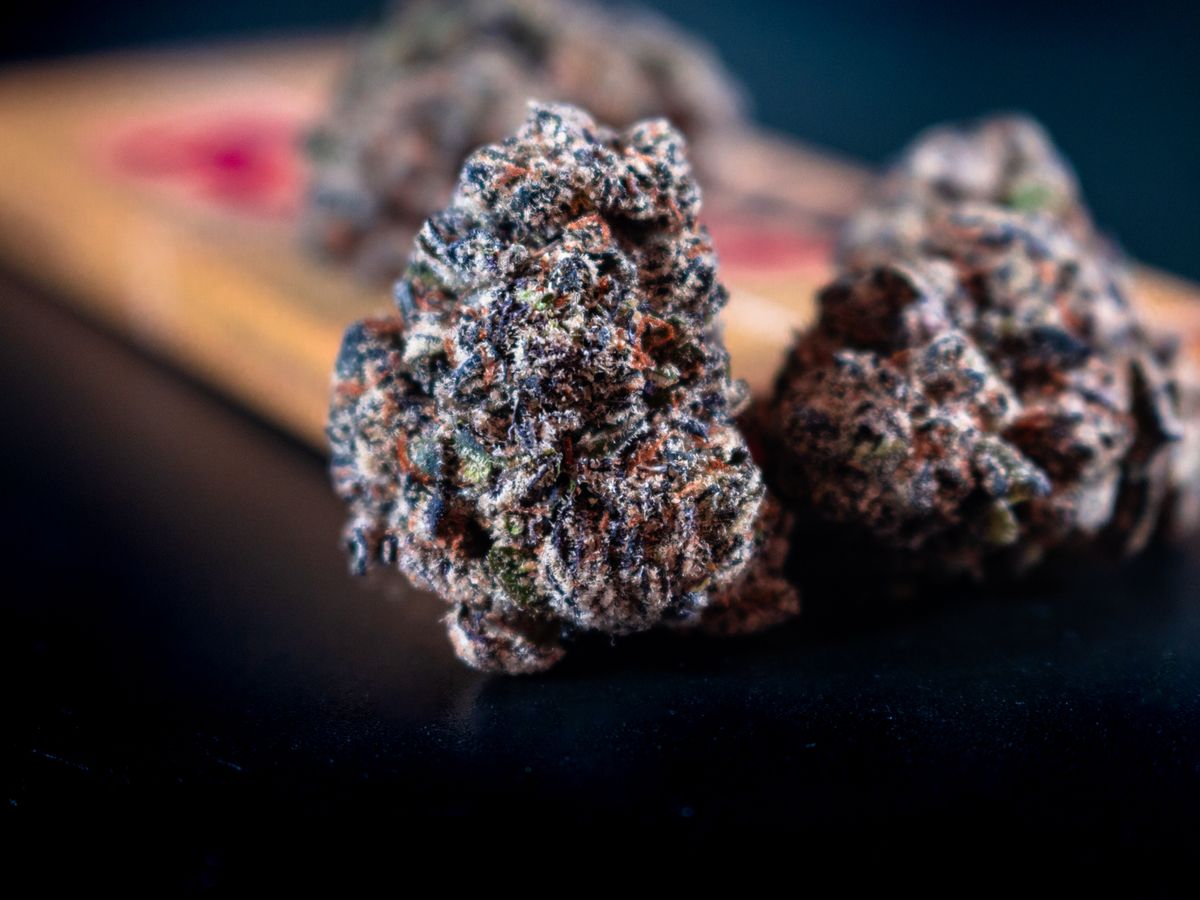
White Widow is a hybrid cannabis strain bred by Greenhouse Seed Company in the Netherlands during the early 1990s. The cross combined a Brazilian sativa landrace with a resin-heavy South Indian indica, creating a plant that balanced European commercial growers' need for manageable indoor cultivation with enough sativa influence to avoid the sedative heaviness that dominated the hash plant era. The strain's name references the dense coat of trichomes that covers mature flowers, giving them a frosted appearance that was visually distinctive enough to build brand recognition in Amsterdam coffeeshops.
Greenhouse Seed Company's original release came at a time when Dutch breeders were actively working with imported landrace genetics, and White Widow quickly became a template for balanced hybrids. The Brazilian parent contributed stretch, longer flowering times, and a more cerebral effect profile, while the South Indian indica provided structure, resin production, and earlier finish times. This combination made the strain commercially viable for indoor production while maintaining enough complexity to interest consumers beyond the purely narcotic indicas that had saturated the market.
Phenotype Expression and Seed Variation
White Widow from seed shows moderate phenotypic variation. Most plants lean slightly indica-dominant in structure, with a Christmas tree shape, medium internodal spacing, and sturdy lateral branching. Sativa-leaning phenotypes occur but are less common, showing more stretch and thinner leaf morphology. Expect height to roughly double during the transition to flower, with most plants reaching 90 to 130 centimeters indoors under standard training.
Trichome production begins early in flower and accelerates through weeks four and five. This resin coverage extends to fan leaves surrounding bud sites, which is part of the visual signature but also indicates the plant's capacity for cannabinoid synthesis. Bud structure is moderately dense, not as tight as pure indica varieties but compact enough to avoid the airy, larfy flowers associated with longer-flowering sativas. The balance makes White Widow less prone to bud rot than dense indica cultivars while still producing commercially acceptable weight.
Cultivation Requirements and Environmental Preferences
White Widow performs well in both indoor and outdoor environments, though indoor cultivation under controlled conditions remains the standard for commercial production. The strain responds predictably to sea of green and screen of green training methods. Topping or fimming during vegetative growth encourages lateral branching without excessive stretch, and the plant recovers quickly from high-stress training.
Lighting requirements are moderate. White Widow does not demand the intense light levels that some contemporary hybrids require to reach genetic potential, making it suitable for growers using older HPS systems or mid-range LED setups. Optimal light intensity falls in the 600 to 800 PPFD range during flower, with diminishing returns above that threshold unless CO2 supplementation is employed.
Nutrient needs are average. The strain tolerates standard feeding schedules without excessive sensitivity to nitrogen, though growers should taper nitrogen during the transition to flower to avoid延长 vegetative growth into early bloom. Phosphorus and potassium uptake increases noticeably during weeks three through six of flowering, and supplementation during this window supports resin production. Overfeeding results in dark, clawed leaves and can reduce terpene complexity, so conservative approaches tend to produce better results than aggressive nutrient programs.
White Widow's mold resistance is moderate, better than many pure indica strains but not exceptional. Humidity control matters, particularly during late flower when trichome density creates microclimates within the canopy. Maintaining relative humidity below 50% during the final three weeks reduces risk, and adequate airflow through the canopy prevents hotspots where botrytis can establish. The strain is not especially prone to powdery mildew compared to other Dutch genetics from the same era.
Flowering Time and Yield Expectations
Flowering time ranges from 56 to 63 days, with most phenotypes finishing around day 60. Sativa-leaning plants may push toward nine weeks, while indica-dominant expressions can be harvested earlier without significant potency loss. Trichome maturity is the reliable indicator, with peak harvest occurring when trichomes transition from clear to cloudy with minimal amber. Waiting for significant amber development increases body effect but reduces the clarity that characterizes well-timed White Widow.
Indoor yields average 400 to 500 grams per square meter under competent cultivation. This is respectable but not exceptional by current standards. Outdoor plants in suitable climates can produce 500 to 700 grams per plant, with harvest occurring in early to mid-October in northern hemisphere temperate zones. The strain does not produce the massive yields associated with modern commercial hybrids, but consistency and quality compensate for moderate output.
Cannabinoid Profile and Potency
White Widow typically tests between 18% and 25% THC, with most batches landing in the 20% to 22% range. This was considered exceptional in the 1990s but represents average potency for quality cannabis in today's market. CBD content is negligible, usually below 0.5%, which is standard for THC-dominant hybrids bred before the recent interest in high-CBD cultivars.
The cannabinoid profile supports a balanced effect that combines mental stimulation with physical relaxation. THC levels are sufficient for experienced consumers without overwhelming novice users, though dose awareness remains important. The strain does not produce the intense, disorienting effects associated with some contemporary hybrids that push 30% THC, making it functional for daytime use at lower doses.
Terpene Profile and Sensory Characteristics
White Widow's dominant terpenes are myrcene, pinene, and caryophyllene. Myrcene contributes earthy, musky base notes and is associated with the sedative component of cannabis effects. Pinene adds sharp, piney overtones that provide brightness and may contribute to the strain's reputation for mental clarity. Caryophyllene brings peppery, spicy notes and interacts with CB2 receptors, potentially moderating inflammation and discomfort.
The aroma is pungent but not particularly complex, with earthy, woody, and slightly sweet notes. It lacks the fruit-forward or dessert-like profiles that dominate current consumer preferences but has enough character to remain recognizable. Taste follows the aroma profile, with pine and earth dominating the inhale and a peppery finish on the exhale. The terpene profile is stable across phenotypes, making White Widow consistent in sensory experience even when growing from seed.
Effects and Consumer Experience
White Widow produces a clear-headed, energetic effect at lower doses, shifting toward relaxation and mild sedation as dose increases. The initial onset is cerebral, with increased focus and mild euphoria, followed by a gradual body relaxation that does not typically result in couch-lock. This progression makes the strain versatile for different use cases depending on consumption amount and individual tolerance.
The balanced hybrid genetics deliver an effect profile that matches the 60/40 indica-to-sativa ratio often cited for this strain. Users report functionality for creative tasks or social situations at moderate doses, with the option to increase intake for evening relaxation. The effect duration is standard, lasting two to three hours with peak intensity occurring 15 to 30 minutes after consumption.
Tolerance builds at a normal rate, and the strain does not produce the rapid tolerance escalation associated with extremely high-THC cultivars. Side effects are typical: dry mouth, dry eyes, and occasional anxiety at high doses, particularly in users sensitive to THC. The myrcene content may contribute to drowsiness in some users, particularly when consumed in the evening.
Cultural Impact and Market Position
White Widow became commercially successful in Amsterdam during the mid-1990s and spread internationally as cannabis culture globalized. The strain won the High Times Cannabis Cup in 1995, which provided marketing momentum and established it as a benchmark hybrid. During the late 1990s and early 2000s, White Widow was among the most recognized strain names globally, appearing in coffeeshops, dispensaries, and seed catalogs across legal and quasi-legal markets.
The strain's popularity led to widespread reproduction and renaming. Numerous seed companies released their own versions, and many strains with "Widow" in the name trace lineage to the original Greenhouse release or claim to improve upon it. This proliferation diluted brand consistency, and contemporary White Widow genetics vary significantly depending on source. Reputable breeders maintain selections closer to the original, but the name alone does not guarantee genetic authenticity.
In today's market, White Widow occupies a legacy position. It remains available and recognizable but competes with newer hybrids that offer higher potency, more complex terpene profiles, or novel effects. The strain appeals to consumers seeking classic genetics and growers interested in reliable, proven cultivars rather than the latest hype. It serves as a reference point for balanced hybrids and retains value for breeders working on crosses that require stable, well-understood genetics.
Honest Assessment
White Widow's strengths include consistent performance, manageable cultivation requirements, and a balanced effect profile that suits a range of consumers. The strain grows predictably, finishes in a reasonable timeframe, and produces quality flowers without demanding expert-level skills or cutting-edge equipment. For growers prioritizing reliability over maximum yield or potency, White Widow remains a solid choice.
Limitations include moderate yields compared to modern commercial strains, average potency by current standards, and a terpene profile that lacks the complexity or novelty that drives contemporary consumer interest. The strain does not excel in any single category but performs competently across multiple metrics. It is not the best choice for growers chasing maximum THC numbers or unique flavor profiles, but it delivers consistent results without significant risk.
White Widow works well as a component in a diverse grow operation, providing a known quantity alongside more experimental or higher-risk cultivars. It suits medical users seeking predictable effects and recreational consumers who prefer functional, balanced experiences over intense, one-dimensional highs. The strain's legacy status is earned rather than purely historical, reflecting genuine utility that persists despite evolving market trends.
White Widow FAQ
Is White Widow indica or sativa?
White Widow is a balanced hybrid, typically expressing a slight indica dominance in structure and effect. The cross combines a Brazilian sativa with a South Indian indica, resulting in a plant that shows indica growth characteristics with enough sativa influence to maintain mental clarity in the effect profile.
How long does White Widow take to flower?
White Widow flowers in 56 to 63 days, with most phenotypes finishing around day 60. Indica-leaning plants may finish closer to eight weeks, while sativa-dominant expressions can push toward nine weeks. Harvest based on trichome maturity rather than fixed timelines for best results, targeting cloudy trichomes with minimal amber for the strain's characteristic clear-headed effect.
What does White Widow taste and smell like?
White Widow has an earthy, woody aroma with sharp pine notes and subtle sweetness, driven by its myrcene, pinene, and caryophyllene terpene profile. The taste mirrors the aroma with dominant pine and earth on the inhale and a peppery, spicy finish from caryophyllene on the exhale. The sensory profile is straightforward rather than complex, lacking the fruity or dessert characteristics of newer strains.
How potent is White Widow?
White Widow typically contains 18% to 25% THC, with most batches testing between 20% and 22%. This represents average potency for quality cannabis in the current market, sufficient for experienced users without being overwhelming. The strain was considered highly potent when released in the 1990s but now sits in the mid-range compared to contemporary hybrids that often exceed 25% THC.
What are White Widow's effects?
White Widow produces clear-headed, energetic effects at lower doses, with increased focus and mild euphoria followed by gradual physical relaxation. At higher doses, the body effect becomes more pronounced, though it rarely results in complete sedation. The balanced profile makes it functional for daytime use at moderate intake levels, shifting toward evening relaxation as consumption increases.
Is White Widow easy to grow?
White Widow is moderately easy to grow, suitable for cultivators with basic experience. The strain tolerates standard feeding schedules, responds well to common training methods, and does not require exceptional light intensity. Main challenges include managing humidity during late flower to prevent mold and controlling stretch during the transition to bloom, but these are manageable with attention to environment and canopy management.
What is the lineage of White Widow?
White Widow is a cross between a Brazilian sativa landrace and a South Indian indica, bred by Greenhouse Seed Company in the Netherlands during the early 1990s. The Brazilian parent contributed cerebral effects and structure, while the South Indian genetics provided resin production and earlier flowering times, creating a balanced hybrid suited to indoor commercial cultivation.
Where can I buy White Widow seeds?
White Widow seeds are available from numerous seed banks that ship to regions where cannabis seed sales are legal. The original breeder, Greenhouse Seed Company, still offers their version, and several other reputable European and North American seed banks carry White Widow or closely related genetics. Research seed bank reputation and verify legal status in your jurisdiction before ordering, as genetic consistency varies significantly between sources.
Other hybrid strains
The cannabis newsletter you forward to your team.
Federal policy, market data, grower alerts, and the one story that matters today. Sent every weekday at 7am. Free.
No spam. Unsubscribe with one click. 21+ only.