Most GOP Candidates Backed by Trump-Linked Cannabis PAC Lost in 2026
A Marijuana Moment analysis found nearly every Republican lawmaker favored by a Trump-linked PAC with industry money lost, raising questions about what cannabis political spending bought.

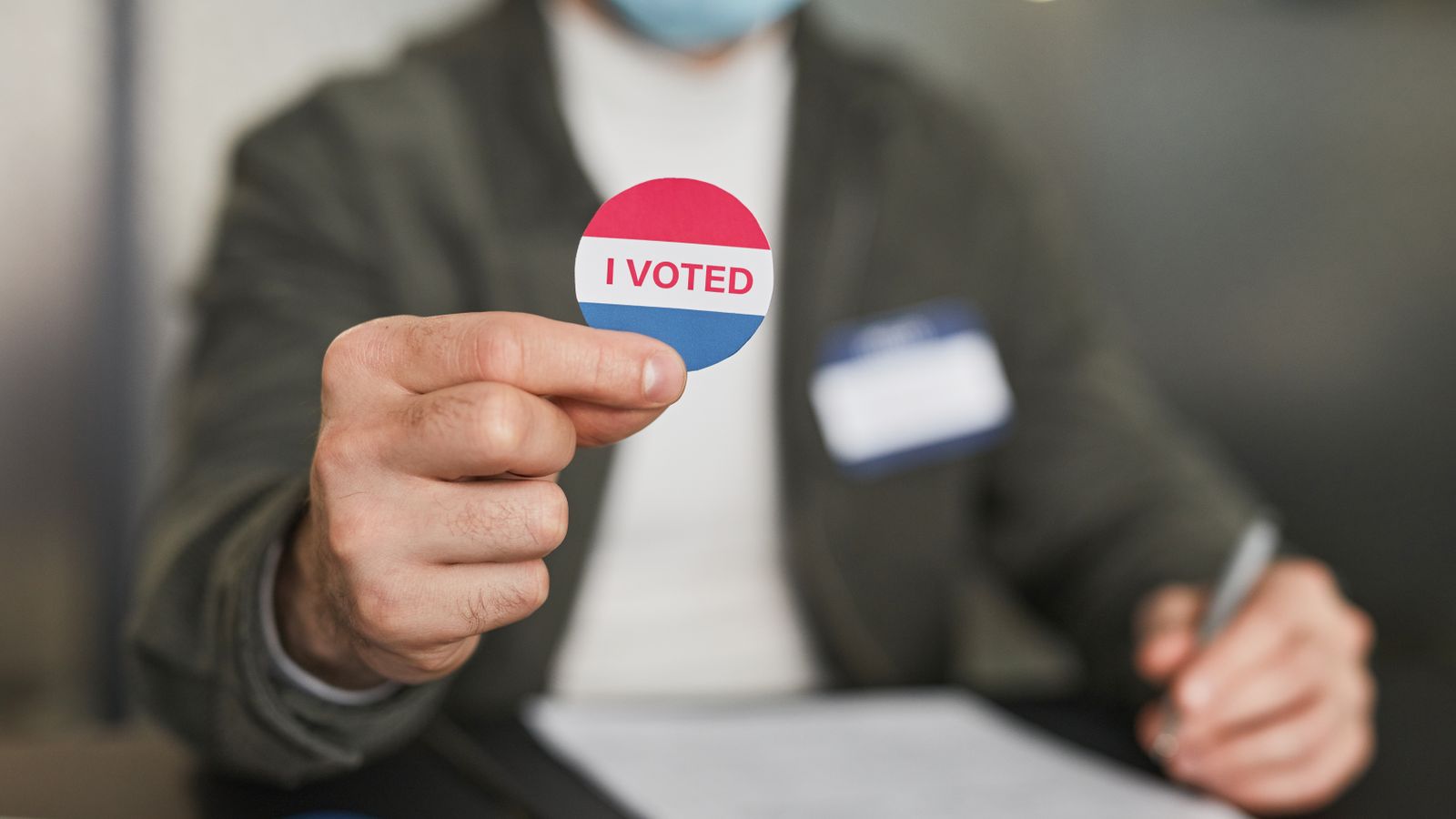
White ballot box with USA flag and 'I Voted' badges on a white background.
The Marijuana Moment analysis finds a near-total loss rate
Almost every GOP lawmaker the PAC backed with cannabis-linked money lost their race, according to Marijuana Moment's November 13 report.
The outlet's finding is a tally, not a causal claim. We haven't independently reviewed the underlying FEC disbursement records, and the signal doesn't supply a candidate-by-candidate breakdown or the exact win-loss count. Treat the headline figure as Marijuana Moment's characterization until someone checks the filings line by line.
What the signal does and doesn't establish
The reporting links a Trump-aligned PAC, marijuana industry donors, and a slate of Republican incumbents and candidates who mostly went down.
What it doesn't establish: whether the PAC's spending moved any individual race, or whether cannabis donors directed money to specific candidates. Those are separate questions. A PAC can pick candidates who were already trailing, which would make the loss rate a selection effect rather than a verdict on the money.
That distinction matters. Test it first.
Why the result matters for operators
Cannabis companies have spent heavily on federal access, and a losing slate weakens the case that donations translate into votes on banking, rescheduling, or 280E relief.
Operators funding political committees are betting on future legislative leverage. If the recipients are out of office in January, that leverage evaporates and the relationships have to be rebuilt with whoever won. For multistate operators carrying 280E tax burdens, a failed political bet is real money with no write-off.
The filings to pull next
The decisive evidence sits in FEC disclosures, where donor names, dates, and disbursement recipients can be matched against race outcomes.
A proper audit would run three checks:
- Match each cannabis-linked donor to PAC receipts and the date they landed.
- Match PAC disbursements to named candidates and compare against pre-election polling.
- Separate independent expenditures from direct contributions.
Until that work is done, the correlation stays a correlation. For full background on this story, see the CannIntel topic hub on cannabis industry political donations in 2026.
What the industry does with a bad scorecard
Expect donors to reassess PAC strategy ahead of the next cycle and the lame-duck session, where federal cannabis policy could still move.
A losing record doesn't end the lobbying push on rescheduling or SAFE Banking. It does change who has to be courted, since the DEA and Congress will both look different in 2027, and donors who spent on a single party's slate now hold fewer chips.
Watch the post-election FEC reports, due in the weeks ahead. They'll show whether cannabis donors keep funding the committee or quietly walk away.
Frequently asked questions
Did cannabis industry money cause these Republican candidates to lose?
No causal link has been shown. Marijuana Moment reports a correlation between PAC support and losses. The PAC may have backed candidates who were already trailing, so FEC records and polling would be needed to test any causal claim.
Who published the analysis?
Marijuana Moment published the analysis on November 13, 2026. CannIntel has not independently verified the underlying FEC figures and attributes the findings to that outlet.
Why does this matter to cannabis operators?
Operators that fund political committees expect legislative access on issues like banking reform, rescheduling, and 280E tax relief. If recipients lose office, that expected leverage disappears and relationships must be rebuilt.
Where can the donation data be verified?
FEC disclosures list PAC receipts, donor names, and disbursements to candidates. Matching those records against 2026 race results is the standard way to audit claims about political spending.
Sources
The cannabis newsletter you forward to your team.
Federal policy, market data, grower alerts, and the one story that matters today. Sent every weekday at 7am. Free.
No spam. Unsubscribe with one click. 21+ only.
Related from News

CBN dismantles illicit cannabis cultivation in Himachal Pradesh
India's Central Bureau of Narcotics tied a Himachal Pradesh cannabis eradication push to the Nasha Mukt Bharat campaign, per a Press Information Bureau release; acreage figures were not in the available signal.

Man Charged After 2,700-Plant Monroe Cannabis Grow Bust
A Monroe man faces charges after a 2,700-plant grow operation was shut down, per PNW Daily, though key details remain undisclosed.

Task force raids Monroe property, finds 2,700 cannabis plants
A complaint triggered a task force raid in Monroe, Washington, where KOMO reported 2,700 plants. Key details, including any THC testing, remain unreported.
More from the newsroom
MÜV opens new medical cannabis dispensary in Daytona Beach
AltMed Florida's MÜV brand adds another storefront to its Florida footprint, extending a retail strategy built on vertical integration and a medical-only patient base.

Maryland Guidance Lets Dispensaries Keep Selling Non-Compliant Hemp Products
State guidance lets licensed dispensaries keep selling hemp-derived products that fall outside the new federal hemp definition, a split with federal law that carries tax and compliance consequences.
Henrico Approves Zoning Rules for Recreational Marijuana Businesses
Henrico County adopted local zoning rules for recreational cannabis businesses, setting a land-use framework ahead of Virginia's anticipated 2027 retail sales launch.