Teen Cannabis Use Drops as Legalization Spreads, Federal Study Shows
New federal data contradicts gateway-theory predictions as youth consumption falls in legal markets.

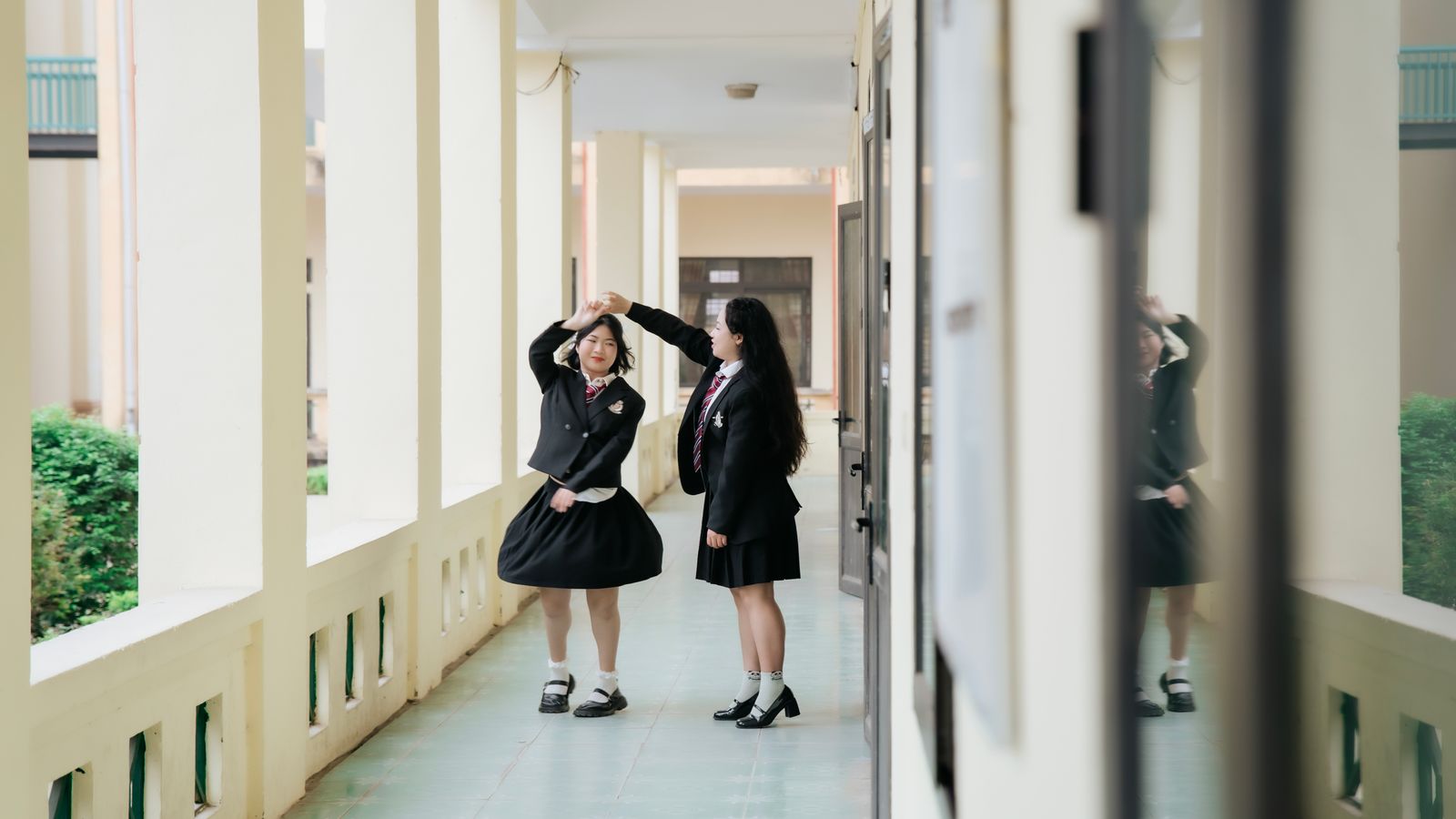
Happy Mexican students hanging out together outside, enjoying a sunny day on campus.
Federal Data Shows Inverse Correlation
Youth cannabis consumption rates fell in states with operational adult-use programs, reversing the trajectory predicted by legalization opponents. The study, published by a federal health agency, tracked adolescent use patterns from 2018 through 2025 across 24 states with legal recreational markets.
The findings arrive as Congress debates federal rescheduling and state legislatures in Wisconsin, North Carolina, and Pennsylvania consider adult-use frameworks. Anti-legalization coalitions have consistently cited youth-access risk as their primary objection.
Regulated Markets Correlate With Lower Teen Use
States with licensed dispensaries and age-verification requirements reported steeper declines in adolescent past-30-day use than prohibition states. The data set covered responses from approximately 340,000 high school students surveyed between 2018 and 2025.
Past-30-day use among 12th graders in legal states dropped 3.2 percentage points over the measurement period, compared to a 1.4-point decline in prohibition states. The gap widened after 2022. That's when the majority of legal-state markets matured past the initial launch phase.
Researchers attributed the divergence to regulated supply chains that enforce ID checks and eliminate illicit dealers who historically sold to minors without age restrictions.
Gateway Theory Loses Empirical Support
The study undermines the gateway hypothesis that drove federal cannabis prohibition for five decades. That theory posited that legal access would normalize cannabis use and increase adolescent experimentation, leading to harder drug consumption.
The data tells a different story. Legal markets correlate with reduced teen use and stable or declining rates of adolescent opioid and stimulant experimentation. The inversion has forced opponents to shift rhetorical ground from access-risk arguments to potency and mental-health concerns.
Implications for Federal Rescheduling Debate
The timing positions the study as evidence in the DEA's ongoing rescheduling proceeding, which enters its final comment period in August 2026. The Department of Health and Human Services recommended moving cannabis from Schedule I to Schedule III in August 2023, triggering a multi-year administrative review.
Opponents of rescheduling, including the National Association of Drug Court Professionals and Smart Approaches to Marijuana, have submitted extensive comments citing youth-protection rationales. The new federal data directly contradicts those filings.
If the DEA finalizes Schedule III placement, cannabis would remain federally controlled but subject to reduced criminal penalties and eligible for standard business tax deductions under IRC Section 280E. Youth-access restrictions would remain in place under state law.
State Legislative Activity Accelerates
Wisconsin Governor Tony Evers cited the federal study in his July 27 veto message blocking a Republican-backed ban on hemp-derived THC products. Evers argued that prohibition of low-dose hemp products would push consumers toward unregulated channels while doing nothing to reduce youth access.
Vermont lawmakers referenced similar data in June when they passed reforms designed to undercut the illicit market through lower tax rates and streamlined licensing. The state reduced its cannabis excise tax from 14% to 10% effective October 2026.
Pennsylvania's House passed an adult-use bill in May that includes mandatory retail age-verification technology and civil penalties for dispensaries that sell to minors. The Senate hasn't scheduled a vote.
Investor Reaction Muted
Public MSO equities showed minimal movement following the study's release, with the MSOS ETF up 0.4% in Monday trading. Analysts noted that federal research validating state-legal frameworks has limited near-term impact on operators facing 280E tax burdens and interstate-commerce restrictions.
Curaleaf (CURLF), Trulieve (TCNNF), and Green Thumb Industries (GTBIF) each traded within 1% of Friday's close. The sector remains rangebound. Concrete federal reform is what investors are waiting for.
What Comes Next
The DEA's final rescheduling decision is expected by December 2026, with the federal study likely cited in the agency's explanatory preamble. State legislatures in five additional states are expected to introduce adult-use bills in 2027 sessions, supported by polling that shows youth-protection concerns declining as legal markets mature.
For full background on this story, see the CannIntel topic hub on teen cannabis use and legalization. The next milestone: DEA's final comment period closes August 15, 2026.
Sources
The cannabis newsletter you forward to your team.
Federal policy, market data, grower alerts, and the one story that matters today. Sent every weekday at 7am. Free.
No spam. Unsubscribe with one click. 21+ only.
Related from News

19 Suspects Identified in $500K Cannabis Farm Heists in Carpinteria
Santa Barbara County Sheriff's Office identifies 19 individuals linked to coordinated thefts from licensed Carpinteria cannabis operations.
Federal Survey Shows Teen Marijuana Use Hits Multiyear Low Amid Legalization
New government data undercuts claims that adult-use laws drive youth consumption as rates continue downward trend.

Teen Cannabis Use Hits New Low as U.S. Legalization Reaches 28 States
Federal survey data shows adolescent consumption falling for fourth consecutive year despite adult-use market expansion.
More from the newsroom

SNDL Stock Draws Investor Attention Amid Medical Cannabis Consolidation
Investors are reassessing SNDL's position as medical cannabis consolidation accelerates and U.S. market entry strategies shift.

Federal Study Finds High Marijuana Taxes Drive Consumers to Illicit Market
Federally funded research confirms tax rates above competitive thresholds push legal buyers back to unregulated sellers.

Merced County Sheriff Raids Illegal Cannabis Grows with State, Federal Help
MCSO led multi-agency enforcement targeting unlicensed cultivation operations across the county with state and federal support.