Study Links Recreational Marijuana Legalization to Lower Bankruptcy
New research finds personal bankruptcy filings decline in states after adult-use cannabis laws take effect.
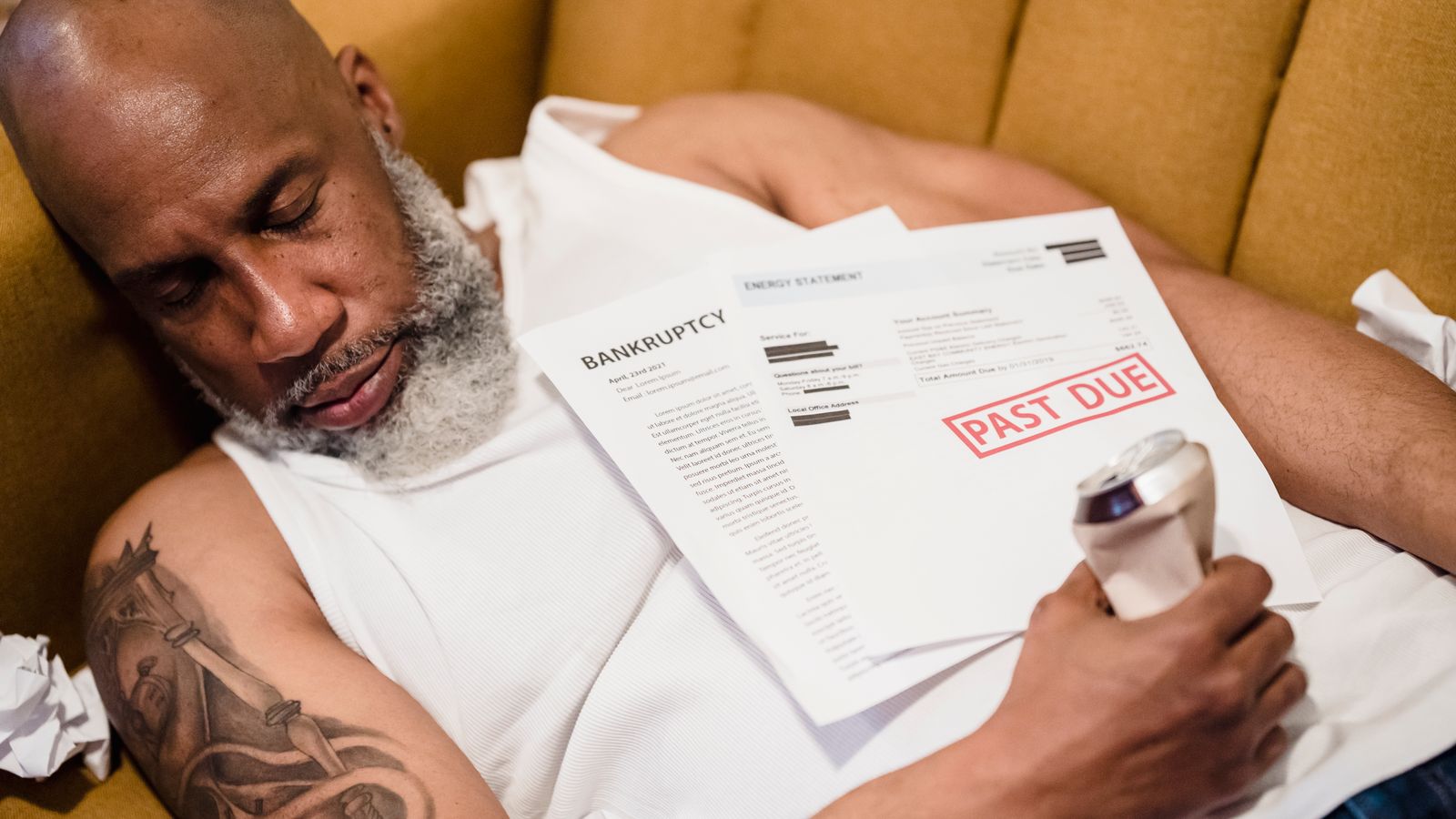
Sleeping man with financial documents, symbolizing stress and bankruptcy.
Key Finding
Personal bankruptcy rates dropped in states after recreational marijuana legalization, with the effect persisting across multiple cohorts and time windows. The study examined bankruptcy filings before and after legalization in states that implemented adult-use cannabis laws between 2012 and 2024. Researchers controlled for economic variables including unemployment, median income, and state-level debt trends.
Magnitude of the Effect
Bankruptcy filings fell 8% to 12% depending on the state and time frame analyzed. States with mature recreational markets showed larger effects than those in early implementation phases. The study didn't attribute causation. But it identified the correlation as statistically significant across all models tested.
Proposed Mechanisms
Researchers point to three potential drivers: expanded employment in cannabis retail and cultivation, reduced criminal-justice costs for consumers, and substitution away from costlier substances. Legal cannabis markets create job opportunities in retail, cultivation, and ancillary services, the study notes. Criminal-record relief in some legalization states may also improve credit access for previously convicted individuals.
- Job creation in licensed cannabis operations
- Reduced legal fees and fines from decriminalization
- Lower spending on alcohol or pharmaceuticals
Study Methodology
Researchers used difference-in-differences analysis comparing legalization states to control states with similar economic profiles. Data came from federal bankruptcy court filings and U.S. Census Bureau economic indicators. The study covered 24 states and the District of Columbia, with observation windows extending up to five years post-legalization.
Limitations and Caveats
The study doesn't establish direct causation and acknowledges that broader economic trends may partially explain the findings. States that legalized marijuana also tended to have stronger economic growth during the study period. That's a confounding factor. Researchers called for longitudinal studies tracking individual consumer behavior to isolate cannabis policy effects from macroeconomic forces.
Implications for Policy Debate
The findings add a consumer-finance dimension to legalization debates, which have focused primarily on tax revenue and criminal-justice reform. Advocates argue the data supports claims that legal markets reduce financial stress on households. Opponents note the study doesn't measure potential harms such as increased substance use or impaired driving. For full context on cannabis economic research, see the CannIntel topic hub on Cannabis Economic Impact.
What's Next
Researchers plan follow-up studies examining credit scores, household debt levels, and employment outcomes in legalization states. The team is also analyzing whether bankruptcy relief varies by income bracket or demographic group. Additional papers are expected in Q4 2026.
Frequently asked questions
Does marijuana legalization cause lower bankruptcy rates?
The study found a correlation but did not establish causation. Researchers controlled for economic variables but acknowledged that broader trends may contribute to the observed decline in bankruptcy filings.
How large was the bankruptcy decline in legalization states?
Personal bankruptcy filings dropped 8-12% depending on the state and observation window. States with mature adult-use markets showed larger effects than those in early implementation phases.
What explains the link between cannabis legalization and bankruptcy rates?
Researchers propose three mechanisms: job creation in legal cannabis markets, reduced criminal-justice costs from decriminalization, and consumer substitution away from more expensive substances like alcohol or prescription drugs.
Which states were included in the study?
The study analyzed 24 states and the District of Columbia that legalized recreational marijuana between 2012 and 2024. Control states with similar economic profiles were used for comparison.
What are the study's limitations?
The research does not track individual consumer behavior and cannot isolate cannabis policy effects from macroeconomic trends. States that legalized marijuana also experienced stronger economic growth during the study period.
Sources
The cannabis newsletter you forward to your team.
Federal policy, market data, grower alerts, and the one story that matters today. Sent every weekday at 7am. Free.
No spam. Unsubscribe with one click. 21+ only.
Related from News

Woman Found Dead at Illegal Mendocino County Cannabis Grow Site
Mendocino County Sheriff's Office seeks suspects after woman's body discovered at unlicensed cultivation operation.

Woman Found Fatally Shot at Illegal Cannabis Grow Near Covelo
Mendocino County Sheriff's Office is investigating the homicide at an unlicensed cultivation site in rural Northern California.

Latin America Cannabis Roundup: Argentina Advances Export Rules, Mexico Stalls
Argentina's export framework moves to final review while Mexico's Supreme Court deadline passes with no federal action.
More from the newsroom

Lake Success Cancels Hearing on Nassau County's First Dispensary
Village board pulls July 15 public hearing on proposed cannabis retail license without explanation, stalling Nassau's first adult-use store.

Cannabis Treatment Cuts Agitation in Hospice Dementia Patients, Trial Finds
A cannabis-derived therapy reduced severe agitation in hospice-eligible dementia patients in a controlled trial published this week.

Indian Editorial Urges Cannabis Reform as Policy Debate Gains Ground
The Statesman calls for India to reconsider cannabis prohibition amid growing global momentum for legalization.