Study: More Canadians Use Cannabis Daily Than Drink Alcohol Daily
A study reported by CBC finds daily cannabis use now outpaces daily alcohol use in Canada, a milestone for the post-legalization market.

Close-up of hands holding cannabis buds in a glass jar outside in daylight.
Daily cannabis use now outpaces daily drinking
A study reported by CBC on Nov. 23, 2026 found that daily cannabis use among Canadians has overtaken daily alcohol use.
That's a notable reversal. Alcohol has been the country's default legal intoxicant for generations, and daily drinking has long been the benchmark for habitual use. Cannabis moved past it within a decade of federal legalization under the Cannabis Act.
Our signal here is the CBC headline and summary, nothing more. We haven't independently reviewed the underlying study, and the specific prevalence figures, survey years and authors aren't in the material we received. Those details matter, and we won't guess at them. Readers should treat the direction of the finding as established by CBC's reporting and the magnitudes as unverified here.
Daily use is the metric that drives the market
Daily consumers are the demand base for licensed producers, so a shift in daily use matters more than a shift in occasional use.
Headline past-year use rates tell a regulator how many people tried cannabis. Daily use tells an operator how much product moves. Frequent consumers buy more often and buy larger formats, and they lean toward value-priced flower and pre-rolls, which is where Canadian pricing pressure has been most acute.
The comparison with alcohol is also a framing win for public-health researchers who have argued that cannabis should be assessed against legal drinking rather than in isolation. It cuts both ways. Advocates will cite it as normalization, while health groups will point to it as evidence that high-frequency use, which carries the clearest dependence and mental-health signals, is growing.
That tension is the story.
What it means for policy, taxes and operators
A daily-use majority over daily drinking gives Ottawa and the provinces new data to weigh in excise, potency and retail-access debates.
Canada's excise framework taxes cannabis by weight or by percentage of price, whichever is higher, while alcohol is taxed on a separate schedule. A finding that daily cannabis use exceeds daily drinking will likely sharpen questions about whether the two regimes should look more alike, and whether high-THC products warrant different treatment. Nothing in the signal indicates any government has acted on this study. No bill, committee or regulator is named in the reporting we have.
For operators, the practical read is about product mix and margin. A heavier daily-user base rewards low-cost formats and loyalty programs. Regulatory scrutiny on potency also rises, and that's where Health Canada has taken the most sustained pressure from public-health groups.
None of this will surprise anyone tracking Canadian sales data, where flower and pre-rolls have dominated volume for years. What's new is the alcohol benchmark, which gives the trend a headline.
For broader context on usage patterns, see the CannIntel topic hub on Canada cannabis consumption trends. Related reading on the regulatory side includes Health Canada's oversight of potency and packaging under the Cannabis Act. On the product side, look at the shift toward THC-dominant formats and terpenes such as myrcene and limonene that producers use to stand out in a price-compressed market.
The comparison also lands as U.S. states, including California and Ohio, run their own consumption and tax debates. Canadian data is the closest thing to a national-scale preview of mature-market behavior.
Next signal: the full study. Its sample, survey dates and definition of daily use will determine how much weight regulators and investors can put on the headline.
Sources
The cannabis newsletter you forward to your team.
Federal policy, market data, grower alerts, and the one story that matters today. Sent every weekday at 7am. Free.
No spam. Unsubscribe with one click. 21+ only.
Related from News

Quincy marijuana drive-thru reopens Monday after CCC vote
A Massachusetts Cannabis Control Commission vote clears a Quincy dispensary to resume drive-thru sales, keeping a rare retail format in play.

California Sheriff Reports 235,000-Pound Illegal Cannabis Seizure
A California sheriff's office says deputies seized roughly 235,000 pounds of illegal cannabis in a single bust, one of the larger figures reported this year.

NDLEA arrests South African golfer, Kenyan chef over 50kg cannabis
Nigeria's drug enforcement agency detained two foreign nationals over a 50kg cannabis shipment, according to a Nigerian Bulletin report, with few operational details public so far.
More from the newsroom

Bone Thugs-N-Harmony's Flesh-N-Bone Says Group Is Busier Than Ever
The Cleveland rap group's OG member told Cannabis Now the weed-rap pioneers are as active as at any point in their three-decade run.

Wisevoter Data: Daily Cannabis Use Passes Alcohol for Under-50s
A Wisevoter analysis reports daily cannabis use now outpaces daily drinking among Americans under 50, a generational shift that could reshape hospitality, retail and tourism.
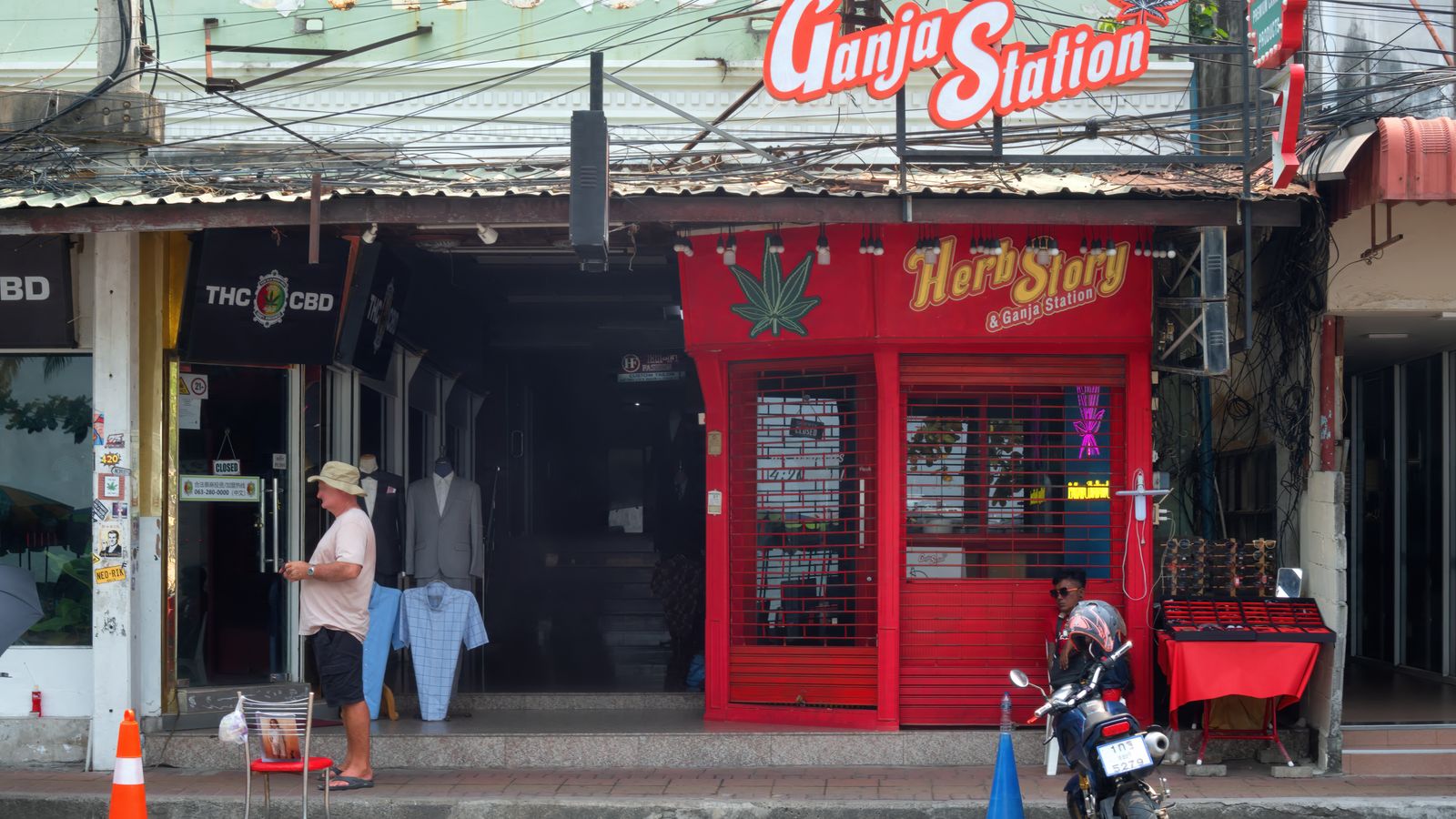
Thailand inspections suspend 105 cannabis licences, revoke 24
A nationwide inspection sweep ended with 105 suspensions and 24 revocations, though the signal leaves open who ran it, what it cost operators, and what triggered each penalty.