Officials Seize 117 Tons of Cannabis in California Raid
Enforcement agencies removed more than 117 tons of cannabis from an illegal California operation, according to a Cannabis Equipment News report, but key details remain unpublished.
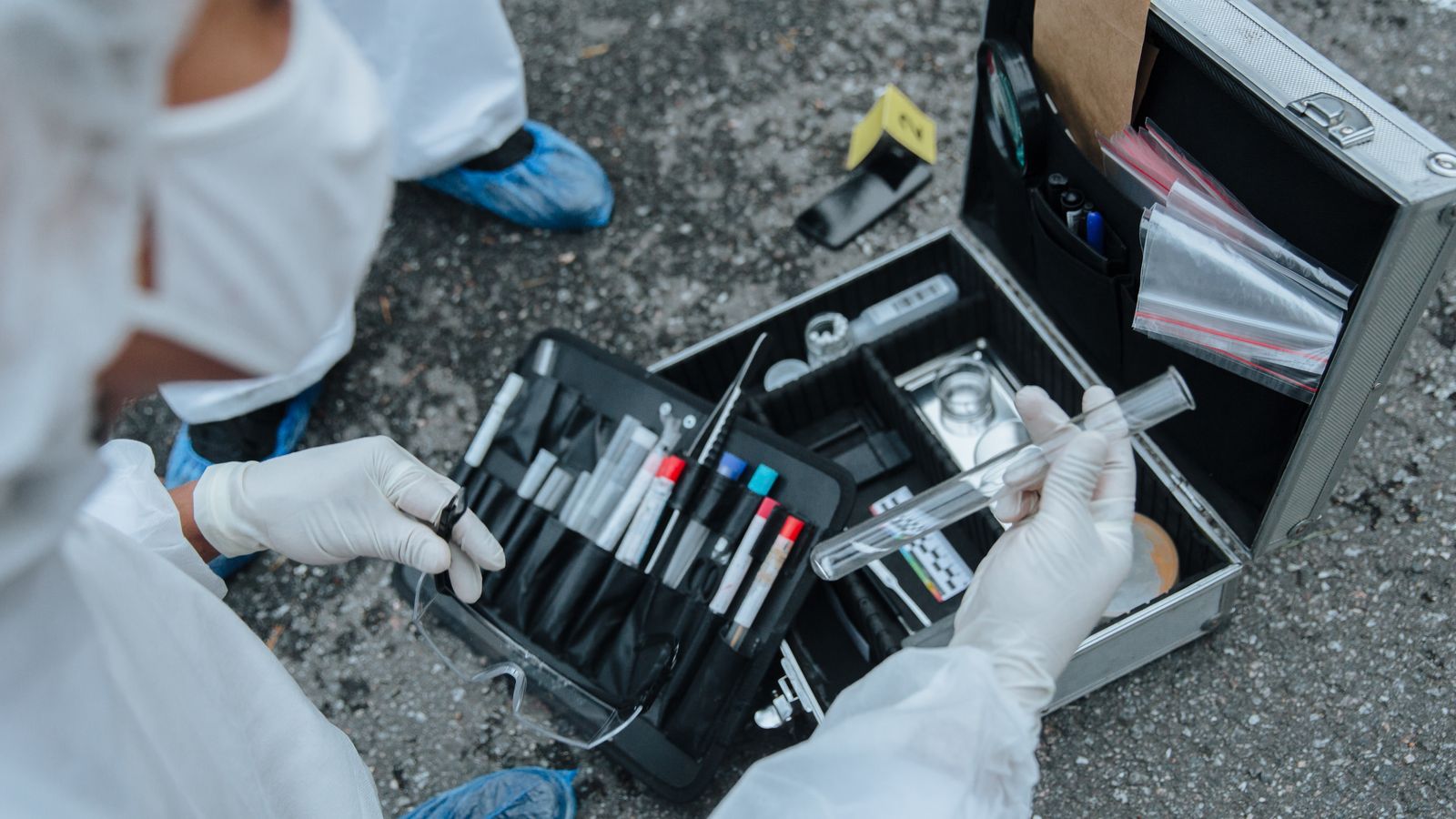
Forensic expert examining evidence with tools at a crime scene investigation outdoors.
Seizure total exceeds 117 tons, per trade report
Cannabis Equipment News reported on Nov. 25, 2026 that officials seized more than 117 tons of cannabis from an illegal operation in California.
The report carries the headline figure and little else in the public signal. The seizing agencies, the county, the date of the operation and the number of arrests weren't available in the material reviewed for this story. CannIntel hasn't independently confirmed the tonnage.
Those gaps matter. A single raid can be a multi-agency, multi-site action, and the reported weight may combine harvested flower, plant material and trim.
Why the weight needs a definition
Seizure tonnage in California enforcement releases often blends wet plant biomass with dried product, which changes the market value by an order of magnitude.
Agencies in the state have historically reported eradication and seizure figures in plant counts, pounds or tons, depending on the unit. Wet biomass can weigh several times more than the finished flower it yields. Whether the 117-ton figure reflects cured product or fresh-cut plant is the first number a reader should demand.
It's not a small distinction. At stake is whether this was a warehouse of finished inventory or a harvest-season cultivation sweep.
The statutory frame for illegal commercial cultivation
California treats unlicensed commercial cannabis cultivation as a violation of the Medicinal and Adult-Use Cannabis Regulation and Safety Act, enforced alongside Health and Safety Code provisions on cultivation and possession for sale.
The Department of Cannabis Control licenses legal operators and has authority over administrative enforcement against unlicensed activity. Criminal charging decisions sit with county district attorneys and, where federal interests are implicated, U.S. attorneys. Cannabis remains a Schedule I substance under 21 U.S.C. § 812, so federal prosecutors keep jurisdiction in any case that crosses state lines or involves trafficking.
No charging documents tied to this seizure were available at the time of publication. Case numbers and defendants, if any, haven't been published.
What a seizure this size says about the illicit market
A 117-ton seizure points to an illicit supply chain operating at industrial scale, not a backyard grow.
Licensed California operators have argued for years that unlicensed supply suppresses wholesale prices and erodes compliance margins. Legal cultivators carry licensing fees, testing costs, local taxes and 280E exposure under the federal tax code. Illegal operations carry none of those costs. That's the structural advantage enforcement is meant to offset.
A single seizure of this scale is a data point, not a trend line. The measure that matters is whether recurring large-scale actions move wholesale prices for licensed flower.
Environmental and public-safety angles typically attached
Large illegal grows in California have repeatedly been tied to water diversion, pesticide use and labor violations, though none of those findings have been reported for this operation.
Enforcement announcements in the state commonly cite environmental damage and unpermitted pesticide use alongside the seizure tally. Does such evidence exist here? The signal for this story doesn't say. CannIntel won't attribute those findings without a named agency source.
What operators and investors should track
Licensed operators should watch whether the seizure produces named defendants, a stated source of the product and any link to licensed-market diversion.
Diversion is the sharpest operational risk for legal businesses. If seized product traces to licensed inventory or falsified track-and-trace records, the story shifts from illicit cultivation to a compliance failure inside the regulated system. If it doesn't, the seizure reads as pure enforcement against the unlicensed market.
Investors should care most about pricing. A one-time removal of 117 tons does not move a statewide market. A sustained enforcement cadence can.
What is still unknown
The seizing agency, location, date, arrest count and product form are all missing from the available reporting.
Until a law enforcement agency or prosecutor publishes a release or charging document, the 117-ton number rests on a single trade-press account. For full background on how California agencies have handled comparable cases, see the CannIntel topic hub on California illegal cannabis enforcement.
The DCC, county sheriffs and the California Department of Fish and Wildlife are the agencies most likely to confirm specifics. Any filing in a county superior court would supply the first verifiable details.
The next signal: a primary-source release from the lead agency naming the county and the product form. Without it, the headline number stays unverified.
Sources
The cannabis newsletter you forward to your team.
Federal policy, market data, grower alerts, and the one story that matters today. Sent every weekday at 7am. Free.
No spam. Unsubscribe with one click. 21+ only.
Related from News

Spanish police find cannabis farm under children's playground
A reported indoor grow beneath a children's play area in Spain underscores how organized cultivation networks keep burying operations in plain sight.

Canada Posts Record Seizures of Export-Bound Cannabis, Toronto Star Reports
The Toronto Star says border enforcement hit a record last year, a signal that Canada's export-diversion problem is now a trade-credibility problem for licensed producers.

Officials Issue S.M.A.R.T. Cannabis Driving Tips for Holidays
A TAPinto report says officials are promoting a S.M.A.R.T. checklist for cannabis consumers ahead of Thanksgiving travel, though the signal supplies no agency name or data.
More from the newsroom

Indianapolis THC Drink Rules Draw Fresh Scrutiny in Indiana
A new consumer guide on THC beverages in Indianapolis puts Indiana's hemp-derived drink market and its unsettled regulatory status back in front of operators and shoppers.

Cannabis Health Symposium London 2026 Recap Frames UK Market
Business of Cannabis published part one of its Cannabis Health Symposium London 2026 takeaways; the full session detail sits behind the source, so here is what can be said.

Utica Firefighter Wins Court Ruling Over Withheld Pay After Cannabis Test
Ryan Quinn says a New York court sided with him against the City of Utica, which withheld his salary after a positive test for cannabis metabolites.