VICE Reports New Cannabis Sleep Study; Details Still Unverified
A VICE headline points to a new study on cannabis and sleep, but the available record doesn't identify the research or its findings.

An adult resting peacefully on a bed with soft gray bedding, captured in an indoor setting.
What the record confirms, and what it doesn't
The only verified fact is a headline: VICE posed the sleep question and pointed to "a new study," but the signal never names the research.
Our file on this story is a single Google News item. It carries the title "Does Weed Actually Help You Sleep? Here's What a New Study Says." It credits VICE and bears a timestamp of Oct. 18, 2026, 02:12 GMT.
That's it. The payload includes no summary text, no author, no journal, no sample size, and no result. We haven't independently reviewed VICE's full article, so we won't characterize what it found.
Thin file. Firm limits.
Why the sleep question resists a one-line answer
Cannabis sleep studies can flip from "helps" to "doesn't" depending on a handful of design choices, and a headline rarely discloses them.
Start with measurement. A study built on self-reported sleep quality answers a different question than one using polysomnography, the lab-based recording of sleep stages. Participants who say they slept better and participants whose brain activity shows deeper sleep aren't necessarily the same group.
Then there's the product. THC, CBD and CBN are different molecules with different effects, and a trial of one tells you little about the others. The same goes for terpenes such as myrcene, which retailers routinely tout on "sleep" labels, though a label isn't evidence. Dose, delivery method, trial length, and whether participants had diagnosed insomnia all matter too. A two-week study of healthy volunteers can't speak to a year of nightly use.
A headline promising "what a new study says" is a pointer to a document, not the document itself, and the document is where the answer lives.
The operator and patient stakes
Sleep is among the most common reasons consumers cite for buying cannabis, which makes any credible study commercially relevant and any misread of one costly.
For operators, the exposure is straightforward. Dispensary menus in legal states such as California and Colorado sort products under sleep-themed categories, and packaging claims fall under state advertising rules that differ by jurisdiction. The FDA, for its part, polices therapeutic claims on products it hasn't approved. A brand that borrows a study's headline for its marketing before reading the methods is taking on risk it hasn't priced.
Patients face a different issue: expectation. Someone managing chronic insomnia deserves to know whether a result applies to people like them, and a viral headline won't say. Budtenders and clinicians fielding questions this week would be wise to ask the same thing we're asking: which study?
Here's the uncomfortable part. Cannabis-and-sleep coverage tends to travel faster than the papers behind it, and corrections never travel at all.
What we're checking next
CannIntel will update this story once the underlying study is identified and its methods can be verified against the primary document.
Our checklist is short. We want the journal and DOI, the funding source, the participant count, the comparator (placebo or no treatment), the cannabinoid profile and dose, and whether sleep was measured objectively or by survey. We also want to know whether results were statistically significant on the study's primary outcome, not just on secondary measures picked after the fact.
If the study holds up, it joins a body of work we track. For full background on this story, see the CannIntel topic hub on cannabis and sleep research. If it doesn't, readers should know that too.
The next signal to watch is the study citation itself: a journal name, a DOI, or a university press release. Until one appears, treat every downstream summary, including VICE's headline, as a claim awaiting its paper.
Sources
The cannabis newsletter you forward to your team.
Federal policy, market data, grower alerts, and the one story that matters today. Sent every weekday at 7am. Free.
No spam. Unsubscribe with one click. 21+ only.
Related from Medical
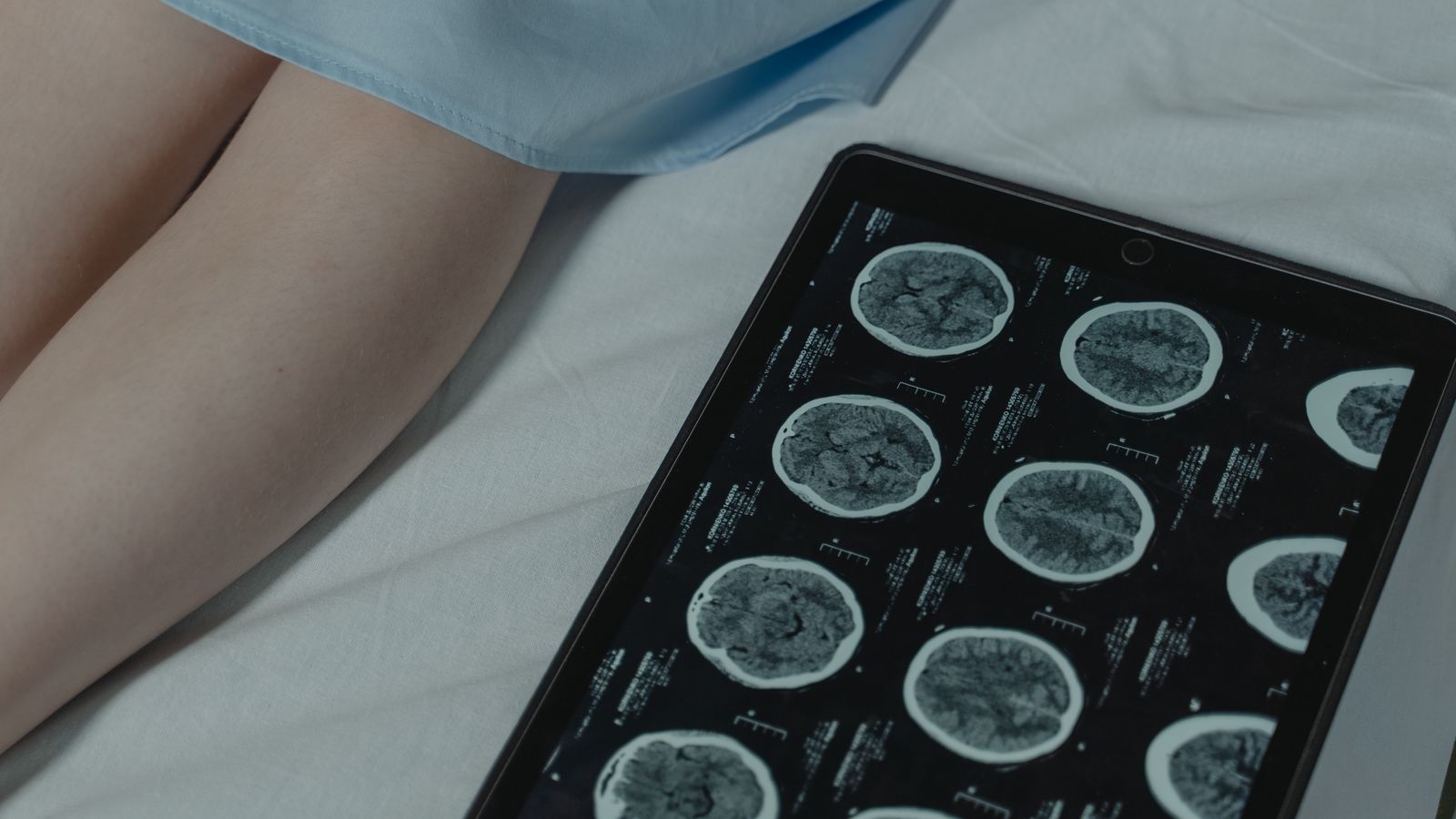
Report links heavy cannabis use to worse cognition in young adults
Bioengineer.org reports a study tying heavy use to cognitive deficits in young adults while suggesting mild use may help people with HIV; the underlying paper isn't yet verified.
Newsweed Report: German Medical THC Prices Vary 12-Fold
A Newsweed report published Oct. 17 puts a 12x spread on THC pricing in Germany's medical market, raising margin and pricing-power questions for operators.
Maine OCP Warns Medical Patients of Mold, Bacteria in Product
Maine's Office of Cannabis Policy issued a patient warning over unsafe microbial levels in one company's product, The Maine Wire reported.
More from the newsroom

California Man Punished in Remote Cannabis Farm Imprisonment Case
The New York Post reported a California man was punished for imprisoning migrants on a remote weed farm, but sentence and charge details remain unconfirmed.

State-Licensed Marijuana Operators Face Long DEA Registration Waits
A Rutland Herald report says state-licensed marijuana operators should expect long waits for DEA registrations, putting a procedural bottleneck at the center of the rescheduling debate.

Hall of Flowers Sets New York Return at Pier 36, Oct. 21-22
The California-born trade show brings its format to Pier 36 for two days, with access for New Yorkers who aren't on the guest list.