Study Finds Missing Information on THC Product Labels
A new study reported by Argonaut News flags gaps in THC labeling, putting fresh pressure on how products are tested, disclosed and regulated.
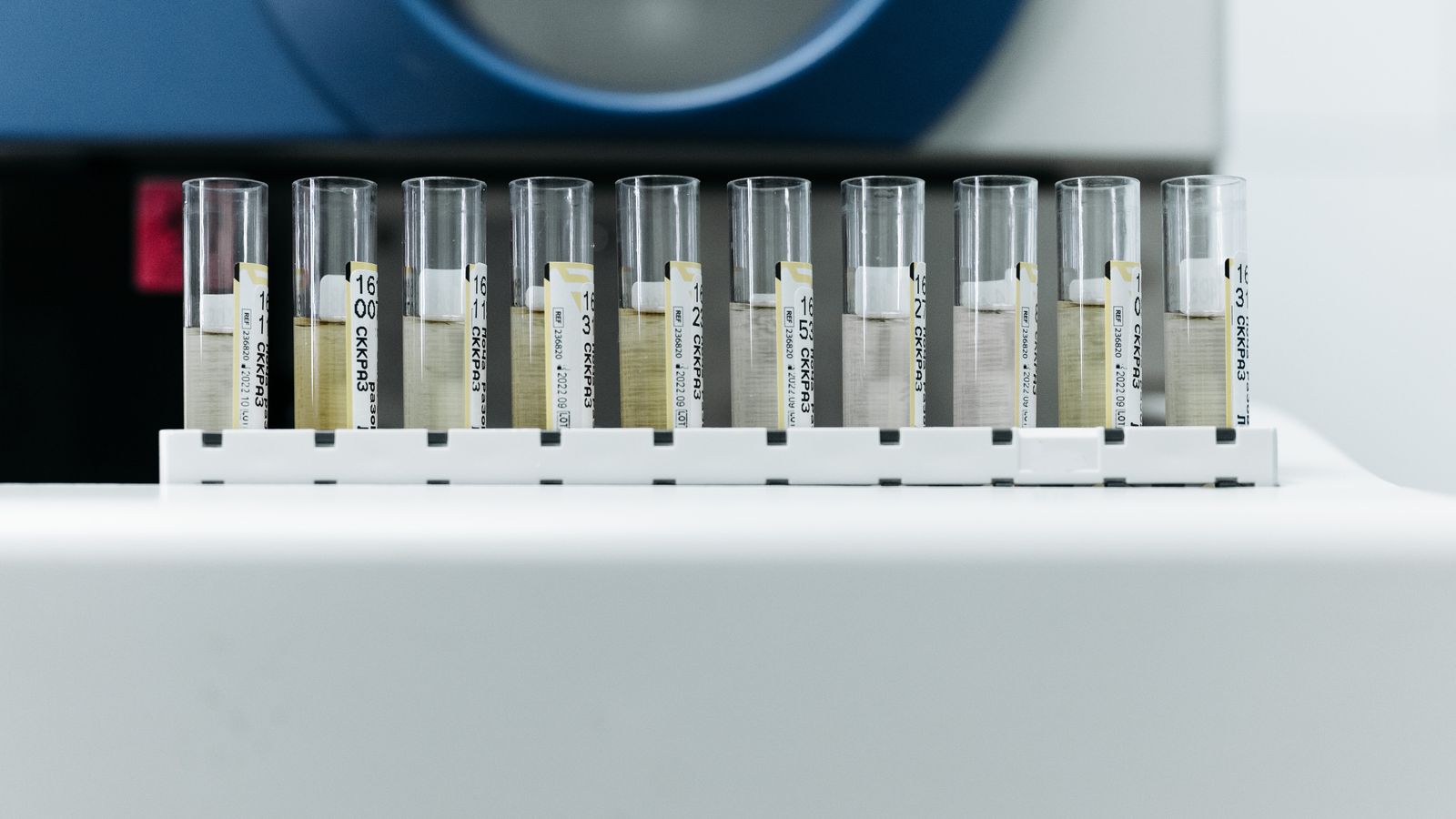
Row of labeled test tubes on a rack in a modern laboratory environment.
What the study reported
A new study, covered Nov. 25 by Argonaut News, found missing information on THC product labels.
The headline finding is simple. Labels aren't telling buyers everything they need to know.
What CannIntel has in hand is the Argonaut News headline and summary line, not the full study. We haven't reviewed the underlying paper, so we can't say which fields were absent, how many products were sampled, or which markets were examined. Those details matter. We'll update this story once the study's authors and methodology are confirmed.
Why label gaps matter to operators
The cleanest read on label failures is that they're a liability problem before they're a policy problem.
A label is the last compliance checkpoint between a licensed operator and a consumer. When potency, ingredient or testing data is incomplete or inaccurate, the exposure lands on the brand and the retailer, not just the lab. Regulators in mature markets such as California and Colorado have already tied enforcement actions to mislabeled potency and failed testing documentation.
Those are the operational stakes. Recalls, relabeling costs and retailer chargebacks follow quickly.
The patient and consumer angle
For medical users, missing label data is a dosing and safety issue, not a paperwork issue.
Patients rely on accurate THC content to titrate doses, especially those managing pain, seizures or sleep disorders. Labels that omit or misstate cannabinoid content, terpene information or contaminant testing undercut that decision-making. The effect is sharpest for newer patients, who can't compare a product against past experience.
THCA flower makes a useful test case. Buyers often see a high THCA number and little guidance on how it converts to THC when heated. That leaves room for confusion about real potency.
What to watch next
The decisive variable is whether regulators treat the study as a nudge or as evidence for rule changes.
Agencies like California's DCC and Ohio's Division of Cannabis Control set labeling and testing rules at the state level, and there's no unified federal standard while cannabis remains a Schedule I substance. A credible study of label gaps hands advocates and lawmakers a citation to push for stricter disclosure, third-party lab oversight and standardized testing methods. Operators that tighten labeling now will be ahead of that curve.
For full background on the testing side of this story, see the CannIntel topic hub on THC label accuracy and product testing. The next signal to watch is the full study text and any regulator response.
Frequently asked questions
What did the new THC label study find?
According to Argonaut News, the study found missing information on THC product labels. CannIntel has only the headline and summary, not the full paper, so the specific missing fields, sample size and markets studied are not yet confirmed.
Why does THC label accuracy matter?
Labels are the main way consumers and patients learn potency and contents. Inaccurate or incomplete labels can lead to overconsumption, poor dosing decisions and regulatory trouble for the brands and retailers that sell the products.
Who regulates cannabis product labels?
States regulate labeling and testing, since there is no unified federal standard while cannabis remains federally illegal. Agencies such as California's Department of Cannabis Control set and enforce their own rules.
What should operators do about label risk?
Audit labels against current certificates of analysis, confirm potency and contaminant data match lab results, and track state labeling rule updates. Operators that tighten processes early reduce recall and enforcement exposure.
Sources
The cannabis newsletter you forward to your team.
Federal policy, market data, grower alerts, and the one story that matters today. Sent every weekday at 7am. Free.
No spam. Unsubscribe with one click. 21+ only.
Related from Medical

Cannabis Health Symposium London 2026 Recap Frames UK Market
Business of Cannabis published part one of its Cannabis Health Symposium London 2026 takeaways; the full session detail sits behind the source, so here is what can be said.

Report Flags Shifting State Medical Marijuana Patient Access Rules
A MarylandReporter.com piece says changing state medical cannabis laws are altering who can get treatment, though the signal gives few specifics.

Nurses Emerge as Fix for Medical Cannabis Clinical Capacity Gap
A Business of Cannabis report puts nurses at the center of the clinician shortage, a model Latin American programs already lean on.
More from the newsroom

Indianapolis THC Drink Rules Draw Fresh Scrutiny in Indiana
A new consumer guide on THC beverages in Indianapolis puts Indiana's hemp-derived drink market and its unsettled regulatory status back in front of operators and shoppers.

Utica Firefighter Wins Court Ruling Over Withheld Pay After Cannabis Test
Ryan Quinn says a New York court sided with him against the City of Utica, which withheld his salary after a positive test for cannabis metabolites.

Retail cannabis store hours set to increase, Daily Democrat reports
A Daily Democrat report says retail cannabis stores will operate longer hours, a change that carries payroll, security and excise-tax consequences for operators.