Seniors Turn to Cannabis as Doctors Push for Safety Protocols
Rising adoption among older adults prompts calls for physician-led harm reduction and dosing guidance.

Senior doctor gesturing with stethoscope in a clinical setting, emphasizing telemedicine.
Senior Adoption Rates Outpace Clinical Training
Cannabis use among Americans 65 and older has more than tripled since 2015, yet most primary-care physicians report receiving no formal training on cannabinoid therapeutics or geriatric dosing. The mismatch has left many older patients on their own, trying to figure out product selection, THC-to-CBD ratios, and potential drug interactions without professional guidance, according to geriatric pharmacology researchers interviewed by STAT.
Polypharmacy—the use of five or more prescription medications—is common in seniors. That raises the risk of adverse interactions with cannabis. Cannabinoids are metabolized by the cytochrome P450 enzyme system, the same pathway used by blood thinners, antidepressants, and statins.
Physicians Call for Harm-Reduction Framework
Medical societies are now urging a harm-reduction approach that treats cannabis like any other therapeutic agent requiring dosing precision, contraindication screening, and follow-up monitoring. The American Geriatrics Society hasn't issued formal cannabis prescribing guidelines, but individual academic medical centers have begun integrating cannabinoid consultations into pain-management and palliative-care workflows.
Doctors can no longer dismiss senior cannabis use as fringe behavior—it's mainstream, and clinical protocols must catch up to patient demand.
For full background on this demographic shift, see the CannIntel topic hub on seniors and cannabis use.
Drug Interaction Risks Drive Protocol Push
The most urgent clinical concern is cannabinoid interaction with warfarin, a blood thinner used by millions of older adults to prevent stroke. Case reports document elevated INR levels—a measure of blood-clotting time—in patients combining cannabis with warfarin, raising bleeding risk. Similar interactions have been observed with clopidogrel, SSRIs, and benzodiazepines.
Geriatricians recommend starting with low-dose CBD formulations, typically 5-10 mg per day, and titrating slowly while monitoring for side effects such as dizziness, sedation, or changes in appetite. THC products? They carry higher risk of cognitive impairment and falls in older adults.
What Clinicians and Patients Should Watch
Healthcare providers treating older cannabis users should document product type, cannabinoid ratios, dosing frequency, and any concurrent medications. Patients should be advised to purchase lab-tested products from licensed dispensaries to avoid contaminants and dosing inconsistencies common in unregulated markets.
What comes next matters. Will Medicare Advantage plans or private insurers cover cannabinoid consultations as part of chronic disease management? That coverage decision could determine whether evidence-based protocols reach the patients who need them most.
Frequently asked questions
Why are more seniors using cannabis?
Older adults are turning to cannabis to manage chronic pain, insomnia, arthritis, and anxiety, often seeking alternatives to opioids or benzodiazepines. Legalization in many states has reduced stigma and improved product access.
What are the biggest safety concerns for older cannabis users?
Drug interactions with blood thinners like warfarin, sedatives, and antidepressants are the primary risk. Cognitive impairment, dizziness, and fall risk also increase with THC use in seniors.
Should seniors use THC or CBD products?
CBD is generally safer for older adults due to lower risk of cognitive side effects and falls. THC products should be started at very low doses (2.5 mg or less) and used cautiously, especially in patients with dementia or balance issues.
Do doctors receive training on cannabis for seniors?
Most primary-care physicians report no formal training on cannabinoid pharmacology or geriatric dosing. Some academic medical centers now offer cannabinoid consultations as part of pain management workflows.
Sources
The cannabis newsletter you forward to your team.
Federal policy, market data, grower alerts, and the one story that matters today. Sent every weekday at 7am. Free.
No spam. Unsubscribe with one click. 21+ only.
Related from Medical

Europe Approves First Cannabis-Based Chronic Pain Medication
European regulators clear the first cannabis-derived pharmaceutical specifically indicated for chronic pain management.

Cardiologists Urge Caution on Cannabis Use as Heart-Disease Evidence Remains Mixed
New clinical review finds conflicting data on cardiovascular risk, but specialists warn patients with heart conditions to proceed carefully.

Heavy Cannabis Smoking Linked to Cancer Risk in New Study
Researchers warn that frequent marijuana smoking may elevate cancer risk, adding to the debate over combustion-based consumption methods.
More from the newsroom

Pennsylvania passes $50.8B budget, omits marijuana legalization
The state legislature finalized spending without adult-use cannabis language, shelving revenue projections cited by legalization advocates.

Nauni University Launches Cannabis Research Lab for Himachal Pradesh
The new facility will support the state's Green to Gold initiative by studying industrial hemp cultivation and cannabinoid extraction.
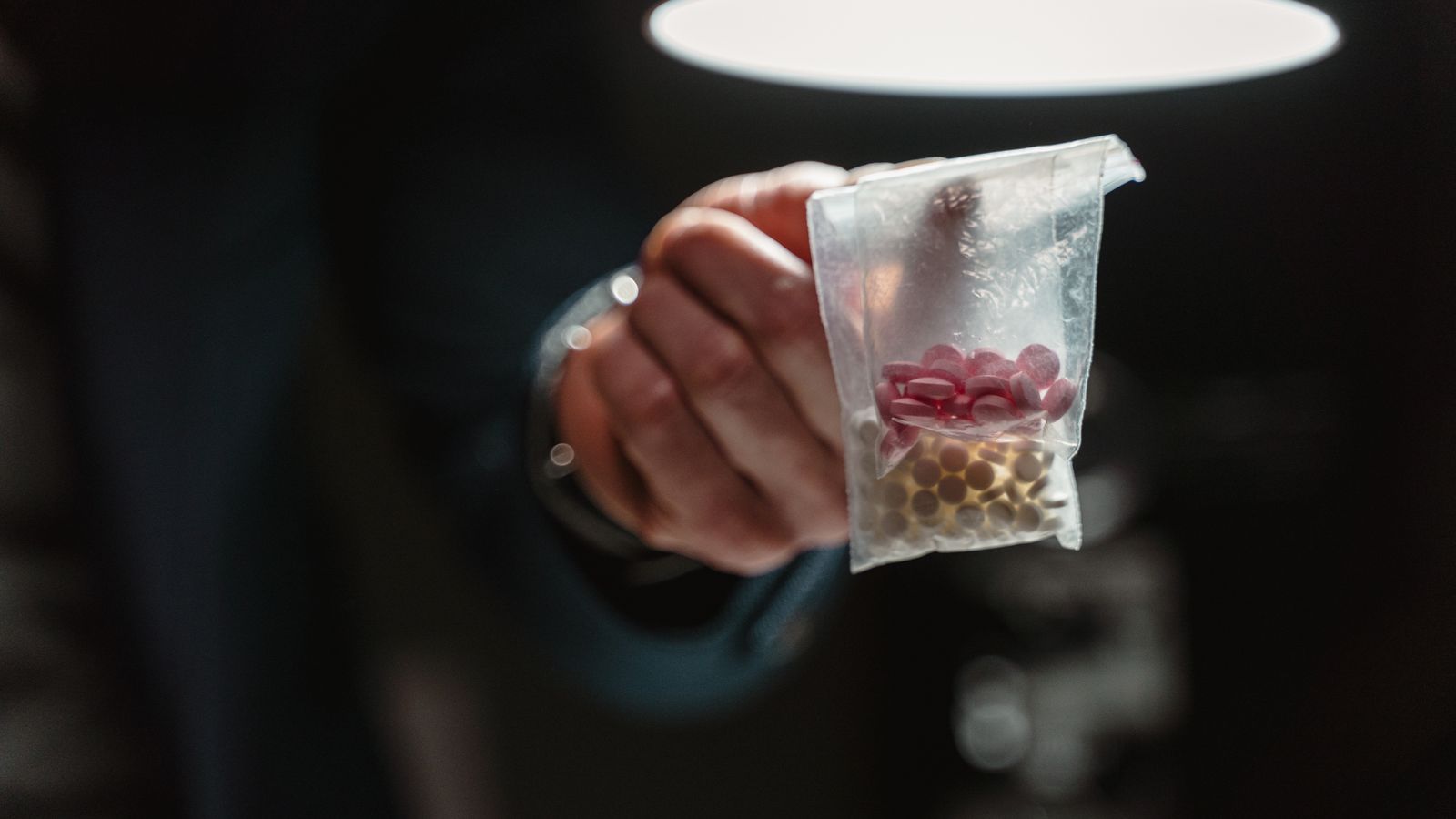
NDLEA Seizes N10.3 Billion in Canadian Cannabis, Arrests Lagos Courier
Nigeria's drug agency intercepted high-grade imported cannabis and methamphetamine in coordinated Lagos operations this week.