Study Summary Links Long-Term Cannabis Use to Silent Sleep Disruption
A News-Medical report says habitual cannabis use may degrade sleep without symptoms users notice, raising questions about dose, chemotype and measurement.
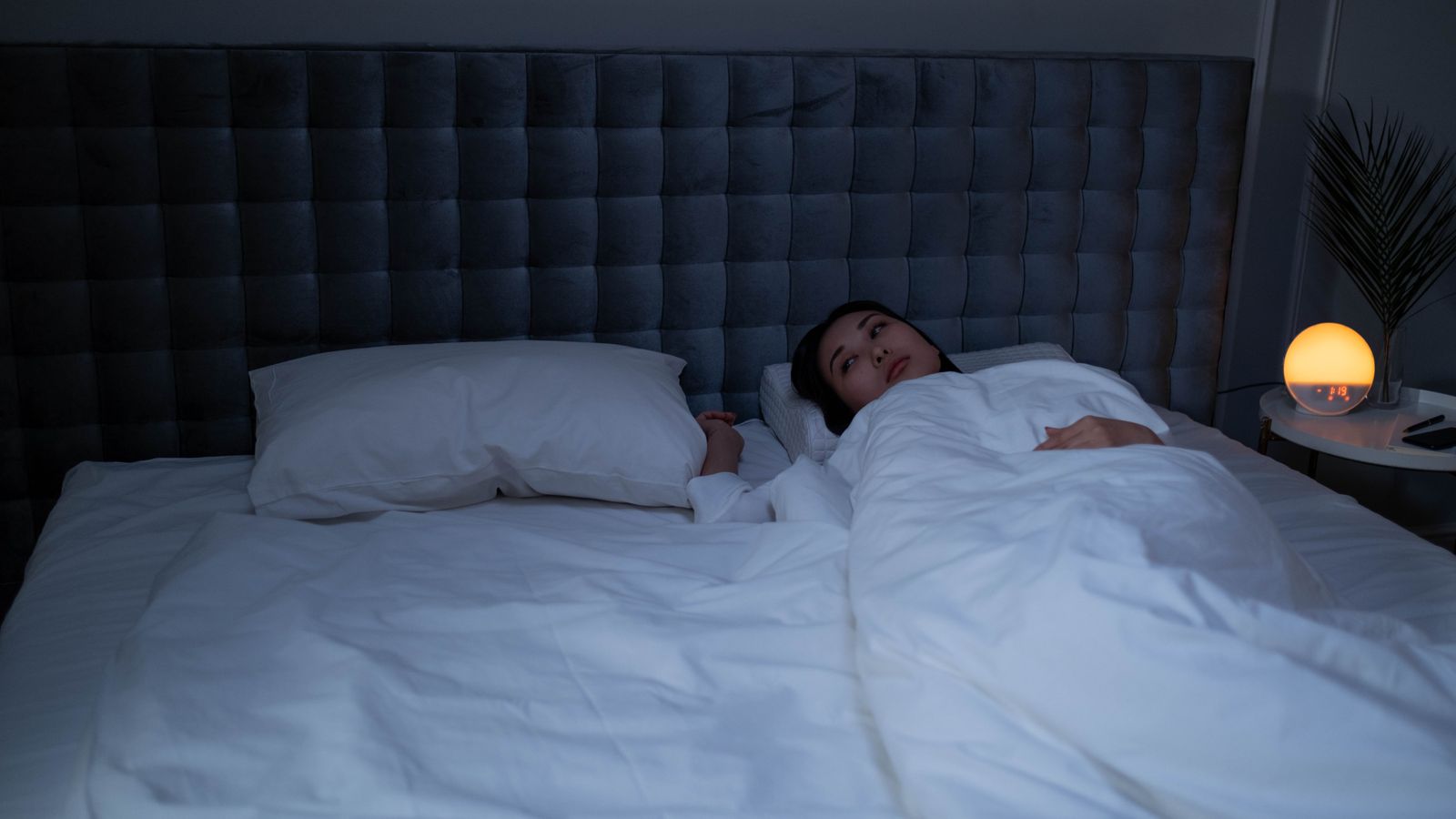
An Asian woman lying awake under soft white bedding in a dimly lit modern bedroom.
A Sleep Problem Users May Not Feel
News-Medical reported on Oct. 10 that long-term cannabis use may disrupt sleep in people who notice nothing wrong.
Long-term cannabis use may disrupt sleep even when users report no symptoms, according to the News-Medical summary. That's the whole headline claim, and it's a pointed one.
The summary, as it reached our desk, didn't include a sample size, effect sizes, named investigators or any cannabinoid exposure data. Details are thin. CannIntel hasn't independently reviewed the underlying paper, so this report sticks to what the headline supports and flags what it leaves open.
The stakes are practical. Sleep is among the most commonly cited reasons people give for using cannabis, so a gap between how sleep feels and how it performs undercuts the main self-check habitual consumers have.
Feeling Rested Isn't the Same as Sleeping Well
The word "noticeable" carries the finding: disruption can exist below the threshold at which a person would complain.
Sleep researchers separate self-report from objective measurement. Questionnaires capture how a person believes they slept. Polysomnography and wrist actigraphy capture what the body did. The summary doesn't say which approach the study used, and that distinction decides how much weight the claim can bear.
Background from the wider literature (not from this study) is consistent with the concern. THC has long been associated with changes in REM sleep and with tolerance in regular users. Tolerance cuts both ways: the sedating effect fades while the architectural changes can persist.
That would explain a silent problem. A person who's used to a nightly dose may simply stop noticing the baseline.
The Missing Variable: Chemotype and Dose
Without a cannabinoid panel, "cannabis use" is too blunt a category to guide a patient or a product developer.
Think of it the way a wine reviewer would. "Drinks wine" tells you little until you know whether it's a light Riesling or a fortified port, and how much. Cannabis is the same. A high-THC flower smoked nightly is a different exposure from a balanced THC:CBD tincture taken at low doses, and the headline doesn't say which the study captured.
Minor cannabinoids and terpenes complicate it further. CBN and myrcene are staples of sleep marketing, and cultivars like Northern Lights are routinely sold as bedtime flower. Whether any of that chemistry changes the picture is an open question here, because the summary supplies no certificate-of-analysis data.
Phenotype variance makes self-reported exposure noisier still. Two jars sold under one cultivar name can test differently from batch to batch, so "I use Northern Lights" is a weak exposure measure. Researchers who rely on strain names rather than lab results are working with blurry data.
Not a flaw in the finding. A limit on what it can tell anyone.
What Operators and Patients Should Do Now
Treat this as a flag for better measurement, not a verdict on any product category.
For operators, the lesson is about claims. Sleep positioning is a major driver of sales in flower, edibles and tinctures, and a study suggesting objective sleep may suffer in long-term users is the kind of finding regulators and plaintiffs' lawyers eventually read. Don't rewrite your messaging off one headline, but do audit which sleep claims you can actually support.
Patients get a more procedural takeaway. Anyone using cannabis nightly for sleep can raise it with a clinician and consider objective tracking rather than trusting how they feel in the morning. Wearables are imperfect, but they're better than a blind spot.
Full background on this story lives in the CannIntel topic hub on cannabis and sleep research.
The next signal: the full paper's methods. Look for how sleep was measured, whether cannabinoid exposure was documented with product-level data, and whether the effect scales with dose. Those three details will decide whether this headline becomes a durable finding or a footnote.
Frequently asked questions
Does long-term cannabis use hurt sleep?
A News-Medical summary published Oct. 10 says long-term use may disrupt sleep without noticeable symptoms. The summary we reviewed didn't include sample size, dose or product data, so the finding is a flag rather than settled science. CannIntel hasn't reviewed the underlying paper.
Why wouldn't a user notice disrupted sleep?
Subjective sleep and measured sleep can diverge. Regular users can build tolerance and adjust to a new baseline, so they may feel fine while objective measures such as REM timing or sleep continuity change. The summary doesn't specify how this study measured sleep.
Does the type of cannabis product matter for sleep?
Likely, but the summary doesn't say. THC dose, CBD ratio, and minor cannabinoids like CBN all differ across products. Without lab-tested exposure data, researchers can't separate product effects, and strain names alone are an unreliable proxy.
What should people using cannabis for sleep do?
Talk to a clinician about nightly use and consider objective sleep tracking instead of relying only on how rested they feel. Don't change a medical regimen based on a single headline.
Sources
The cannabis newsletter you forward to your team.
Federal policy, market data, grower alerts, and the one story that matters today. Sent every weekday at 7am. Free.
No spam. Unsubscribe with one click. 21+ only.
Related from Medical

Jersey Set to Tighten Medical Cannabis Prescribing Rules
Cannabis Health News reported Oct. 19 that Jersey will tighten medical cannabis prescribing, but the scope, authority and start date remain unpublished.

Study of 3,744 Medical Marijuana Patients Reports Two-Year Pain Gains
A two-year study of 3,744 medical marijuana patients reported gains in chronic pain, sleep and quality of life, but the product data that would make it useful is missing from the summary.
Study Finds CBD May Blunt Memory Harm From Adolescent Stress
The Marijuana Herald reported a study linking CBD to reduced long-term memory impairment after teen stress, but the underlying paper's design and data remain undisclosed.
More from the newsroom

St. Anthony Village Sets Up Minnesota's Second City-Owned Dispensary
The Twin Cities suburb is set to follow the municipal-store model into cannabis retail, and operators should read it as a pricing and policy signal.

Colorado audit finds slow, lax oversight let tainted cannabis through
A new state audit says Colorado's cannabis regulators move too slowly and rely on rules too loose to keep potentially contaminated products off shelves.

Missouri Legal Cannabis Market Captures 93% of Consumer Spending
MJBizDaily's Oct. 20 report puts the regulated share of Missouri consumer spending at 93%, leaving 7% outside the legal channel.