Florida Medical Marijuana Sales Hit 190M Grams of Flower in 2026
Florida patients bought roughly 190 million grams of flower and 19.3 billion milligrams of THC in 2026, according to figures reported by The Marijuana Herald.

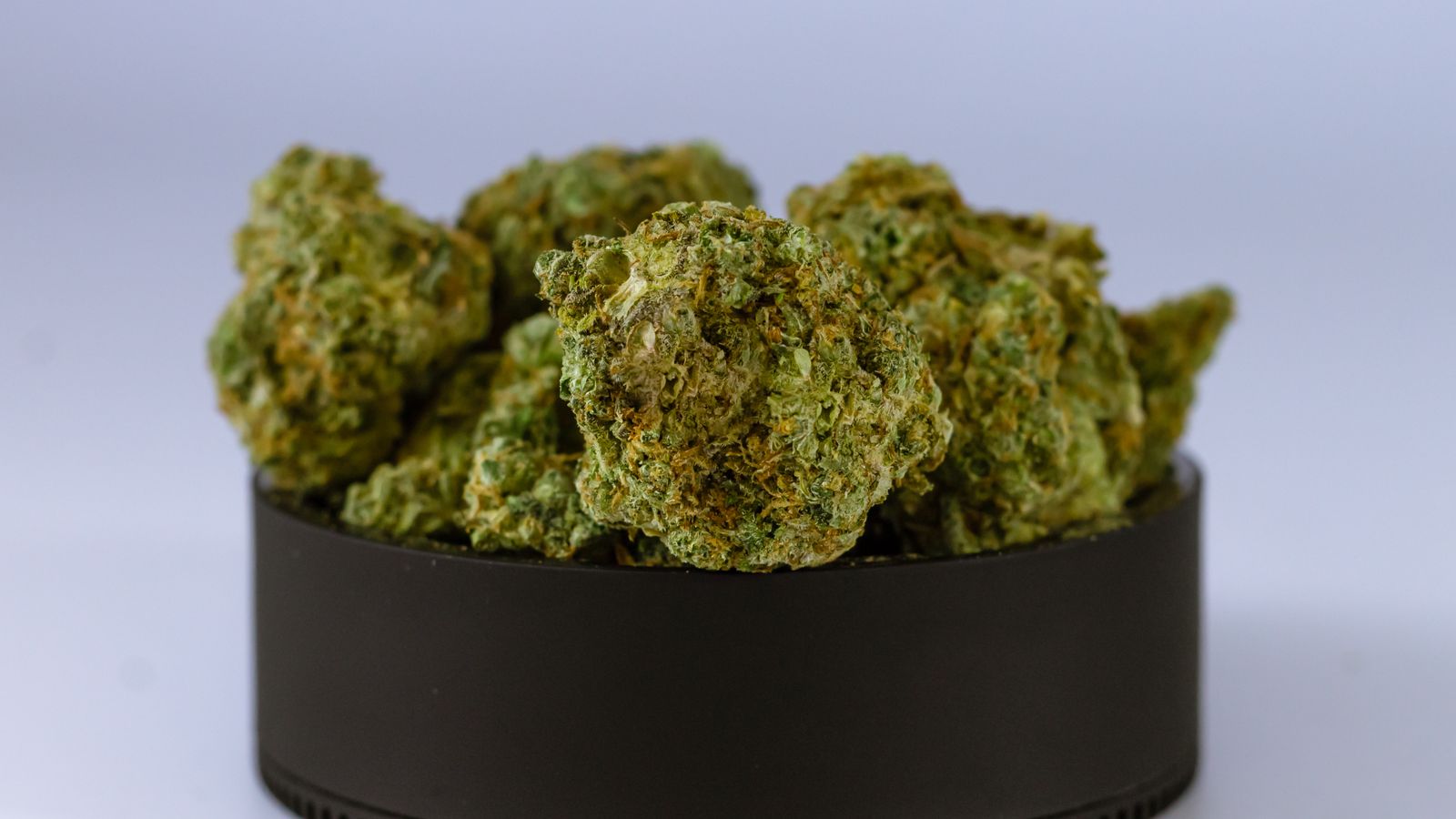
High-quality image of cannabis buds partially spilling from an open glass jar.
Florida's 2026 numbers put flower at the center of the program
Florida patients bought about 190 million grams of medical marijuana flower in 2026, and dispensed THC passed 19.3 billion milligrams, according to The Marijuana Herald.
Those are enormous figures. They also describe a market where the jar, not the gummy, still does the heavy lifting.
We got the signal secondhand, and the underlying state dispensing data wasn't included in the report we reviewed. Treat the headline totals as reported, not independently audited, until the Florida Office of Medical Marijuana Use publishes the breakdown. The year-to-date framing matters too. 2026 hasn't closed, so these totals may still grow.
What 19.3 billion milligrams of THC actually describes
THC dispensations measure the cannabinoid delivered across every product category, which makes the figure a better proxy for patient intake than raw flower weight.
A gram of flower and a gram of distillate aren't the same animal. Flower in Florida's licensed shops commonly runs in the high-teens to mid-twenties percent THC by weight, while concentrates and vape cartridges push far higher. Dividing total THC by total flower grams tells you little on its own, because the 19.3 billion milligrams includes edibles, tinctures, vapes, and concentrates alongside the jars.
That's the useful read. The two numbers move together but don't measure the same thing. The gap between them is where product mix hides.
The flower-first tilt tells you about Florida's patient base
A program that moves 190 million grams of flower is serving patients who smoke and vaporize dry herb in volume, not just microdose with oils.
Florida's rules long restricted smokable flower before lawmakers opened that door in 2019, and patients have leaned into it since. Sensory preference drives a lot of this. Shoppers chasing a lemon-pith finish from a Gelato or Runtz cut, or a forest-floor opener from an OG Kush descendant, want to open the jar and smell it rather than read a label on a vape pod.
Terpene-forward, connoisseur-style flower is also where licensed operators earn their margin and their loyalty. Cuts descended from Wedding Cake and Zkittlez crosses fill the top shelf at many Florida retailers because patients can see the trichomes and judge the nose before they buy.
The scale puts pressure on cultivation and supply
Moving this much flower demands sustained indoor and greenhouse capacity from Florida's vertically integrated licensees.
Florida requires medical marijuana treatment centers to grow, process, and sell their own product, so every gram in that 190 million total came out of a license holder's own canopy. There's no wholesale market to absorb a shortfall. If demand keeps climbing, cultivation throughput becomes the constraint, not retail footprint.
Structure shapes cultivar choice, too. Operators favor reliable, high-yielding cuts with consistent finish over fragile, finicky phenotypes. Genetics that flower fast and test hot tend to win shelf space.
The adult-use question hangs over every one of these numbers
Strong medical volume in 2026 sets the baseline that any adult-use ballot measure would be measured against.
Florida hasn't legalized adult-use sales, and the medical program remains the only legal channel. A market this large invites the obvious question of how much of it would shift or expand under recreational rules. Investors watching multistate operators with Florida exposure can't ignore that math.
For now, the medical card is the gate. Patient counts, renewal rates, and telehealth certification all feed the dispensing totals, and the report detailed none of those inputs.
What to watch in the official data
The state's Office of Medical Marijuana Use dashboards will confirm or revise these totals and show the product-category split.
Three numbers would sharpen the picture: the flower-to-concentrate ratio, average THC potency per dispensed gram, and active patient counts. Together they'd show whether 2026's record reflects more patients, heavier use per patient, or higher-potency product moving the THC total.
For full background on this story, see the CannIntel topic hub on the Florida Medical Marijuana Program.
The next signal is the full-year dispensing release from Florida regulators, which will show whether the final 2026 tally clears the reported marks.
Sources
The cannabis newsletter you forward to your team.
Federal policy, market data, grower alerts, and the one story that matters today. Sent every weekday at 7am. Free.
No spam. Unsubscribe with one click. 21+ only.
Related from Medical

Study Finds CBD Reverses Abnormal Mitochondrial Enlargement
A new report says cannabidiol corrected enlarged mitochondria tied to a rare genetic disorder, but the signal is thin and the evidence remains preclinical.

Medical cannabis dispensary opens in Staunton, Virginia
A new medical cannabis dispensary opened in Staunton, adding a Shenandoah Valley access point to Virginia's patient-only program, according to WMRA.

Medical cannabis dispensary proposed for Harvey Road in College Station
A proposed Harvey Road site would add a College Station storefront to Texas's tightly capped medical program, though the signal supplies few details.
More from the newsroom

NC Cannabis Commission Hears Oklahoma Official on Market Rules
A North Carolina cannabis commission took testimony from an Oklahoma official on legal market design and enforcement, though the signal gives no detail on what was said.
Peoria dispensary braces for demand as Illinois hemp THC limits start
A central Illinois licensed retailer expects to pick up customers as state restrictions on hemp-derived THC products take effect, per local TV reporting.

Wisconsin's Incoming GOP Senate Leader Opens Door to Marijuana Talks
The incoming Senate Republican leader says he is willing to discuss a legalization proposal, a notable shift from the chamber's long-standing roadblock on cannabis reform.