DEA Lifts Schedule I Barriers for State-Legal Cannabis Research
New guidance permits researchers to study dispensary products without federal registration, but funding and institutional review remain obstacles.
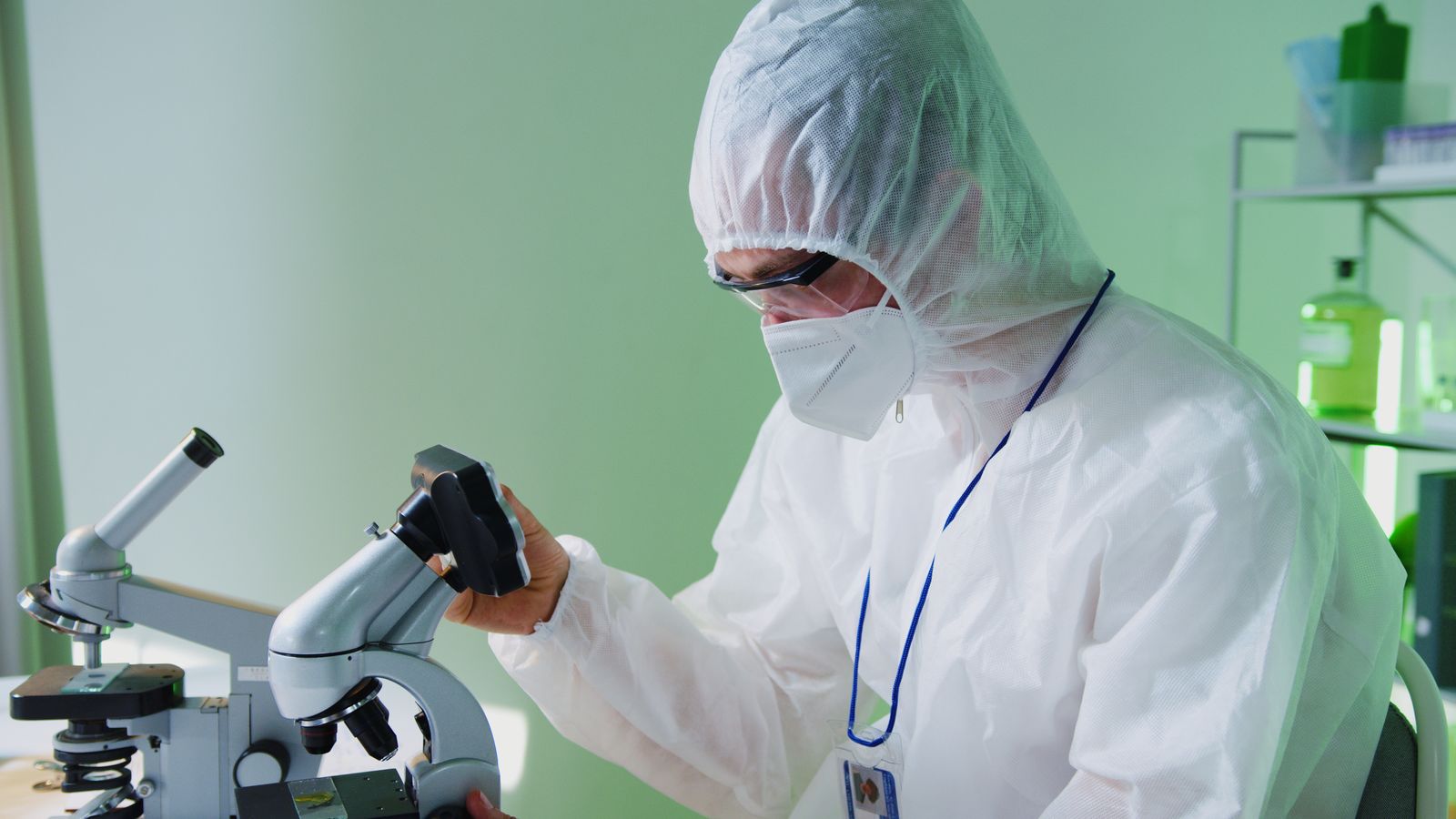
A scientist in protective gear examines samples under a microscope in a lab.
Registration Waiver Limited to Observational Protocols
The DEA's new interpretation exempts researchers from Schedule I handler registration if they're conducting observational studies of cannabis products purchased by participants from state-licensed dispensaries. Under the previous framework, any researcher handling cannabis—even material legally purchased by a study subject—triggered federal registration requirements under the Controlled Substances Act. The May 22 guidance clarifies that passive observation of patient-supplied products doesn't constitute "possession" under DEA rules.
The waiver doesn't extend to interventional trials. Researchers who dispense cannabis to participants, randomize product selection, or control dosing must still obtain Schedule I registration and source material through federally approved channels. Most phase II and phase III clinical trials remain subject to the old regime.
NIDA Monopoly Intact for Clinical Trials
The National Institute on Drug Abuse retains its effective monopoly on cannabis supply for interventional research, despite years of criticism over product quality and cannabinoid profiles. While the DEA has licensed additional cultivators since 2021, none have achieved the operational scale or regulatory clearance to compete with NIDA's University of Mississippi contract farm. European researchers working under BfArM or Health Canada frameworks have long had access to pharmaceutical-grade material from private growers. U.S. scientists conducting gold-standard trials do not.
A two-tier system emerges. Observational studies can now examine real-world products—Wedding Cake, Northern Lights, high-THCA concentrates—while randomized controlled trials remain tethered to NIDA's low-potency flower, which averages 8-12% THC and doesn't reflect the commercial market.
Institutional Review Boards Still Gatekeep
University IRBs remain the practical bottleneck, with many institutions refusing to approve cannabis research regardless of DEA policy. Federal funding agencies, including the National Institutes of Health, haven't updated guidance to reflect the new DEA interpretation. Researchers report that IRBs cite institutional risk, federal grant jeopardy, and reputational concerns when blocking protocols—even observational ones with no federal registration requirement.
The DEA shift is necessary but not sufficient. Without NIH buy-in and IRB cover, most academic researchers won't touch state-legal product studies.
Private research organizations and contract labs face fewer institutional constraints. They lack access to NIH funding streams that dominate U.S. medical research budgets.
Banking and Transport Gaps Unresolved
Researchers still can't pay participants with federal grants, wire funds to dispensaries, or transport cannabis across state lines, even between legal jurisdictions. The DEA guidance doesn't address Section 280E tax treatment, which prohibits deductions for cannabis-related expenses, or FDIC and Federal Reserve restrictions that block banking services for cannabis transactions. A multi-state observational study remains logistically untenable without cash payments and hand-carried samples.
These gaps mirror obstacles the commercial industry faces, where interstate commerce remains federally prohibited despite state-legal frameworks in 38 medical and 24 adult-use jurisdictions.
International Comparison: U.S. Lags Peer Nations
Germany, Canada, Israel, and the Netherlands have permitted academic research on commercial cannabis products for years, with streamlined approval pathways and public funding. Israel's medical cannabis program, operational since the 1990s, has produced the majority of published clinical data on whole-plant formulations. Health Canada's research framework allows universities to source from licensed producers without the registration labyrinth that has stymied U.S. scientists.
The U.S. policy shift narrows but doesn't close the research gap. For context on the full history of federal cannabis research restrictions, see the CannIntel topic hub on cannabis research barriers.
Frequently asked questions
Can researchers now use dispensary cannabis in clinical trials?
No. The DEA guidance applies only to observational studies where participants supply their own state-legal cannabis. Interventional trials that dispense or control product selection still require Schedule I registration and NIDA-sourced material.
Does this change affect NIH funding for cannabis research?
Not yet. The National Institutes of Health has not updated its guidance to reflect the DEA policy shift. Researchers report that IRBs continue to block protocols citing federal funding risk, even for observational studies with no registration requirement.
How does U.S. cannabis research access compare to other countries?
The U.S. lags peer nations. Germany's BfArM, Health Canada, and Israel's medical program allow academic researchers to source pharmaceutical-grade cannabis from licensed commercial producers without the registration and monopoly constraints that persist in the U.S. framework.
What barriers remain for multi-state cannabis research?
Interstate transport remains federally illegal, banking restrictions block wire payments to dispensaries, and Section 280E prohibits expense deductions. Researchers must use cash and hand-carry samples, making large-scale multi-state studies logistically impractical.
Sources
The cannabis newsletter you forward to your team.
Federal policy, market data, grower alerts, and the one story that matters today. Sent every weekday at 7am. Free.
No spam. Unsubscribe with one click. 21+ only.
Related from Medical

Marijuana Use Linked to Heart Attacks, Strokes in New Study
Research finds association between cannabis consumption and elevated cardiovascular risks, adding to mounting evidence on cardiac effects.

Genetic Pathways Link Cannabis Use Disorder and Psychosis Risk
New research identifies shared genetic mechanisms between cannabis dependence and psychotic disorders, adding molecular evidence to a decades-old debate.

Experts Warn Channel Islands on Cannabis Prescribing Risks
Medical professionals cite US implementation challenges and mental health concerns as islands consider expanding access.
More from the newsroom

Greece Bans Cannabis Flower Products in Nationwide Retail Crackdown
Greek authorities ordered immediate removal of all cannabis flower products from retail shelves, ending three years of legal ambiguity.

TSA Allows Medical Cannabis Through Airport Security Despite State Law Gaps
Federal screening policy permits medical cannabis products, but travelers face arrest risk at destination states without reciprocity.

Spanberger Vetoes Virginia Cannabis Retail Bills, Stalls Market Launch
Governor blocks two retail-framework bills passed by the General Assembly, extending Virginia's legal-possession-without-sales impasse into 2027.