Cannabis Drinks Cut Alcohol Intake 50% in New Substitution Study
New research shows cannabis-infused beverages may help consumers halve their alcohol consumption, adding weight to the substitution thesis.
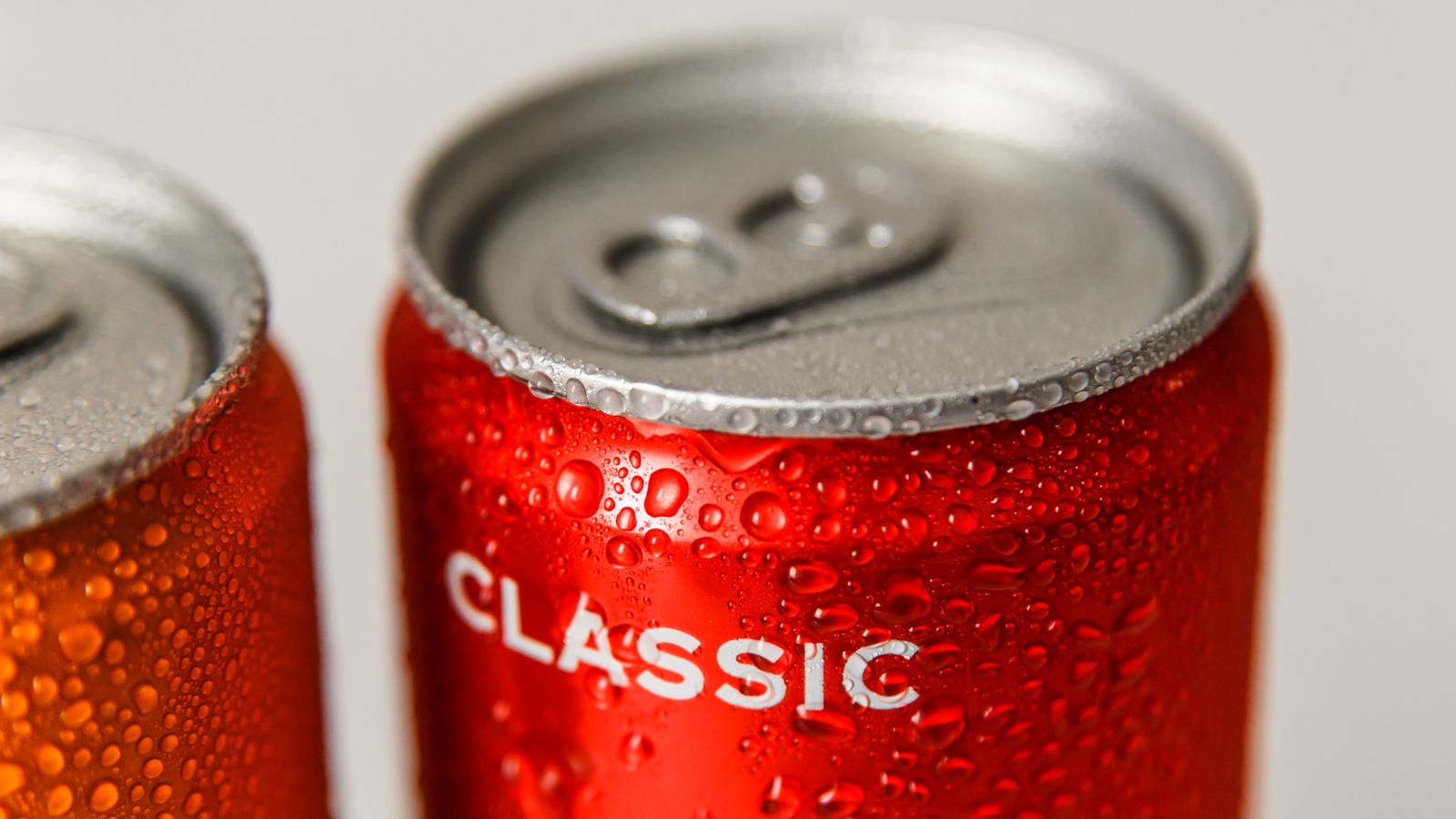
Refreshing close-up of wet red and orange soda cans with condensation droplets.
Study Findings and Sample Methodology
The research documented a roughly 50% reduction in alcohol consumption among participants who substituted cannabis-infused drinks for traditional alcoholic beverages. Researchers tracked consumption patterns over a controlled period, measuring both frequency and volume of alcohol intake before and after the introduction of THC-infused drink alternatives.
Participants got access to cannabis beverages with standardized THC dosing, typically in the 2.5-10mg range per serving. Moderate drinkers saw the biggest shift. Those consuming 7-14 alcoholic drinks per week at baseline showed the most pronounced substitution effect.
Market Implications for Beverage-Focused Operators
The 50% substitution rate carries direct revenue implications for MSOs that have invested in infused-beverage production capacity. Curaleaf (CSE: CURA), Trulieve (CSE: TRUL), and Green Thumb Industries (CSE: GTII) have all expanded their beverage SKU counts by 40-60% since Q4 2024, betting on the alcohol-substitution consumer.
Beverage products typically carry 60-70% gross margins for vertically integrated operators, compared to 50-55% for flower. That margin advantage matters. The category now represents 8-12% of total sales at leading dispensaries in California, Colorado, and Illinois—up from 3-5% two years ago.
Harm-Reduction Angle and Public-Health Positioning
The study's harm-reduction framing gives cannabis companies a public-health argument that's historically been difficult to make in federal policy discussions. Alcohol is responsible for approximately 95,000 deaths annually in the United States, according to CDC data, while no deaths have been directly attributed to cannabis overdose.
State regulators in New York, New Jersey, and Connecticut have cited harm-reduction rationales when approving infused-beverage product categories. The ZME Science research provides quantitative backing for those policy decisions.
Beverage Category Growth and SKU Expansion
Cannabis beverage sales grew 47% year-over-year in Q1 2026 across tracked states, outpacing the 12% growth rate for the broader cannabis market. It's now a $1.2 billion annual market in the U.S., concentrated in states with mature adult-use programs.
Product innovation has accelerated. Fast-acting nano-emulsion formulations, which deliver effects within 10-15 minutes, now account for 65% of beverage sales, up from 30% in 2024. These formulations mimic the onset profile of alcohol, making substitution easier for consumers accustomed to the rapid feedback loop of alcoholic drinks.
Competitive Dynamics and Alcohol-Industry Response
Major alcohol producers have tracked the substitution trend closely, with Constellation Brands, Molson Coors, and Anheuser-Busch InBev all maintaining cannabis-adjacent investments or partnerships. Constellation retains a 38% equity stake in Canopy Growth (TSX: WEED), though it wrote down that investment by $900 million in fiscal 2025.
Molson Coors' joint venture with Hexo Corp. (TSX: HEXO) launched Truss Beverages in Canada in 2019 and has since expanded into Colorado. The venture reported $42 million in sales in 2025, a 31% increase from the prior year.
Regulatory Tailwinds and State-Level Approvals
Twenty-three states now permit the sale of cannabis-infused beverages in licensed dispensaries, up from 18 states in January 2025. Ohio, Kentucky, and Pennsylvania have all approved beverage categories within the past six months as part of broader adult-use or medical-expansion legislation.
Dosing caps remain the primary regulatory variable. Most states limit single-serving beverages to 10mg THC, though Colorado permits 100mg multi-serving containers. New York's Office of Cannabis Management finalized beverage-specific packaging and labeling rules in March 2026, clearing the path for broader retail distribution.
For full background on this category, see the CannIntel topic hub on cannabis beverages as alcohol substitution.
Investment Thesis and Valuation Impact
Beverage-focused operators have outperformed the MSOS ETF by 14 percentage points year-to-date, driven in part by the substitution narrative. Analysts at Canaccord Genuity and Stifel have both upgraded coverage on MSOs with strong beverage portfolios, citing the category's margin profile and growth trajectory.
The 50% substitution figure provides a concrete data point for revenue modeling. If sustained across broader populations, it implies a potential $6-8 billion addressable market in the U.S. by 2028, assuming 15-20% of regular alcohol consumers trial cannabis beverages and half of those adopt them as partial substitutes.
Next catalyst to watch: whether federal rescheduling or SAFER Banking passage accelerates institutional capital into the beverage subcategory, particularly for companies pursuing mainstream retail distribution strategies.
Frequently asked questions
How much did cannabis drinks reduce alcohol consumption in the study?
The ZME Science research found that cannabis-infused beverages helped consumers reduce their alcohol intake by approximately 50%. The substitution effect was most pronounced among moderate drinkers consuming 7-14 alcoholic drinks per week at baseline.
Which cannabis companies have the largest beverage portfolios?
Curaleaf, Trulieve, and Green Thumb Industries have all expanded beverage SKU counts by 40-60% since Q4 2024. These MSOs are betting on the alcohol-substitution consumer, with beverages now representing 8-12% of total dispensary sales in leading markets.
What are fast-acting cannabis beverages?
Fast-acting beverages use nano-emulsion technology to deliver THC effects within 10-15 minutes, mimicking the onset profile of alcohol. These formulations now account for 65% of beverage sales, up from 30% in 2024, making substitution easier for consumers.
How big is the cannabis beverage market in the U.S.?
The category is now a $1.2 billion annual market in the U.S., growing 47% year-over-year in Q1 2026. Analysts project a $6-8 billion addressable market by 2028 if the 50% substitution rate holds across broader consumer populations.
Do alcohol companies invest in cannabis beverages?
Yes. Constellation Brands holds a 38% stake in Canopy Growth, and Molson Coors operates Truss Beverages through a joint venture with Hexo Corp. Truss reported $42 million in sales in 2025, a 31% increase year-over-year.
Sources
The cannabis newsletter you forward to your team.
Federal policy, market data, grower alerts, and the one story that matters today. Sent every weekday at 7am. Free.
No spam. Unsubscribe with one click. 21+ only.
Related from Medical
Avecho Launches World's Largest CBD Insomnia Trial in Australia
Perth biotech's 200-patient Phase 3 study could secure exclusive Australian regulatory pathway for CBD sleep therapy.
Europe Approves First Cannabis-Based Chronic Pain Medication
European regulators clear the first cannabis-derived pharmaceutical specifically indicated for chronic pain management.

Cardiologists Urge Caution on Cannabis Use as Heart-Disease Evidence Remains Mixed
New clinical review finds conflicting data on cardiovascular risk, but specialists warn patients with heart conditions to proceed carefully.
More from the newsroom

White House Releases Long-Overdue 2026 Federal Rulemaking Agenda
The administration published its unified regulatory agenda Monday after a six-month delay, with implications for pending cannabis rules.
Releaf Becomes First B Corp Certified Medical Cannabis Company
UK-based Releaf earns B Corp status, setting a corporate governance benchmark for the global cannabis sector.

EU Excludes Cannabis From New Genomic Editing Rules Under NGT Regulation
The European Union's new NGT Regulation explicitly bars cannabis from streamlined gene-editing pathways, preserving strict GMO oversight.