White House Presses Hemp Regulation, Offers No Specifics
A Marijuana Moment newsletter item flags a White House push to regulate hemp, but the public record contains no rule text, agency lead or timeline.
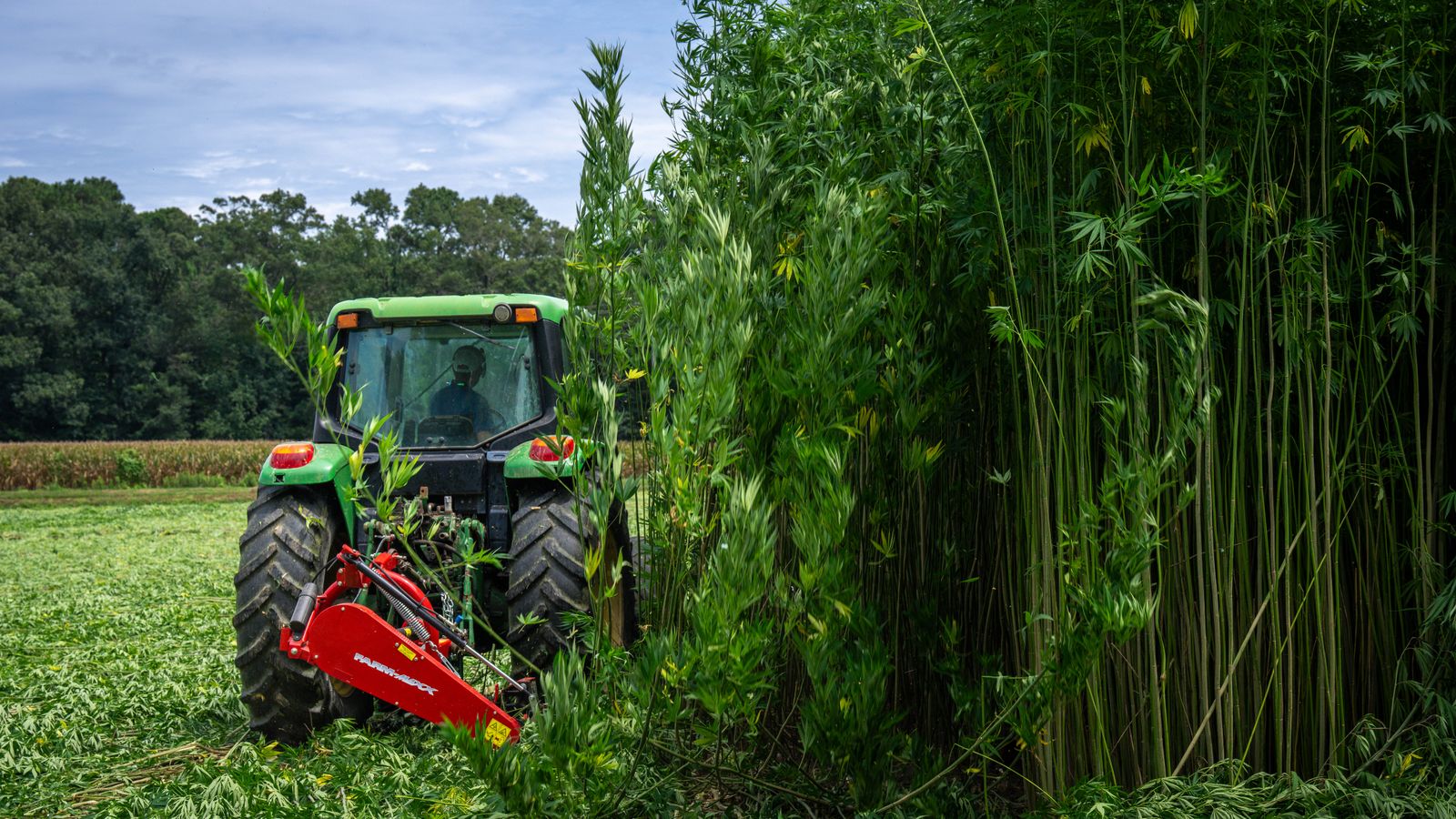
A tractor efficiently harvesting a lush field of tall industrial hemp plants under a clear sky.
A push with no paper behind it
The only public evidence of the White House hemp push is a newsletter headline that itself says the administration has not provided specifics.
Marijuana Moment's Nov. 25, 2026 newsletter carried the headline "White House pushes hemp regulations, without specifics." The RSS payload for that item contains a headline and a teaser. It names no official, no agency, no statute and no draft language.
That's a thin foundation for any operational decision. We haven't independently confirmed the underlying reporting, and the signal doesn't tell us whether the push came through a public statement, a legislative request, or something else. Treat the claim as unverified until the primary material surfaces.
Why the missing detail matters to operators
Hemp rules are only as meaningful as their definitions, and the definitions are exactly what is absent.
The Federal Hemp Loophole exists because the 2018 Farm Bill defined hemp by a delta-9 THC ceiling of 0.3 percent on a dry-weight basis. Products like delta-8 THC, THCA flower and synthesized cannabinoids have grown inside that definition, and any regulation that touches total THC, cannabinoid conversion or serving limits would hit those lines differently.
A generic call to regulate hemp could mean a tax-and-label regime, a testing mandate, or a hard ban on intoxicating products. Those outcomes aren't interchangeable. A processor holding inventory of hemp-derived THC beverages faces a very different future under each one.
What else the newsletter flagged
The same newsletter listed three other federal and state items that bear on hemp-adjacent policy.
According to the teaser text, the issue also covered states taking the marijuana industry's side in a challenge to the DEA, a North Carolina plan for state-run marijuana stores, and federal drug quotas for cannabinoids and psychedelics. We haven't reviewed those underlying stories. The payload gives no detail on any of them.
The North Carolina item is worth a second look given the state's long-running fight over intoxicating hemp sales. A state-run retail model, if it advances, would sit uneasily beside a loosely regulated hemp market selling comparable products. Again, the signal gives us the topic, not the facts.
The record we would want to see
Three documents would convert this from a headline into a regulatory event.
First, any written statement or fact sheet from the White House attributing the push to a named office. Second, draft legislative or rulemaking text, including any proposed amendment to the statutory definition of hemp. Third, a notice of proposed rulemaking (NPRM) in the Federal Register, which would fix a comment period and a lead agency, most plausibly FDA or USDA.
None of these appear in the signal. Until one does, claims about what the administration intends are inference. Dry, yes. But the evidence supports nothing stronger.
What operators should do in the meantime
Plan around the definitional risk, not the headline.
Operators selling intoxicating hemp products should map which SKUs depend on the 0.3 percent delta-9 framing versus total-THC testing, since that distinction is where most plausible rules would bite. Multi-state sellers should also track state-level actions, which have moved faster than Washington and carry real enforcement.
The pattern isn't new. Calls for hemp regulation have repeatedly arrived without text, and the gap between rhetoric and a published rule has often been measured in years. The next signal worth acting on is a Federal Register notice or a bill number, and CannIntel will report either the day it appears.
For complete background, history, and our ongoing coverage of this story:
Open the CannIntel topic hub →Frequently asked questions
What did the White House propose on hemp regulation?
The available signal doesn't say. A Marijuana Moment newsletter dated Nov. 25, 2026 reports a White House push for hemp regulations but states it came without specifics. No rule text, agency or timeline has been published in the source material reviewed.
What is the federal hemp loophole?
It refers to the 2018 Farm Bill definition of hemp as cannabis with no more than 0.3 percent delta-9 THC by dry weight. That wording has allowed intoxicating products, including delta-8 THC and THCA flower, to be sold outside state cannabis programs.
Which agency would regulate hemp under a federal push?
The signal doesn't identify one. FDA and USDA are the most plausible candidates given their existing roles over consumable products and hemp cultivation, but any assignment would need to appear in draft legislation or a rulemaking notice.
How should hemp businesses respond right now?
Wait for primary documents. A Federal Register NPRM or a bill number would set real terms. Meanwhile, review which products rely on the delta-9 definition versus total-THC testing and monitor state-level restrictions, which are already enforceable.
Sources
The cannabis newsletter you forward to your team.
Federal policy, market data, grower alerts, and the one story that matters today. Sent every weekday at 7am. Free.
No spam. Unsubscribe with one click. 21+ only.
Related from Laws

DEA Registration: Why Denial vs. Withdrawal Matters for Applicants
A Legal 500 analysis of DEA medical marijuana registration separates a formal denial from a withdrawn application, a distinction with real consequences for future filings.

Charlotte THC Crackdown Leaves Enforcement Gap as Shops Weigh Risk
A new North Carolina THC crackdown raises a practical question in Charlotte: which agency will enforce it, and whether retailers will test it.

Indiana Hemp THC Faces Federal Cutoff as Deadline Nears
With weeks left before federal hemp law changes, Indiana retailers, processors and consumers face a market reset that state lawmakers have not yet resolved.
More from the newsroom

Indiana Lawmakers From Both Parties Draft MMJ Bills for 2027
A Democrat and a Republican are each drafting medical cannabis legislation for Indiana's 2027 session, but GOP supermajority control of both chambers still decides the outcome.

Appeals Court Temporarily Blocks DEA Medical Marijuana Supply Chain Rules
A federal appeals court paused the DEA's November 29 supply chain restrictions on medical marijuana, leaving operators and patients in limbo while the case proceeds.

Indiana Medical Marijuana Push Turns Bipartisan Before 2027 Session
A headline-level signal says Indiana's medical cannabis effort now has support from both parties, but the signal supplies no names, bill numbers or vote counts.