Virginia Marijuana Distribution Legality Questioned Amid Statute Gap
Legal ambiguity in Virginia's cannabis framework raises questions about whether distribution is already permitted under current law.

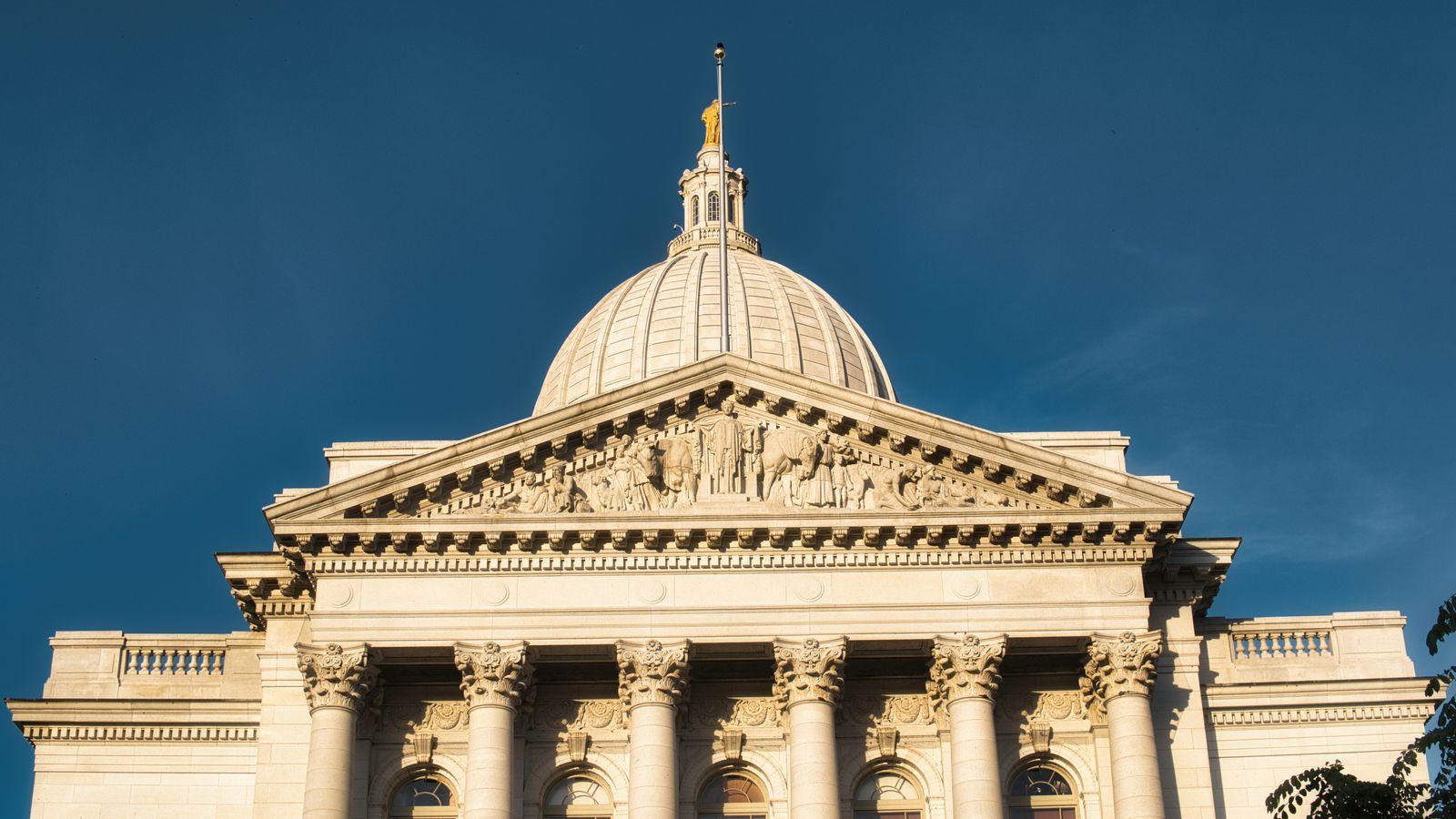
Explore the majestic interior design and architecture of the Wisconsin State Capitol in Madison.
The Statutory Gap at the Center of the Debate
Virginia legalized possession of up to one ounce and home cultivation of up to four plants per household in July 2021, but the General Assembly never explicitly criminalized distribution outside a licensed framework that doesn't yet exist. The omission has created what some defense attorneys characterize as a loophole: if possession is legal and no statute explicitly bans transfer, the argument goes, then non-commercial distribution may fall into a legal gray zone.
Virginia Code § 18.2-248.1 criminalizes distribution of marijuana as a felony. That statute predates the 2021 legalization amendments. Legal observers note that the amendments to Title 4.1 didn't repeal § 18.2-248.1 outright, instead carving out exceptions for possession and cultivation. The result? A patchwork where large-scale trafficking remains clearly illegal, but smaller peer-to-peer transfers occupy uncertain terrain.
No Retail Market, No Clear Enforcement Path
Virginia's regulated retail market remains stalled, with no licensed dispensaries operating outside the state's existing medical program. The Cannabis Control Authority, established in 2021, hasn't issued adult-use retail licenses, and legislative efforts to advance a commercial framework have repeatedly failed in committee. That delay has left law enforcement without clear guidance on how to handle distribution cases that fall below trafficking thresholds.
Commonwealth's attorneys in several jurisdictions have declined to prosecute small-scale distribution cases in the past year, citing the ambiguity. One prosecutor in Hampton Roads told the Daily Press that without a clear statutory prohibition on gifting or sharing, cases involving transfers of less than an ounce are difficult to sustain. That reluctance has emboldened some operators to test the boundaries. Unlicensed "gifting" storefronts have appeared in Richmond and Norfolk.
The Gifting Model and Its Legal Risks
Several businesses in Virginia have adopted a "gifting" model similar to those seen in Washington, D.C., where customers purchase a legal product and receive cannabis as a "gift." These operations argue they aren't selling marijuana but rather transferring it incidentally to a lawful transaction. The model exploits the silence in Virginia's statutes: if no law explicitly bans gifting, and possession is legal, then the transfer itself may not trigger criminal liability.
Legal experts urge caution. The model remains precarious. While no Virginia court has ruled definitively on the gifting structure, prosecutors could argue that such transactions constitute constructive distribution or trafficking, particularly if they involve repeated transfers or commercial intent. The Virginia Attorney General's office has issued no formal guidance, and local enforcement remains inconsistent.
Legislative Efforts to Close the Gap Have Stalled
Bills introduced in the 2025 and 2026 General Assembly sessions to clarify distribution prohibitions have failed to advance past subcommittee. Delegate David Bulova introduced HB 2134 in January 2026, which would have explicitly criminalized non-licensed distribution, but the bill died in the House Courts of Justice Committee. Republican lawmakers argued the measure was premature without a functioning retail framework. Some Democrats opposed adding new criminal penalties before addressing equity concerns in the licensing process.
The stalemate has left Virginia in a holding pattern. Advocates for legalization argue that criminalizing distribution without first establishing a legal market would perpetuate the enforcement disparities that legalization was meant to address. Opponents counter that the current ambiguity invites illegal activity and undermines public safety.
Enforcement Varies Widely Across Jurisdictions
Local enforcement of distribution cases has diverged sharply, with urban jurisdictions more likely to decline prosecution than rural areas. In Fairfax County, the Commonwealth's Attorney's office has adopted a policy of not pursuing charges for transfers under one ounce absent evidence of large-scale operation. Prosecutors in southwestern Virginia have continued to file distribution charges, citing the unrepealed felony statute.
Inconsistency creates risk. Individuals may face prosecution depending on where they're arrested. Defense attorneys have begun filing motions to dismiss in distribution cases, arguing that the 2021 amendments implicitly decriminalized peer-to-peer transfers. No appellate court has yet ruled on the issue, leaving trial courts to handle the question case by case.
What the Cannabis Control Authority Says
The Virginia Cannabis Control Authority has stated that distribution outside a licensed framework remains illegal, but the agency lacks enforcement authority over criminal matters. In a statement to the Daily Press, a CCA spokesperson said the agency interprets the 2021 amendments as legalizing only possession and home cultivation, not commercial or non-commercial distribution. The spokesperson emphasized that the CCA's role is to regulate licensed operators, not to enforce criminal statutes.
The authority's position is clear: unlicensed distribution isn't permitted under Virginia law, even if the statutory language leaves room for interpretation.
That stance has done little to clarify the enforcement landscape, as the CCA has no power to bring charges or issue cease-and-desist orders to unlicensed operators. The agency has referred several gifting storefronts to local law enforcement. Few have resulted in prosecution.
What Comes Next
The legal question is unlikely to be resolved without either legislative action or a definitive court ruling. The General Assembly's 2027 session will see renewed efforts to clarify distribution prohibitions, but passage remains uncertain given the ongoing gridlock over retail licensing. Operators will continue to test the boundaries of what Virginia's statutes permit. The next signal to watch: whether a Virginia appellate court takes up a distribution case and issues a binding interpretation of the 2021 amendments. Until then, the question remains unsettled. Both prosecutors and defendants are working through uncharted legal terrain.
For complete background, history, and our ongoing coverage of this story:
Open the CannIntel topic hub →Frequently asked questions
Is marijuana distribution legal in Virginia?
No clear answer exists. Virginia legalized possession and home cultivation in 2021 but didn't explicitly address distribution. The pre-existing felony statute remains on the books, but prosecutors in some jurisdictions decline to pursue small-scale transfer cases, citing ambiguity in the law.
What is the gifting model in Virginia?
The gifting model involves selling a legal product and transferring cannabis as a "gift." Operators argue this avoids criminal liability because no statute explicitly bans gifting. Legal experts warn the model is precarious and could be prosecuted as constructive distribution.
Why hasn't Virginia opened retail cannabis stores?
Virginia's Cannabis Control Authority hasn't issued adult-use retail licenses, and the General Assembly has repeatedly failed to pass a commercial framework. Political gridlock over licensing equity and regulatory structure has stalled the market.
Can I be arrested for sharing marijuana in Virginia?
It depends on the jurisdiction. Some prosecutors decline to charge small-scale transfers, while others pursue felony distribution charges under the unrepealed statute. Enforcement is inconsistent, and no appellate court has ruled on the issue.
Will Virginia clarify the distribution law?
Unclear. Bills to explicitly criminalize unlicensed distribution have failed in the General Assembly. The 2027 session may see renewed efforts, but passage is uncertain. A court ruling could also resolve the ambiguity.
Sources
The cannabis newsletter you forward to your team.
Federal policy, market data, grower alerts, and the one story that matters today. Sent every weekday at 7am. Free.
No spam. Unsubscribe with one click. 21+ only.
Related from Laws
Ohio Judge Blocks Hemp THC Cap on Dormant Commerce Clause Grounds
A federal court halted Ohio's 0.3% total-THC limit for hemp products, finding it likely violates interstate commerce protections.

NORML Intern Draws Parallels Between Alcohol, Cannabis Prohibitions
Summer intern Caroline Breen outlines structural failures shared by both 20th-century prohibitions in policy analysis.

Jamaica State Minister Defends Deliberate Cannabis Reform Approach
Government official characterizes industry restructuring as measured and focused on local stakeholder interests.
More from the newsroom

Curaleaf Eyes Spain's New Cannabis Framework for EU Pharma Push
The MSO is positioning its European subsidiaries to capitalize on Spain's regulatory shift toward medicinal cannabis.

Small Minnesota City Pauses Funding for Government-Owned Dispensary
A Minnesota municipality has suspended capital allocations for its planned public-sector cannabis retail facility amid budget concerns.

New York Unveils Cannabis Education Resources for Schools
State releases curriculum guides and teacher training materials as districts grapple with youth prevention in adult-legal market.