Veterans Still Face Federal-State Cannabis Divide, Report Says
A stupidDOPE report puts the veteran access gap back in focus: VA clinicians still can't recommend cannabis, even in states where it's legal.
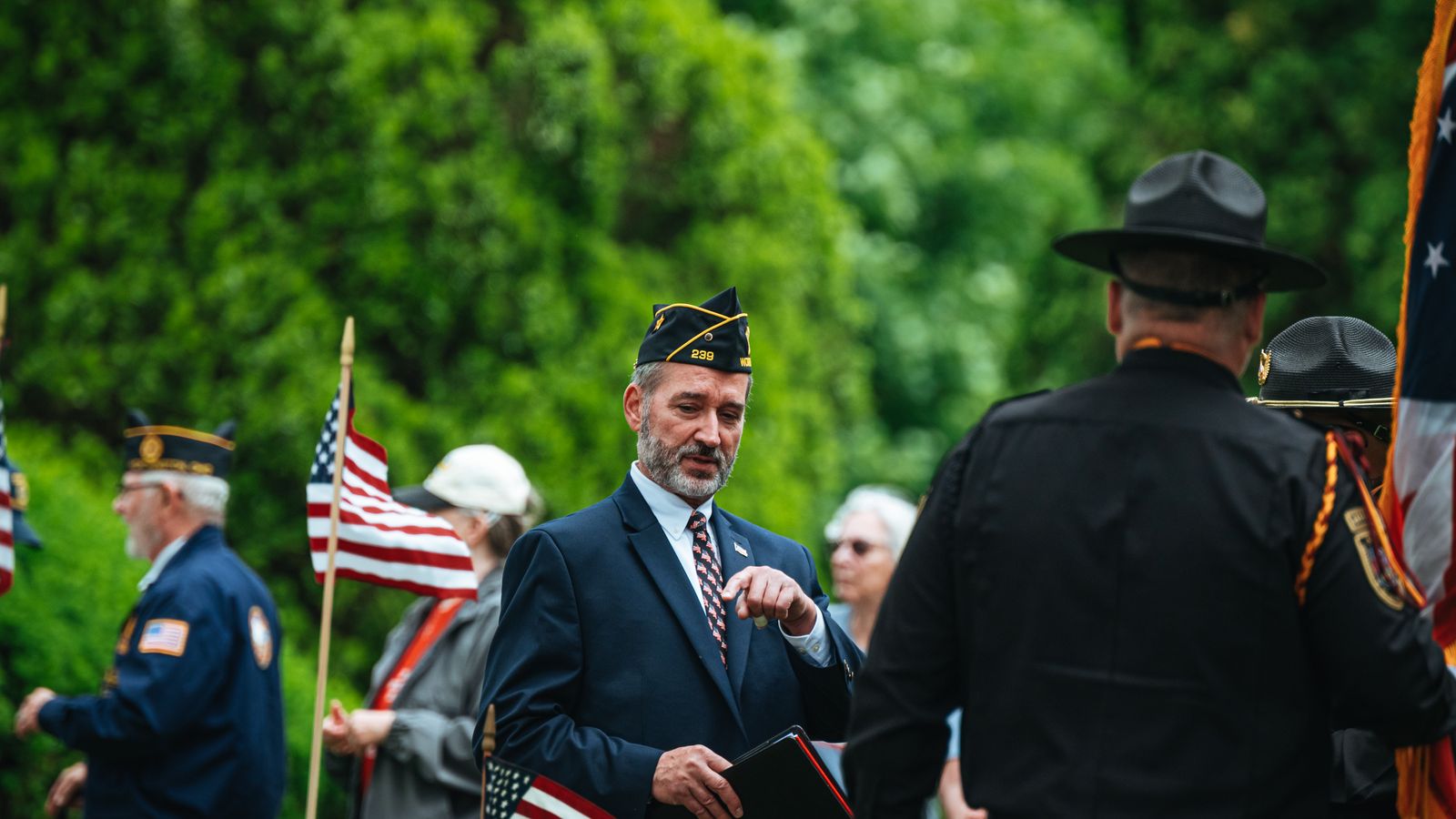
Veterans gathered in formal attire holding American flags during a memorial ceremony outdoors.
VA clinicians still can't recommend cannabis
The Department of Veterans Affairs remains a federal agency operating under federal drug law, so its doctors can't recommend, prescribe or complete state paperwork for medical cannabis.
That's the core of the divide stupidDOPE highlighted in its Oct. 4 report. A veteran in California or Colorado can walk into a licensed dispensary. The same veteran can't get a recommendation from the VA physician who manages the rest of the care plan.
The cleanest read on this story is simple. The law moved in the states and stood still in Washington. Cannabis remains a Schedule I substance under the Controlled Substances Act, and the VA follows that classification.
Veterans pay out of pocket and work around the system
VA doesn't cover medical cannabis, so veterans in state programs pay for it themselves and often find a recommending physician outside the VA.
That means a second appointment and a second fee, plus a split medical record. State card fees, dispensary prices and private evaluation costs all land on a population that is, by definition, already using a federal health system to avoid some of those bills.
VA policy does offer one protection. Under VHA Directive 1315, issued in 2017, veterans aren't denied VA care or benefits because they participate in a state-approved cannabis program, and VA providers are directed to discuss use with patients so it can be factored into treatment. The protection is real. It isn't the same as access.
The firearms question is the sharpest edge
Federal law bars unlawful users of controlled substances from possessing firearms, and that prohibition doesn't carve out state-legal medical patients.
The statute is 18 U.S.C. 922(g)(3). It's the reason many veterans, a group with high rates of gun ownership, weigh a cannabis recommendation against their legal exposure. A state card is a document the federal government doesn't recognize.
Not a small risk. Not a theoretical one either.
Congress keeps trying and keeps stalling
Bills and spending amendments that would let VA clinicians recommend cannabis in legal states have been introduced and voted on repeatedly, but none has become law.
Versions of the Veterans Equal Access Act have been filed across multiple Congresses. Amendments tied to the VA funding bill have also advanced at the committee or chamber level in past years, only to fall out before final passage. The pattern is consistent enough to treat as a feature of the process.
Veterans' groups and cannabis advocates have kept pushing. The VA, for its part, has pointed to the lack of federal approval and the need for more research as reasons for its position. That position is defensible as law and hard to defend as care.
Rescheduling wouldn't close the gap on its own
Moving cannabis to Schedule III, whatever its timing, wouldn't by itself make dispensary products federally legal or let VA doctors recommend them.
Schedule III drugs still require a prescription pathway tied to FDA approval, and state-licensed marijuana markets don't run through that system. The DEA's rescheduling process, and any final outcome, changes tax treatment under 280E for operators far more directly than it changes access for a veteran at a VA clinic. A separate legislative or administrative fix would still be needed for VA practice.
That's the part the rescheduling headlines tend to skip. Operators get relief. Patients in federal systems get a question mark.
What veterans and operators should do now
Veterans should disclose cannabis use to their VA providers, and operators serving them should build around the federal limits instead of waiting for them to lift.
For veterans, the practical checklist is short:
- Tell your VA provider about use; policy protects benefits and care eligibility.
- Get your state recommendation from a non-VA physician.
- Understand the federal firearms rule before you buy or carry.
Dispensaries in states like California, Colorado and New York have two near-term tools: veteran discount programs and plain-language compliance guidance. They don't fix the law. They do reduce friction for customers who face more of it than most.
Want full background? See the CannIntel topic hub on veterans medical cannabis access.
The reporting caveat
This story rests on stupidDOPE's Oct. 4 report as the news peg and on published federal law and VA policy for the underlying rules.
CannIntel is relying on public statutes and VA directives for the legal framework above, not on new data from the report. We'll update as more detail surfaces.
The next signal: whether veterans-access language shows up in the VA funding bill moving through Congress this fiscal year. If it's absent again, the divide stays exactly where it is.
For complete background, history, and our ongoing coverage of this story:
Open the CannIntel topic hub →Sources
The cannabis newsletter you forward to your team.
Federal policy, market data, grower alerts, and the one story that matters today. Sent every weekday at 7am. Free.
No spam. Unsubscribe with one click. 21+ only.
Related from Laws

Blanche Says Lucas Charges Aren't Aimed at State Cannabis Laws
The attorney general framed the federal case against Virginia's Senate president pro tem as conduct-based, not a move against state marijuana policy.

DOJ indicts Virginia lawmaker, six others over hemp THC shop
Federal prosecutors charged a Virginia state lawmaker and six others over a hemp THC operation, testing where hemp ends and marijuana begins.

New Jersey Bill Extending Hemp Drink Sales Advances
A bill to extend New Jersey hemp drink sales moved forward Oct. 22, but the public record behind the headline is thin.
More from the newsroom

Virginia Senator Faces Federal Marijuana and Fraud Charges
Marijuana Moment reported Oct. 22 that a top Virginia senator faces federal marijuana and fraud charges; the counts, court and named defendant await confirmation.

Survey of 7,913 German Patients Finds Pharmacy Cannabis Preferred
A survey of 7,913 German medicinal cannabis patients, nearly 90% with experience of both channels, points to the illegal market as a major source of stress.
Virginia Sen. L. Louise Lucas indicted in marijuana business case
The Washington Post reported the indictment of Virginia's Senate president pro tempore, a figure in state cannabis debates. The charging details were not in the initial report.