Trump Administration Signals Openness to Hemp-Derived Cannabinoid Legislation
White House says it welcomes congressional action on intoxicating hemp products as regulatory vacuum persists.
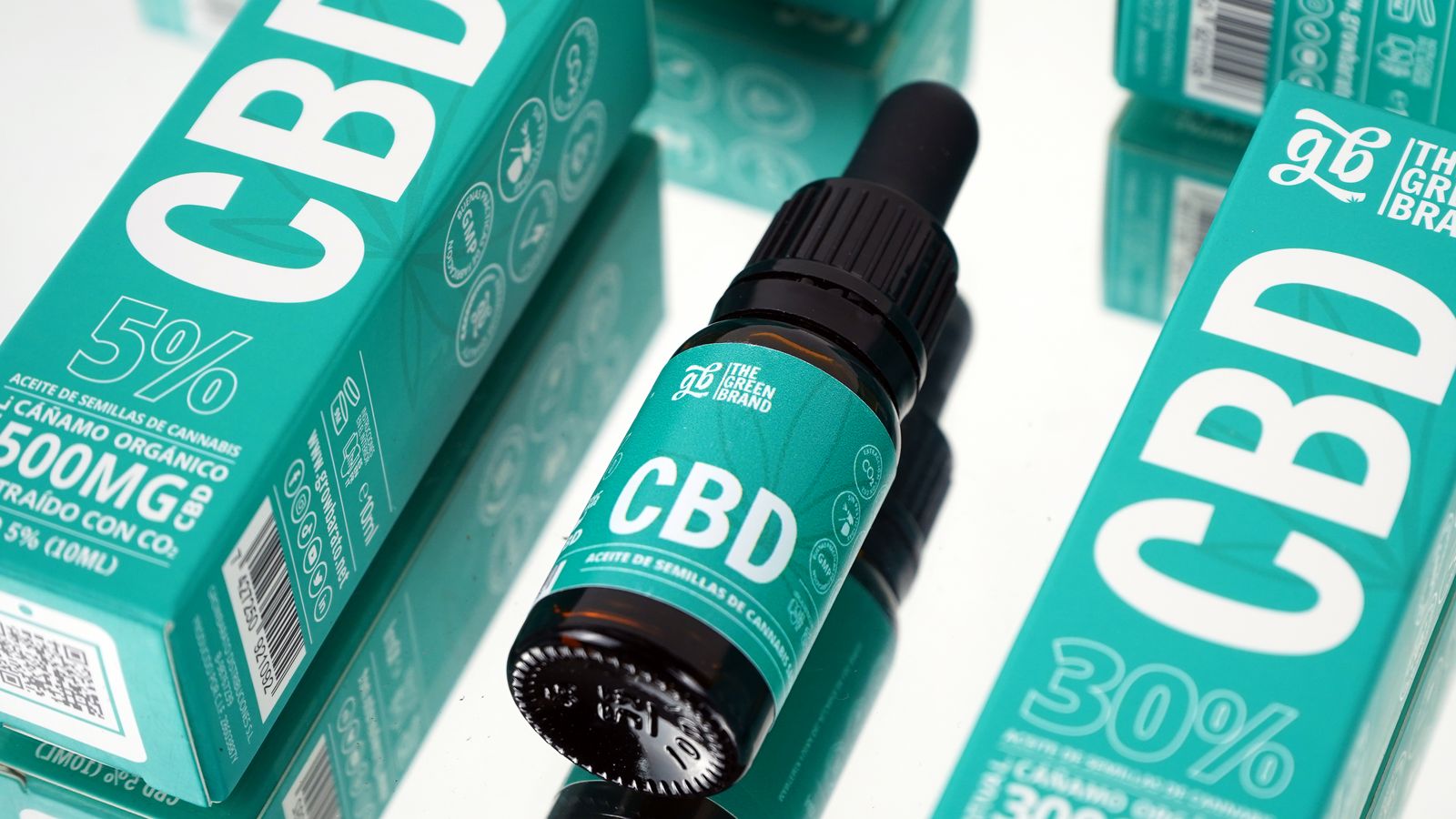
CBD oil and packaging on a reflective surface, highlighting organic hemp product.
White House Invites Legislative Action on Hemp Cannabinoids
The Trump administration told reporters June 10 it "welcomes the opportunity" to work with Congress on hemp-derived cannabinoid policy. The statement, first reported by CSP Daily News, marks the first public indication from the administration that it views the hemp-derived intoxicants issue as a legislative priority rather than a regulatory enforcement matter.
The White House didn't specify which congressional proposals it supports. No word on whether it favors a ban, age restrictions, or a federal licensing framework. No bill text has been released.
Regulatory Vacuum Persists Since 2018 Farm Bill
The 2018 Farm Bill legalized hemp—defined as cannabis with ≤0.3% delta-9 THC—but didn't address synthetic or semi-synthetic cannabinoids derived from hemp. That omission created a legal gray zone exploited by manufacturers of delta-8 THC, delta-10 THC, THC-O, and THCA products sold in gas stations, vape shops, and online retailers without state cannabis licensing.
The Drug Enforcement Administration has issued no formal guidance clarifying whether such products fall under the Controlled Substances Act. The Food and Drug Administration has issued warning letters to individual manufacturers but hasn't initiated a rulemaking.
States Fill Federal Void With Patchwork Bans
At least 22 states have enacted restrictions or outright bans on intoxicating hemp-derived cannabinoids since 2021. Colorado, Oregon, and New York have integrated hemp-derived products into their adult-use cannabis frameworks, requiring state testing and licensing. Texas banned delta-8 THC outright. So did Florida and North Carolina.
National retailers face compliance headaches from the patchwork. States with no hemp-cannabinoid laws have opened the door to untested, unregulated products.
Industry Split on Federal Intervention
Licensed cannabis operators have lobbied for federal restrictions, arguing that unregulated hemp products undercut state-legal markets. The National Cannabis Industry Association and several state MSO trade groups have called for Congress to close the hemp loophole by amending the Farm Bill or passing standalone legislation.
Hemp-derived intoxicants sold without testing or age verification pose a public-health risk and erode consumer trust in legal cannabis, according to multi-state operators who face higher compliance costs.
Hemp industry groups have pushed back, arguing that new restrictions would kill a sector that employs thousands of farmers and processors.
No Timeline for Congressional Action
The administration's statement didn't include a timeline or identify which committees would take the lead. The Senate Agriculture Committee and the House Energy and Commerce Committee both have jurisdiction over hemp policy, but neither has scheduled hearings on intoxicating cannabinoids in 2026.
Congressional aides said in May that hemp-cannabinoid reform could be attached to the 2027 Farm Bill reauthorization. No draft language has circulated publicly.
What to Watch
Will the White House submit formal legislative recommendations to Congress, or wait for a member-led bill? If the administration drafts its own framework, expect it to surface in committee hearings by late summer. For full background, see the CannIntel topic hub on federal hemp-derived cannabinoids regulation.
For complete background, history, and our ongoing coverage of this story:
Open the CannIntel topic hub →Frequently asked questions
What are hemp-derived cannabinoids?
Hemp-derived cannabinoids are intoxicating compounds like delta-8 THC, delta-10 THC, and THCA synthesized or extracted from hemp (cannabis with ≤0.3% delta-9 THC). The 2018 Farm Bill legalized hemp but did not address these derivatives, creating a legal gray zone.
Why hasn't the DEA or FDA regulated these products?
The DEA has issued no formal guidance on whether hemp-derived intoxicants fall under the Controlled Substances Act. The FDA has sent warning letters to some manufacturers but has not initiated a rulemaking. Both agencies have deferred to Congress.
Which states have banned delta-8 THC?
At least 22 states have restricted or banned intoxicating hemp-derived cannabinoids. Texas, Florida, and North Carolina have outright bans. Colorado, Oregon, and New York regulate hemp-derived products within their adult-use cannabis frameworks.
What would federal legislation likely include?
Potential provisions include age restrictions, testing and labeling requirements, a ban on synthetic cannabinoids, or integration of hemp-derived products into state-licensed cannabis markets. No draft text has been released.
Sources
The cannabis newsletter you forward to your team.
Federal policy, market data, grower alerts, and the one story that matters today. Sent every weekday at 7am. Free.
No spam. Unsubscribe with one click. 21+ only.
Related from Laws

Bronx Dispensary Accused of Selling Unlicensed Cannabis Products
A Bronx cannabis retailer faces allegations of selling products without proper state authorization.

North Carolina House Passes Hemp Age Limit After Stalled Regulations
The NC House approved a standalone age-restriction bill after comprehensive hemp regulation efforts collapsed in the Senate.

Hempstead and Lake Success Consider Lifting Cannabis Opt-Out
Two Nassau County villages weigh reversing local bans on adult-use dispensaries.
More from the newsroom

Cannabis Club Data Breach Exposes One Million Passport Records
Unsecured database containing customer passport scans and transaction logs left accessible for weeks before discovery.

Maine Recalls Cannabis Flower Strain Sold at Multiple Stores Statewide
State regulators pulled a cannabis flower product from shelves across Maine following safety concerns.

North Carolina House passes 21+ hemp age limit after full bill stalls
The standalone measure bypasses Senate resistance to broader hemp regulation and heads to Gov. Cooper's desk.