Texas Senator Pitches Casinos, Cannabis to Fund $1,500 Family Checks
A Texas senator floated casino gambling and cannabis revenue as the funding source for $1,500 family payments, per KSST Radio, but the signal supplies no bill number or cost estimate.

Close-up view of the Texas State Capitol dome in Austin with flags against a clear blue sky.
A Texas senator links family checks to casinos and cannabis
KSST Radio reported on November 16, 2026 that a Texas senator pitched casino gambling and cannabis as the funding mechanism for $1,500 family checks.
The headline question, "Where will the money come from?", frames the proposal as a revenue story first and a cannabis story second. What CannIntel has to work with is the headline and publisher attribution only. It doesn't name the senator, cite a bill number, or specify a tax rate. We won't guess at any of those.
That gap matters. A pitch isn't a filed bill, and Texas lawmakers have floated plenty of ideas that never reached a committee hearing.
Why the funding math is the real test
Any revenue plan built on legal cannabis in Texas has to start with what the state currently allows, and the answer is narrow.
Texas permits low-THC medical cannabis under the Texas Compassionate Use Program. Adult-use sales remain illegal. Casino gambling also remains barred outside of limited tribal and lottery exceptions. Both would require changes the Legislature has repeatedly declined to make, and casino expansion would likely require a constitutional amendment, a heavier lift than a statute.
So the proposal asks two politically difficult industries to carry a large, recurring payment. Whether the numbers close depends on tax rates and market size, and the signal provides neither. Big payouts, unknown inputs.
The hemp market is the unsettled variable
Texas already has a large, loosely regulated hemp-derived THC market, and any cannabis revenue plan collides with it.
Hemp products sold in Texas sit under the federal 0.3% delta-9 THC limit, measured on a dry-weight basis. The fight is over how that limit is read: delta-9 only, or total THC, which counts THCA that converts to delta-9 THC through decarboxylation when heated. Products built on that gap compete directly with whatever a licensed adult-use market would sell, and so do isomerization-derived cannabinoids such as delta-8.
A state that wants tax revenue from cannabis has to decide whether to fold that existing market into a taxed framework or regulate it separately. The signal says nothing about the senator's position on hemp. That's the question to put to the sponsor's office.
What to watch next
The proposal's viability turns on whether it becomes filed legislation with a fiscal note attached.
For Texas operators, hemp retailers and THCA sellers in particular, the practical read is to treat this as a signal of political interest, not a change in the rules. Current hemp law, and the enforcement posture around it, stays in place until the Legislature acts. Enforcement has varied from county to county, and that's likely to continue.
For more background on where Texas stands, see the CannIntel topic hub on Texas cannabis legalization. The next markers are a named sponsor, a bill number, and a Legislative Budget Board estimate. Until those appear, this is unsettled.
Sources
The cannabis newsletter you forward to your team.
Federal policy, market data, grower alerts, and the one story that matters today. Sent every weekday at 7am. Free.
No spam. Unsubscribe with one click. 21+ only.
Related from Laws

Pennsylvania Senate Democrat Says Adult-Use Not a 2027 Priority
The state's top Democratic senator said adult-use legalization is not among the high-priority items as his party prepares to take control of the Legislature in 2027.
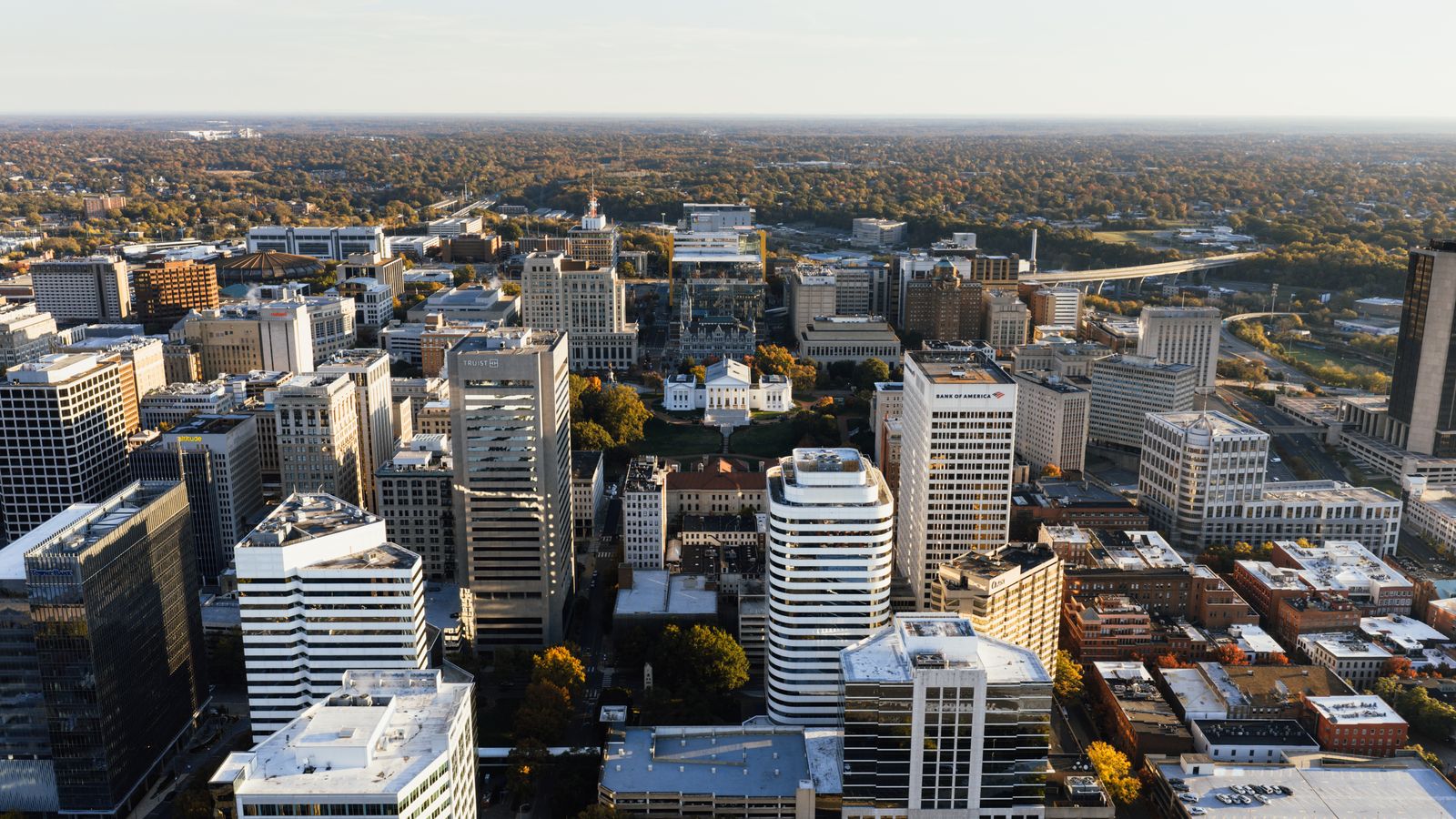
Virginia Committee Recommends Marijuana Law Changes for 2027
A Virginia legislative committee has proposed amendments to the state's marijuana legalization framework ahead of the 2027 General Assembly session, but the full recommendations are not yet public.

Cannabis Regulators Group Warns DEA Rescheduling Plan Strains State Supply
Cannabis Regulators Association executive Gillian Schauer says DEA's late-October medical marijuana actions leave states, patients and operators without a workable path.
More from the newsroom

Op-Ed Flags DEA Rescheduling Process as Source of Market Uncertainty
A Marijuana Moment op-ed argues DEA's handling of marijuana rescheduling has left state regulators, patients and licensed operators without a clear legal roadmap.

Testing Rules and Margin Pressure Dominate Cannabis Week of Nov. 9–15
A weekly roundup flags lab-testing rules and squeezed margins as the two forces shaping operator decisions, with import-dependent markets watching closely.

Wisconsin Democrat Says Legalization 'Definitely' Coming; GOP Leader Open
A top Wisconsin Senate Democrat predicted legalization next year while a Republican leader said he is open to discussing the issue, according to Marijuana Moment.