Taiwan Health Minister Opposes Legalizing Marijuana, Report Says
Taiwan News reported Oct. 12 that the health minister opposes legalization, a stance that bears on any attempt to reclassify cannabis under the Narcotics Hazard Prevention Act.

Breathtaking view of Taipei's skyline featuring the iconic Taipei 101 illuminated against the night sky.
What Taiwan News reported
Taiwan's health minister publicly opposed legalizing marijuana, according to a Taiwan News report dated Oct. 12, 2026.
The headline is the only detail CannIntel has confirmed. The report summary reviewed for this story doesn't name the minister's remarks beyond that opposition. It doesn't say where they were made, whether at the Legislative Yuan, at a press event or elsewhere, or what prompted them.
No bill number has been identified. No docket, no committee referral, no Executive Yuan draft. Not yet.
We aren't attributing any quote to the minister. Wording and rationale, along with any carve-outs for medical use, will be added once the full statement is verified against the primary report.
Where cannabis sits under Taiwan law
Cannabis is a Category 2 narcotic under Taiwan's Narcotics Hazard Prevention Act, and that classification is the baseline any reform would have to change.
The Act sorts controlled substances into four categories, and cannabis falls in Category 2. Scheduling decisions run through the Ministry of Health and Welfare and other agencies, which is why a health minister's public position carries procedural weight and not just political weight.
Legalization and medical access are different questions. The distinction matters here. The report summary doesn't say which one the minister addressed.
- Adult-use legalization would require rewriting the Act's prohibitions on possession, cultivation and sale, a job for the Legislative Yuan.
- Reclassification of cannabis or its compounds, such as THC or CBD, would turn on the scheduling process, where the health ministry's view is central.
- Medical pathways would depend on how regulators treat cannabis-derived drugs, a separate track from legalization.
Why the ministry's position matters to operators and investors
A health-ministry objection is a concrete obstacle for any Taiwan cannabis play, because the ministry sits inside the scheduling process.
That's an analytical read, not a reported fact from the signal. Still, the logic is plain. A reform bill that opens with the lead health agency opposed has a harder path than one that arrives with its backing. Investors pricing Taiwan exposure should treat adult-use legalization as a long-dated scenario until a bill is filed and a committee acts.
The regional comparison cuts the same way. Thailand decriminalized cannabis in 2022, then moved in June 2025 to require prescriptions for cannabis flower through its Ministry of Public Health. Asian regulators have shown they will tighten after loosening. A health ministry that opposes the first step makes a Thai-style rollback debate beside the point in Taipei. Taiwan hasn't taken that first step.
For operators in adjacent categories, including hemp-derived ingredients and CBD-labeled consumer goods, the practical risk is enforcement posture. Whether the minister's remarks signal any change there is unconfirmed.
What to watch next
The next verifiable signals are the full text of the minister's remarks, any Legislative Yuan bill filing, and any Executive Yuan or scheduling-review action.
- Primary-source remarks: the minister's exact statement, its venue and its date.
- Legislative filings: any amendment to the Narcotics Hazard Prevention Act, with a bill number and sponsoring caucus.
- Scheduling review: any notice from the health ministry or an inter-agency body on cannabis or cannabinoids.
- Medical-access signals: any statement separating therapeutic use from legalization.
For full background on this story, see the CannIntel topic hub on the Taiwan cannabis legalization debate.
Watch whether a lawmaker files an amendment to the Narcotics Hazard Prevention Act in response. Until a bill number exists, this is a position statement, not a policy fight.
Sources
The cannabis newsletter you forward to your team.
Federal policy, market data, grower alerts, and the one story that matters today. Sent every weekday at 7am. Free.
No spam. Unsubscribe with one click. 21+ only.
Related from Laws

Blanche Says Lucas Charges Aren't Aimed at State Cannabis Laws
The attorney general framed the federal case against Virginia's Senate president pro tem as conduct-based, not a move against state marijuana policy.

DOJ indicts Virginia lawmaker, six others over hemp THC shop
Federal prosecutors charged a Virginia state lawmaker and six others over a hemp THC operation, testing where hemp ends and marijuana begins.

New Jersey Bill Extending Hemp Drink Sales Advances
A bill to extend New Jersey hemp drink sales moved forward Oct. 22, but the public record behind the headline is thin.
More from the newsroom

Virginia Senator Faces Federal Marijuana and Fraud Charges
Marijuana Moment reported Oct. 22 that a top Virginia senator faces federal marijuana and fraud charges; the counts, court and named defendant await confirmation.

Survey of 7,913 German Patients Finds Pharmacy Cannabis Preferred
A survey of 7,913 German medicinal cannabis patients, nearly 90% with experience of both channels, points to the illegal market as a major source of stress.
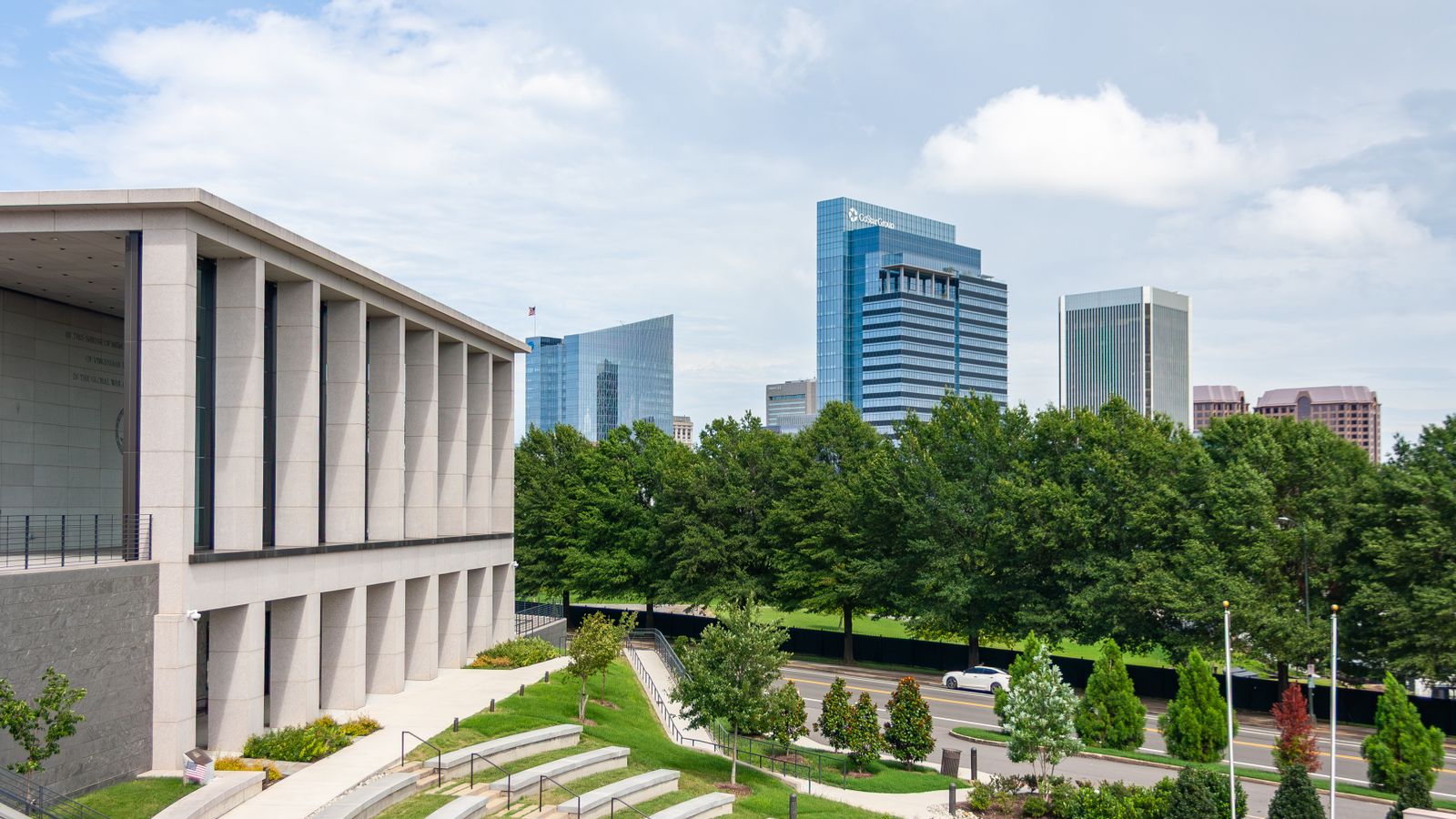
Virginia Sen. L. Louise Lucas indicted in marijuana business case
The Washington Post reported the indictment of Virginia's Senate president pro tempore, a figure in state cannabis debates. The charging details were not in the initial report.