South Africa's Mall Cannabis Shops Operate in Legal Gray Zone
Retail storefronts proliferate despite no commercial licensing framework five years after Constitutional Court ruling.

Street view of licensed cannabis retailer sign in urban setting with storefronts and cars.
Constitutional Ruling Created Private-Use Rights, Not Retail Framework
South Africa's 2021 Constitutional Court ruling decriminalized private cultivation and consumption but didn't authorize commercial sales. The Prince v President of the Law Society of the Cape of Good Hope decision struck down criminal penalties for adult possession and home cultivation. Legal experts call it a "use-without-supply" paradox.
The Department of Health hasn't promulgated regulations governing commercial cannabis retail, laboratory testing standards, or product labeling requirements. Provincial governments lack statutory authority to issue retail licenses under current law.
Retail Operations Rely on Loophole Interpretations
Storefront operators cite private-club membership models or "gifting" structures to claim legal cover. These frameworks attempt to fit retail transactions within the court's private-use protections, but legal scholars note the Constitutional Court ruling addressed individual rights, not commercial activity.
According to Wandile Sihlobo's analysis published August 25, the legal status of mall-based cannabis shops remains unresolved. No case law has tested whether membership-based sales or donation-plus-gift models satisfy the private-use standard articulated in the 2021 ruling.
The absence of a commercial regulatory framework leaves both operators and consumers without clear legal guidance or consumer protections.
Enforcement Remains Inconsistent Across Provinces
Police and municipal enforcement varies widely. Some jurisdictions tolerate retail operations while others conduct periodic raids. The South African Police Service hasn't issued national guidance on enforcement priorities for cannabis retail.
Mall operators in Gauteng province have reported mixed responses from local authorities. Some shopping centers permit cannabis tenants; others have terminated leases citing liability concerns. The Western Cape has seen higher enforcement activity, particularly in Cape Town's central business district.
Product Safety Oversight Absent Without Licensing Regime
No mandatory testing, labeling, or quality control standards apply to cannabis products sold in South African retail outlets. The South African Health Products Regulatory Authority (SAHPRA) hasn't extended its pharmaceutical oversight to cannabis retail products, leaving consumers without potency verification or contaminant screening.
Public health advocates note the regulatory vacuum creates risks for consumers purchasing products with unknown THC levels, pesticide residues, or microbial contamination. For context on South Africa's evolving cannabis framework, see the CannIntel topic hub on South Africa Cannabis Legalization.
Legislative Process Stalled Since 2022 Draft Bill
The Cannabis for Private Purposes Bill introduced in 2022 hasn't advanced to a parliamentary vote. The draft legislation proposed a licensing framework for commercial cultivation and retail but faced opposition from agricultural groups over land-use provisions and from law enforcement over trafficking concerns.
Parliamentary records show the bill remains in the Portfolio Committee on Justice and Correctional Services. No hearing schedule has been published for the 2026 legislative session. Industry groups estimate South Africa's informal cannabis market generates R3 billion to R5 billion annually. No tax revenue is captured under the current legal structure.
International Investors Await Regulatory Clarity
Foreign cannabis companies have paused South African market entry plans pending a commercial licensing framework. Canadian and European operators that entered preliminary discussions with local partners in 2022 and 2023 have shifted focus to markets with established regulatory systems.
The delay contrasts with neighboring countries' approaches. Lesotho established a medical cannabis export licensing regime in 2017; Zimbabwe authorized cultivation licenses in 2021. South Africa's regulatory uncertainty has positioned it behind regional competitors despite its larger consumer market and agricultural capacity.
The next legislative signal: whether the Cannabis for Private Purposes Bill receives committee scheduling in the September 2026 parliamentary session. Without statutory clarity, mall-based cannabis retail will continue operating in legal limbo.
Sources
The cannabis newsletter you forward to your team.
Federal policy, market data, grower alerts, and the one story that matters today. Sent every weekday at 7am. Free.
No spam. Unsubscribe with one click. 21+ only.
Related from Laws

New Jersey Bill Extending Hemp Drink Sales Advances
A bill to extend New Jersey hemp drink sales moved forward Oct. 22, but the public record behind the headline is thin.
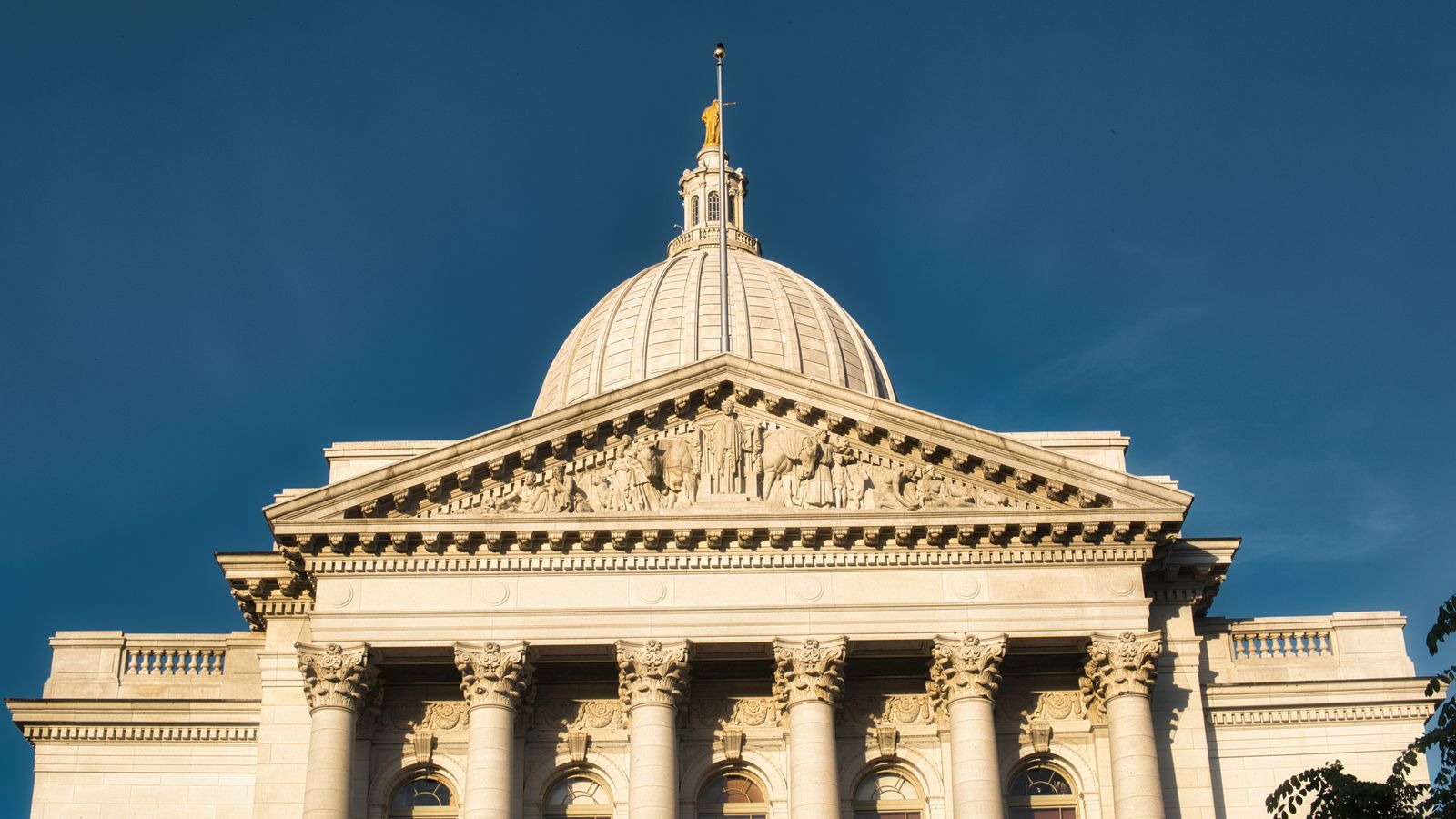
Wisconsin Governor Nominees Crowley, Tiffany Back Legalization in Debate
Democrat David Crowley and Republican Tom Tiffany both endorsed some form of marijuana legalization on the debate stage, but split on how far and how fast Wisconsin should go.

DEA Urges Judge to Wrap Up Marijuana Rescheduling Process
The DEA asked the judge overseeing marijuana rescheduling to finish the process and avoid side fights, Cannabis Business Times reported, as the Schedule III proposal nears its third year.
More from the newsroom

Survey of 7,913 German Patients Finds Pharmacy Cannabis Preferred
A survey of 7,913 German medicinal cannabis patients, nearly 90% with experience of both channels, points to the illegal market as a major source of stress.
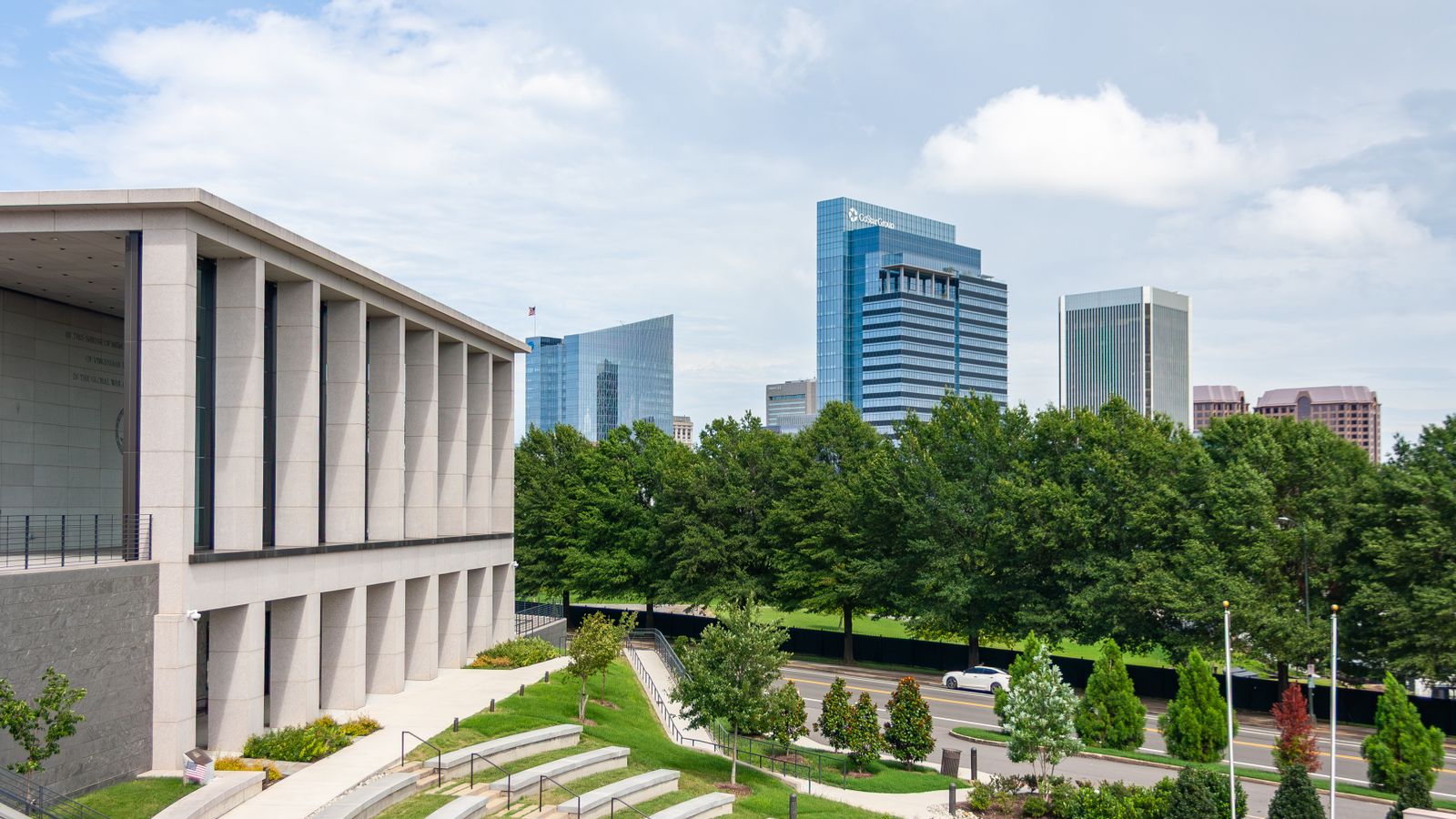
Virginia Sen. L. Louise Lucas indicted in marijuana business case
The Washington Post reported the indictment of Virginia's Senate president pro tempore, a figure in state cannabis debates. The charging details were not in the initial report.

Vireo Growth acquires Palatka cannabis facility for $21M
The multistate operator paid $21 million for a Palatka site, a hard-asset bet on Florida's medical market while Canada and Germany show the cost of overbuilding.