Senators File SAFE Banking Act as DEA Rescheduling Advances
Bipartisan coalition introduces marijuana banking protections while Trump administration moves cannabis to Schedule III.
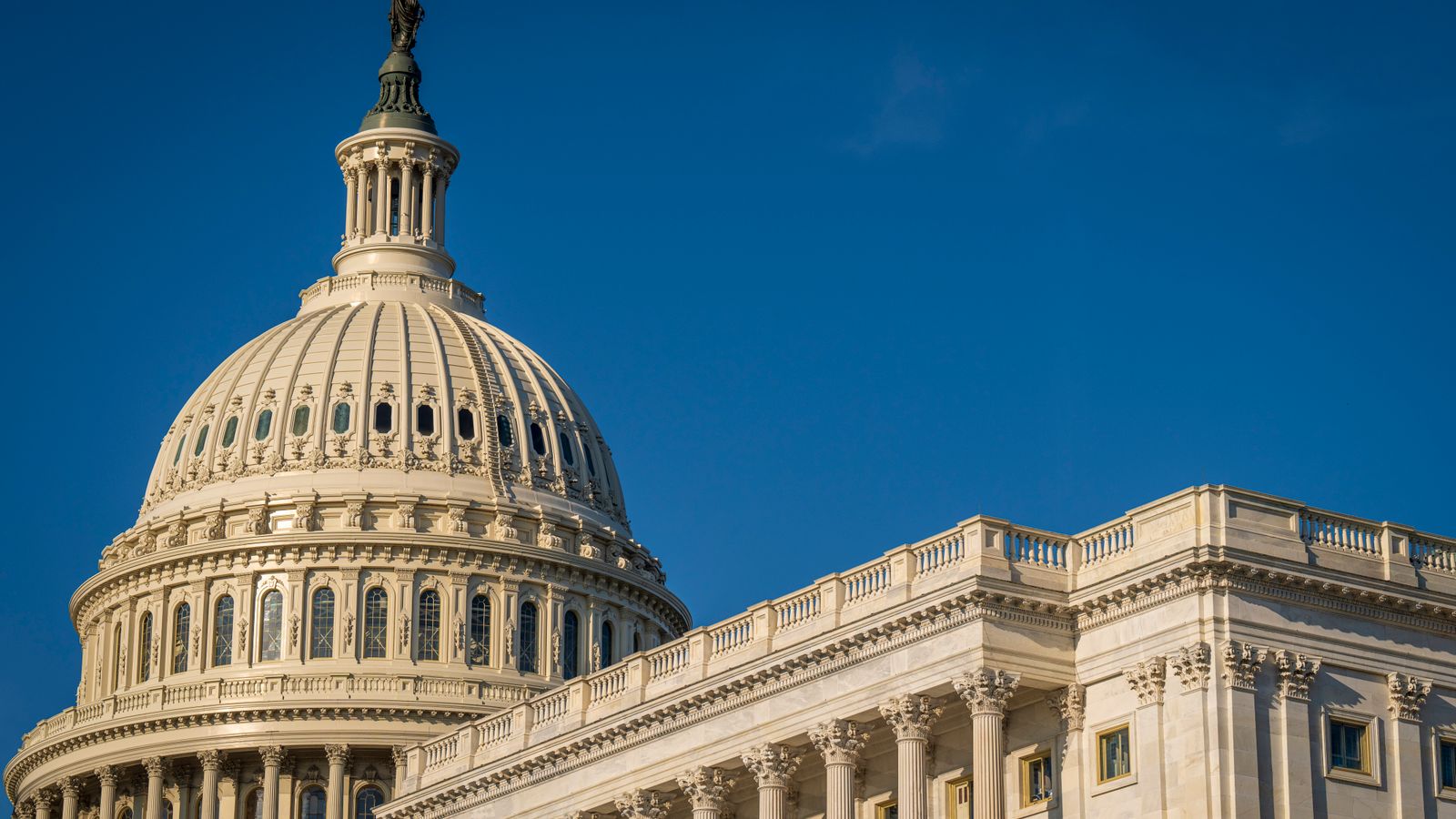
The iconic dome of the United States Capitol against a clear blue sky, showcasing its classical architecture.
Senate Banking Bill Filed Amid Federal Rescheduling Push
The SAFE Banking Act would prohibit federal regulators from penalizing banks and credit unions that provide accounts, loans, or payment services to state-licensed cannabis operators. Introduced June 25, the legislation marks the latest attempt to resolve the banking access crisis that's forced many marijuana businesses to operate on a cash-only basis since state legalization programs began in 2012.
Its filing coincides with ongoing DEA proceedings to move cannabis from Schedule I—the most restrictive category reserved for substances with no accepted medical use—to Schedule III, which includes prescription drugs like ketamine and anabolic steroids. Rescheduling won't address banking access directly. That process, initiated under the Trump administration, has reached the notice-and-comment stage but stops short of fixing the financial services gap.
Bipartisan Sponsors Span Banking and Judiciary Committees
The Senate version draws support from members of both the Banking Committee and Judiciary Committee, mirroring the cross-jurisdictional nature of cannabis policy reform. While the signal data doesn't name individual sponsors, the SAFE Banking Act has historically attracted co-sponsors from both parties. Earlier versions passed the House seven times between 2019 and 2023 yet stalled in the Senate.
Financial institutions have cited federal anti-money-laundering rules and the threat of asset forfeiture as primary barriers to serving cannabis clients, even in states where marijuana sales are legal. Neither the Federal Deposit Insurance Corporation nor the Office of the Comptroller of the Currency has issued formal safe-harbor guidance without congressional action.
Current Banking Landscape Forces Cash Operations
Roughly 60 percent of state-licensed cannabis dispensaries and cultivators lack access to basic checking accounts, according to 2025 industry surveys. That gap forces businesses to manage payroll, tax payments, and vendor invoices in cash. Security risks multiply. Compliance with state tax authorities becomes a logistical nightmare.
The Internal Revenue Service continues to enforce Section 280E of the tax code, which prohibits businesses trafficking in Schedule I or II substances from deducting ordinary business expenses. Rescheduling to Schedule III would eliminate that penalty, but it wouldn't resolve the banking access problem unless Congress passes legislation like the SAFE Banking Act.
Rescheduling Timeline and SAFE Act Path Forward
The DEA's rescheduling notice of proposed rulemaking entered the Federal Register in April 2026, triggering a 60-day public comment period that closed in mid-June. The agency must now review submissions and issue a final rule, a process that typically takes six to twelve months. Administrative law judges could extend that timeline if stakeholders request a formal hearing.
For the SAFE Banking Act to become law, it must pass both the Senate and House and receive the president's signature. Previous versions cleared the House but failed to advance in the Senate, where leadership prioritized comprehensive cannabis reform over standalone banking measures. Floor time remains uncertain. The bill's fate in the current Congress will depend on whether Senate leadership schedules a vote and whether opponents demand amendments or filibuster the measure.
For full background on this legislation's history and mechanics, see the CannIntel topic hub on the SAFE Banking Act.
Industry Implications and Operator Response
Multi-state operators and smaller licensees have cited banking access as a top-three operational challenge in every industry survey since 2018. Without depository accounts, businesses can't accept credit cards, process electronic payroll, or secure commercial loans at competitive rates. That dynamic has concentrated capital in the hands of private equity firms and family offices willing to provide high-interest debt financing.
State regulators in California, Illinois, and New York have urged Congress to pass banking protections, arguing that cash-heavy operations increase the risk of theft, tax evasion, and money laundering. The Financial Crimes Enforcement Network has issued guidance encouraging banks to file suspicious activity reports when serving cannabis clients. Fewer than 800 of the nation's 4,800 federally insured banks have opted to do so.
For complete background, history, and our ongoing coverage of this story:
Open the CannIntel topic hub →Frequently asked questions
What does the SAFE Banking Act do?
The SAFE Banking Act prohibits federal regulators from penalizing banks and credit unions that provide accounts, loans, or payment services to state-licensed cannabis businesses. It doesn't legalize marijuana federally but creates a safe harbor for financial institutions serving the industry.
Will rescheduling marijuana to Schedule III solve the banking problem?
No. Rescheduling to Schedule III eliminates the Section 280E tax penalty but doesn't address federal banking laws or anti-money-laundering rules that deter financial institutions from serving cannabis clients. Congressional action like the SAFE Banking Act is required.
How many times has the SAFE Banking Act passed the House?
The House has passed versions of the SAFE Banking Act seven times between 2019 and 2023. Each time, the bill stalled in the Senate, where leadership prioritized comprehensive reform over standalone banking measures.
What percentage of cannabis businesses lack bank accounts?
Industry surveys from 2025 indicate that roughly 60 percent of state-licensed cannabis dispensaries and cultivators operate without basic checking accounts, forcing them to manage payroll, taxes, and vendor payments in cash.
When will the DEA finalize marijuana rescheduling?
The DEA's notice of proposed rulemaking entered the Federal Register in April 2026, with a public comment period that closed in mid-June. The agency typically takes six to twelve months to review comments and issue a final rule, though administrative hearings could extend that timeline.
Sources
The cannabis newsletter you forward to your team.
Federal policy, market data, grower alerts, and the one story that matters today. Sent every weekday at 7am. Free.
No spam. Unsubscribe with one click. 21+ only.
Related from Laws
New Hampshire Lawmakers Push Veto Override on Medical Cannabis Greenhouse Bill
Legislative leaders seek two-thirds vote to reverse Governor's rejection of HB 1633, which would permit greenhouse cultivation for medical marijuana operators.

Texas Lt. Gov. Dan Patrick Targets Hemp THC in Legislative Push
Patrick escalates Texas cannabis fight with renewed call to restrict hemp-derived intoxicating cannabinoids ahead of 2027 session.

Greece Restricts CBD Sector Over Intoxicating Hemp Concerns
New regulatory framework limits cannabinoid products following rise in intoxicating hemp sales across European Union member states.
More from the newsroom

Missouri County Ordered to Refund Cannabis Tax After Illegal Levy
Harrison County must return tax revenue collected from dispensaries under a locally imposed levy ruled invalid by state law.

Virginia Advocates Urge Governor to Strip Public Consumption Penalty Hike
Reform groups are pressing Governor Glenn Youngkin to remove a provision that would increase fines for public marijuana use before signing the state's legalization bill.

Massachusetts Cannabis Industry Launches Campaign Against Repeal Measure
Industry coalition forms political action committee to fight November ballot question seeking to reverse adult-use legalization.