Pentagon Bars Military Cannabis Use Despite Federal Rescheduling
Defense Department reaffirms zero-tolerance policy for service members even as DEA moves marijuana to Schedule III.

A Turkish soldier with a rifle standing guard near a historic marble building in Istanbul.
Defense Department Maintains Zero-Tolerance Stance
The Pentagon's July 20 statement shuts down any speculation that DEA rescheduling would change military cannabis policy. Service members remain subject to Uniform Code of Military Justice Article 112a, which prohibits wrongful use of controlled substances regardless of their schedule classification under 21 U.S.C. § 812. That's according to the Department of Defense. The policy applies to all active-duty personnel, reservists, and National Guard members in federal status.
The announcement follows months of uncertainty within military communities as the DEA's proposed rule to reschedule marijuana advanced through notice-and-comment proceedings. Some advocacy groups had argued that Schedule III classification—placing cannabis alongside ketamine and anabolic steroids—would create legal ambiguity for military discipline. The Pentagon's statement eliminates that ambiguity.
Defense officials didn't specify whether the policy would extend to CBD products derived from hemp, which remain legal under the 2018 Farm Bill but have triggered positive drug tests in some service members due to trace THC content.
Article 112a Prohibition Covers All Controlled Substances
The Uniform Code of Military Justice doesn't distinguish between Schedule I, II, or III substances when prosecuting wrongful use. Article 112a criminalizes the wrongful use, possession, manufacture, or distribution of any controlled substance listed in 21 U.S.C. § 812. Maximum penalties? Dishonorable discharge and confinement. The statute's language makes no exception for substances with accepted medical use, the criterion that distinguishes Schedule III from Schedule I.
Marijuana's rescheduling changes nothing for military justice proceedings under this legal framework. A service member who tests positive for THC faces the same administrative and criminal consequences whether cannabis sits in Schedule I or Schedule III, and the Pentagon's medical and personnel policies likewise remain unchanged.
Implications for Recruitment and Veteran Transition
The policy creates a widening gap between military and civilian cannabis norms as 38 states now permit medical use and 24 allow adult recreational sales. Defense Department data show that prior marijuana use remains the single largest disqualifier for military enlistment, with roughly 11% of applicants requiring waivers for past cannabis consumption. Some recruitment commands have relaxed waiver standards in recent years to meet force-strength targets. Active use remains an absolute bar.
For transitioning veterans, the prohibition complicates access to state-legal medical cannabis programs. Veterans Affairs physicians can't recommend marijuana under federal law, forcing veterans to seek recommendations from private providers. The disconnect has fueled legislative efforts to allow VA doctors to discuss cannabis with patients, though no such bill has advanced to a floor vote in the current Congress.
What Comes Next
The DEA's final rule on rescheduling is expected by late 2026 following the close of the public comment period. Once published, the rule will take effect 60 days later unless Congress exercises its authority under the Congressional Review Act to block implementation. Even if rescheduling proceeds, the Pentagon's July 20 statement makes clear that no parallel policy shift will follow within the Department of Defense.
Military cannabis-policy reform advocates now face a steeper hill. The path forward likely requires either statutory change to Article 112a or a broader federal legalization framework that removes marijuana from the Controlled Substances Act entirely—neither outcome appears imminent. For now, service members operate under the same prohibition that's governed military drug policy since the Uniform Code of Military Justice was enacted in 1950.
Frequently asked questions
Will DEA rescheduling allow military personnel to use marijuana?
No. The Pentagon confirmed July 20, 2026, that marijuana remains prohibited for all service members regardless of its schedule classification. UCMJ Article 112a criminalizes wrongful use of any controlled substance listed in 21 U.S.C. § 812, with no exception for Schedule III substances.
What are the penalties for military cannabis use?
Under UCMJ Article 112a, wrongful use of marijuana can result in dishonorable discharge, reduction in rank, forfeiture of pay, and confinement. Administrative consequences include loss of security clearance and ineligibility for reenlistment.
Can veterans use medical marijuana from the VA?
No. Veterans Affairs physicians cannot recommend marijuana under federal law. Veterans seeking cannabis must obtain recommendations from private providers in states with medical programs. The VA will not deny benefits solely for cannabis use but cannot facilitate access.
Does prior marijuana use disqualify military enlistment?
Prior use may require a waiver but is not an absolute bar. Roughly 11% of applicants need waivers for past cannabis consumption. Active use at the time of enlistment remains a disqualifier.
Could Congress change military cannabis policy?
Yes. Congress could amend UCMJ Article 112a to exempt marijuana or remove cannabis from the Controlled Substances Act entirely. Neither reform has advanced in the current legislative session.
Sources
The cannabis newsletter you forward to your team.
Federal policy, market data, grower alerts, and the one story that matters today. Sent every weekday at 7am. Free.
No spam. Unsubscribe with one click. 21+ only.
Related from Laws

Nebraska Medical Cannabis Commission Sets Application, Licensing Fees
The commission advanced a fee structure for cultivators, processors, and dispensaries as the state prepares to launch its medical program.

Oklahoma THC Potency Inflation Persists as State Lab Opening Stalls
Lab shopping and inflated cannabinoid results continue unchecked while Oklahoma's regulatory testing facility remains unopened.

D.C. Circuit Weighs Whether DEA Rescheduling Violated Separation of Powers
Oral arguments today revisit a 2015 Yale Law Journal warning that executive control over drug scheduling had eroded constitutional boundaries.
More from the newsroom
Rantoul Places Cannabis Dispensary Question on November Ballot
Illinois village residents will vote on whether to permit adult-use cannabis retail alongside governance structure changes.

Cannabist Co. Closes Denver Facility, Lays Off 50 Workers
The multi-state operator shuttered its Colorado cultivation site as part of ongoing operational restructuring.
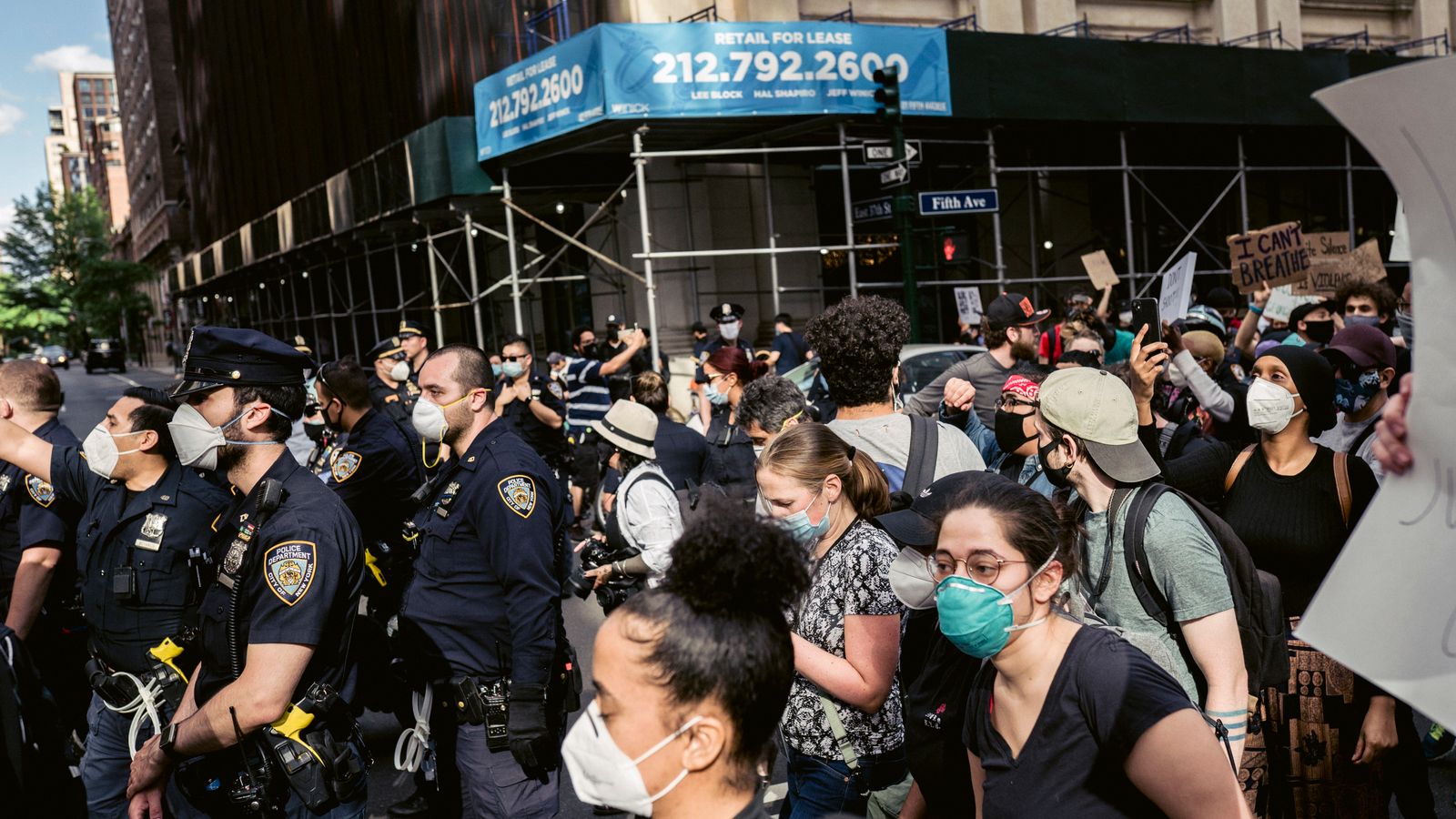
Cannabis Legalization Falls Short Without Expungement, Equity Programs
Legal markets leave thousands with records while new operators profit from reforms that bypass restorative justice.