Pennsylvania voters to decide cannabis legalization in November ballot
Recreational marijuana joins minimum wage and civil rights amendments on state ballot after legislative certification.

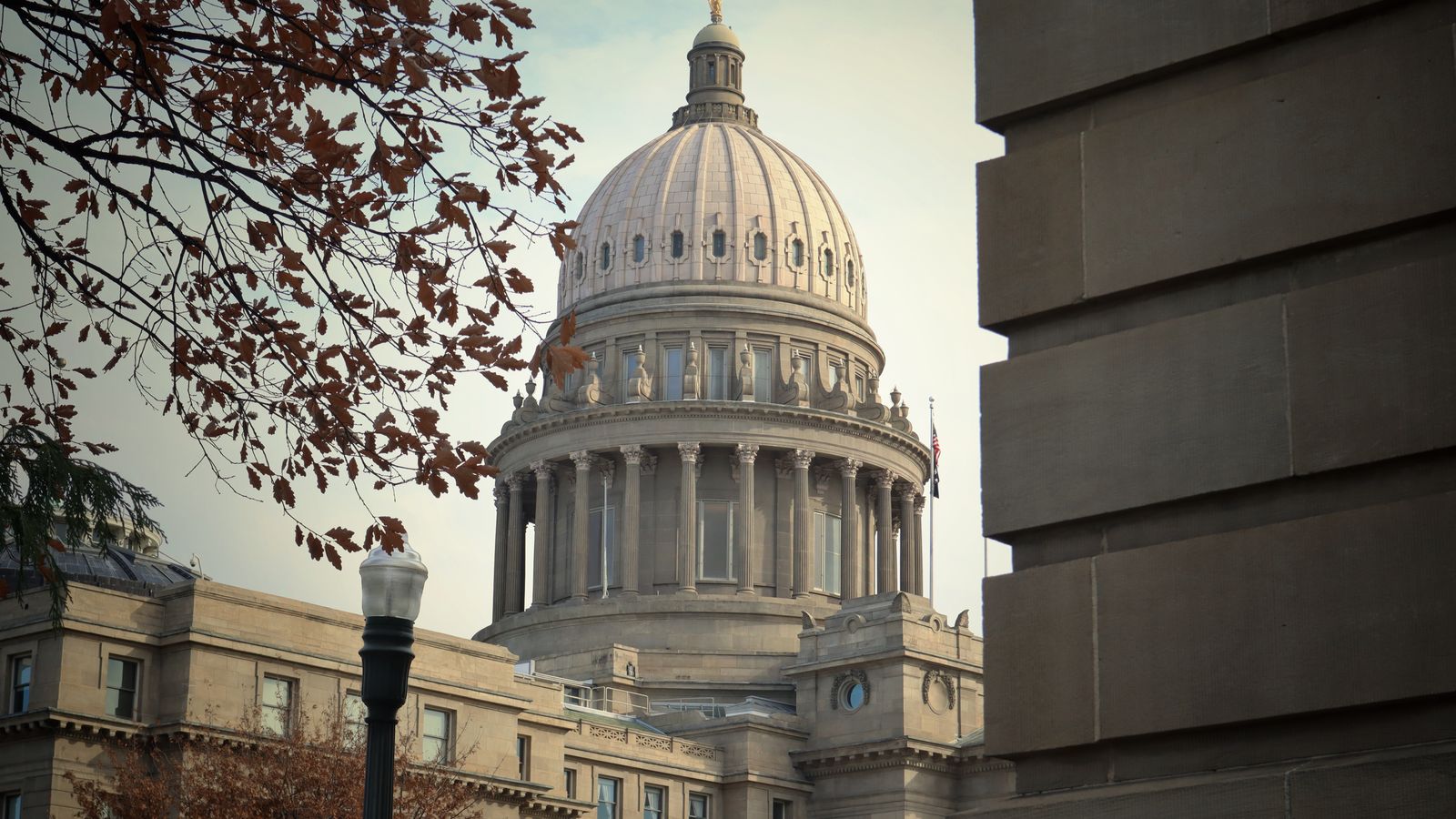
Stunning view of the classic dome of the Minnesota State Capitol in Saint Paul.
Ballot certification clears path for November vote
The Pennsylvania General Assembly certified three constitutional amendments for the November 2026 ballot on June 10, 2026, including adult-use cannabis legalization. Certification followed passage in two consecutive legislative sessions, as required under Article XI, Section 1 of the Pennsylvania Constitution for citizen-initiated amendments.
The cannabis measure would amend the Pennsylvania Controlled Substance, Drug, Device and Cosmetic Act to remove marijuana from Schedule I. Legalization would apply to adults 21 and older.
Legislative timeline and procedural path
The amendment passed the state House in April 2025 by a 108-95 vote and cleared the Senate 28-22 in September 2025. Both chambers approved identical language in the current session between January and May 2026, meeting the two-session requirement.
Pennsylvania doesn't permit direct ballot initiatives. Constitutional amendments require majority approval in both chambers across two consecutive two-year sessions before reaching voters.
Minimum wage and civil rights amendments also certified
The ballot will include a measure raising the state minimum wage to $15 per hour and another expanding civil rights protections to include sexual orientation and gender identity. All three questions cleared the same legislative procedural hurdles.
Pennsylvania's current minimum wage stands at $7.25 per hour. That matches the federal floor. The civil rights amendment would add protected classes to the Pennsylvania Human Relations Act.
Pennsylvania medical program context
Pennsylvania launched its medical cannabis program in 2018 under Act 16, which authorized dispensaries and grower-processors statewide. The state currently licenses 195 dispensaries and 26 grower-processor facilities, according to the Pennsylvania Department of Health.
More than 425,000 patients hold active medical cannabis cards as of May 2026. The medical program doesn't permit home cultivation. For full background on this issue, see the CannIntel topic hub on Pennsylvania cannabis legalization.
Polling and political landscape
A Franklin & Marshall College poll conducted in March 2026 found 58% of registered Pennsylvania voters support legalizing recreational marijuana. Support has climbed steadily from 52% in 2024.
Democratic lawmakers championed the measure. Republican leadership split, with suburban and southeastern legislators providing decisive votes in both chambers. Governor Josh Shapiro has publicly supported legalization since his 2024 campaign.
What happens if voters approve
Approval would trigger a 180-day implementation window for the General Assembly to pass enabling legislation establishing licensing, taxation, and regulatory frameworks. The constitutional amendment itself doesn't create a commercial market structure.
Lawmakers would need to draft statutes addressing cultivation licenses, retail permits, tax rates, local control provisions, and social equity programs—a complex undertaking that will require balancing competing interests across urban, suburban, and rural districts. Several bills have circulated in committee but none have advanced pending the ballot outcome.
The November 2026 general election is scheduled for November 3. Early voting begins October 19 under Pennsylvania's mail-in ballot statute.
Sources
The cannabis newsletter you forward to your team.
Federal policy, market data, grower alerts, and the one story that matters today. Sent every weekday at 7am. Free.
No spam. Unsubscribe with one click. 21+ only.
Related from Laws

TSA Permits Medical Marijuana on Flights Despite Federal Prohibition
Agency says screeners won't confiscate state-legal cannabis, but warns passengers still face federal prosecution risk.
Tennessee Bans THCA Products Statewide Effective Immediately
State regulators closed the hemp-derived THCA loophole, classifying all forms of tetrahydrocannabinolic acid as controlled substances.

Missoula Advances New Cannabis Dispensary Moratorium After Losing Per-Capita Lead
City council moves forward with licensing freeze as Montana's regulatory landscape shifts and dispensary density falls from national high.
More from the newsroom

One Dead, One Hospitalized After Cannabis Product From Ontario Dispensary
Garden River First Nation dispensary product under investigation after fatal incident in northern Ontario.

Cannabis Club Data Breach Exposes One Million Passport Records
Unsecured database containing customer passport scans and transaction logs left accessible for weeks before discovery.

Bronx Dispensary Accused of Selling Unlicensed Cannabis Products
A Bronx cannabis retailer faces allegations of selling products without proper state authorization.