Pennsylvania Bill Would Add Medical Marijuana Dispensary Permits
Legislation targets small and diverse businesses in state's tightly controlled medical program.
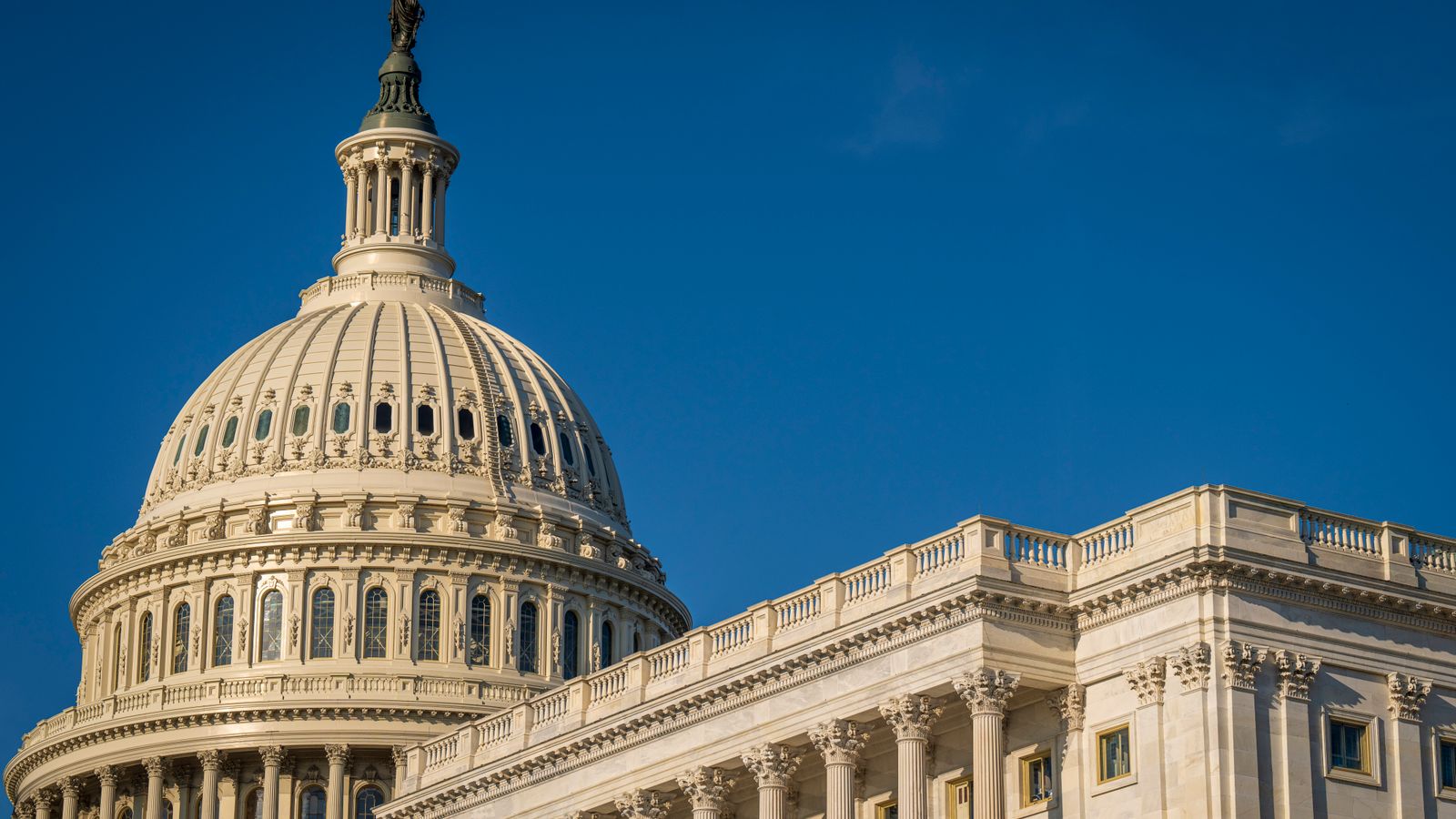
The iconic dome of the United States Capitol against a clear blue sky, showcasing its classical architecture.
New Permit Class Targets Market Consolidation
The Pennsylvania bill would establish a separate tier of dispensary licenses with eligibility restrictions designed to exclude existing permit holders and large operators. The legislation comes as the state's medical marijuana program, launched in 2018, has seen increasing consolidation among a handful of vertically integrated license holders.
Pennsylvania currently caps the number of dispensary permits. That creates a high-barrier market dominated by MSOs and well-capitalized regional players. The proposed carve-out represents a structural shift in how the state allocates access to its medical cannabis market.
Eligibility Criteria Focus on Size and Ownership
According to the bill's framework, qualifying applicants must meet both small-business revenue thresholds and diversity ownership requirements. The dual criteria mirror equity programs in states like Illinois and New York, which reserve a percentage of licenses for social-equity or economic-empowerment applicants.
The exact revenue cap and ownership percentage thresholds weren't specified in available reporting, but similar programs in other states typically define "small business" as annual revenues below $5 million to $20 million and require at least 51% ownership by individuals from underrepresented communities or areas disproportionately impacted by cannabis prohibition.
Pennsylvania's Department of Health, which oversees the medical marijuana program, hasn't yet issued implementation guidance. The bill's sponsors haven't disclosed whether the new permits would be subject to the same vertical-integration requirements that currently bind grower-processor and dispensary operations.
Legislative Timeline and Political Dynamics
The bill was introduced in the Pennsylvania General Assembly on July 11, 2026, and referred to the House Health Committee. Pennsylvania's legislative session runs through November 30, 2026, giving the measure a five-month window for committee markup, floor votes, and potential passage.
State legislators have debated adult-use legalization repeatedly since 2019 without success. Incremental medical-program reforms, though, have historically drawn bipartisan support. Governor Josh Shapiro has signaled openness to cannabis policy changes but hasn't taken a public position on dispensary permit expansion.
Pennsylvania's Medical Program by the Numbers
As of June 2026, Pennsylvania's medical marijuana program serves approximately 450,000 active patients across 200 dispensary locations operated by fewer than 30 permit holders. The state's grower-processor permits, capped at 25 statewide, are held by a mix of MSOs including Trulieve, Curaleaf, and Verano, alongside regional operators like Organic Remedies and Maitri Medicinals.
Dispensary permits aren't separately capped but are tied to grower-processor licenses, which can open up to six retail locations each. This structure has created a market where the largest operators control multiple dispensaries while smaller applicants face prohibitive barriers to entry.
For full background on this story, see the CannIntel topic hub on Pennsylvania's medical marijuana program.
Equity Programs in Other States Offer Mixed Results
Illinois, Massachusetts, and New York have all attempted social-equity licensing programs with varying degrees of success. Illinois's program, launched in 2020, awarded 185 conditional dispensary licenses to equity applicants. Fewer than 40 have opened as of mid-2026 due to financing challenges, zoning disputes, and delays in state approvals.
New York's Conditional Adult-Use Retail Dispensary (CAURD) program prioritized justice-involved individuals and awarded the state's first adult-use licenses to equity applicants in 2022. By 2026, however, lawsuits and regulatory bottlenecks have slowed the program's rollout.
The common failure mode? Reserved licenses without reserved capital. Small and diverse applicants often win permits but can't secure financing or real estate on terms that allow them to compete with MSOs holding dozens of licenses and access to institutional capital.
Industry Reaction and Operator Concerns
Existing Pennsylvania dispensary operators are likely to oppose the bill if it doesn't include a pathway for current permit holders to participate in the new license class. Trade groups representing MSOs have historically argued that market expansion without demand growth dilutes revenues for all operators and undermines program sustainability.
The tension is predictable: equity applicants need a protected lane to compete, but incumbents will argue that adding dispensaries in a medical-only market with flat patient counts simply spreads the same revenue across more operators.
Pennsylvania's patient count grew steadily from 2018 through 2023 but has plateaued near 450,000 since early 2024, according to Department of Health data. Without adult-use legalization or a significant expansion of qualifying conditions, new dispensaries would compete for a static patient base.
What Happens Next
The bill's fate hinges on whether it can clear the House Health Committee by September 2026 and reach a floor vote before the session ends in November. If passed, the Department of Health would need to write regulations defining eligibility criteria, application scoring, and permit allocation—a process that typically takes six to twelve months.
Key variables to watch: whether the bill includes a cap on the number of new permits, whether it allows permit transfers or sales, and whether it provides state-backed financing or technical assistance to equity applicants. Without those structural supports, the bill risks creating another round of conditional licenses that never open.
We'll be tracking committee hearings, stakeholder testimony, and any amendments that emerge as the bill moves through the legislative process.
Frequently asked questions
How many medical marijuana dispensaries does Pennsylvania currently have?
Pennsylvania has approximately 200 dispensary locations as of June 2026, operated by fewer than 30 permit holders. The state caps grower-processor permits at 25, each of which can open up to six retail locations.
What are the eligibility requirements for the new Pennsylvania dispensary permits?
The bill would require applicants to meet small-business revenue thresholds and diversity ownership requirements, though exact criteria have not been disclosed. Similar programs in other states typically cap revenues at $5-20 million and require at least 51% ownership by underrepresented individuals.
When could the new Pennsylvania dispensary permits be issued?
If the bill passes by November 2026, Pennsylvania's Department of Health would need to write regulations defining eligibility and application processes—a timeline typically requiring six to twelve months. Earliest permits could be awarded in late 2027.
Why are equity dispensary programs in other states struggling?
Illinois, Massachusetts, and New York equity programs have awarded hundreds of conditional licenses, but many have not opened due to financing challenges, zoning disputes, and regulatory delays. Reserved licenses without reserved capital leave equity applicants unable to compete with well-funded MSOs.
How large is Pennsylvania's medical marijuana patient base?
Pennsylvania's medical marijuana program serves approximately 450,000 active patients as of June 2026. Patient enrollment has plateaued since early 2024 after steady growth from 2018 through 2023.
Sources
The cannabis newsletter you forward to your team.
Federal policy, market data, grower alerts, and the one story that matters today. Sent every weekday at 7am. Free.
No spam. Unsubscribe with one click. 21+ only.
Related from Laws
Ohio Judge Blocks Hemp THC Cap on Dormant Commerce Clause Grounds
A federal court halted Ohio's 0.3% total-THC limit for hemp products, finding it likely violates interstate commerce protections.

NORML Intern Draws Parallels Between Alcohol, Cannabis Prohibitions
Summer intern Caroline Breen outlines structural failures shared by both 20th-century prohibitions in policy analysis.

Jamaica State Minister Defends Deliberate Cannabis Reform Approach
Government official characterizes industry restructuring as measured and focused on local stakeholder interests.
More from the newsroom

Curaleaf Eyes Spain's New Cannabis Framework for EU Pharma Push
The MSO is positioning its European subsidiaries to capitalize on Spain's regulatory shift toward medicinal cannabis.

Small Minnesota City Pauses Funding for Government-Owned Dispensary
A Minnesota municipality has suspended capital allocations for its planned public-sector cannabis retail facility amid budget concerns.

New York Unveils Cannabis Education Resources for Schools
State releases curriculum guides and teacher training materials as districts grapple with youth prevention in adult-legal market.