NSW Hemp Leaders Highlight Regulatory Overlap at Senate Inquiry
Industry witnesses told Australian senators that overlapping state and federal hemp rules create compliance chaos and stifle sector growth.
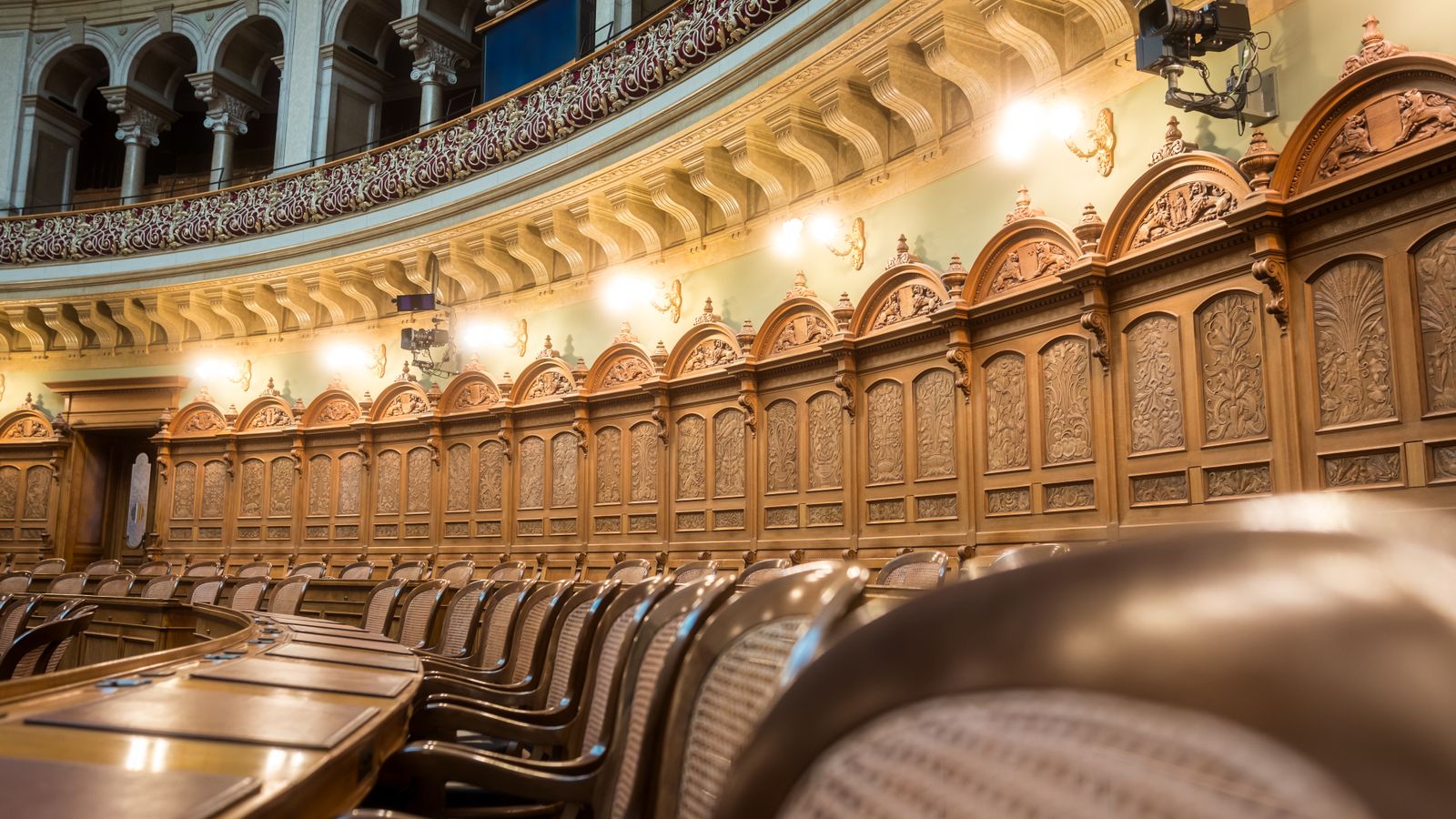
Interior view of the elegant Swiss Parliament council chamber in Bern, Switzerland.
Senate Inquiry Hears Industry Testimony on Regulatory Fragmentation
NSW hemp producers and processors told senators that Australia's patchwork regulatory framework imposes duplicative licensing costs and unpredictable enforcement. The inquiry, part of a broader review of agricultural hemp policy, heard from multiple industry representatives on May 27.
Witnesses described scenarios where hemp crops compliant under NSW Agriculture rules face federal TGA scrutiny if processed products cross state lines. One grower cited a shipment detained at the Queensland border. NSW's 1.0% total THC threshold exceeded Queensland's 0.3% delta-9 THC standard.
Conflicting THC Thresholds Create Interstate Trade Barriers
Australia's states apply different THC measurement standards — some using total THC, others delta-9 THC only — creating legal uncertainty for hemp farmers shipping across borders. NSW permits up to 1.0% total THC in field crops, while Queensland and Victoria enforce a 0.3% delta-9 limit aligned with U.S. federal standards.
Industry representatives said the lack of a uniform national standard forces producers to test every batch multiple times using different methodologies. Testing costs range from AUD $150 to $400 per sample depending on the cannabinoid panel required.
The delta-9-versus-total-THC distinction matters because THCA, the non-intoxicating precursor to delta-9 THC, converts to delta-9 when heated. A hemp flower testing at 0.25% delta-9 THC and 0.8% THCA would pass NSW's total-THC test (1.05% after conversion) but fail under a strict delta-9 standard.
Federal TGA Authority Overlaps with State Agriculture Licensing
Hemp producers must navigate dual licensing regimes: state agriculture permits for cultivation and federal TGA oversight for any product marketed with therapeutic claims. Witnesses said this split jurisdiction creates gray zones where neither agency provides clear guidance.
One processor described applying for a NSW hemp food license, a federal TGA low-THC exemption, and a separate export permit from the Department of Agriculture, Fisheries and Forestry. Three overlapping approvals for the same CBD oil product. Total application fees exceeded AUD $8,000 with a combined processing time of nine months.
Enforcement Inconsistency Across State Lines
Industry leaders cited cases where identical hemp products face different enforcement actions depending on the state of sale. A CBD topical legal in NSW was seized by South Australian health inspectors under an unapproved-therapeutic-goods provision, despite carrying no medical claims on its label.
Enforcement varies not just by state but by individual inspector interpretation, the inquiry heard. One company received conflicting guidance from two TGA officers on whether a hemp seed protein powder required a therapeutic goods license.
Industry Calls for National Harmonization Framework
Witnesses urged the Senate to adopt a uniform national THC standard and clarify jurisdictional boundaries between state and federal regulators. Proposed reforms include:
- A single Australia-wide THC threshold (either 0.3% delta-9 or 1.0% total THC) for all hemp crops and products
- Mutual recognition of state hemp licenses for interstate commerce
- Clear TGA exemption thresholds for low-THC hemp extracts sold as foods or cosmetics
- Centralized testing protocols to eliminate conflicting lab results
Industry groups estimate that regulatory harmonization could reduce compliance costs by 40% and unlock AUD $200 million in interstate trade currently constrained by legal uncertainty.
Economic Impact of Regulatory Fragmentation
Hemp sector representatives told senators that regulatory overlap depresses investment and limits export competitiveness. Australia's hemp industry generated approximately AUD $50 million in revenue in 2025, but growth has stalled as investors cite regulatory risk.
One NSW processor said his company declined a AUD $2 million expansion because the regulatory pathway for a new hemp-derived ingredient remained unclear after 18 months of agency consultations. Another witness noted that Canadian and European hemp producers operate under clearer national frameworks, giving them a competitive edge in Asian export markets.
What Happens Next
The Senate inquiry will compile testimony and issue recommendations by August 2026, but legislative action depends on federal-state coordination through the Council of Australian Governments. Previous attempts at hemp harmonization stalled in 2023 when states disagreed on THC thresholds.
For full background on this story, see the CannIntel topic hub on Australia Hemp Regulation.
We'll be watching whether the inquiry's final report includes binding recommendations or non-binding guidance. Binding recommendations would require state legislatures to amend agriculture acts, a process that typically takes 12-24 months. Non-binding guidance has historically produced limited state-level action.
Frequently asked questions
What is the difference between delta-9 THC and total THC in hemp regulation?
Delta-9 THC measures only the intoxicating cannabinoid in its active form. Total THC includes delta-9 THC plus THCA, the non-intoxicating precursor that converts to delta-9 when heated. A hemp sample with 0.3% delta-9 and 0.8% THCA would test at roughly 1.0% total THC after applying the standard 0.877 conversion factor.
Why do Australian states use different THC thresholds for hemp?
Australia lacks a uniform national hemp standard. NSW adopted a 1.0% total THC limit aligned with European Union rules, while Queensland and Victoria use 0.3% delta-9 THC matching U.S. federal law. Each state sets its own agriculture regulations, creating a patchwork system that complicates interstate commerce.
What regulatory changes did NSW hemp leaders propose at the Senate inquiry?
Industry witnesses called for a single Australia-wide THC threshold, mutual recognition of state hemp licenses for interstate trade, clear TGA exemption rules for low-THC hemp foods and cosmetics, and centralized testing protocols. They estimate harmonization could cut compliance costs by 40% and unlock AUD $200 million in constrained trade.
When will the Senate inquiry issue its hemp regulation recommendations?
The inquiry is scheduled to release its final report and recommendations by August 2026. However, any legislative changes require coordination through the Council of Australian Governments, and previous harmonization efforts stalled in 2023 when states disagreed on THC limits.
Sources
The cannabis newsletter you forward to your team.
Federal policy, market data, grower alerts, and the one story that matters today. Sent every weekday at 7am. Free.
No spam. Unsubscribe with one click. 21+ only.
Related from Laws
Six States Tighten Hemp Rules as Intoxicating-Cannabinoid Crackdown Widens
Delaware, Illinois, Nebraska, New Jersey, Pennsylvania, and Virginia moved this week to restrict or ban intoxicating hemp products.

Ghana Models New Cannabis Framework on Vermont's Regulatory System
West African nation adopts Vermont-style cultivation and retail model for its nascent legal market.

DOT Clarifies State Marijuana Laws Don't Override Federal Safety Rules
Federal transportation agency reminds safety-sensitive workers that state legalization doesn't permit cannabis use under DOT drug-testing protocols.
More from the newsroom
Cresco Labs Secures DEA Registrations for Medical Facilities Under Schedule III
Multi-state operator becomes first to publicly confirm federal facility registrations following cannabis rescheduling to Schedule III.

Pew Poll: 88% of Americans Now Support Legal Marijuana Access
New survey shows record-high support for legalization, with only 11% favoring total prohibition.

Michigan Medical Patients Cannot Fly With Cannabis, Despite State Law
Federal prohibition overrides Michigan's medical marijuana protections at airports, leaving cardholders at risk of arrest.