North Carolina Governor, House Speaker Clash on Marijuana Legalization
Democratic Governor Josh Stein and Republican House Speaker Tim Moore publicly disagreed on cannabis policy Wednesday, signaling a legislative stalemate.

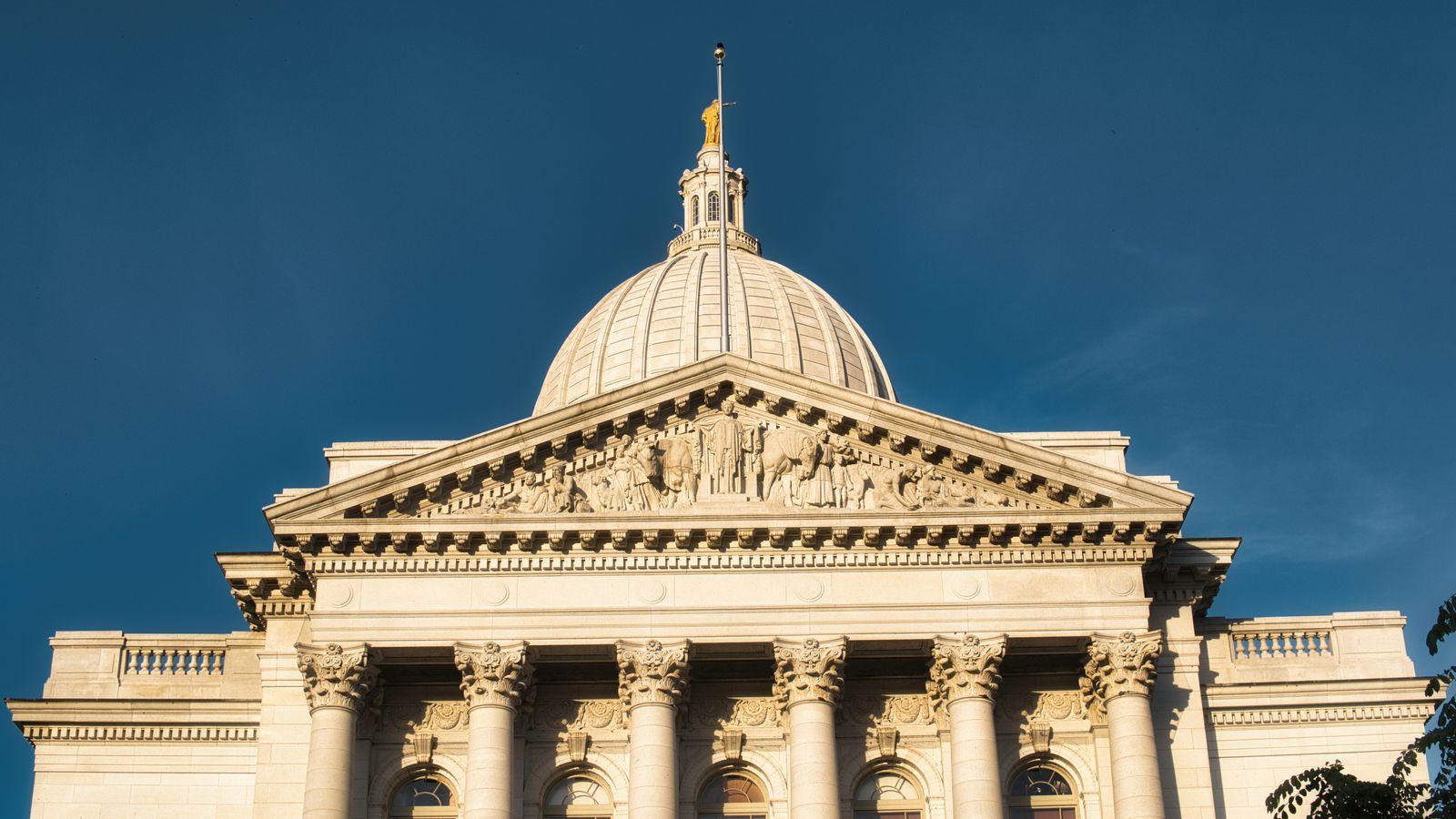
A stunning drone capture of Atlanta's skyline featuring the Georgia State Capitol.
Governor Calls for Adult-Use Framework
Governor Josh Stein told reporters Wednesday that North Carolina should join the 24 states that have legalized adult-use cannabis, citing tax revenue and criminal justice reform as primary justifications. Stein served as Attorney General for eight years before winning the governorship. He said his office is preparing draft legislation for introduction in the 2027 session. The governor didn't provide revenue projections or specify possession limits in his remarks.
Stein's statement represents the first time a sitting North Carolina governor has publicly endorsed adult-use legalization. His predecessor, Democrat Roy Cooper, supported medical cannabis but stopped short of advocating recreational sales. North Carolina's medical cannabis program, authorized under Senate Bill 3 in 2023, began patient enrollment in March 2025 and currently serves approximately 18,000 registered patients according to the North Carolina Department of Health and Human Services.
The timing is notable. The General Assembly convenes its short session in May 2027, and leadership typically finalizes the session calendar by December, which means Stein's announcement gives legislative opponents eight months to organize resistance before any bill reaches committee.
House Speaker Rejects Expansion
House Speaker Tim Moore responded within two hours, issuing a statement that the Republican-controlled House won't advance any cannabis measure beyond the existing medical program. Moore has led the House since 2015. He said the chamber's position hasn't changed since 2023, when the House initially opposed Senate Bill 3 before accepting a compromise that limited the medical program to non-smokable products and capped dispensary licenses at 10 per county.
Moore's statement didn't address Stein's specific arguments on revenue or criminal justice. The Speaker cited public safety concerns and said the House would focus on refining the medical program's regulatory framework. Moore didn't clarify whether the House would block a gubernatorial bill from reaching a floor vote or allow it to proceed to committee for a recorded vote. North Carolina's Republican legislative majority holds veto-proof supermajorities in both chambers, giving Moore and Senate leadership the procedural authority to prevent any bill from advancing.
The House's opposition is consistent with its 2023 posture. Moore and Judiciary Committee Chairman John Bradford led the effort to strip smokable flower from Senate Bill 3, a provision that remains in effect. North Carolina's medical program permits oils, tinctures, capsules, and topicals but prohibits flower sales, vaporization, and home cultivation. For background on North Carolina's medical framework and its legislative history, see the CannIntel topic hub on North Carolina Legalization.
Legislative Path Remains Narrow
Stein's proposal faces a steep procedural climb even if he submits a bill through a Democratic sponsor. The House Judiciary Committee, chaired by Bradford, hasn't scheduled a cannabis hearing since Senate Bill 3 passed in 2023. Senate leadership hasn't commented on Stein's remarks, but Senate President Pro Tempore Phil Berger told the News & Observer in April 2026 that the Senate wouldn't revisit cannabis policy until the medical program's three-year review in 2028.
North Carolina's legislative calendar limits the governor's options. Short sessions, held in even-numbered years, typically run eight to twelve weeks and focus on budget adjustments and non-controversial bills. Controversial measures, including any cannabis expansion, are typically reserved for long sessions in odd-numbered years. If Stein's bill doesn't advance in the 2027 short session, the next realistic opportunity would be the 2029 long session, after the 2028 elections.
The governor can't force a floor vote through executive action. North Carolina's separation-of-powers structure gives the General Assembly sole discretion over legislative calendars and committee assignments. Stein's most direct path is public pressure, a strategy that hasn't historically moved Republican leadership on cannabis policy. Moore and Berger have both stated in prior sessions that they don't view legalization as a priority issue for their caucuses.
Sources
The cannabis newsletter you forward to your team.
Federal policy, market data, grower alerts, and the one story that matters today. Sent every weekday at 7am. Free.
No spam. Unsubscribe with one click. 21+ only.
Related from Laws
Ohio Judge Blocks Hemp THC Cap on Dormant Commerce Clause Grounds
A federal court halted Ohio's 0.3% total-THC limit for hemp products, finding it likely violates interstate commerce protections.

NORML Intern Draws Parallels Between Alcohol, Cannabis Prohibitions
Summer intern Caroline Breen outlines structural failures shared by both 20th-century prohibitions in policy analysis.

Jamaica State Minister Defends Deliberate Cannabis Reform Approach
Government official characterizes industry restructuring as measured and focused on local stakeholder interests.
More from the newsroom

Curaleaf Eyes Spain's New Cannabis Framework for EU Pharma Push
The MSO is positioning its European subsidiaries to capitalize on Spain's regulatory shift toward medicinal cannabis.

Small Minnesota City Pauses Funding for Government-Owned Dispensary
A Minnesota municipality has suspended capital allocations for its planned public-sector cannabis retail facility amid budget concerns.

New York Unveils Cannabis Education Resources for Schools
State releases curriculum guides and teacher training materials as districts grapple with youth prevention in adult-legal market.