New Zealand Landlords Face Liability When Tenants Cultivate Cannabis
Property owners can be prosecuted under the Misuse of Drugs Act even without knowledge of illegal grows.
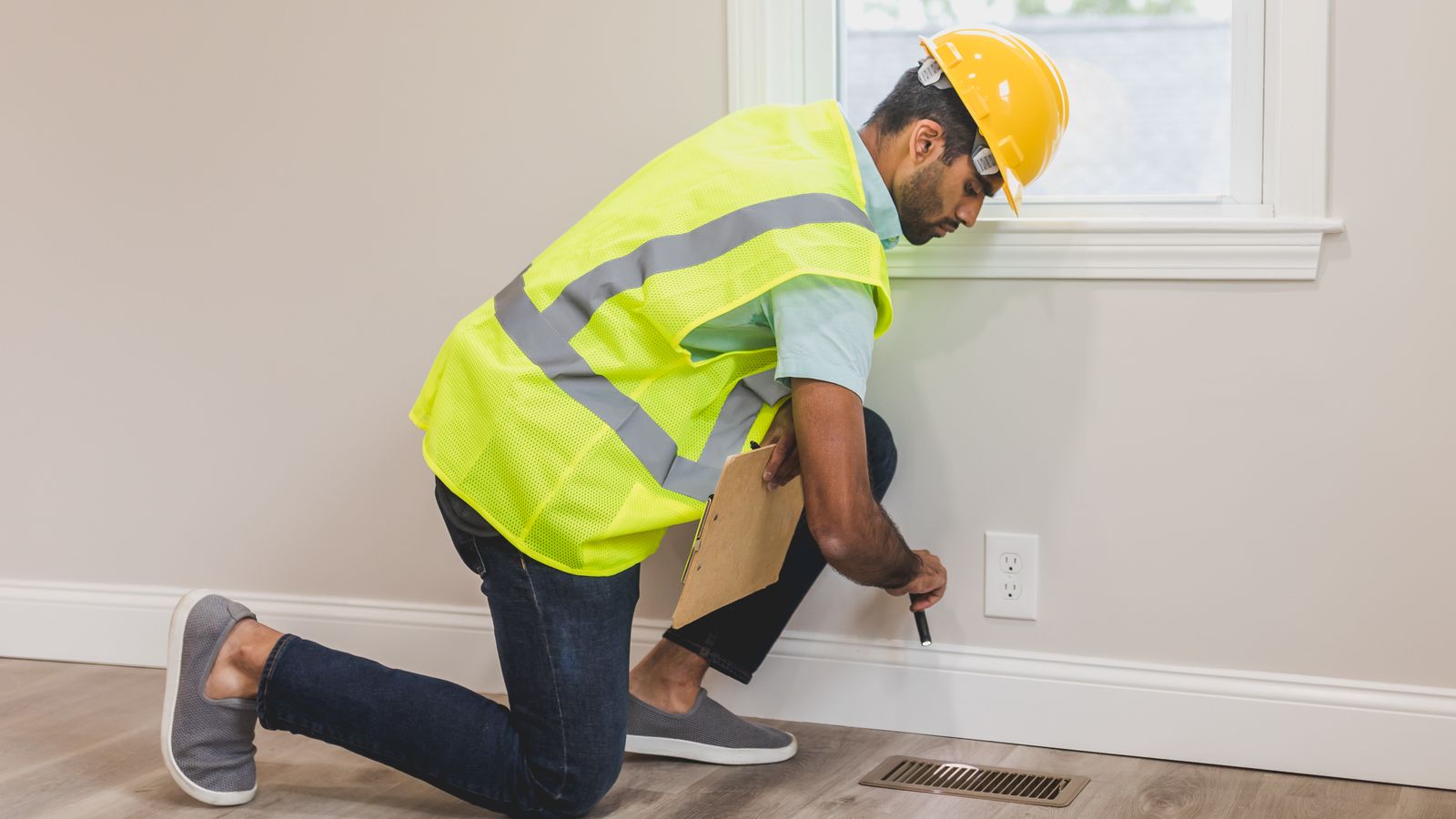
Construction worker conducting a home inspection indoors, using tools near a vent.
Strict Liability Under the Misuse of Drugs Act
Landlords can be charged with permitting premises to be used for drug offences under Section 12 of the Misuse of Drugs Act 1975, which carries penalties up to three years' imprisonment or fines up to NZ$500,000. The statute doesn't require proof of knowledge or intent. On a strict reading, the Crown need only establish that cultivation occurred on premises under the landlord's control.
The liability threshold is objective: did the landlord know or ought the landlord to have known? Routine property inspections, tenant screening, and response protocols become evidentiary markers. Prosecutors assess whether a landlord exercised reasonable diligence.
Immediate Reporting and Eviction Requirements
Upon discovering cannabis cultivation, landlords must file a police report within 24 hours and initiate eviction proceedings under the Residential Tenancies Act 1986 to establish a defense of good faith. Delay in either step can be interpreted as acquiescence or willful blindness.
Eviction for illegal activity falls under Section 56(1)(b) of the Residential Tenancies Act, which permits termination with 14 days' notice for unlawful use of premises. Landlords must document the discovery date, photographic evidence, and all communications with police and the Tenancy Tribunal. Legal practitioners recommend preserving metadata on inspection reports and timestamped incident logs.
- File police report immediately upon discovery
- Serve 14-day termination notice citing unlawful use
- Apply to Tenancy Tribunal for possession order if tenant contests
- Secure premises and remediate property damage
Insurance Exclusions and Property Damage
Standard landlord insurance policies in New Zealand exclude coverage for damage arising from illegal activity, leaving property owners liable for remediation costs that can exceed NZ$50,000 per grow operation. Mold remediation, electrical rewiring, structural repairs, and hazardous-waste removal are common post-cultivation expenses.
Insurers typically deny claims under "illegal acts" exclusions. Some policies void coverage entirely if the landlord failed to conduct required inspections. For full background on cannabis property law, see the CannIntel topic hub on New Zealand Cannabis Cultivation Laws.
Property owners should verify inspection frequency requirements in their policy schedules. Quarterly inspections are now standard for high-risk properties. Failure to inspect within policy terms can trigger coverage denials even for unrelated claims — a costly oversight that compounds the financial damage from an illegal grow.
Frequently asked questions
Can a landlord be prosecuted if they didn't know about cannabis cultivation?
Yes. Section 12 of the Misuse of Drugs Act 1975 imposes strict liability for permitting premises to be used for drug offences. The Crown must prove only that cultivation occurred on the landlord's property, not that the landlord had actual knowledge. Courts assess whether the landlord ought to have known through reasonable inspections.
What steps must a landlord take immediately upon discovering cannabis cultivation?
File a police report within 24 hours and serve a 14-day termination notice under Section 56(1)(b) of the Residential Tenancies Act 1986 for unlawful use. Document discovery with photographs, timestamped logs, and inspection records. Apply to the Tenancy Tribunal for a possession order if the tenant contests eviction.
Does landlord insurance cover damage from tenant cannabis grows?
No. Standard policies exclude damage arising from illegal activity under "illegal acts" clauses. Remediation costs—including mold abatement, electrical repairs, and hazardous-waste removal—are the landlord's responsibility. Some insurers void coverage entirely if required inspections weren't conducted.
How often should landlords inspect rental properties to avoid liability?
Quarterly inspections are now standard for compliance with insurance policies and to establish due diligence. Inspection records with timestamps and photographic evidence are critical for defending against criminal charges or insurance denials. Check your policy schedule for specific frequency requirements.
What penalties do landlords face under the Misuse of Drugs Act?
Section 12 violations carry penalties up to three years' imprisonment or fines up to NZ$500,000. Sentencing depends on the scale of cultivation, landlord conduct, and whether the landlord took timely remedial action. Prior offences or evidence of willful blindness increase exposure.
Sources
The cannabis newsletter you forward to your team.
Federal policy, market data, grower alerts, and the one story that matters today. Sent every weekday at 7am. Free.
No spam. Unsubscribe with one click. 21+ only.
Related from Laws

Ohio Federal Judge Blocks Hemp Ban for Ten Businesses
Preliminary injunction halts enforcement of Ohio's hemp product restrictions against named plaintiffs pending trial.

Thailand Restricts Cannabis to Medical Use in Regulatory Reversal
New regulations end Thailand's brief experiment with decriminalized recreational cannabis, limiting access to medical applications only.

New Zealand Landlords Face New Cannabis Cultivation Liability Rules
Radio New Zealand outlines property-owner exposure under updated enforcement guidance issued by New Zealand Police.
More from the newsroom

South Africa's Cannabis Debate Exposes Gap in Public Health Messaging
Industry voices push back on conflicting government statements as legal cannabis market struggles to gain traction.

Local Cannabis Cultivators Face Margin Squeeze From Cheap Imports
Domestic growers confront rising competition from low-cost foreign flower as trade barriers erode and wholesale prices compress.

Pennsylvania Governor Candidates Stake Out Cannabis Positions Ahead of 2026 Race
Garrity and Shapiro outline divergent paths on adult-use marijuana, hemp regulation, and expungement policy as gubernatorial contest takes shape.