Nebraska Growers Face Years-Long Wait for Cannabis Testing
Cannabis Equipment News reported Nebraska growers may wait years for testing capacity, a gap with direct 280E and inventory consequences for licensees.
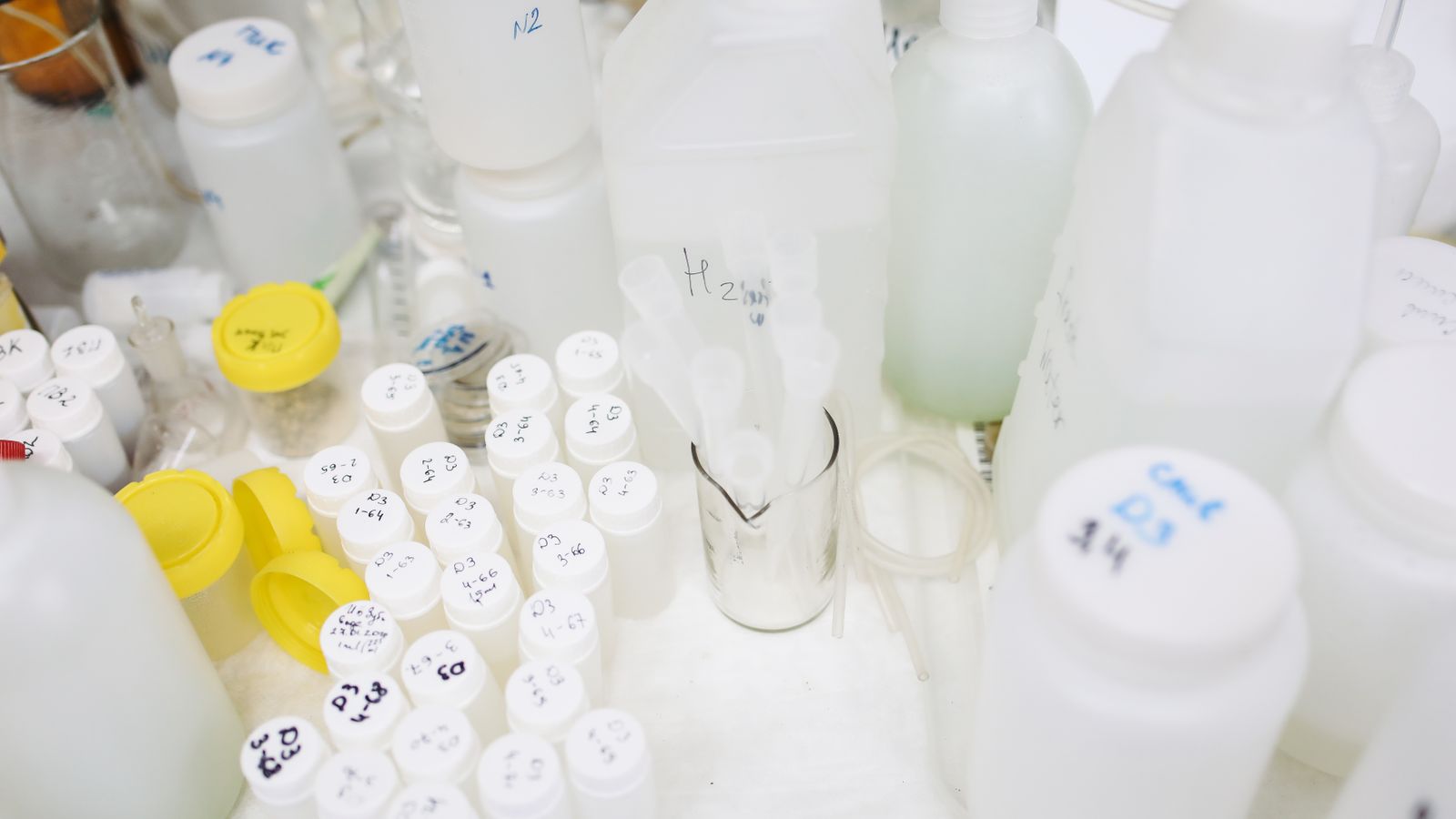
Collection of plastic bottles and containers in a laboratory setting, used for scientific research.
What the report says, and what it leaves open
Cannabis Equipment News reported on Oct. 20, 2026 that Nebraska cannabis growers may have to wait years for testing. The headline is the only part of the report CannIntel could confirm at publication.
It doesn't say which agency set the timeline, whether the holdup is lab licensing, accreditation or rulemaking, or when the clock started. We aren't going to guess. Those details decide whether this is a delay or a design flaw.
Still, the premise carries weight on its own. Nebraska's medical program, approved by voters, can't move product without a compliance-testing channel.
Why testing is the chokepoint
In a licensed medical market, testing sits between harvest and sale, so no lab capacity means no product on shelves. Potency (THC and THCA), pesticide residues, heavy metals and microbial contaminants are the usual panels. Terpene profiles such as myrcene are often reported too, though they're rarely the gating item.
On a strict reading of most state frameworks, a batch that hasn't passed a licensed lab isn't saleable. It sits. Growers can plant and harvest, but they can't convert that harvest to revenue.
Labs also need accreditation, typically to ISO/IEC 17025, and that process takes time and capital. A lab can't earn its keep until growers have product to test, and growers can't sell until the lab is open. That's a classic sequencing trap.
The 280E problem for growers stuck waiting
Under IRC §280E, a trafficking business can't deduct ordinary operating expenses, so every month of unsellable inventory is a month of unrecoverable carrying cost. Section 280E bars deductions and credits for businesses trafficking in Schedule I or II controlled substances. The one carve-out is cost of goods sold under IRC §471.
Here's where delay bites. Rent, labor and utilities for a cultivation site may be capitalized into inventory, but they only convert to a deduction when product sells. Nothing sells, nothing recovers.
A grower holding a harvest for months can book real tax liability before it books a dollar of revenue. The math is brutal.
Testing delays are not just a supply problem. Under 280E, they become a tax problem, because costs capitalized into inventory can't be recovered until a compliant sale occurs.
What operators and applicants should be doing now
Licensees should treat the testing gap as a cash-flow and tax-planning variable, not a regulatory footnote. The Internal Revenue Service hasn't carved out relief for stranded inventory, and Nebraska's own revenue code treatment should be confirmed with counsel rather than assumed.
A short checklist applies:
- Model inventory carrying costs under §471 with no revenue offset for 12 to 24 months.
- Document every cost allocation to cultivation, since §280E disputes turn on records.
- Ask regulators in writing whether a batch that can't be tested may be held, transferred or must be destroyed.
The last question matters most. How an abandoned or destroyed batch is treated for tax purposes is fact-specific, and the answer starts with what the state allows.
What to watch in Nebraska
The decisive facts are the lab-licensing timeline and whether regulators allow any interim testing pathway. For full background on this story, see the CannIntel topic hub on the Nebraska Medical Cannabis Program.
Other states have run this film before, and the pattern is consistent: cultivation licenses issue first, labs come later, and growers absorb the gap. I'd say Nebraska regulators have a clear choice here, and sequencing lab licenses ahead of cultivation harvests is the obvious fix.
Watch for the next signal: any published rule, bulletin or commission agenda item that sets a firm date for the first licensed testing lab in Nebraska. Until one appears, planning around a multi-year gap is the safer assumption.
For complete background, history, and our ongoing coverage of this story:
Open the CannIntel topic hub →Frequently asked questions
Why does cannabis testing delay hurt Nebraska growers?
Licensed medical markets generally require compliance testing before sale. If no licensed lab is operating, harvested product can't be cleared, so growers carry cultivation costs without revenue. That strains cash flow and can worsen tax exposure under IRC §280E.
How does IRC §280E affect growers waiting on testing?
Section 280E disallows deductions and credits for businesses trafficking in Schedule I or II substances, except cost of goods sold under IRC §471. Costs tied to unsold inventory generally aren't recovered until a sale occurs, so delays extend the period of unrecovered costs.
Did the report say which Nebraska agency set the testing timeline?
CannIntel could confirm only the headline: growers may wait years for testing. We could not verify the responsible agency, the cause of the delay, or specific dates, and we haven't included unconfirmed details.
What should Nebraska licensees do about the testing gap?
Model at least 12 to 24 months of carrying costs, document cost allocations carefully for §280E and §471 purposes, and ask regulators in writing how untestable batches may be held, transferred or destroyed. Consult a tax professional on state treatment.
Sources
The cannabis newsletter you forward to your team.
Federal policy, market data, grower alerts, and the one story that matters today. Sent every weekday at 7am. Free.
No spam. Unsubscribe with one click. 21+ only.
Related from Laws

Colorado audit finds slow, lax oversight let tainted cannabis through
A new state audit says Colorado's cannabis regulators move too slowly and rely on rules too loose to keep potentially contaminated products off shelves.
Colorado State Audit Finds Safety Gaps in Marijuana Testing Rules
A state audit found gaps in Colorado's marijuana product testing rules, putting the Marijuana Enforcement Division's oversight of lab compliance under scrutiny.

New Jersey Weighs CREAMMA Drug-Testing Amendment for Safety Jobs
A JD Supra report says New Jersey is considering a CREAMMA amendment on drug testing for safety-sensitive positions. Key details remain unpublished.
More from the newsroom

St. Anthony Village Sets Up Minnesota's Second City-Owned Dispensary
The Twin Cities suburb is set to follow the municipal-store model into cannabis retail, and operators should read it as a pricing and policy signal.

Missouri Legal Cannabis Market Captures 93% of Consumer Spending
MJBizDaily's Oct. 20 report puts the regulated share of Missouri consumer spending at 93%, leaving 7% outside the legal channel.

Study Links Illinois Dispensary Openings to Nearby Business Gains
Researchers at CUNY, Northern Illinois University and the University of Miami tied new Illinois dispensaries to higher foot traffic, purchases and revenue at neighboring businesses.