Michigan Democrat Warns Cannabis Industry Against GOP Tax Cut Pledge
A Democratic state senator cautioned Michigan cannabis operators not to trust a Republican gubernatorial candidate's promise to reduce cannabis excise taxes.

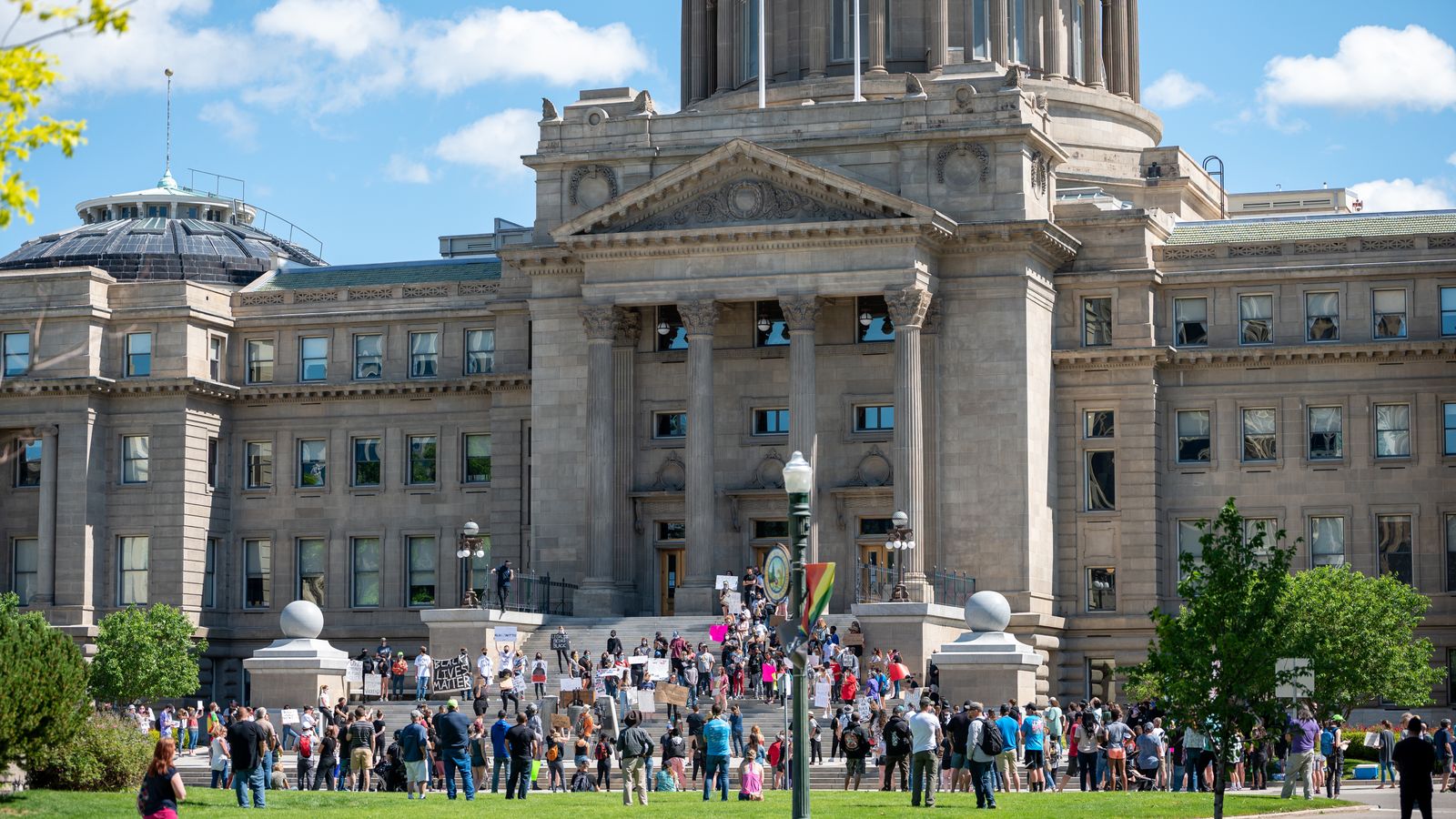
Reflection of Idaho State Capitol in a mirrored building facade in Boise, ID.
Senator Questions GOP Candidate's Tax-Cut Commitment
A Democratic state senator publicly challenged a Republican gubernatorial candidate's promise to reduce Michigan's cannabis excise tax, arguing the pledge lacks credibility given the GOP's legislative record on cannabis policy. The senator didn't name the specific Republican candidate but referenced recent campaign statements proposing cuts to the state's 10% excise tax on adult-use cannabis sales. Michigan voters approved adult-use legalization in 2018. That vote established the excise tax alongside a 6% sales tax.
The Democratic lawmaker pointed to Republican opposition to past cannabis reform bills in the state legislature as evidence that industry operators should approach the tax-cut pledge with skepticism. Since 2022, Michigan's GOP-controlled legislature has blocked multiple proposals to expand social equity provisions and reduce regulatory barriers for small operators.
Michigan's Current Cannabis Tax Structure
Michigan collects a 10% excise tax on adult-use cannabis sales in addition to the state's 6% sales tax, generating $290 million in excise tax revenue in fiscal year 2025. The excise tax revenue is distributed among schools, roads, and local municipalities that permit cannabis businesses. Medical cannabis sales face only the 6% sales tax and skip the excise tax entirely.
Cannabis operators have lobbied for excise tax reductions since 2023, arguing that Michigan's combined 16% tax burden makes licensed products less competitive against illicit market offerings—especially in jurisdictions with additional local taxes. Industry groups estimate that Michigan's illicit cannabis market accounts for 40-50% of total sales volume.
Political Context Ahead of 2026 Gubernatorial Race
The exchange comes as Michigan prepares for a competitive 2026 gubernatorial election with cannabis policy emerging as a campaign issue for the first time since legalization. Democratic Governor Gretchen Whitmer is term-limited. She can't seek re-election. Both parties are fielding multiple candidates in primary races scheduled for August 2027.
Cannabis industry groups haven't yet issued endorsements in the gubernatorial race. The Michigan Cannabis Industry Association stated in August 2026 that it would evaluate candidates based on their positions on tax reform, social equity program funding, and opposition to federal rescheduling restrictions. For full background on this story, see the CannIntel topic hub on Michigan cannabis taxes.
The Democratic senator's statement reflects broader tensions over cannabis policy credibility as the industry matures into a significant economic sector. Michigan licensed 1,847 cannabis businesses as of September 2026, employing an estimated 38,000 workers statewide.
Frequently asked questions
What is Michigan's current cannabis tax rate?
Michigan imposes a 10% excise tax on adult-use cannabis sales in addition to the state's 6% sales tax, for a combined 16% tax burden. Medical cannabis sales are exempt from the excise tax and subject only to the 6% sales tax.
How much cannabis tax revenue does Michigan collect?
Michigan collected $290 million in cannabis excise tax revenue in fiscal year 2025. Revenue is distributed among schools, roads, and local municipalities that permit cannabis businesses within their jurisdictions.
Why are cannabis operators seeking tax reductions in Michigan?
Cannabis operators argue that Michigan's 16% combined tax rate makes licensed products less competitive against illicit market offerings, which industry groups estimate account for 40-50% of total sales volume statewide.
When is Michigan's next gubernatorial election?
Michigan's gubernatorial election is scheduled for November 2026, with primary races in August 2027. Governor Gretchen Whitmer is term-limited and cannot seek re-election.
Sources
The cannabis newsletter you forward to your team.
Federal policy, market data, grower alerts, and the one story that matters today. Sent every weekday at 7am. Free.
No spam. Unsubscribe with one click. 21+ only.
Related from Laws

Delaware updates enforcement statute to reflect cannabis oversight role
State legislation renames alcohol and tobacco enforcement officers to include marijuana enforcement duties.

Federal Court Upholds Reinstatement of NJ Worker Fired for Cannabis Test
Third Circuit ruling affirms state employment protections for off-duty marijuana use under New Jersey Cannabis Regulatory Act.
Michigan GOP Candidate John James Backs Repealing 24% Cannabis Wholesale Tax
James opposes the January 2026 tax hike passed under Whitmer's bipartisan road-funding deal.
More from the newsroom

Lassen County Bust Seizes 150,000 Illegal Cannabis Plants in Northern California
Law enforcement dismantled one of the largest illegal grows in Northern California this week, seizing over 150,000 plants from a remote Lassen County operation.

Teen Marijuana Use Hits Record Low as Adult Legalization Expands
Federal survey data shows adolescent cannabis consumption at its lowest point since tracking began, contradicting gateway-theory predictions.
Canopy Growth Begins Supplying Medical Cannabis to U.K. Market
Canadian cannabis producer secures U.K. medical supply contract as European medical markets expand.