Marijuana, Alcohol Industries Oppose Hemp Bill, Congressman Says
A House lawmaker disclosed industry opposition to pending hemp legislation, signaling headwinds for federal intoxicating-cannabinoid regulation.
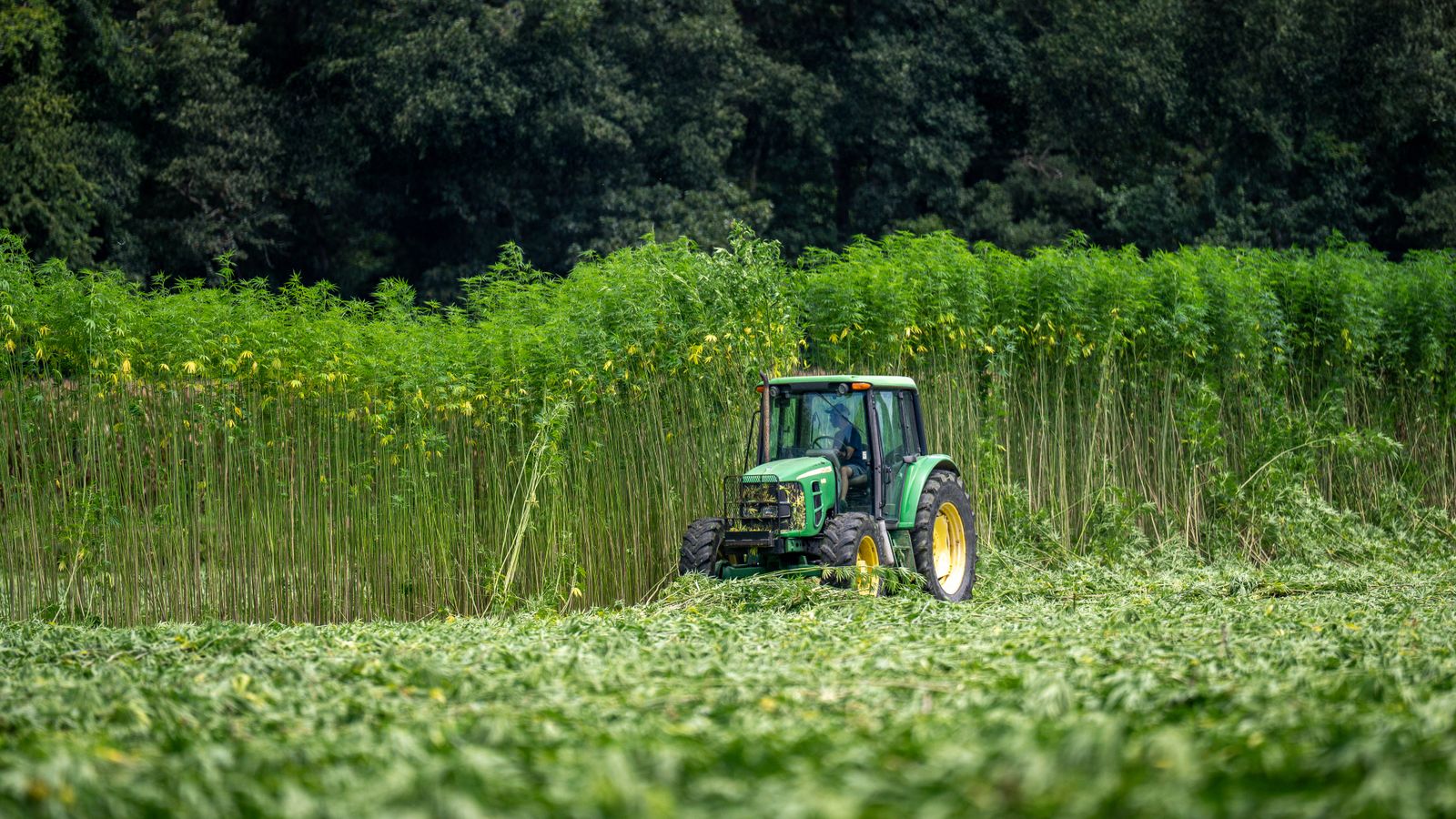
A vibrant green tractor working in a lush hemp field under clear summer skies.
Industry Coalition Opposes Federal Hemp Regulation
A congressman disclosed that marijuana and alcohol trade groups are lobbying against pending hemp legislation, marking a rare alignment of interests across competing intoxicant sectors. The lawmaker didn't specify which bill is drawing the opposition, but multiple hemp-regulation proposals have circulated in the House Agriculture Committee and the Energy and Commerce Committee since early 2026. The disclosure came in Marijuana Moment's May 18 newsletter, which quoted the congressman's remarks without identifying the specific legislative vehicle.
The marijuana industry's opposition is notable. State-licensed cannabis operators have long complained that intoxicating hemp products—delta-8 THC, delta-10 THC, THC-O, and THCA flower—undercut their tax-burdened, compliance-heavy businesses. Gas stations and smoke shops sell those products with no age verification or potency caps in most states.
Alcohol trade groups have historically viewed cannabis as a competitive threat to beer and spirits sales, particularly among younger consumers. Their opposition to hemp regulation suggests they prefer the status quo of unregulated hemp intoxicants over a structured federal framework that might legitimize cannabinoid alternatives to alcohol.
Why Marijuana Operators Want Hemp Restricted
State-licensed cannabis businesses argue that intoxicating hemp products exploit a loophole in the 2018 Farm Bill, which legalized hemp containing less than 0.3 percent delta-9 THC by dry weight but didn't address other cannabinoids or THCA. Delta-8 THC, synthesized from CBD, produces psychoactive effects similar to delta-9 THC but falls outside most state cannabis regulatory schemes. THCA flower—raw cannabis that converts to THC when heated—is sold as "legal hemp" despite being functionally identical to marijuana.
The National Cannabis Industry Association and the U.S. Cannabis Council have called for federal guardrails on intoxicating hemp. Age restrictions, lab testing, and potency limits top the list. Aaron Smith, co-founder of the National Cannabis Roundtable, has said unregulated hemp cannabinoids pose public-health risks and erode consumer trust in legal cannabis markets.
Licensed operators pay effective tax rates above 70 percent under Section 280E while hemp vendors operate tax-free and sell to minors—it's not a level field.
The tension has split the broader cannabis coalition. Hemp farmers and CBD manufacturers oppose new restrictions, arguing they would kill a lawful agricultural sector. State regulators are divided: some want federal preemption to close the loophole, while others prefer state-level control.
Alcohol Industry's Stake in Hemp Policy
Alcohol trade groups have monitored cannabis legalization closely, viewing it as a substitute good that erodes market share, particularly among consumers aged 21 to 34. The Distilled Spirits Council and the Beer Institute haven't taken formal positions on most cannabis bills, but industry analysts note that alcohol sales growth has slowed in states with adult-use marijuana markets. A 2025 Cowen & Co. report found beer volume declined 3.1 percent in states with recreational cannabis, compared to 1.4 percent nationally.
The alcohol sector's opposition to hemp regulation likely reflects a preference for fragmented, unregulated competition over a cohesive federal cannabinoid framework. A structured hemp market with clear labeling and potency standards could make hemp-derived intoxicants more attractive to consumers seeking alternatives to alcohol. Chaos serves alcohol's interests. Keeping the hemp market unregulated may limit consumer confidence in cannabinoid products.
Legislative Landscape for Hemp Bills
At least three hemp-regulation bills have been introduced or discussed in the 119th Congress, though none has advanced to a floor vote as of May 18, 2026. The House Agriculture Committee held a hearing in March 2026 on intoxicating hemp products, where Chairman Glenn Thompson (R-PA) signaled interest in revising the Farm Bill's hemp definition. A draft bill circulated by Rep. Mary Miller (R-IL) in April would limit delta-8 THC concentrations to 0.3 percent and require FDA approval for all intoxicating cannabinoids.
Energy and Commerce Committee's Health Subcommittee has also discussed hemp regulation, focusing on FDA jurisdiction over cannabinoid-infused foods and beverages. Rep. Frank Pallone (D-NJ), ranking member of the full committee, has called for federal standards but hasn't endorsed a specific bill.
For full background on this story, see the CannIntel topic hub on Federal Hemp Regulation.
State-Level Responses to Hemp Loophole
Twenty-two states have enacted restrictions on intoxicating hemp products since 2021, creating a patchwork of conflicting rules that complicates interstate commerce. Colorado, Oregon, and Minnesota have imposed potency caps and age restrictions on delta-8 THC and THCA flower. Texas banned delta-8 outright in 2023, though a court injunction has blocked enforcement. New York's Office of Cannabis Management issued emergency rules in February 2026 requiring all intoxicating hemp products to be sold through licensed dispensaries.
Inconsistency frustrates both hemp and cannabis operators. A unified federal standard would preempt state rules and clarify compliance obligations, but industry groups disagree on what that standard should include. The National Hemp Association opposes any restrictions beyond the existing 0.3 percent delta-9 THC threshold, while the U.S. Hemp Roundtable has endorsed age verification and lab testing.
What to Watch
The House Agriculture Committee is expected to mark up a Farm Bill reauthorization package in June 2026, which could include hemp-regulation language. If marijuana and alcohol lobbying stalls standalone hemp bills, the Farm Bill may be the last legislative vehicle before the 2026 midterm elections. Industry observers are watching whether the congressman's disclosure—naming the opposition coalition publicly—will galvanize hemp supporters or embolden opponents.
Next signal: whether Chairman Thompson includes hemp language in his Farm Bill draft, expected by May 31, 2026.
Frequently asked questions
Why do marijuana companies oppose hemp regulation?
State-licensed cannabis operators argue that unregulated intoxicating hemp products—delta-8 THC, THCA flower—exploit a loophole in the 2018 Farm Bill and compete unfairly with tax-burdened, compliance-heavy cannabis businesses. They want federal restrictions on hemp cannabinoids to level the playing field.
What is the alcohol industry's interest in hemp policy?
Alcohol trade groups view cannabis and hemp-derived intoxicants as substitute goods that erode market share, especially among younger consumers. Opposing federal hemp regulation may keep the hemp market fragmented and less attractive to consumers seeking alternatives to alcohol.
Which hemp products are considered intoxicating?
Delta-8 THC, delta-10 THC, THC-O, and THCA flower are the most common intoxicating hemp-derived products. Delta-8 is synthesized from CBD and produces psychoactive effects. THCA flower is raw cannabis that converts to THC when heated, sold as legal hemp despite being functionally identical to marijuana.
What federal bills address intoxicating hemp?
At least three proposals have circulated in the House Agriculture and Energy and Commerce committees in 2026. Rep. Mary Miller's draft would cap delta-8 THC at 0.3 percent and require FDA approval for intoxicating cannabinoids. No bill has advanced to a floor vote as of May 18, 2026.
When might Congress act on hemp regulation?
The House Agriculture Committee is expected to mark up a Farm Bill reauthorization package in June 2026, which could include hemp-regulation language. This may be the last legislative opportunity before the 2026 midterm elections.
Sources
The cannabis newsletter you forward to your team.
Federal policy, market data, grower alerts, and the one story that matters today. Sent every weekday at 7am. Free.
No spam. Unsubscribe with one click. 21+ only.
Related from Laws

Virginia Gov. Spanberger Faces Decision on Recreational Cannabis Bill
The Virginia General Assembly passed adult-use legislation, leaving final approval to the governor's desk.

DEA Marijuana Rescheduling Advances in Federal Policy Update
Justice Department moves forward on cannabis schedule change as trucking industry monitors federal drug-testing implications.
Indiana Governor Hopes GOP Opposition to Medical Marijuana 'Softens'
Governor Mike Braun highlighted medical cannabis benefits for veterans as he urged Republican lawmakers to reconsider their resistance.
More from the newsroom

EHS Today Outlines Workplace Cannabis Strategies Amid Legalization
Industry publication releases guidance for employers navigating drug-testing policies as state laws diverge.

TerrAscend Posts Solid Q1 Revenue as Market Eyes U.S. Rescheduling
Multi-state operator reports quarterly results amid investor focus on federal cannabis policy shifts.

Canada's Ad Ban Blocks Cannabis Brands from World Cup Sponsorships
Federal restrictions prohibit licensed producers from sports marketing, leaving global stage to U.S. and European rivals.