Cannabis Retailer Challenges Long Island Town's Zoning Rule as Preempted
A New York dispensary operator argues local setback restrictions conflict with state cannabis law.

Front view of the historic Mason County Courthouse in Mason, Texas, USA.
The Legal Challenge
The retailer's complaint says the town's ordinance imposes restrictions that exceed the authority granted to municipalities under the Marijuana Regulation and Taxation Act (MRTA). The town enacted zoning rules establishing setback requirements or operational constraints not authorized by state law, according to the filing. These local provisions directly conflict with the state's regulatory framework, the retailer contends. That framework limits municipal opt-out authority to a binary choice: allow or prohibit retail sales entirely.
State Preemption Framework
New York's MRTA permits towns to opt out of allowing dispensaries but doesn't authorize granular zoning controls that impose additional restrictions beyond state licensing requirements. The Office of Cannabis Management (OCM) sets statewide siting standards, including proximity rules for schools and other sensitive uses. Municipal governments retain zoning authority only to the extent it doesn't conflict with state regulations.
Field preemption is the retailer's legal theory. Where the state has occupied the regulatory field, local laws that impose stricter or divergent standards are invalid.
Long Island's Local Opt-Out Landscape
Dozens of Long Island municipalities opted out of allowing adult-use cannabis retail after the MRTA's passage in 2021, but several towns later reversed course or adopted restrictive zoning frameworks. The town at the center of this case appears to have chosen the latter path. It permits dispensaries in theory while imposing conditions the retailer says are legally unenforceable.
The town's approach reflects a broader tension: municipalities seeking to preserve local control over land use while operating within a state regulatory regime that limits their discretion.
What the Retailer Seeks
The complaint requests declaratory and injunctive relief invalidating the town's ordinance and barring enforcement of the challenged provisions. Success would permit the retailer to proceed under state licensing standards alone. The case could also set precedent for other New York municipalities that have enacted similar hybrid frameworks—allowing cannabis retail in name while imposing de facto barriers through zoning.
Implications for New York Operators
The outcome will clarify how much zoning discretion municipalities retain under the MRTA. For operators, the case underscores the importance of vetting local ordinances during site selection. A ruling in the retailer's favor would strengthen the argument that OCM licensing, not local zoning, is the controlling framework for dispensary siting. For full background on this story, see the CannIntel topic hub on New York Local Cannabis Regulations.
We'll be watching for the town's responsive pleading and any motion practice on the preemption claim.
Sources
The cannabis newsletter you forward to your team.
Federal policy, market data, grower alerts, and the one story that matters today. Sent every weekday at 7am. Free.
No spam. Unsubscribe with one click. 21+ only.
Related from Laws
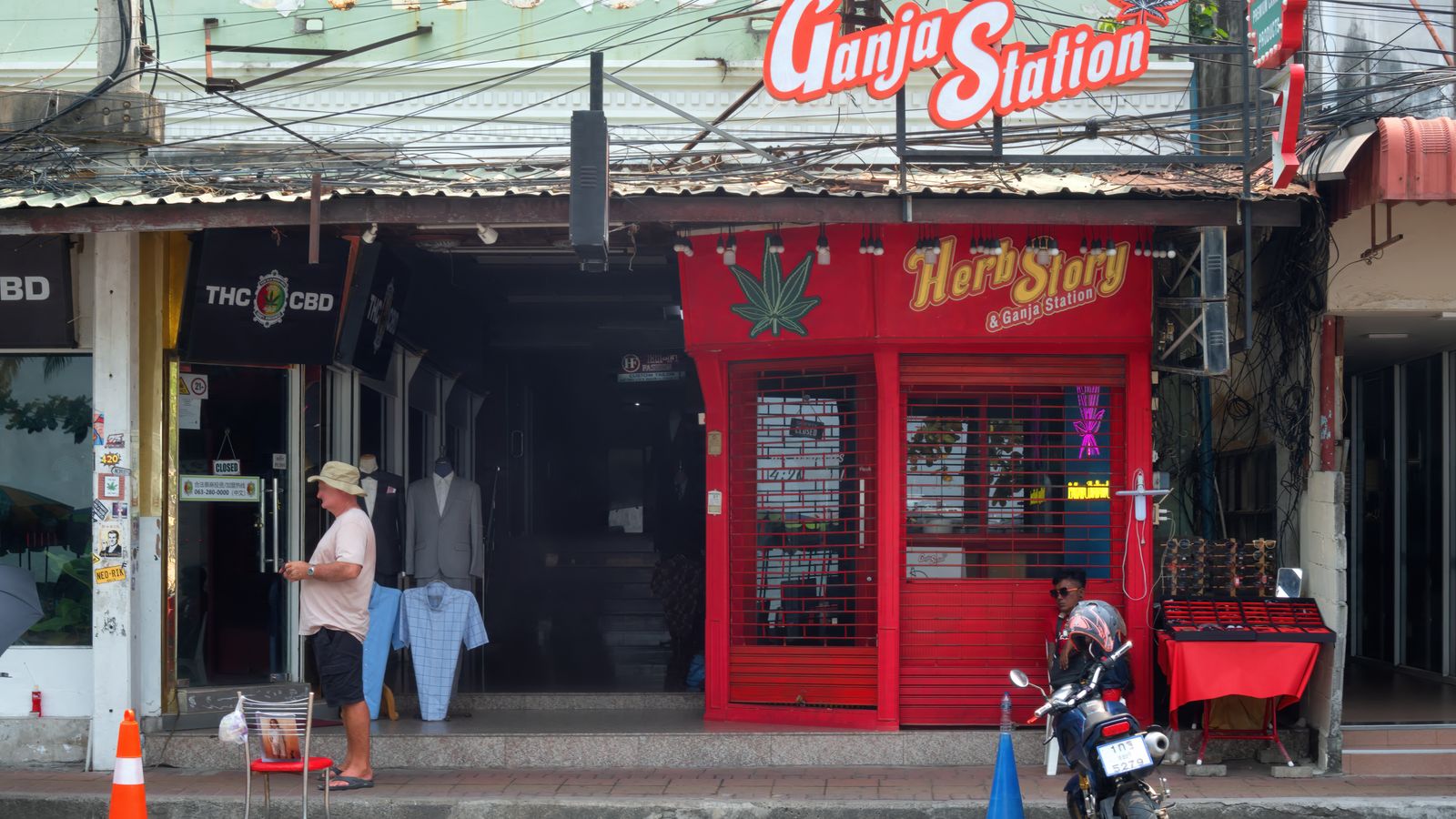
Thailand inspections suspend 105 cannabis licences, revoke 24
A nationwide inspection sweep ended with 105 suspensions and 24 revocations, though the signal leaves open who ran it, what it cost operators, and what triggered each penalty.

Thailand Revokes 24 Cannabis Licences, Suspends 105 More
A regulatory sweep removes 24 operators from Thailand's cannabis market and sidelines 105 more, tightening a framework that has been under pressure since decriminalization.

Bosnia and Herzegovina Medical Cannabis Legalization Stalls
Sarajevo Times reports the push to legalize medical cannabis in BiH is on hold, leaving patients and would-be licensees without a legal pathway.
More from the newsroom

Wisevoter Data: Daily Cannabis Use Passes Alcohol for Under-50s
A Wisevoter analysis reports daily cannabis use now outpaces daily drinking among Americans under 50, a generational shift that could reshape hospitality, retail and tourism.

Quincy marijuana drive-thru reopens Monday after CCC vote
A Massachusetts Cannabis Control Commission vote clears a Quincy dispensary to resume drive-thru sales, keeping a rare retail format in play.

Drive-Through Cannabis Draws Local Praise as Rules Take Shape
A local report quotes the drive-through cannabis concept as a 'wonderful step forward,' but the signal supplies no statute, docket, or vote count to confirm the rule behind it.