KDRV Reports Efforts to Curb Illegal Grows in Siskiyou County
A local TV report puts Siskiyou County's illegal cultivation fight back in view, but the public record behind it is still thin.
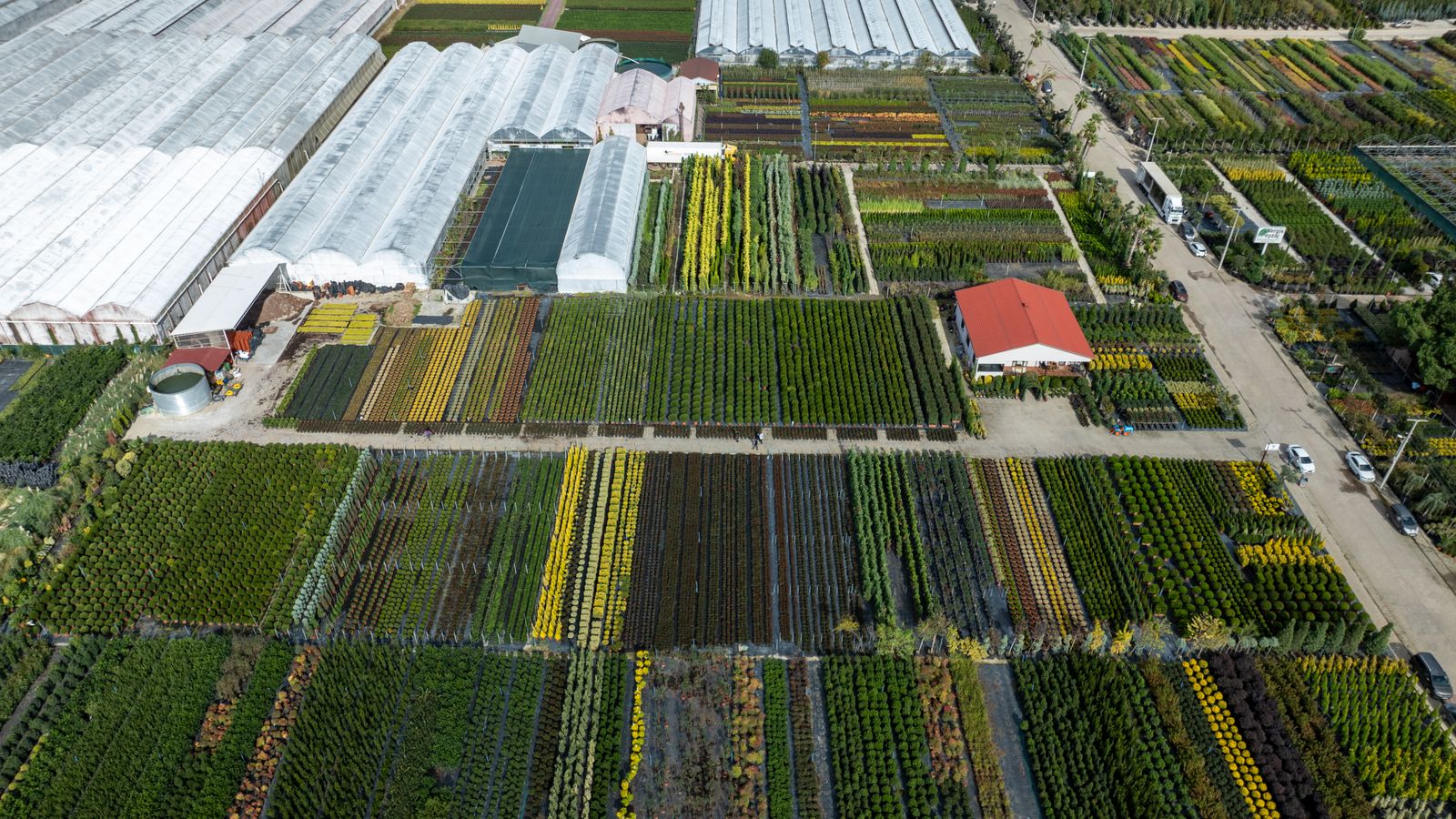
Aerial photograph showing greenhouses and farmland in Yalova, Turkey, highlighting agricultural diversity.
What the signal confirms
The only verified fact is that KDRV published a report on curbing illegal cannabis cultivation in Siskiyou County.The material CannIntel received is a headline, a publisher name and a timestamp. Google News indexed "Curbing illegal cannabis cultivation in Siskiyou County" from KDRV at 03:19 GMT on Nov. 11, 2026. No body text, named officials or figures came with it.
That shapes how we report it. We won't invent a sheriff's quote or an acreage count to fill the gap. Not here.
What remains unconfirmed
Every operational detail a reader would want is missing from the signal, so none of it appears in this story.The open questions are specific:
- Which agency or agencies are leading the effort
- Whether any plant, site or seizure totals exist, and for what period
- Whether the board of supervisors adopted a new ordinance, funding line or task-force arrangement
- Whether any court action or abatement proceedings are attached
Until KDRV's reporting or a primary record supplies those answers, they stay out. A headline that says "curbing" tells you a topic is live. It doesn't tell you what changed.
Why enforcement keeps landing on Siskiyou County
Illegal-grow enforcement in California is a layered fight between county, state and federal authority, and Siskiyou County has been a recurring subject of that coverage.Under Proposition 64, passed in 2016, California legalized adult-use cannabis. Counties kept the power to restrict or ban commercial activity locally. The state's Department of Cannabis Control (DCC) licenses operators, but a state license doesn't override a county's rules. A grow lacking local authorization or a state license is illegal, full stop.
That structure means "illegal cultivation" stories almost always turn on paperwork. Who holds a permit, who doesn't, and which agency has the authority to act on a given parcel? The answers live in county files, not in broadcast copy. The county also sits on the Oregon line, so enforcement questions can cross state borders as well as agency ones.
The records that would settle it
Four categories of public records would turn a TV headline into a verifiable account.First, the county board of supervisors' agenda packets and minutes, which would show any ordinance, budget action or contract tied to enforcement. Second, the sheriff's office operation summaries and press releases. Third, code-enforcement and abatement citations, which show how many parcels have actually been cited. Fourth, DCC enforcement data, which would show whether state-level action overlaps with the county's.
A story about curbing illegal grows is only as strong as its denominator: how many sites, over what period, with what outcome.
The California Public Records Act gives reporters and residents a route to all four. CannIntel will pursue them. Agencies don't always respond quickly, but the statute sets a clock for them, and the paper trail tends to be more candid than the podium ever is.
What operators and investors should watch
Licensed California operators have a direct stake in whether unlicensed supply is actually being removed from the market.Illicit product undercuts legal pricing, and licensed businesses already carry tax and compliance costs that unlicensed growers avoid, so visible enforcement can help the legal side, but only if it's sustained and documented. One-off raids make good television. They rarely move wholesale prices.
That's the editorial read, and it's a skeptical one. Enforcement announcements are cheap, and measurable results are not. For the broader record on how California and other states are handling this, see the CannIntel topic hub on illegal cannabis cultivation enforcement.
The next signal: the Siskiyou County Board of Supervisors' next posted agenda, and any sheriff's office release that puts real numbers behind the headline. We'll update this story when a primary document does.
Frequently asked questions
What did KDRV report about Siskiyou County?
The signal CannIntel received carries only KDRV's headline, "Curbing illegal cannabis cultivation in Siskiyou County." It includes no body text, figures or named officials, so specific policy details can't be confirmed yet.
Is cannabis cultivation legal in Siskiyou County, California?
California legalized adult-use cannabis under Proposition 64 in 2016, but counties can restrict or ban commercial activity locally. A grow without both local authorization and a state license is illegal. County ordinances determine what applies to any given parcel.
How can residents verify illegal-grow enforcement claims?
Residents can file California Public Records Act requests with the county and sheriff's office for board minutes, operation summaries and abatement citations. The Department of Cannabis Control also maintains state-level enforcement information.
Why does CannIntel stress documentation on enforcement stories?
Enforcement claims often rest on totals without a stated period or denominator. Primary records show how many sites were actually cited, removed or prosecuted, which separates measurable results from announcements.
Sources
The cannabis newsletter you forward to your team.
Federal policy, market data, grower alerts, and the one story that matters today. Sent every weekday at 7am. Free.
No spam. Unsubscribe with one click. 21+ only.
Related from Laws

Schnell Takes Cannabis Expungement Board Director Post
A Wisevoter-indexed report says Schnell has taken the director job at a cannabis expungement board, but the signal omits the state, the board and the start date.

MMJ, State Operators Take Rescheduling Fight to Federal Court
A Newswire report says medical marijuana and state-licensed operators are litigating the federal rescheduling process, with the underlying filings not yet independently reviewed by CannIntel.

Texas Marijuana Bills Filed for 2027 Session, Per Local Report
A radio-station report says marijuana legalization bills are on file for 2027; the signal gives no bill numbers, sponsors or text, so the key details remain unconfirmed.
More from the newsroom

Cottage Food Rules Collide With Hemp THC Edibles Boom
A West Central Tribune report on hemp, CBD and THC in cottage foods spotlights a regulatory gap home bakers and state agencies are still trying to close.

FOX8 Maps What Legal Weed Could Look Like in North Carolina
A local TV outlook on adult-use legalization in North Carolina leaves the hard questions, especially hemp and THCA, unanswered.

Tilray Hits Record Low as Globe and Mail Asks: Buy or Trap?
The Globe and Mail framed Tilray's record-low share price as a buy-or-trap question, and the answer depends on what its operating model actually produces.