Jharkhand High Court Rules Bhang Not 'Cannabis' Under NDPS Act
The court's narrow reading of India's drug statute exempts traditional bhang preparations from cannabis prosecution.
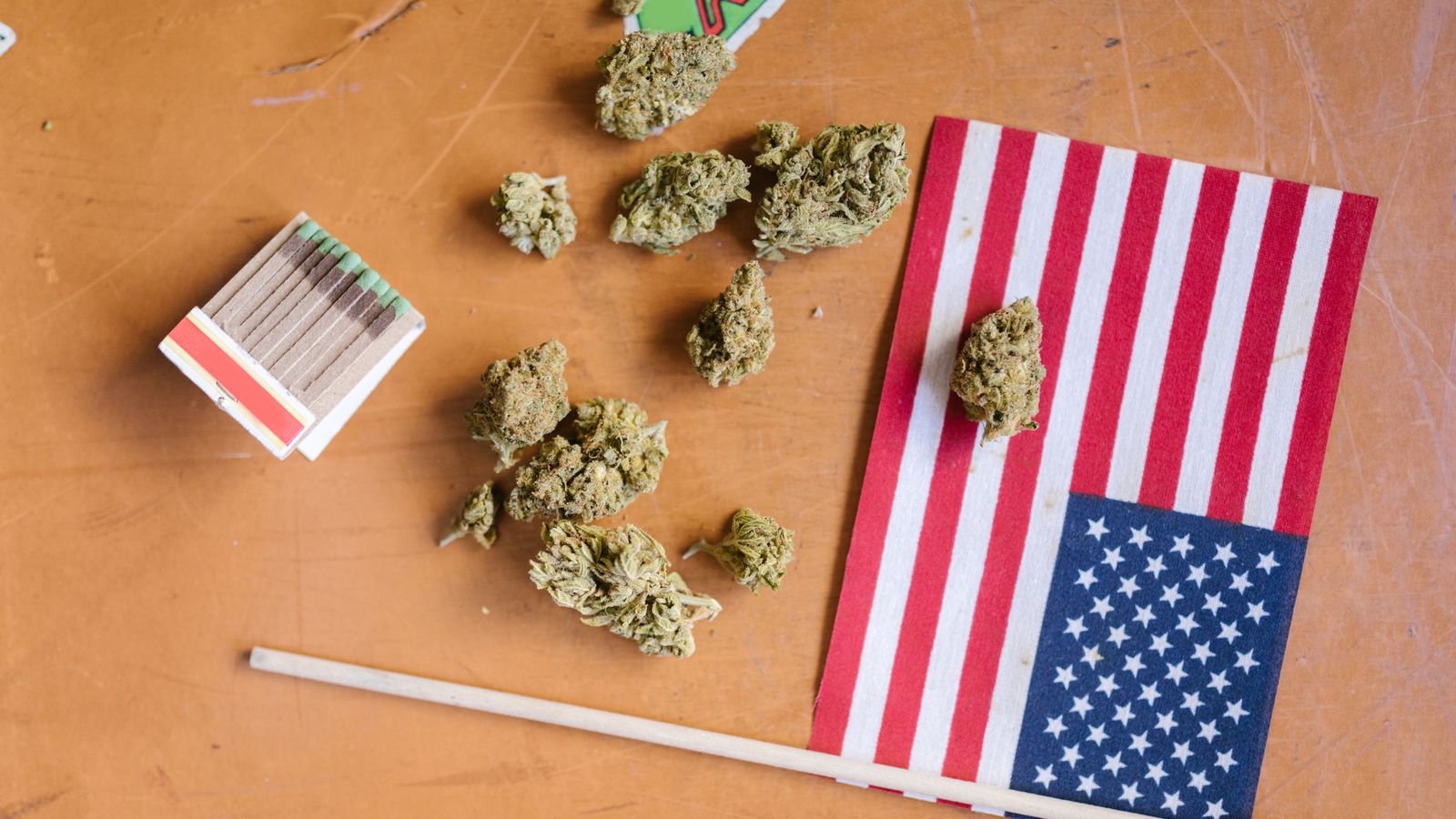
Top view of cannabis buds, matchsticks, and American flag on a wooden table.
Statutory Exemption Turns on NDPS Act's Leaf Exclusion
The court's reading of Section 2(iii)(b) of the NDPS Act exempts bhang because the statute defines cannabis as excluding leaves when separated from flowering or fruiting tops. The judgment interprets the 1985 law's botanical language as intentionally preserving traditional bhang use, which relies on cannabis leaves processed into drinks or edibles without the resinous flowers that contain higher THC concentrations.
The distinction matters operationally. Bhang shops operate legally across India during festivals like Holi, selling government-licensed leaf preparations. The Jharkhand ruling reinforces that regulatory framework by affirming that possession of bhang doesn't trigger criminal liability under the NDPS Act's cannabis provisions, which carry penalties ranging from six months to ten years for commercial quantities.
Indian courts have parsed the NDPS Act's cannabis definition before. The statute's drafters in 1985 carved out leaves to accommodate cultural and religious practices, particularly in Hindu rituals where bhang has been used for centuries. The Jharkhand decision reaffirms that legislative intent against prosecutorial overreach.
Implications for Hemp and Low-THC Cannabis Policy
The ruling doesn't address hemp or industrial cannabis, which remain separately regulated under India's 2016 industrial hemp policy permitting cultivation of varieties with THC below 0.3 percent. Bhang's exemption is cultural, not agronomic. It applies to traditional leaf preparations, not to fiber or seed crops. States like Uttarakhand and Himachal Pradesh have issued hemp licenses for textile and seed production, but those programs operate under different statutes and require separate cultivation permits.
A gap exists between bhang's cultural exemption and hemp's industrial licensing, creating enforcement ambiguity. A farmer growing low-THC cannabis for fiber could theoretically face NDPS charges if caught with flowering tops, even if the plant's total THC is negligible. The Jharkhand judgment doesn't resolve that tension—it simply confirms that leaf-only preparations fall outside the NDPS Act's cannabis definition.
For context on India's broader cannabis regulatory landscape, see the CannIntel topic hub on India Cannabis Laws, which tracks state-level hemp pilots and ongoing legislative debates over medical cannabis access.
What the Judgment Means for Enforcement
Law enforcement agencies in Jharkhand and neighboring states must now distinguish between bhang leaves and cannabis flowers during seizures, a practical challenge given that both come from the same plant. The court didn't provide field-testing guidance. Officers must rely on visual inspection or laboratory analysis to determine whether seized material includes flowering tops. That ambiguity could lead to wrongful arrests if officers conflate any cannabis plant material with prosecutable cannabis.
The judgment also raises questions about derivative products. Bhang is typically sold as a paste or dried leaf powder, but some preparations include small amounts of flowering material for potency. The court's ruling doesn't address those edge cases. Prosecutors may argue that any trace of flowering tops brings a product back under the NDPS Act's cannabis definition—expect enforcement to vary widely across states.
The practical result: bhang vendors with state licenses can continue operating without NDPS liability, but anyone caught with flowering cannabis—even in small amounts—remains subject to the Act's full penalties.
Next Steps and Unanswered Questions
The Jharkhand decision is binding only within that state's jurisdiction, though it may influence courts in other states facing similar cases. No immediate legislative response is expected. The NDPS Act's leaf exemption has been settled law since 1985, and the ruling simply reaffirms that statutory language. Yet the judgment could embolden advocates pushing for broader cannabis reform, particularly for medical access.
India's medical cannabis debate remains stalled at the federal level. The Ministry of Health hasn't issued rules under the NDPS Act's Section 10, which permits licensed medical use of cannabis, leaving patients without legal access to THC-based medicines. The Jharkhand ruling doesn't advance that debate, but it demonstrates judicial willingness to interpret the NDPS Act narrowly when cultural or statutory exemptions apply.
Watch for this signal next: whether other state high courts adopt the Jharkhand reasoning in pending bhang-related prosecutions. If a circuit split emerges, the Supreme Court of India may eventually weigh in to settle the question nationwide.
For complete background, history, and our ongoing coverage of this story:
Open the CannIntel topic hub →Frequently asked questions
What is bhang and how is it different from cannabis under Indian law?
Bhang is a traditional preparation made from cannabis leaves, typically consumed as a drink or edible during Hindu festivals. India's NDPS Act defines cannabis as excluding leaves when separated from flowering or fruiting tops, which exempts bhang from criminal prosecution while keeping resinous flowers and buds illegal.
Does this ruling legalize cannabis in Jharkhand?
No. The ruling only confirms that bhang—leaf-based preparations without flowering tops—is not prosecutable under the NDPS Act. Possession of cannabis flowers, resin, or charas remains illegal and carries penalties ranging from six months to ten years depending on quantity.
How does this affect India's industrial hemp sector?
It doesn't directly. Hemp cultivation operates under separate 2016 policy guidelines requiring state licenses and THC limits below 0.3 percent. The bhang exemption is cultural, not agronomic, and applies only to traditional leaf preparations, not fiber or seed crops.
Will other Indian states follow Jharkhand's interpretation?
Possibly. The judgment is binding only in Jharkhand, but other state courts may adopt its reasoning in similar cases. If conflicting rulings emerge, the Supreme Court of India could eventually issue a nationwide standard.
Sources
The cannabis newsletter you forward to your team.
Federal policy, market data, grower alerts, and the one story that matters today. Sent every weekday at 7am. Free.
No spam. Unsubscribe with one click. 21+ only.
Related from Laws

New York's Legal Cannabis Rollout Backfires on Voter Sentiment
Public support for the state's adult-use program has declined sharply since licensing began in 2023.

New York Post Op-Ed Attacks State Cannabis Rollout Amid Illicit Market Surge
Opinion piece highlights enforcement gaps and unlicensed storefront proliferation five years into legalization.
Vermont Doubles Daily Cannabis Purchase Limit to 2 Ounces
State regulators raised the adult-use transaction cap from 1 ounce effective immediately, doubling consumer access at licensed retailers.
More from the newsroom

THC/CBD Combo Cuts Agitation in Hospice Dementia Patients: LiBBY Trial
Combination therapy reduced agitation scores in hospice-eligible dementia patients, opening new palliative-care pathway.

Clinicians Face Diagnostic Maze as Cannabis Psychosis Mimics Bipolar Disorder
Overlapping symptoms and rising THC potency complicate differential diagnosis in emergency psychiatry.

New Research Questions Cannabis Sleep Benefits for Michigan Users
Scientists challenge popular belief that marijuana improves sleep quality, citing complex effects on REM cycles.