Judge denies pause on Illinois hemp THC ban, limiting sales to dispensaries
A court refused to stay Illinois' prohibition on intoxicating hemp products outside licensed dispensaries, leaving the ban enforceable while litigation continues.
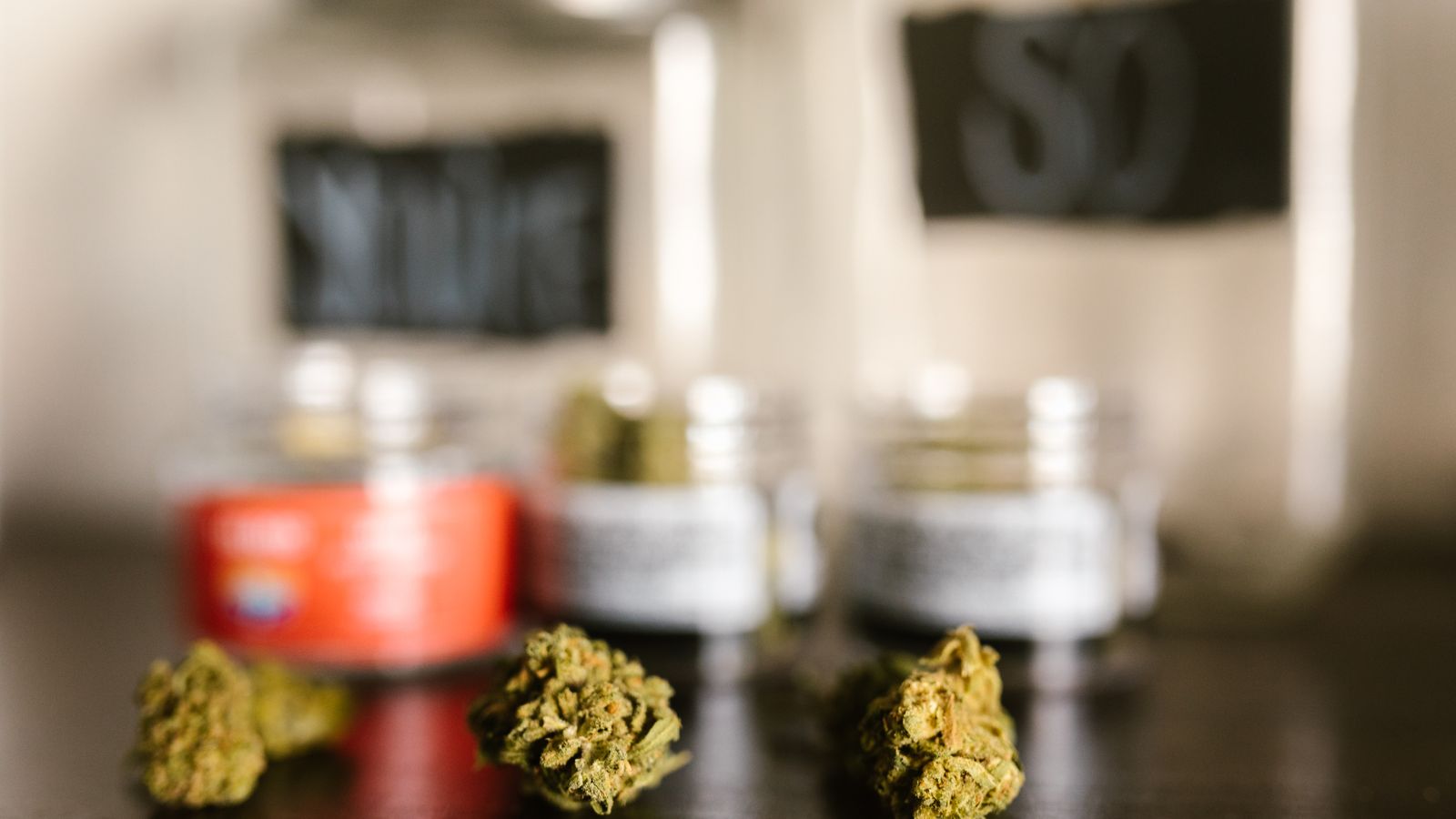
Macro shot of cannabis buds with blurred glass jars in the background, emphasizing texture and color.
Court leaves the ban in force while the case proceeds
A judge declined to pause Illinois' ban on intoxicating hemp THC products, so the prohibition on sales outside dispensaries stays enforceable pending the lawsuit.
WBEZ Chicago reported the ruling on Nov. 21, 2026. Retailers outside the licensed adult-use system, including smoke shops, convenience stores and gas stations, can't sell the covered products while the case moves forward.
It's not a final ruling. A denial of a stay is a procedural loss for the challengers, not a merits decision. On the merits, the question stays open.
The signal available to CannIntel is limited to the WBEZ headline and summary. The identity of the presiding judge, the court, the plaintiffs, the specific statute at issue and the date the ban takes effect weren't included in that material. We'll update this story as those details are confirmed.
What a denied stay means in practice
Without a stay, the ban operates as written, and non-dispensary retailers carry the compliance risk from day one.
A stay request asks a court to freeze a law or rule before the underlying dispute is decided. Courts generally weigh the movant's likelihood of success, the risk of irreparable harm and the public interest. On a strict reading of the headline, the judge wasn't persuaded that those factors favored freezing the ban.
For operators, the practical effect is binary. Product that falls within the ban's definition of intoxicating hemp THC can't lawfully sit on a shelf outside a dispensary. Inventory that was legal to sell under the prior framework becomes a liability, and the dispensaries holding adult-use licenses become the only lawful channel.
The tax and compliance angle
Routing intoxicating hemp THC through dispensaries moves those sales into the adult-use excise tax system and into the 280E problem that licensed operators already live with.
Hemp-derived products sold outside the licensed system have generally not carried the state cannabis excise tax that applies to adult-use sales. If the ban is read to push those products into dispensaries, the sales fall under the existing regulatory and revenue structure for cannabis. Which statutory excise and sales-tax provisions would apply depends on how the Illinois law classifies the products, a detail the signal doesn't supply.
For the dispensaries themselves, IRC §280E remains the constant. Businesses trafficking in Schedule I substances can't deduct ordinary business expenses beyond cost of goods sold. Whether hemp-derived THC products sold at a dispensary are treated as trafficking in a controlled substance for federal tax purposes is a classification question tax advisers will need to resolve. The answer may differ by product and by how it was sourced.
Operators should treat the denial of a stay as a signal to plan for the ban being in effect for the duration of the case, not as a prediction of how the merits will come out.
Who is exposed and who benefits
Non-dispensary hemp retailers and hemp product makers face the sharpest exposure, while licensed dispensaries stand to capture displaced demand.
Retailers outside the licensed system lose a product category that, in many markets, has been a meaningful margin driver. Manufacturers of hemp-derived intoxicating products lose their widest distribution channel. They must either seek dispensary shelf space or pivot to non-intoxicating lines.
Licensed dispensaries gain a larger addressable market. They also inherit the compliance burden of verifying that hemp-derived inventory meets Illinois testing, labeling and sourcing rules, which is a real cost. Whether the upside materializes depends on whether consumers follow the products into dispensaries or simply buy elsewhere.
What operators should do now
Retailers should audit inventory against the ban's definitions immediately and document their basis for any product they keep on the shelf.
Counsel should confirm the exact statutory definition of the restricted products, the effective date and the enforcement mechanism, whether administrative, civil or criminal. Dispensaries weighing hemp-derived additions should confirm that their license terms and the state's rules permit those products, and that supply-chain documentation will withstand an audit.
For more on the dispute and its background, see the CannIntel topic hub on the Illinois hemp THC product ban. The Illinois Department of Financial and Professional Regulation and the Illinois Department of Agriculture are the agencies operators will most likely hear from on licensing and product questions, though the signal doesn't confirm which agency is enforcing this particular ban.
Watch the court's schedule next. Does the judge set an expedited merits hearing? Do the challengers seek emergency relief from an appellate court? Either step would change the timeline for retailers holding hemp THC inventory.
For complete background, history, and our ongoing coverage of this story:
Open the CannIntel topic hub →Frequently asked questions
What did the judge decide in the Illinois hemp THC case?
According to WBEZ Chicago, a judge denied a request to pause the state's ban on intoxicating hemp THC products. That leaves the prohibition on sales outside licensed dispensaries enforceable while the underlying legal challenge continues.
Can smoke shops and gas stations still sell hemp THC products in Illinois?
Not products covered by the ban. With the stay denied, intoxicating hemp THC products can be sold only through licensed dispensaries. Retailers should confirm the statute's exact product definitions with counsel.
Is the hemp THC ban permanently upheld?
No. Denying a stay is a procedural ruling. It does not decide whether the ban is lawful. The merits of the challenge remain pending, and the plaintiffs could seek further relief.
Does IRC 280E apply to hemp THC products sold at dispensaries?
Unclear. Section 280E bars deductions for businesses trafficking in Schedule I substances. Whether hemp-derived products sold in a dispensary fall under it depends on federal classification and sourcing, a question operators should raise with a tax adviser.
Sources
The cannabis newsletter you forward to your team.
Federal policy, market data, grower alerts, and the one story that matters today. Sent every weekday at 7am. Free.
No spam. Unsubscribe with one click. 21+ only.
Related from Laws

Senate Proposals Target D.C. Cannabis Sales and Driver Testing
Two Senate cannabis proposals reportedly touch D.C. retail sales and transportation drug testing, but the signal supplies no bill numbers, sponsors or text.
Maryland Cannabis Administration Issues Hemp Sales Guidance Ahead of Federal Redefinition
Maryland regulators told retailers how to handle hemp-derived products before the federal definition of hemp changes, a preview of the compliance work facing every state.

New Mexico Moves to Ease Medical Psilocybin Rules After Pushback
State officials are loosening draft medical psilocybin regulations after stakeholder objections, a signal that the program's operating rules are still being negotiated.
More from the newsroom
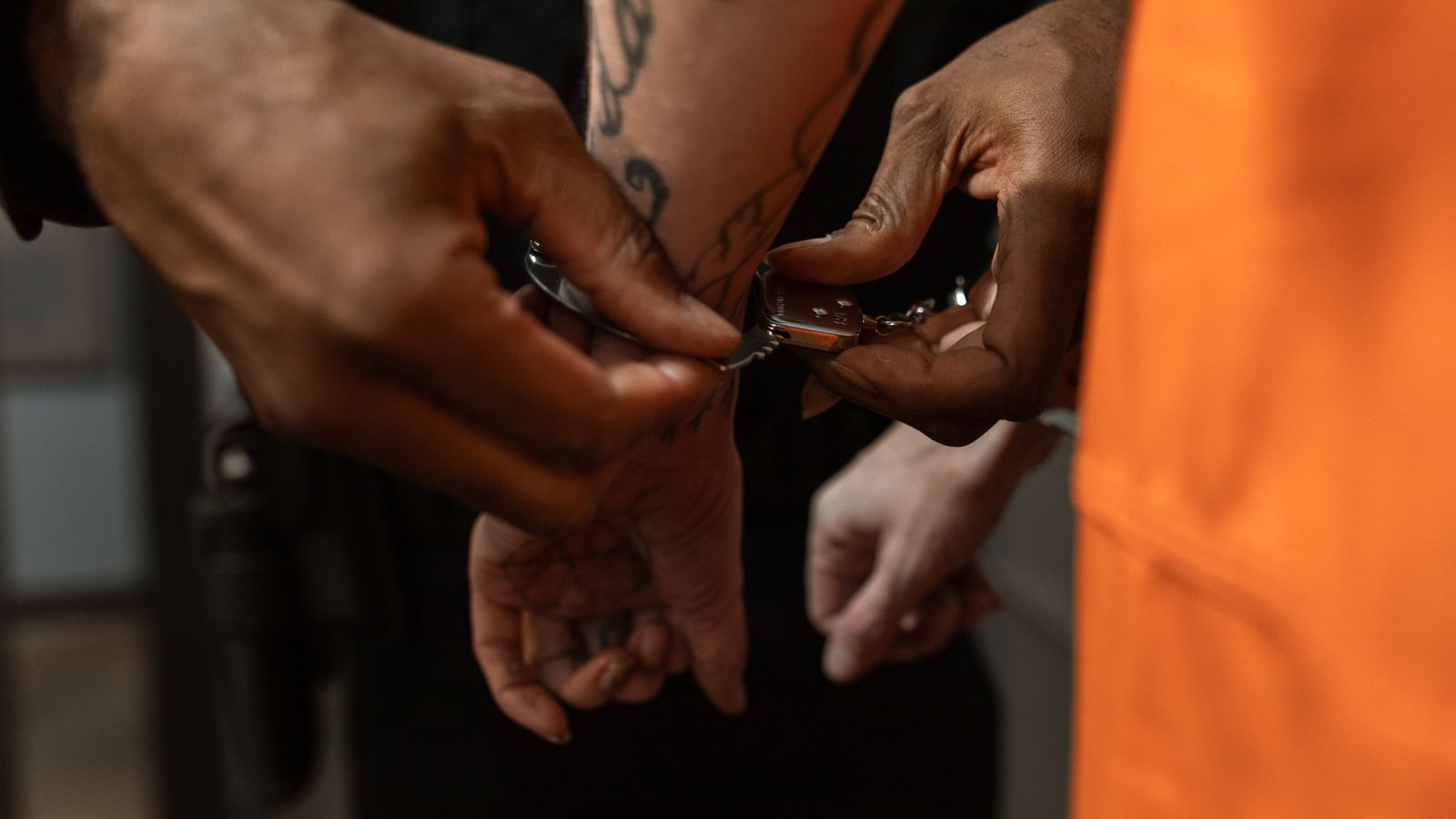
Marijuana Possession Made Up 1 in 4 U.S. Drug Arrests in 2025
A report circulating Saturday says possession charges still account for roughly a quarter of all drug arrests, years into the legalization wave and with federal rescheduling unresolved.

Kansas House Democrat sets cannabis legalization goals after election
A Kansas House Democrat laid out a legalization agenda after general election wins, but the signal supplies no bill text, vote counts or tax design.

Why Police Are Breaking With Marijuana Prohibition
A Hype Magazine piece on cops souring on cannabis prohibition fits a long-running trend; the operational logic behind it is the real story.