Illinois Releases 2026 Annual Cannabis Report on Growth, Access
The state's 2026 annual cannabis report lands weeks before a federal hemp deadline that could push THCA buyers toward licensed Illinois dispensaries.

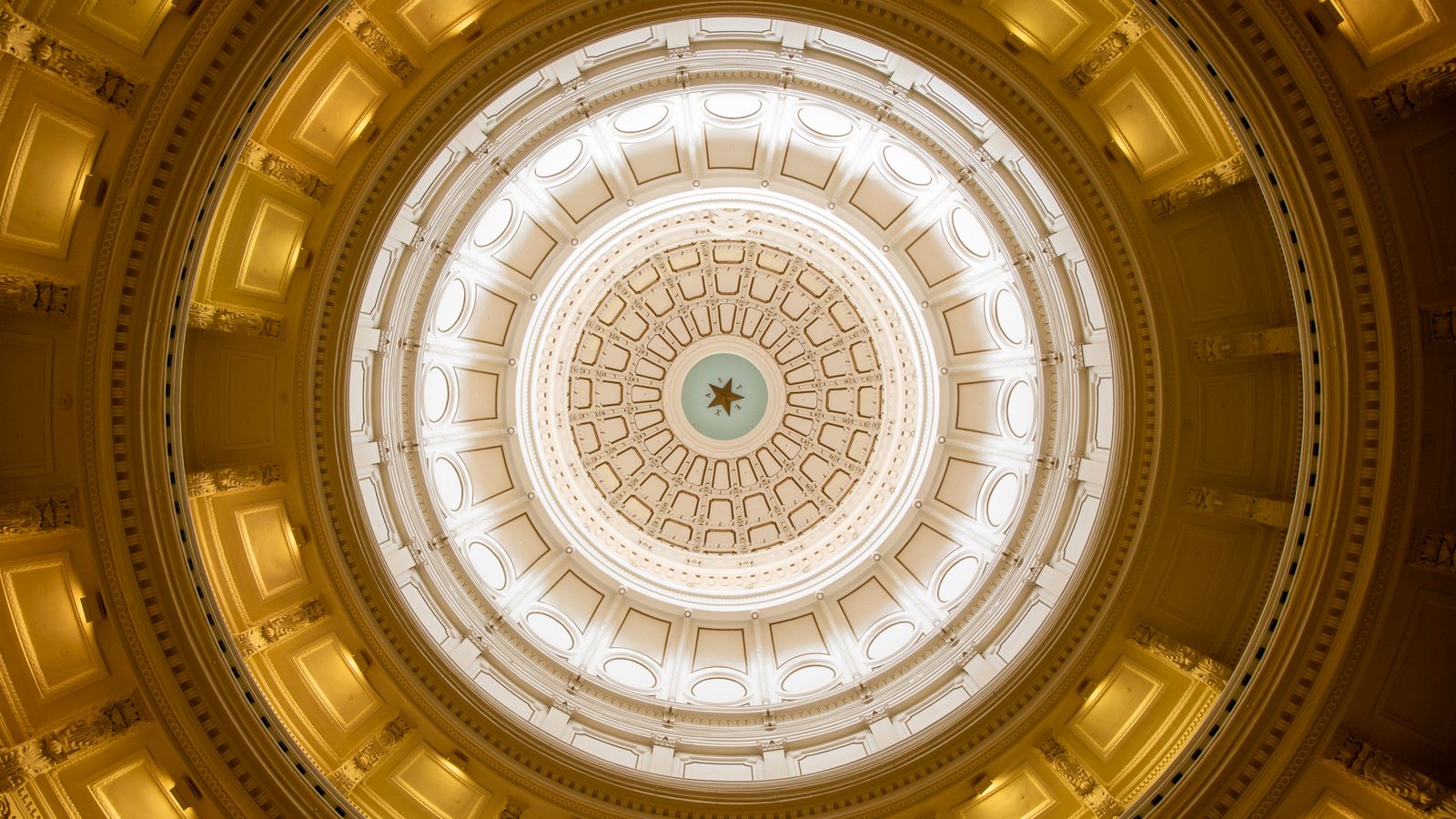
Stunning view of the classic dome of the Minnesota State Capitol in Saint Paul.
Illinois frames 2026 as a year of growth, access and oversight
Illinois' 2026 annual cannabis report, published Oct. 7, centers on three themes: continued growth, expanded access and regulatory oversight.
That's all the available coverage confirms. The RiverBender.com summary doesn't include the underlying sales totals, license counts, tax receipts or enforcement figures, and CannIntel won't guess at them.
Illinois has run a licensed adult-use market since Jan. 1, 2020, under the Cannabis Regulation and Tax Act signed in 2019. An annual report is the state's chance to set the narrative on that program: what it earned, who it reached, and whom it policed.
Read the framing carefully. A state that leads with "oversight" alongside "growth" is telling operators that compliance activity is part of the scorecard. That's a signal, not a surprise.
The hemp angle: total THC is the number that matters now
A federal redefinition of hemp, enacted in November 2025 and set to take effect around Nov. 12, 2026, caps finished hemp products at 0.4 mg of total THC per container.
The word "total" does the heavy lifting. Under the old farm bill test, hemp was judged on delta-9 THC alone, at 0.3% by dry weight. THCA, the raw acidic precursor, didn't count until heat stripped off its carboxyl group.
That gap built the THCA flower market. Decarboxylation converts THCA into delta-9 THC when you light it or vape it, so a flower testing under the delta-9 limit could still hit a user like cannabis. Labs and regulators typically estimate potential THC with the formula delta-9 + (THCA × 0.877), the molecular-weight adjustment for what's lost as CO2 in conversion.
Total-THC math closes the loophole on paper. Whether it closes it on shelves is another matter.
Licensed states like Illinois sit on the other side of that line. Their dispensary products already test and label potency on a total-THC basis, and they carry state excise taxes that hemp retailers largely avoid. If gas-station THCA flower and intoxicating hemp drinks lose federal cover, some of that demand has two places to go: the licensed market or the illicit one.
For Illinois operators, that's the upside case. For the state, it's an oversight problem, because buyers displaced from hemp don't automatically land in a dispensary.
What to check in the full report, and what stays unsettled
The headline themes only become useful once the underlying data is public, and several numbers will show whether the hemp shift is already visible in Illinois.
CannIntel is reviewing the full document for the following:
- Year-over-year adult-use sales and tax revenue, including any per-transaction trend
- New dispensary and craft grower licenses, and where they opened
- Enforcement actions and testing failures, especially potency labeling
- Any mention of hemp-derived intoxicants or unlicensed THCA sales
Geography matters here. Illinois borders Missouri, Indiana, Wisconsin, Iowa and Kentucky, and cross-border buying has shaped its sales for years. A hemp crackdown that varies state by state would shift that traffic in uneven ways.
The state-level piece is where this gets messy. Illinois regulates its licensed program through its own agencies, and hemp sits under a separate framework. How those regimes interact once the federal definition changes isn't something the report headline resolves. For full background on the licensed program, see the CannIntel topic hub on the Illinois Adult-Use Cannabis Program.
Federal tax treatment adds another variable. Licensed operators still face 280E burdens that hemp sellers don't, so any customer migration comes with a margin cost.
Here's the read: this report is a snapshot of a mature market going into a disruption it didn't create. Whether that disruption helps it depends on pricing, access and enforcement. The headline answers none of them.
The next signal: the federal effective date in mid-November, and whether Illinois regulators or the legislature say anything about hemp-derived THC before then. It's unsettled. Expect enforcement to vary.
Frequently asked questions
What did Illinois' 2026 annual cannabis report say?
According to RiverBender.com, the report highlights continued growth, expanded access and regulatory oversight in the state's cannabis program. The available summary doesn't include specific sales, tax or license figures, so those details await review of the full document.
When did Illinois adult-use cannabis sales begin?
Licensed adult-use sales in Illinois began Jan. 1, 2020, under the Cannabis Regulation and Tax Act that state lawmakers passed in 2019.
Why does total THC matter for THCA products?
THCA converts into delta-9 THC through decarboxylation when heated. Delta-9-only tests miss that potential, while total-THC tests count it, typically using delta-9 plus THCA times 0.877. Under the federal hemp redefinition, total THC governs.
When does the federal hemp THC cap take effect?
The redefinition enacted in November 2025 takes effect about a year later, around Nov. 12, 2026. It limits finished hemp products to 0.4 mg of total THC per container.
Sources
The cannabis newsletter you forward to your team.
Federal policy, market data, grower alerts, and the one story that matters today. Sent every weekday at 7am. Free.
No spam. Unsubscribe with one click. 21+ only.
Related from Laws

Vicente LLP Sets Webinar on DEA Registration Denials for Cannabis
The law firm's session targets operators weighing next steps after DEA registration denials and questions over whether applicants complied on time, a gap the signal does not fully detail.
Texas Lt. Gov.-elect Goodwin Puts Marijuana on 2027 Agenda
Vikki Goodwin, Texas's lieutenant governor-elect, listed marijuana alongside education, gambling and Medicaid as priorities ahead of the 2027 legislative session, according to KSAT.

Newswire Item Says DEA Restricts State Medical Marijuana Operators
A Nov. 11 headline describes DEA action against state medical programs, but names no state, rule or docket, so the claim awaits a primary document.
More from the newsroom

Oregon health officials update review of cannabis health effects
State health officials refreshed their review of cannabis health effects, weighing risks against benefits, according to NPR for Oregonians coverage published Nov. 11.

Peoria City Council votes to allow drive-through cannabis sales
Peoria's council approved drive-through and curbside cannabis sales, a local zoning move that still has to square with Illinois dispensary rules.

Texas Democrats Put Marijuana Push on Five-Item Agenda
A Christian Post list of Democratic priorities in Texas pairs a marijuana push with red flag laws and Medicaid expansion, without bill text.