IDFPR issues 100-plus medical cannabis expansion licenses
Illinois regulators have granted more than 100 medical cannabis expansion licenses since Sept. 10, a pace that raises tax, compliance and market-structure questions for operators.
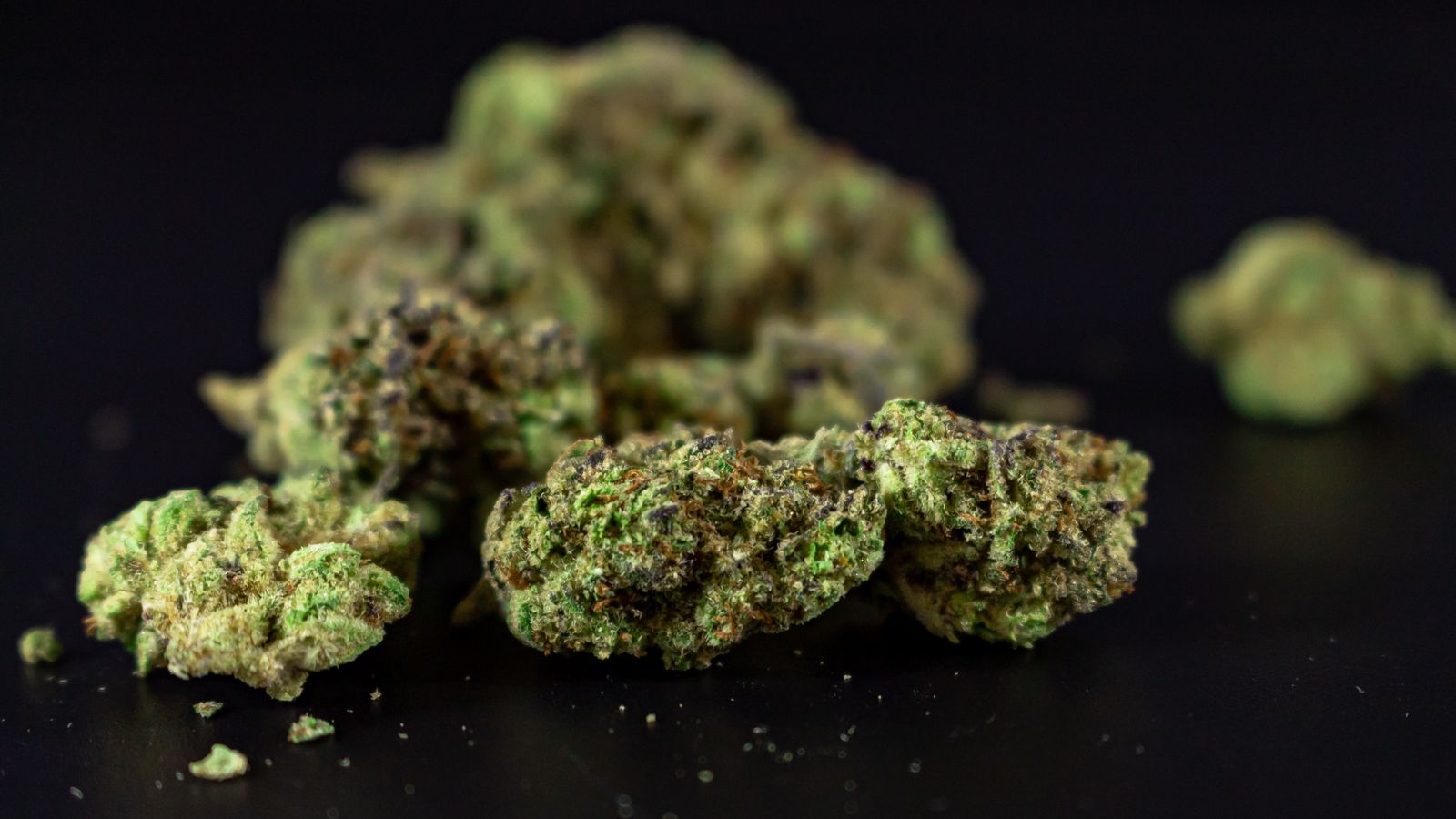
Detailed close-up of cannabis flowers, showcasing texture and color against a black backdrop.
IDFPR's licensing count is the headline, and the details are thin
More than 100 medical cannabis expansion licenses have been issued by IDFPR since Sept. 10, according to The Troy Times Tribune.
That's the full extent of what the signal supplies. The report, aggregated through Google News, gives a count and a start date. The excerpt available to CannIntel doesn't specify license categories, recipient names, geographic distribution or the statutory authority behind each grant.
We're not going to fill those gaps with guesses. Readers who need the license-level data should pull it directly from IDFPR's published records.
Still, the count matters on its own. A 100-plus license tally in roughly 10 weeks is a meaningful volume for a single regulator, and it lands in a state where cannabis licensing has been tangled in litigation and delay for years.
A strict reading of 'expansion' license matters for compliance
The word 'expansion' is doing real work, and operators should confirm which license type they hold before assuming anything about their tax or operating posture.
On a strict reading, an expansion license isn't a new entrant's first license. In regulatory taxonomy, expansions typically authorize an existing licensee to add capacity, a location or a defined activity. The exact meaning depends on the statute and rule under which IDFPR acted, and the signal doesn't say which provisions apply.
That distinction drives downstream obligations. Each licensed premises, and each category of activity, can carry its own application fees, bonding, inspection triggers and reporting duties. A licensee who treats an expansion as a paperwork formality can miss a recurring requirement attached to the new authorization.
Read the issued license instrument itself, not a summary of it. Conditions attached to a license are the controlling text.
The 280E exposure scales with every new licensed site
Federal tax treatment under IRC §280E applies to the trafficking business, not to the license, so expansion adds revenue lines without relief from the deduction disallowance.
Section 280E denies ordinary business deductions and credits to any trade or business consisting of trafficking in Schedule I or II controlled substances. Marijuana remains a Schedule I substance on the federal books. Medical licensing under Illinois law doesn't change that federal classification, and a state license doesn't carve a taxpayer out of the statute.
For a licensee that adds capacity, the practical result is straightforward: gross profit grows, cost of goods sold remains the principal permitted offset, and operating expenses tied to the trafficking activity stay non-deductible. More volume can mean a disproportionately larger federal tax bill.
Illinois also applies its own excise and sales-tax structure to cannabis transactions. Knowing how medical sales are treated against adult-use sales requires a strict reading of the state revenue provisions, and the signal doesn't address it. Operators adding capacity should model both layers before committing capital.
Not a trivial exercise.
What the licensing pace means for operators and patients
A fast licensing pace expands supply options for patients but compresses the compliance runway for operators standing up new capacity.
Medical programs are patient-driven markets. More licensed capacity can improve access, particularly where patients face long travel distances to a dispensary, though the signal doesn't report where these licenses sit. Whether the expansion reaches underserved areas is a question the underlying license data would answer, and it's the right one to ask.
For operators, a license in hand starts a clock. Build-out, local zoning approval, inspections and seed-to-sale integration all follow issuance, and each carries its own deadlines. Miss one after issuance and you can jeopardize the very license you just received. Compliance teams sized for a single-site footprint will find the workload doesn't scale linearly.
For full background on this story, see the CannIntel topic hub on Illinois Cannabis Licensing. Operators tracking IDFPR's broader activity should also watch how the department coordinates with other Illinois agencies that touch cannabis licensing and enforcement.
For now, the gap in the public record is the real story. Until IDFPR's license-level data is parsed, the 100-plus figure is a headline number without a market map behind it.
Watch for IDFPR's published license roster and any accompanying rule text next. Those documents will show who received what, where, and under which authority, and that detail will determine whether this expansion is an access story, a consolidation story or both.
Sources
The cannabis newsletter you forward to your team.
Federal policy, market data, grower alerts, and the one story that matters today. Sent every weekday at 7am. Free.
No spam. Unsubscribe with one click. 21+ only.
Related from Laws

Rhinelander, Stevens Point Mayors Back Wisconsin Legalization
Mayors of two northern Wisconsin cities voiced support for marijuana legalization, adding local-government voices to a debate still stalled at the state Capitol.

NH Lawmaker Predicts Medical Home Grow Bill Passes in 2027
A New Hampshire representative says the Legislature will pass a medical marijuana home-cultivation bill next year, but the governor's desk remains the unresolved obstacle.

DEA Opposes Industry Court Challenges to Marijuana Rescheduling Rules
Federal drug regulators have filed in opposition to marijuana businesses that are contesting the new rescheduling rules in court, setting up a procedural fight over the final rule.
More from the newsroom

Hemp THC retailers sell through stock as federal ban nears
Shops are emptying shelves of intoxicating hemp products ahead of a federal prohibition, with the effects already visible at retail, according to MJBizDaily.

California Clears 2,000+ Pounds of Trash From Illegal Cannabis Grow
A reported cleanup of more than 2,000 pounds of debris at an unlicensed grow puts the environmental cost of illicit cultivation back in front of California regulators.

Study: Cannabis Now Outpaces Alcohol Among Younger Canadians
A study reported by Yahoo News Canada finds cannabis has overtaken alcohol in popularity among younger Canadians, a shift that reorders the legal market's core consumer.