Humboldt Sheriff Tells DEA Illicit Market Thrives Despite Legalization
County law enforcement reports black-market cannabis operations still dominate Northern California's Emerald Triangle despite eight years of legal sales.
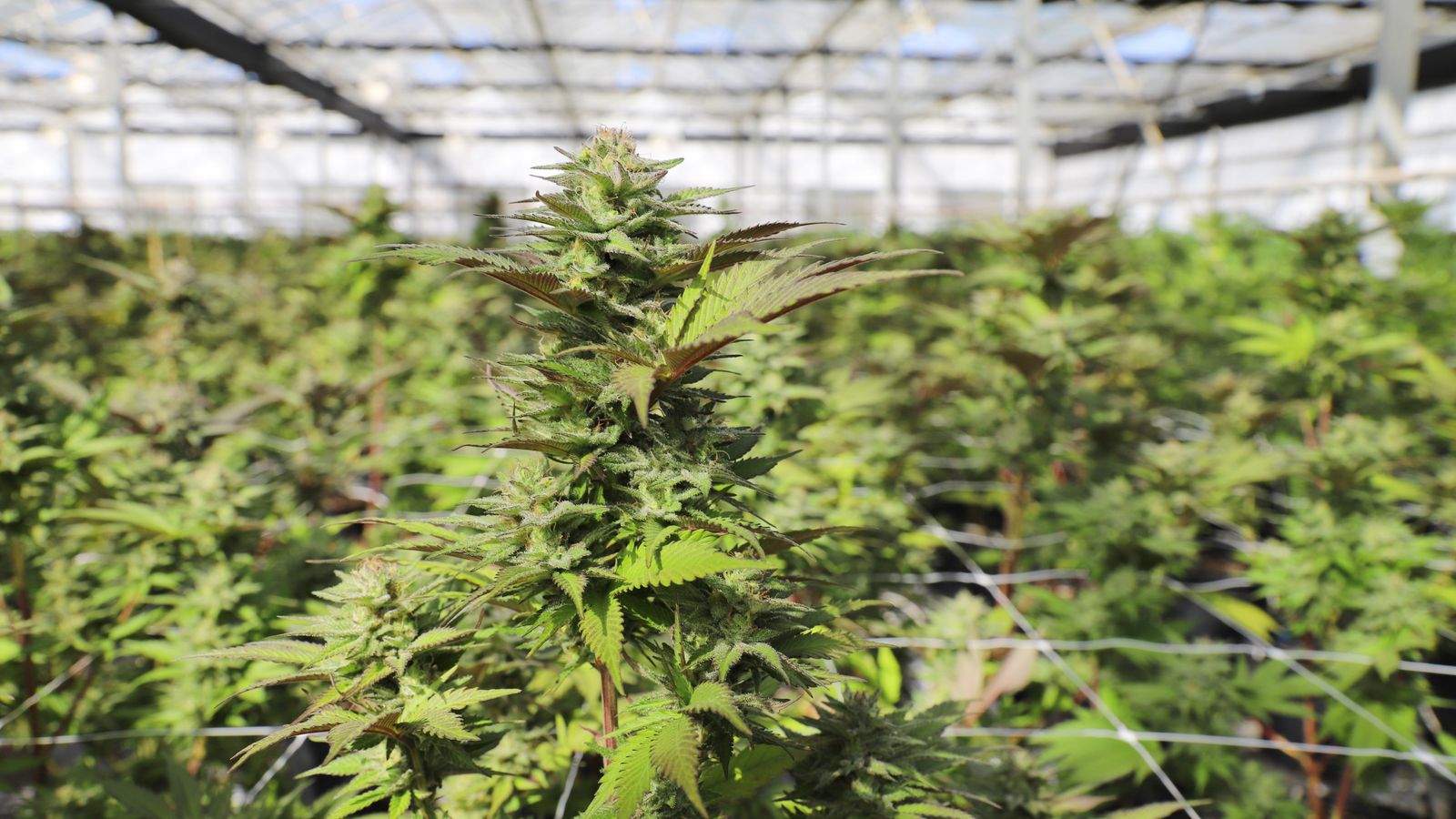
Close-up view of cannabis plants thriving in a sunlit greenhouse in Salinas, showcasing lush greenery.
Sheriff Reports Persistent Unlicensed Operations
Humboldt County Sheriff William Honsal briefed DEA representatives on September 2, 2026, detailing the persistent scale of black-market cannabis cultivation in the region. Unlicensed grows continue to dominate the landscape eight years after California voters passed Proposition 64, which legalized adult-use cannabis statewide, according to Honsal. The briefing came during a DEA enforcement tour of the Emerald Triangle, the historic cannabis-producing region spanning Humboldt, Mendocino, and Trinity counties.
Honsal said his office has documented hundreds of unpermitted cultivation sites operating openly across the county, many on public and private timberlands. For every licensed farm in Humboldt County, at least five to ten unlicensed operations continue producing cannabis destined for out-of-state markets, the sheriff's office estimates.
Regulatory Burden Pushes Growers Underground
High state and local taxes, complex permitting processes, and environmental compliance costs have driven many legacy cultivators to remain in the illicit market. California's cannabis tax structure imposes a 15% excise tax on retail sales, plus local taxes that can push the total tax burden above 30% in some jurisdictions. Cultivation taxes were repealed in 2022, but growers still face steep costs for water-quality permits, energy audits, and environmental impact reports.
Many legacy growers who wanted to go legal couldn't afford the compliance costs or couldn't get local permits, so they stayed underground or went back underground after trying the legal route.
Humboldt County has issued fewer than 400 active commercial cannabis licenses since 2018. That's a fraction of the thousands of farms that operated in the area before legalization. Growers who can't secure local permits or afford state compliance often continue operating without licenses, selling into the black market at higher margins than licensed competitors.
Out-of-State Cartels and Environmental Damage
Federal and local enforcement officials report that organized criminal groups from Mexico and Asia have established large-scale illegal grows on public lands and leased private parcels. These operations frequently use banned pesticides, divert streams, and leave behind tons of trash and irrigation infrastructure. The environmental toll has been severe:
- Illegal water diversions during drought years have dried up salmon spawning streams
- Banned rodenticides like carbofuran poison wildlife, including endangered fishers and spotted owls
- Diesel generators and propane heaters contribute to air pollution in rural areas
- Abandoned grow sites litter public forests with PVC pipe, fertilizer bags, and camping debris
DEA officials on the September 2 tour observed multiple trespass grows on U.S. Forest Service land, some exceeding 10,000 plants. Honsal told the federal agents that his office lacks the resources to dismantle these operations without federal assistance.
Legal Market Struggles to Compete on Price
Licensed cultivators in California sell wholesale flower at $400 to $800 per pound, while black-market operators command $1,200 to $1,800 per pound in prohibition states. The price differential makes it nearly impossible for compliant farms to compete with illicit growers who face no testing, packaging, or tax obligations. Many licensed operators have gone out of business or scaled back production.
Humboldt County's legal cannabis industry has shed jobs every year since 2020. Active cultivation acreage under license fell 22% year-over-year, the county's Department of Agriculture reported in August 2026, while anecdotal reports suggest unlicensed acreage has remained stable or grown.
For full background on enforcement challenges in the state's legacy cannabis regions, see the CannIntel topic hub on California's illicit market.
What Comes Next for Enforcement
The DEA's September visit signals potential federal involvement in California's enforcement efforts, but the scope and timing of any coordinated crackdown remain unclear. Honsal said his office has requested additional federal resources, including National Guard helicopter support for aerial reconnaissance and DEA personnel for multi-agency task forces. Governor Gavin Newsom's office hasn't announced any new statewide enforcement initiatives targeting unlicensed grows.
Local officials expect enforcement to remain uneven across counties. Some jurisdictions, like Mendocino and Nevada counties, have aggressive eradication programs; others lack funding or political will to pursue unlicensed farms. The result? A patchwork landscape where illegal operations cluster in under-policed areas.
Enforcement priorities will shift with federal cannabis policy. If DEA rescheduling or federal legalization moves forward, the calculus for both growers and law enforcement will change. But for now, the black market's structural advantages remain firmly in place.
Frequently asked questions
Why does California still have a large illicit cannabis market after legalization?
High state and local taxes, complex permitting, and environmental compliance costs make legal cultivation expensive. Many legacy growers can't afford licenses or can't get local permits, so they stay in the black market where they earn higher margins selling to prohibition states.
How many unlicensed cannabis farms operate in Humboldt County?
The Humboldt County Sheriff's Office estimates that unlicensed operations outnumber licensed farms by at least five to ten to one. The county has issued fewer than 400 active commercial licenses, while hundreds of unpermitted sites continue to operate.
What environmental damage do illegal cannabis grows cause?
Illegal grows divert streams during droughts, use banned pesticides like carbofuran that poison wildlife, and leave behind trash and infrastructure. Salmon spawning habitat has been degraded, and endangered species like fishers and spotted owls have been harmed by rodenticides.
Will the DEA crack down on California's illicit cannabis market?
The DEA toured Humboldt County on September 2, 2026, but no coordinated federal enforcement action has been announced. Local sheriffs have requested federal resources, but the scope and timing of any crackdown remain uncertain and will likely depend on federal cannabis policy developments.
How much do black-market cannabis growers earn compared to legal farms?
Unlicensed growers sell wholesale flower at $1,200 to $1,800 per pound in prohibition states, while licensed California cultivators get $400 to $800 per pound. The price gap makes it nearly impossible for compliant farms to compete without losing money.
Sources
The cannabis newsletter you forward to your team.
Federal policy, market data, grower alerts, and the one story that matters today. Sent every weekday at 7am. Free.
No spam. Unsubscribe with one click. 21+ only.
Related from Laws

San Diego Board Approves Cannabis Retail Expansion in Unincorporated Areas
The Board of Supervisors voted to allow more cannabis storefronts in county-controlled communities outside city limits.

Ontario Police Seize 4,100 Cannabis Plants from Greenhouse Licensed for 1,750
Niagara Regional Police raided a Wainfleet facility holding 134% more plants than its Health Canada cultivation license permitted.

Grand Jury Finds DeSantis Admin Misappropriated Medicaid Funds for Marijuana Campaign
A Florida grand jury concluded the administration diverted Medicaid dollars to fight Amendment 3, prompting Democratic calls for investigation.
More from the newsroom

Aurora Rejects Curaleaf Hostile Bid, Opens Door to Competing Offers
Canadian cannabis producer dismisses unsolicited takeover and signals advisers are evaluating strategic alternatives.

Cresco Labs Acquires Nine Pennsylvania Dispensaries for $50M
Multi-state operator expands Pennsylvania footprint through all-cash deal for medical cannabis retail locations.

Cresco Labs Acquires 9 Pennsylvania Dispensaries for $50 Million
The Chicago-based MSO expands its Pennsylvania footprint through a nine-location deal in the state's medical-only market.