Holscher backs Kansas marijuana legalization, faces legislative hurdles
A political expert told KWCH the Kansas gubernatorial candidate's support for legalization may run into roadblocks, even as she makes it part of her platform.
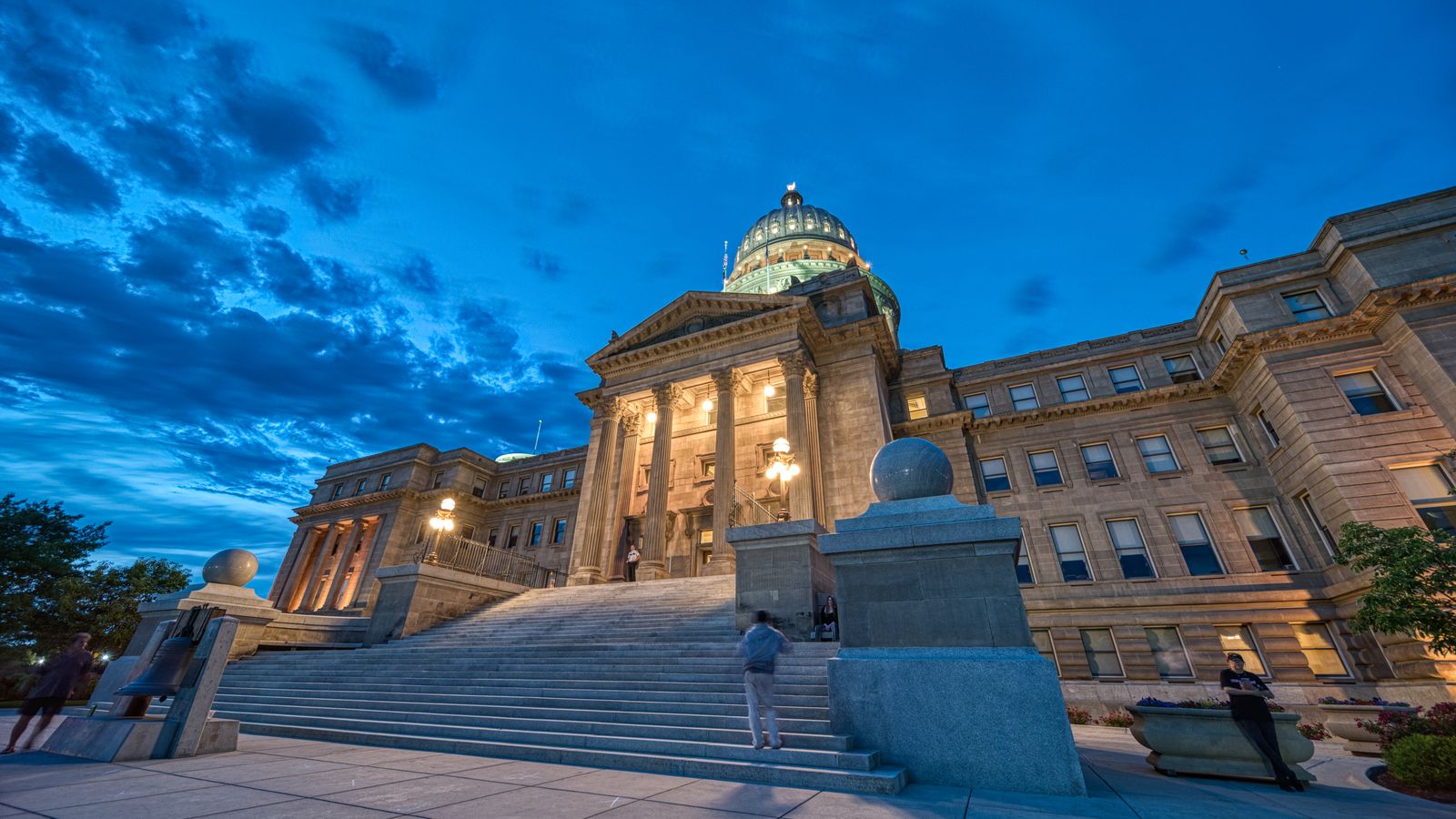
Exterior of historic classic palace with dome and decorative pillars near spacious staircase at dark peaceful night
Holscher puts legalization on the table, and an expert warns of friction
A political expert interviewed by KWCH said Holscher's support for legalizing marijuana doesn't guarantee she can deliver it.
Our signal for this story is a headline and a short summary from the Wichita station, not the full broadcast. So the expert's name, the specific obstacles cited and the details of Holscher's proposal aren't available to us. We aren't going to guess at them.
What the headline does establish is the framing. Holscher backs legalization. The analyst thinks the politics are harder than the position.
Why a governor can't legalize alone
In Kansas, cannabis policy is written by lawmakers, which makes legislative math the central variable.
A governor can set priorities, sign or veto bills and shape the agenda. A governor can't create a regulated market by decree. Statutory authority for licensing, taxation and testing has to come from the Legislature, full stop.
Bills moving in this direction have repeatedly stalled in Kansas before reaching a final vote, and that history is the backdrop to the expert's caution. Support at the top of a ticket and votes in committee are different currencies.
The analyst's point, as KWCH framed it, is that a candidate's enthusiasm for legalization and the Legislature's willingness to act are two separate questions.
The Kansas baseline: no program, and a hemp patchwork next door
Kansas has no comprehensive medical or adult-use marijuana program, which leaves hemp-derived products as the closest thing to a legal cannabis market in the state.
That matters for anyone tracking the delta-9-versus-total-THC fight. Under the 2018 Farm Bill, hemp is defined by a 0.3% delta-9 THC limit on a dry-weight basis. Products rich in THCA, which converts to delta-9 THC through decarboxylation when heated, sit in a gray zone, depending on whether a regulator measures delta-9 alone or total THC after conversion.
Enforcement of that line varies by state and often by county. A full legalization bill would collapse much of the ambiguity by bringing high-THC flower and edibles into a licensed system. Without one, hemp operators and retailers keep working under rules that are unsettled.
What legalization would change for hemp operators
A Kansas marijuana law would reorder the hemp market, and how depends on whether lawmakers fold hemp-derived THC into the new framework or fence it off.
States that have legalized adult-use have taken different routes. Some moved intoxicating hemp products under the same licensing umbrella, while others restricted them to protect licensed dispensaries. Which way Kansas would go is an open question. Nothing in this report answers it.
For now, operators selling THCA flower or delta-8 products in Kansas work in an environment defined by interpretation rather than a clear statute. A legalization push, even a stalled one, tends to draw new scrutiny to those products.
What to watch from here
The test of Holscher's position is whether it turns into a specific bill, a committee hearing or a negotiated deal with legislative leaders.
Campaign-trail support is cheap to state and expensive to execute. The meaningful signals will be concrete ones: bill text, named sponsors, a scheduled hearing, and whether legislative leadership engages at all.
For full background on the state's trajectory, see the CannIntel topic hub on Kansas marijuana legalization. This is unsettled. Expect enforcement of hemp-derived THC rules to vary until Topeka acts.
For complete background, history, and our ongoing coverage of this story:
Open the CannIntel topic hub →Frequently asked questions
Does Holscher support legalizing marijuana in Kansas?
Yes. According to the KWCH headline, Holscher supports legalizing marijuana. The same report quotes a political expert cautioning she may face roadblocks, though the specific obstacles were not detailed in the available summary.
Can a Kansas governor legalize marijuana alone?
No. Creating a regulated cannabis market requires statutory authority for licensing, taxation and testing, which comes from the Legislature. A governor can set priorities and sign or veto bills but cannot establish a program by decree.
Is marijuana legal in Kansas?
Kansas has no comprehensive medical or adult-use marijuana program. Hemp-derived products are the closest thing to a legal cannabis market in the state, and their rules, especially for THCA, remain unsettled.
How would legalization affect Kansas hemp products?
It depends on the bill. Some states folded intoxicating hemp products into the licensed system, while others restricted them to protect dispensaries. Kansas's direction is unknown and cannot be inferred from the available reporting.
Sources
The cannabis newsletter you forward to your team.
Federal policy, market data, grower alerts, and the one story that matters today. Sent every weekday at 7am. Free.
No spam. Unsubscribe with one click. 21+ only.
Related from Laws

Texas hemp industry weighs federal ban after midterm elections
A WFAA report frames the Texas hemp sector as hopeful after the midterms, even as a federal ban on intoxicating hemp products looms over the market.

Talking Joints Memo Flags Massachusetts Police Cannabis Survey
A newsletter item highlights a survey of Massachusetts law enforcement officers on cannabis, though the underlying results aren't detailed in the feed.

Massachusetts Senate Advances Veterans Cannabis Access Measure
The state Senate moved a measure to expand veterans' access to cannabis, according to a Talking Joints Memo report, though the bill text and vote tally were not available.
More from the newsroom

Cannabis Grow Buildings Eyed for AI Data Center Conversion
A Korean outlet reports U.S. cannabis cultivation facilities may be repurposed as AI data centers, a pivot that could give distressed grow real estate a second life.

Holscher Win Reopens Kansas Marijuana Legalization Debate
A new governor-elect has Kansas advocates asking whether the last holdout in the region's cannabis map can finally move, but the legislature still holds the key.

DEA Confirms Marijuana Production Quotas Are Coming, Report Says
A Corsicana Daily Sun report says the DEA now acknowledges marijuana production quotas are coming, a shift that would reshape supply planning for licensed operators.