Germany Approves Four Cannabis Research Projects Under New Framework
Federal regulators greenlit the first wave of cannabis studies following April's partial legalization.
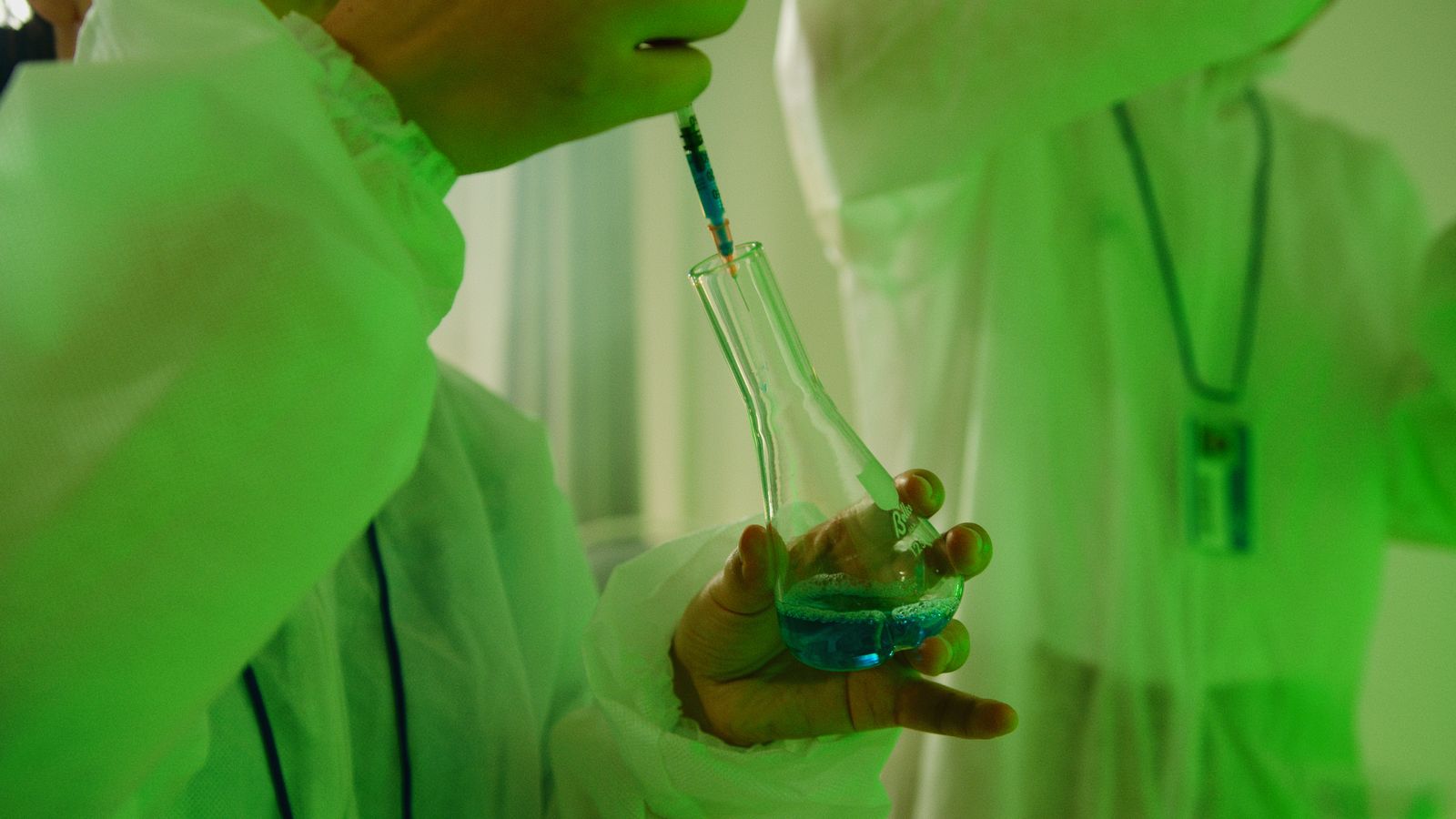
Close-up of a scientist using a syringe to handle chemicals in a laboratory setting.
First Research Approvals Since April Legalization
Germany's Federal Institute for Drugs and Medical Devices approved four cannabis research applications, the first batch cleared under the April 2026 partial legalization statute. The agency didn't disclose project specifics or institutional sponsors in its July 18 announcement. Still, the approvals represent the first tangible progress in Germany's stated goal of building a research infrastructure parallel to its commercial rollout.
The April law permits possession of up to 25 grams in public and cultivation of three plants per household. It also established a research approval pathway separate from the medical cannabis program operating since 2017.
Research Framework Embedded in April Statute
The Cannabis Act passed in April included explicit provisions for federally sanctioned research projects examining cultivation methods, potency standardization, and public health outcomes. Applicants had to submit protocols to the Federal Institute for Drugs and Medical Devices and obtain clearance before initiating studies involving controlled cultivation or distribution.
Germany's model differs from U.S. state programs, where research pathways often lag commercial rollout by years. Regulators are attempting to generate domestic data before expanding access further — that's the cleanest read on Germany's approach.
No Details on Project Scope or Institutions
The Federal Institute didn't name the research institutions, universities, or private entities behind the four approved projects. It also withheld details on study design, participant counts, or timelines. Early-stage regulatory approvals in Germany typically follow this pattern, with agencies releasing summary data only after projects reach interim milestones.
The lack of disclosure leaves open whether the four projects focus on agricultural research, pharmacology, or epidemiology. Industry observers expect cultivation studies to dominate early approvals. Why? Germany's reliance on imported medical cannabis and stated interest in domestic production.
Germany's Phased Rollout Strategy
The April statute was the first phase of a two-stage plan; phase two envisions licensed retail sales in pilot regions starting in 2027. Officials haven't finalized which cities or states will host pilot programs, but they've indicated that research findings from projects like the four approved this week will inform licensing criteria and product standards.
Germany's Federal Ministry of Health has projected that pilot programs could begin by mid-2027 if research data supports expansion. For context on the broader legislative timeline, see the CannIntel topic hub on Germany Cannabis Legalization.
Implications for Domestic Cultivation
Germany imports nearly all medical cannabis from Canada, the Netherlands, and Portugal, creating supply bottlenecks and price volatility. Domestic cultivation research could address those gaps by establishing best practices for controlled indoor and greenhouse operations suited to Germany's climate and regulatory environment.
At least one cultivation study likely sits among the four approved projects, given the government's public statements prioritizing supply-chain resilience. If those studies yield scalable protocols, Germany could license domestic growers as early as 2028.
European Context and Cross-Border Implications
Germany's research approvals come as the Netherlands and Switzerland advance their own pilot programs, creating a fragmented regulatory patchwork across the European Union. The EU has no unified cannabis policy. Member states navigate conflicting frameworks for research, medical access, and adult use on their own.
By embedding research approvals in its legalization statute, Germany positions itself as a potential data hub for neighboring countries weighing similar reforms. The research findings could influence policy debates in France, Belgium, and Austria, where legalization proposals remain stalled.
What Comes Next
The Federal Institute for Drugs and Medical Devices hasn't announced a timeline for additional research approvals or disclosed how many applications remain under review. The agency's next public update is expected in October 2026, when it releases a semi-annual report on cannabis program activity.
The political variable nobody can model is whether Germany's coalition government remains stable through 2027. If the current administration loses support before pilot programs launch, the entire phased rollout could stall. We'll be watching three indicators: the October agency report, pilot-city announcements expected by year-end, and any legislative amendments tied to the 2027 budget cycle.
For complete background, history, and our ongoing coverage of this story:
Open the CannIntel topic hub →Frequently asked questions
What did Germany approve on July 18, 2026?
Germany's Federal Institute for Drugs and Medical Devices approved four cannabis research projects, the first batch cleared under the nation's April 2026 partial legalization statute. The agency didn't disclose project specifics or institutional sponsors.
What does Germany's April 2026 cannabis law allow?
The April statute permits adults to possess up to 25 grams of cannabis in public and cultivate three plants per household. It also established a research approval pathway and set the stage for licensed retail pilot programs starting in 2027.
Why is cannabis research important for Germany's rollout?
Germany's phased approach uses research findings to inform licensing criteria, product standards, and pilot-program design for phase two. The government has stated that domestic cultivation studies could reduce reliance on imported medical cannabis and address supply bottlenecks.
When will Germany launch retail cannabis pilot programs?
The Federal Ministry of Health projects pilot programs could begin by mid-2027 if research data supports expansion. The government hasn't finalized which cities or states will host pilots, with announcements expected by year-end 2026.
How does Germany's cannabis policy compare to other EU countries?
Germany's research-first approach differs from the Netherlands' coffeeshop model and Switzerland's municipal pilots. The EU has no unified cannabis policy, leaving member states to navigate conflicting frameworks for research, medical access, and adult use.
Sources
The cannabis newsletter you forward to your team.
Federal policy, market data, grower alerts, and the one story that matters today. Sent every weekday at 7am. Free.
No spam. Unsubscribe with one click. 21+ only.
Related from Laws

Missouri Amendment 4 Would Restrict Ballot Initiative Process
Proposed constitutional change would raise signature thresholds and impose new requirements for citizen-led measures.

Namibia Cannabis Advocacy Group Advances Legalization Push After Court Filing
Namibian dagga reform coalition presses High Court review of existing prohibition statutes as legislative pathway stalls.

Saint Kitts and Nevis Enlists Regional Expert for Cannabis Banking Rules
The twin-island federation has retained a Caribbean financial-services consultant to draft banking protocols for its emerging medicinal cannabis sector.
More from the newsroom

UAMS Study Finds 3.8% of Pregnant Arkansans Used Cannabis in 2021
University of Arkansas researchers document medical cannabis use during pregnancy despite federal warnings and state program restrictions.

Canopy Growth Faces August Earnings Amid German Policy Shift, Insider Sales
The Canadian cannabis producer confronts a tightening German market and executive stock disposals ahead of its quarterly report.

Child Poisoning Cases Mount as New York's Cannabis Rollout Faces Scrutiny
Critics cite pediatric exposures and enforcement gaps as evidence of regulatory failures in the state's 2021 legalization framework.